

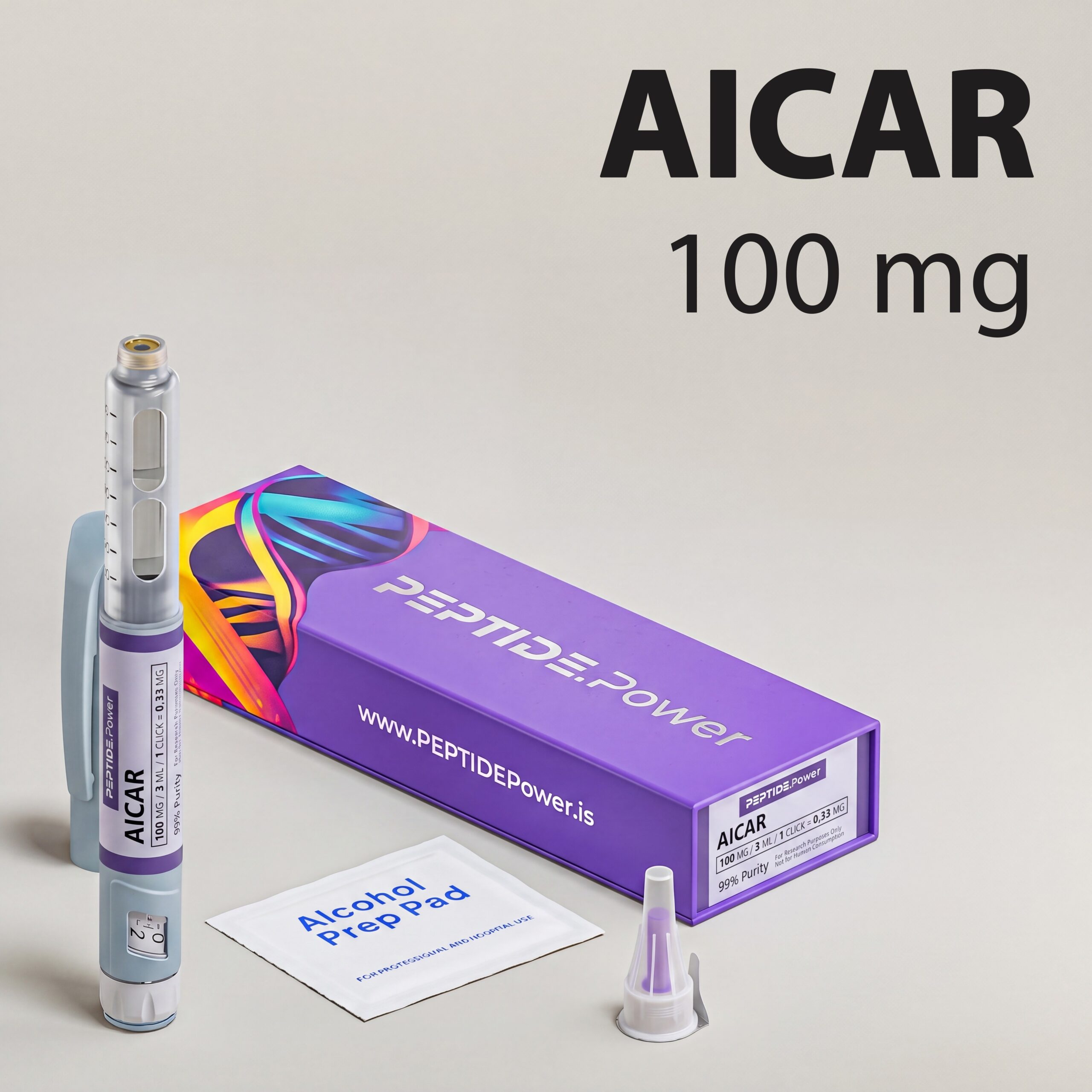



AICAR
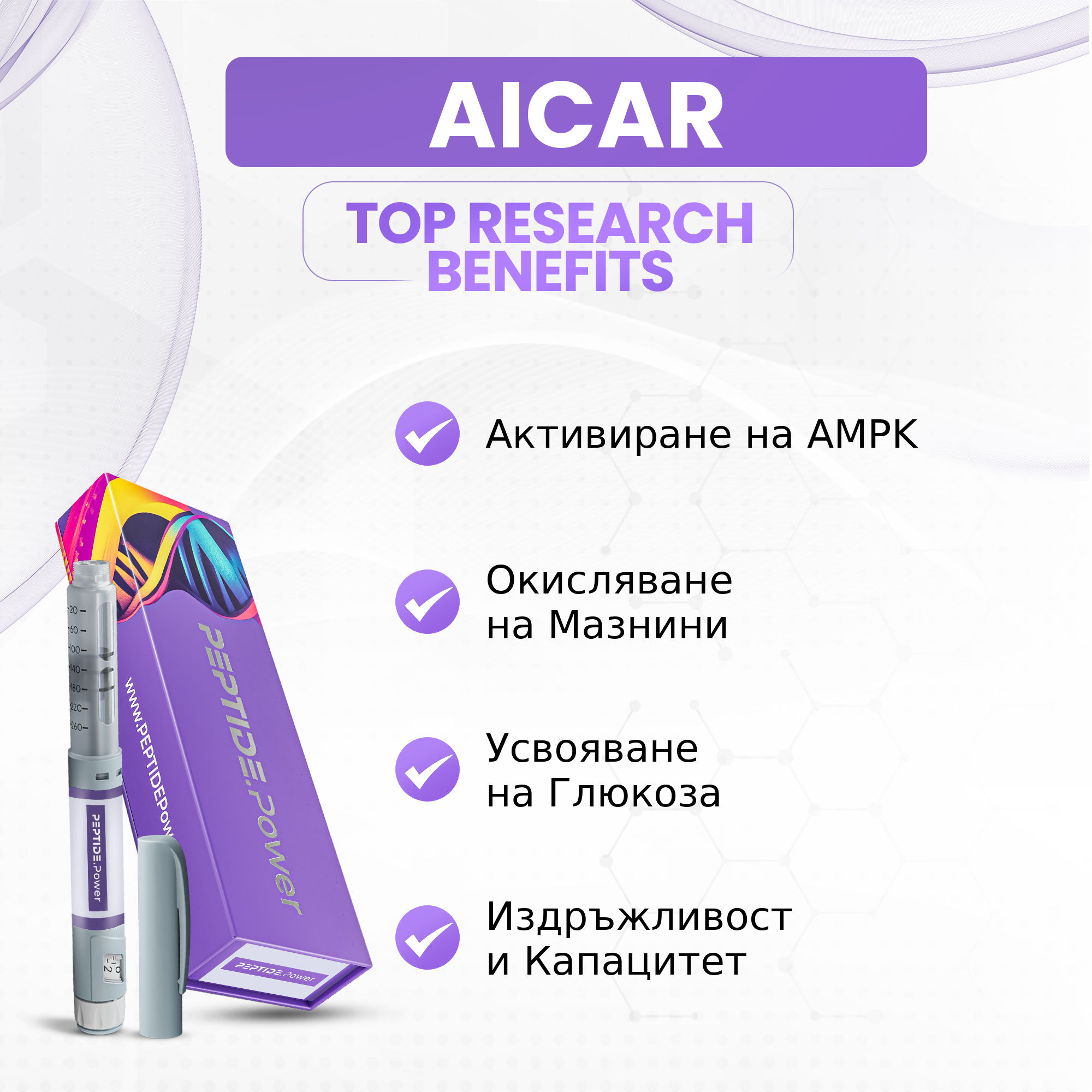
AICAR (5-Аминоимидазол-4-карбоксамид рибонуклеотид) е синтетичен AMP аналог, изследван за способността си да активира AMPK – главен регулатор на клетъчния енергиен метаболизъм. Изучава се в изследователски модели, фокусирани върху издръжливост, усвояване на глюкоза, окисляване на мастни киселини и митохондриална биогенеза, с особен интерес към приложенията в метаболитната и физиологията на физическите усилия.
106,00 €
📦Влиза и в стек · спести до 63,00 €
Energy - Startспести 63,00 €Виж стека →AICAR - AMPK Активатор & Съединение за Метаболитна Издръжливост
Алостерично активира AMPK, имитирайки AMP, без да променя вътреклетъчните концентрации на ATP
Стимулира липидното окисляване в скелетната мускулатура и черния дроб чрез инхибиране на ацетил-КоА карбоксилазата
Насърчава инсулинонезависимото транслокиране на GLUT4 и транспорта на глюкоза в скелетните мускули в изследователски модели
Наблюдавано е увеличаване на физическата издръжливост и оксидативните мускулни фенотипове при неактивни животински модели
Повишава експресията на PGC-1α, увеличавайки митохондриалната плътност и оксидативния капацитет в скелетната мускулатура
Изследван за механизмите на субстратно превключване, поддържащи адаптивния избор на гориво между глюкоза и липиди
Възпроизвежда молекулярните адаптации на свиване и издръжливостно натоварване при нетренирани изследователски субекти
Изследван за потискане на възпалителните сигнални пътища надолу по веригата от активирането на AMPK в изследователски модели
Описание
AICAR (5-аминоимидазол-4-карбоксамид рибонуклеотид) е клетъчно-проницаем нуклеотиден аналог и директен активатор на AMP-активираната протеинкиназа (AMPK), главен регулатор на клетъчната енергийна хомеостаза. Той се изучава широко като изследователско съединение заради способността му да имитира метаболитното състояние на физическо натоварване и калориен дефицит в експериментални модели.
В предклинични проучвания AICAR е наблюдаван да усилва окислението на мастни киселини, стимулира митохондриалната биогенеза и увеличава поемането на глюкоза в скелетната мускулатура независимо от инсулиновата сигнализация. Чрез активиране на AMPK той модулира низходящи пътища, включително PGC-1α, ACC и mTOR, насочвайки клетъчния метаболизъм към катаболни, енергопроизвеждащи процеси.
AICAR е изследван и за ефектите си върху издръжливостта, прехода между типовете мускулни влакна и метаболитната адаптация в гризачни модели, като в литературата често е наричан „имитатор на упражнения“ (exercise mimetic). Допълнителни изследвания са разгледали ролята му в кардиопротекцията, противовъзпалителната сигнализация и регулацията на глюкозата в модели на метаболитна дисфункция.
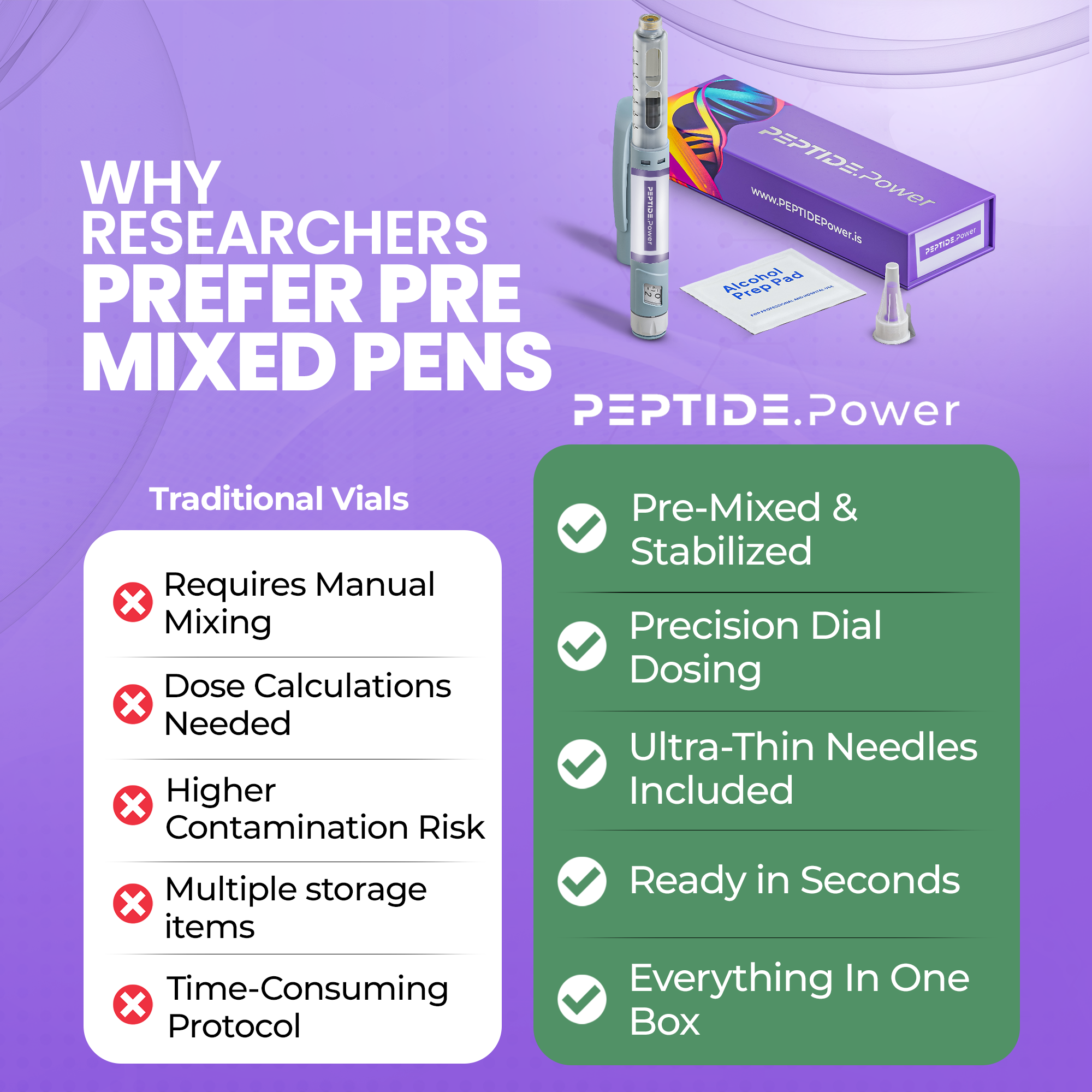
Доставян в предварително смесена, готова за употреба писалка, AICAR е предназначен за in vitro и in vivo лабораторни приложения при контролирани експериментални условия.
Клиничен статус:
AICAR е изследователско съединение, проучвано задълбочено в животински модели и in vitro системи за активиране на AMPK, метаболитна модулация и ефекти на имитатор на упражнения. Не е одобрен за човешка медицинска или терапевтична употреба и остава ограничен до експериментални и лабораторни изследвания. AICAR е включен в Забранителния списък на WADA като метаболитен модулатор в състезателния спорт.
Тип доказателства:
Клинично проучване ☐ | Обсервационно ☐ | Животни ✔ | In vitro ✔ | Регулаторно ✔
Механизъм на действие
AICAR действа, като имитира аденозин монофосфат (AMP) – клетъчният сигнал за ниска енергия. Веднъж попаднал в клетката, той се фосфорилира до ZMP, който директно активира AMP-активираната протеин киназа (AMPK). Това активиране насочва метаболизма към окисление на мастни киселини, усвояване на глюкоза и митохондриална биогенеза, като същевременно потиска анаболните пътища и засилва експресията на гени, свързани с издръжливостта, в експериментални модели.
Ползи
- Активиране на AMPK пътя:
AICAR е един от най-широко използваните фармакологични активатори на AMP-активираната протеин киназа (AMPK), главен регулатор на клетъчната енергийна хомеостаза. Имитирайки AMP, AICAR алостерично активира AMPK, без директно да променя нивата на ATP. Този механизъм е превърнал AICAR в основополагащ изследователски инструмент за изучаване на реакциите при метаболитен стрес, чувствителността към хранителни вещества и клетъчните състояния с енергиен дефицит в лабораторни модели. - Засилена оксидация на мастни киселини:
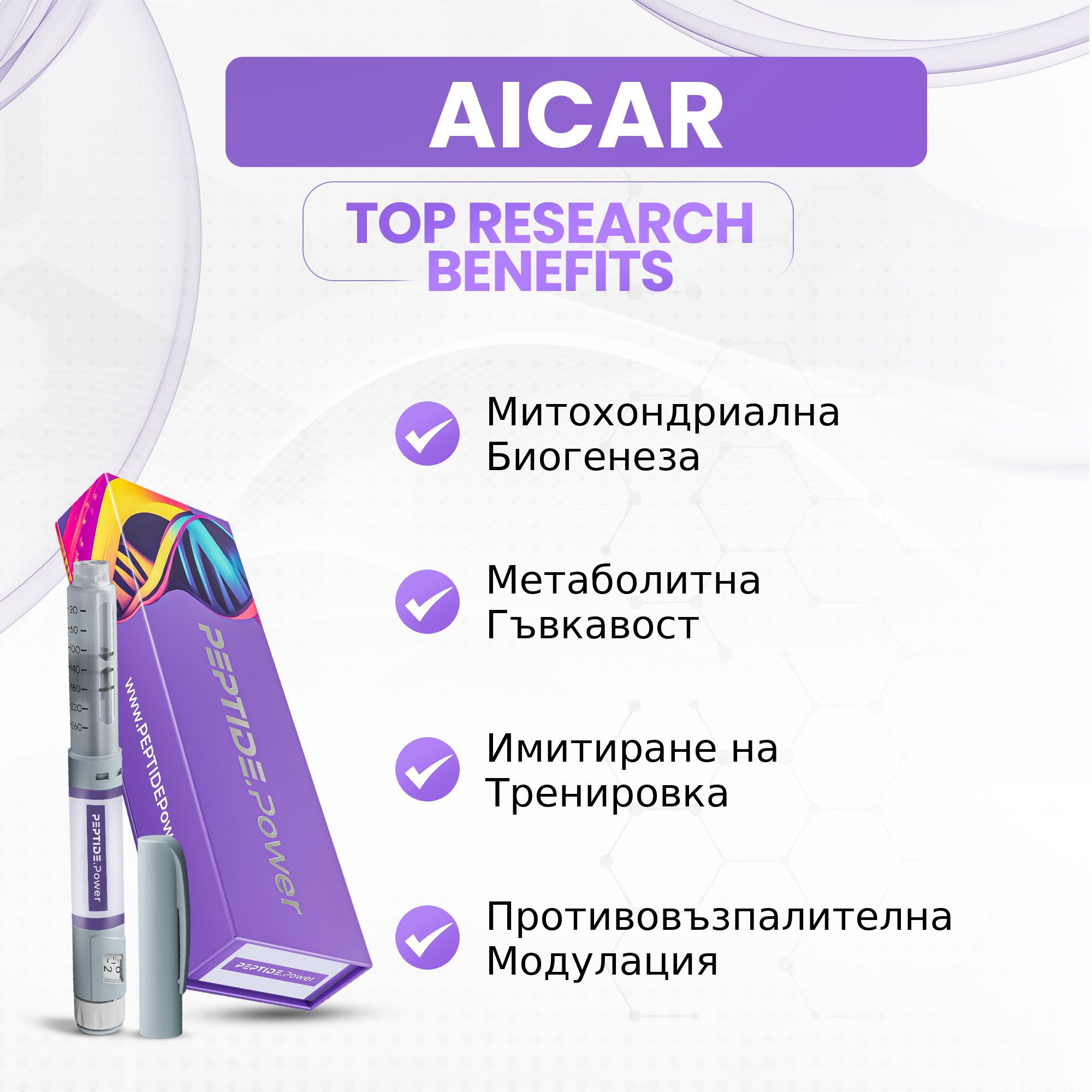
В експериментални модели е наблюдавано, че AICAR стимулира оксидацията на мастни киселини в скелетната мускулатура и чернодробната тъкан чрез инхибиране на ацетил-CoA карбоксилазата (ACC). Това изместване към използване на липиди е изследвано в модели на затлъстяване, чернодробна стеатоза и метаболитна дисфункция. Изследователите често използват AICAR за изучаване на механизмите на превключване на субстратите, свързани с метаболитната гъвкавост. - Модулация на усвояването на глюкоза:
Съобщава се, че AICAR насърчава инсулин-независимо усвояване на глюкоза в скелетната мускулатура чрез транслокация на GLUT4. Този ефект, опосредстван от активирането на AMPK, отразява аспекти на индуцирания от мускулна контракция глюкозен транспорт и прави AICAR ключово съединение в изследванията, фокусирани върху инсулиновата резистентност, механизмите на диабет тип 2 и пътищата, имитиращи физическо натоварване. - Ефекти върху издръжливостта и имитиращи физическо натоварване:
Проучвания при животни показват, че AICAR може да индуцира преминаване към оксидативни фенотипове на мускулните влакна и да увеличи капацитета за издръжливост дори при заседнали субекти. Това свойство „тренировка в хапче“ е направило AICAR основен фокус в изследванията върху мускулния метаболизъм, митохондриалната адаптация и молекулярната основа на тренировъчните адаптации. - Митохондриална биогенеза:
Изследователските модели показват, че AICAR повишава експресията на PGC-1α, транскрипционен коактиватор, който движи митохондриалната биогенеза. Повишена митохондриална плътност и оксидативен капацитет са документирани в скелетната мускулатура след прилагане на AICAR, което подкрепя използването му като инструмент за изучаване на митохондриалната динамика и енергийния метаболизъм. - Противовъзпалителна модулация:
AICAR е изследван за своите противовъзпалителни свойства в модели на автоимунни и възпалителни заболявания. Чрез модулиране на NF-κB сигнализирането и намаляване на продукцията на провъзпалителни цитокини, AICAR е показал ефекти в експериментални модели на множествена склероза, колит и исхемично-реперфузионно увреждане. Тези наблюдения подкрепят по-широката му роля като инструмент за изследване на метаболитно-имунното взаимодействие. - Кардиопротективни изследователски приложения:
В предклиничните сърдечно-съдови проучвания е съобщено, че AICAR намалява исхемичното увреждане и подобрява възстановяването след реперфузия. Съединението е оценявано за способността му да запазва нивата на ATP в миокарда, да намалява размера на инфаркта и да модулира апоптотичното сигнализиране. Тези свойства правят AICAR подходящо съединение в изследванията върху кардиопротекцията и метаболитния стрес. - Клетъчен стресов отговор и автофагия:
Наблюдавано е, че AICAR индуцира автофагия чрез взаимодействието между AMPK-mTOR сигнализирането, подкрепяйки механизмите за клетъчно прочистване и контрола на качеството на протеините. Този ефект е изследван в модели на невродегенерация, ракови метаболизъм и стареене, където дисрегулираната автофагия играе централна роля. AICAR остава стандартно референтно съединение за проучвания на индукция на автофагия.
Изследователски данни
| Изследване / Модел | Докладван ефект |
|---|---|
| Заседнали мишки (4-седмично орално приложение) | ↑ издръжливост с ~44% без физическо натоварване |
| Скелетна мускулатура (гризачни модели) | ↑ фосфорилиране на AMPK, ↑ експресия на PGC-1α, засилена митохондриална биогенеза |
| Мишки с диетично индуцирано затлъстяване | ↓ телесни мазнини, подобрен глюкозен толеранс, ↑ окисление на мастни киселини |
| Плъхове с инсулинова резистентност | ↑ транслокация на GLUT4, подобрена инсулинова чувствителност в скелетната мускулатура |
| Сърдечни модели на исхемия-реперфузия | Намален размер на инфаркта и подобрено възстановяване след исхемия |
| In vitro култура от миоцити | ↑ усвояване на глюкоза и митохондриален окислителен капацитет |
| Възрастни гризачни модели | Частично възстановяване на митохондриалната функция и метаболитната гъвкавост |
Предложения за комбиниране
AICAR често се комбинира в изследвания с:
- AICAR + GW501516 → Синергично активиране на AMPK и PPARδ пътищата за модели на повишена издръжливост и окисление на мастни киселини.
- AICAR + Metformin → Допълващо активиране на AMPK за проучвания върху усвояването на глюкоза и инсулиновата чувствителност.
- AICAR + MOTS-c → Комбинирана митохондриална биогенеза и метаболитна регулация в изследвания на клетъчната енергия.
- AICAR + 5-Amino-1MQ → Паралелна модулация на NAD+ и AMPK пътищата за модели на метаболизъм и редукция на мазнини.
⚠ Комбинациите са само за експериментален дизайн; не са препоръка за безопасност или ефикасност.
Таблица за дозиране на писалката
| AICAR Писалка 100 mg | |
| Обем | 3 mL |
| mg/mL | 33.333 mg/mL |
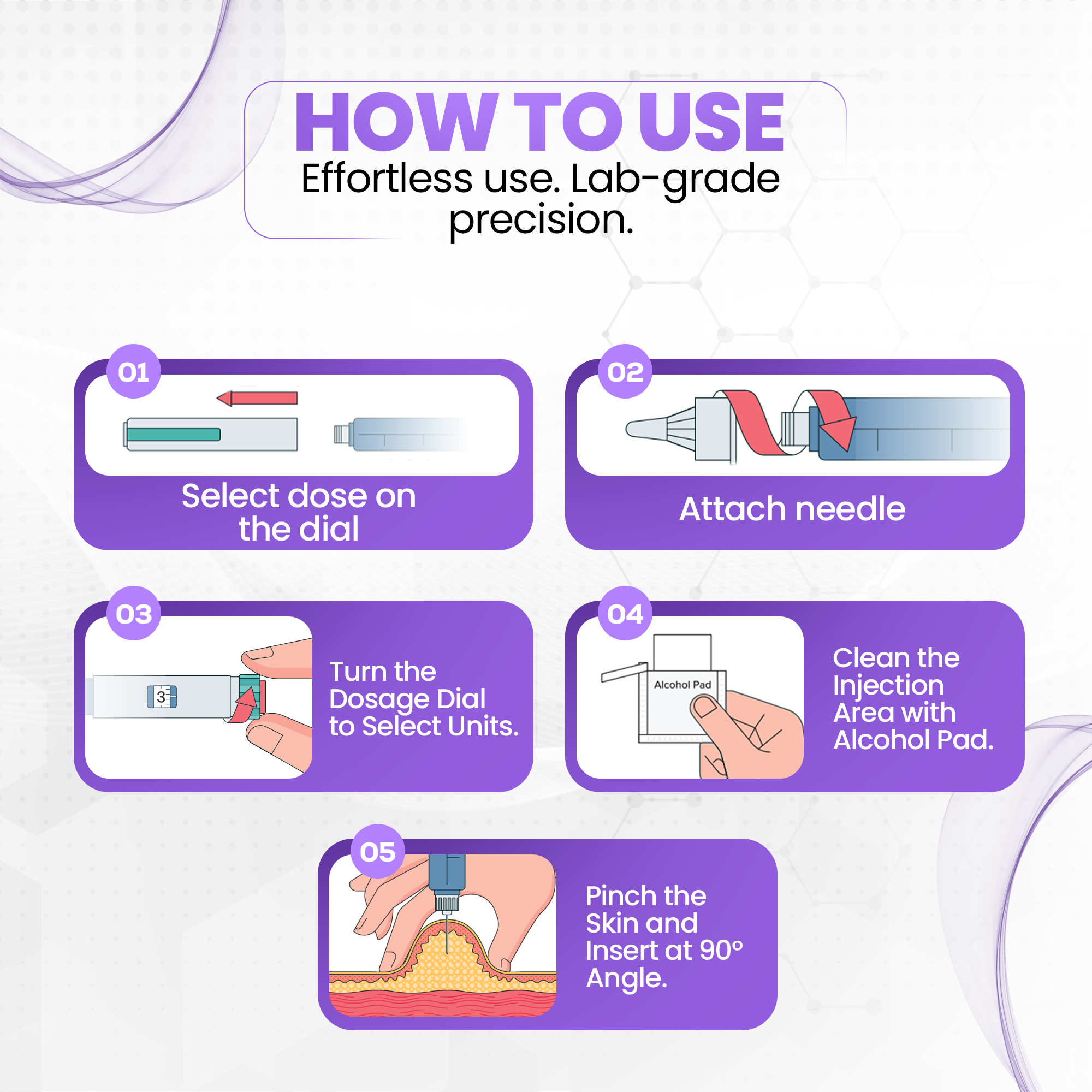
| Клик-към-доза | 1 клик = 0.333 mg |
| Пример(и) | 10 клика = 3.333 mg |
Дозировки и вариации на протоколи
Стандартен изследователски протокол
- Доза: 0.5 – 1.0 mg/kg
- Продължителност: 4 – 6 седмици
- Честота: Ежедневно
- Интервал на цикъла: 2 – 4 седмици пауза преди повторение
- Цел / Описание: Базови модели за активиране на AMPK при метаболитни и издръжливостни изследвания.
Терапевтичен изследователски протокол
- Доза: 1.0 – 2.0 mg/kg
- Продължителност: 4 – 8 седмици
- Честота: Ежедневно
- Интервал на цикъла: 4 седмици пауза преди повторение
- Цел / Описание: Изследвания с по-високи дози, насочени към усвояване на глюкоза и окисляване на липиди.
Биохакер протокол (експериментален)
- Доза: 0.25 – 0.5 mg/kg
- Продължителност: 6 – 8 седмици
- Честота: 3 – 5× седмично
- Интервал на цикъла: 2 седмици пауза
- Цел / Описание: Микродозиране за непрекъснати изследвания на митохондриите и издръжливостта.
Възможни странични ефекти
AICAR обикновено се понася добре в проучвания върху животни и в ограничени условия на човешки изследвания.
Докладваните странични ефекти са редки и обикновено леки:
- Преходно повишение на плазмените нива на лактат и пикочна киселина.
- Лека хипогликемия или колебания в кръвната захар по време на приложение.
- Главоболие или замайване, наблюдавани в ранни инфузионни проучвания.
- Локално дразнене на мястото на инжектиране в подкожни изследователски модели.
- Понижена сърдечна честота и леки хемодинамични промени в сърдечно-съдови изследователски протоколи.
Няма данни за хепатотоксични, нефротоксични или хормонални нежелани ефекти в наличните предклинични данни.
Характеристики на продукта
- CAS номер: 2627-69-2
- Молекулна формула: C9H14N4O8P
- Последователност (АК): N/A (нуклеотиден аналог, не е пептид)
- Молекулно тегло: 338.21 g/mol
- PubChem CID: 65110
- Период на полуразпад: ~30 минути (плазма)
- Синоними: Acadesine, ZMP прекурсор, 5-Aminoimidazole-4-carboxamide-1-β-D-ribofuranoside, AICA рибозид, AICA рибонуклеотид
- Тип: Синтетичен AMP аналог / AMPK активатор (малка молекула)
- Изследователски фокус: Метаболизъм и енергия, Възстановяване и представяне
Научни източници
- AMP-активирана протеин киназа: древен енергиен сензор разкрива съвременното разбиране на метаболизма Животни | In vitro
- AMPK и PPARdelta агонисти като миметици на физическо натоварване Животни | In vitro
- AMPK: контекстуален онкоген или туморен супресор? Животни | In vitro
- 5-аминоимидазол-4-карбоксамид рибозид повишава глюкозния транспорт и съдържанието на GLUT4 на клетъчната повърхност в скелетна мускулатура Животни | In vitro
- AICAR и метформин, но не физическо натоварване, увеличават мускулния глюкозен транспорт чрез AMPK-, ERK- и PDK1-зависимо активиране на нетипична PKC Животни | In vitro
- AICAR инхибира диференциацията на адипоцити в 3T3L1 и възстановява метаболитните промени при индуцирано от диета затлъстяване при мишки Животни | In vitro
- Забранителен списък на WADA – Хормонални и метаболитни модулатори (S4) Регулаторно
- Активирането на AMPK от AICAR намалява исхемичното увреждане и подобрява митохондриалната функция Животни | In vitro
Включено в кутията
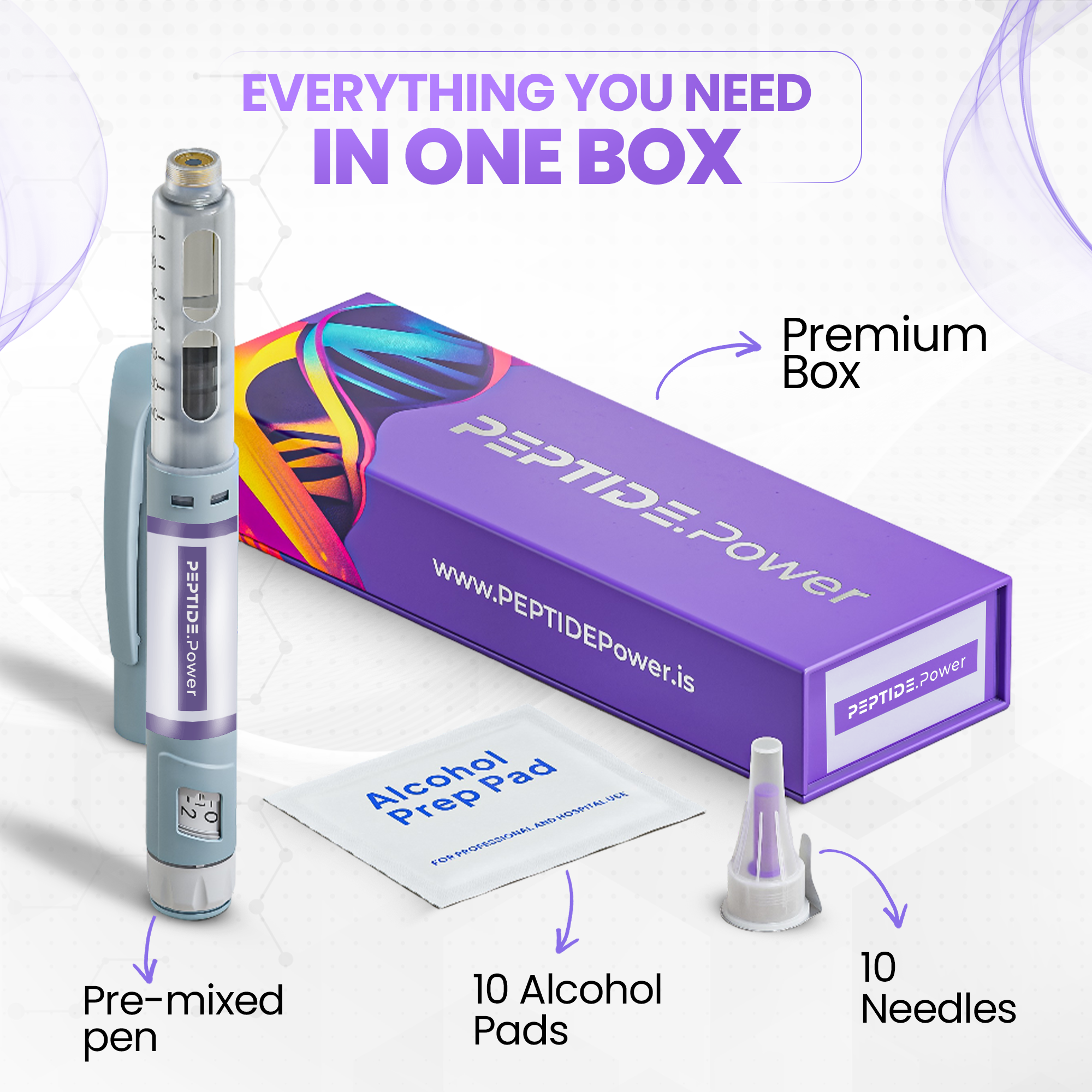
Всеки продукт пристига в премиум, специално проектирана кутия на PEPTIDE.Power, проектирана за удобство, хигиена и безопасно съхранение във вашия хладилник. Вътре ще намерите всичко необходимо за пълния ви изследователски протокол:
- 1× Еднократна предварително смесена инжекционна писалка
- Захранван от нашата патентована PSM Technology™ – прецизна система за стабилизация & смесване за постоянна ефикасност
- 10× Ултратънки игли (33G, 4 мм)
- 10× Спиртни тампони за стерилна подготовка
- Вътрешна стабилизираща дунапренова вложка за предотвратяване на разклащане по време на транспорт
- Панел с инструкции, отпечатан от вътрешната страна на кутията за бърза справка
- Стикер за защитен печат, гарантиращ, че опаковката не е отваряна или манипулирана
Съхранение
Съхранявайте продукта в хладилник при 1-7°C веднага след доставка. За да поддържате оптимална стабилност, дръжте писалката далеч от светлина и не я излагайте на повтарящи се температурни промени.
След като бъдат реконституирани (всички наши писалки са предварително смесени), изследователските съединения остават стабилни за 6-8 седмици при правилно съхранение в хладилник.
Не замразявайте след реконституция. Винаги дръжте кутията затворена, така че писалката, иглите и спиртните тампони да останат чисти и защитени.
За най-добри резултати използвайте продукта последователно в рамките на препоръчителния времеви прозорец и винаги следвайте вашия изследователски протокол.
Доставка
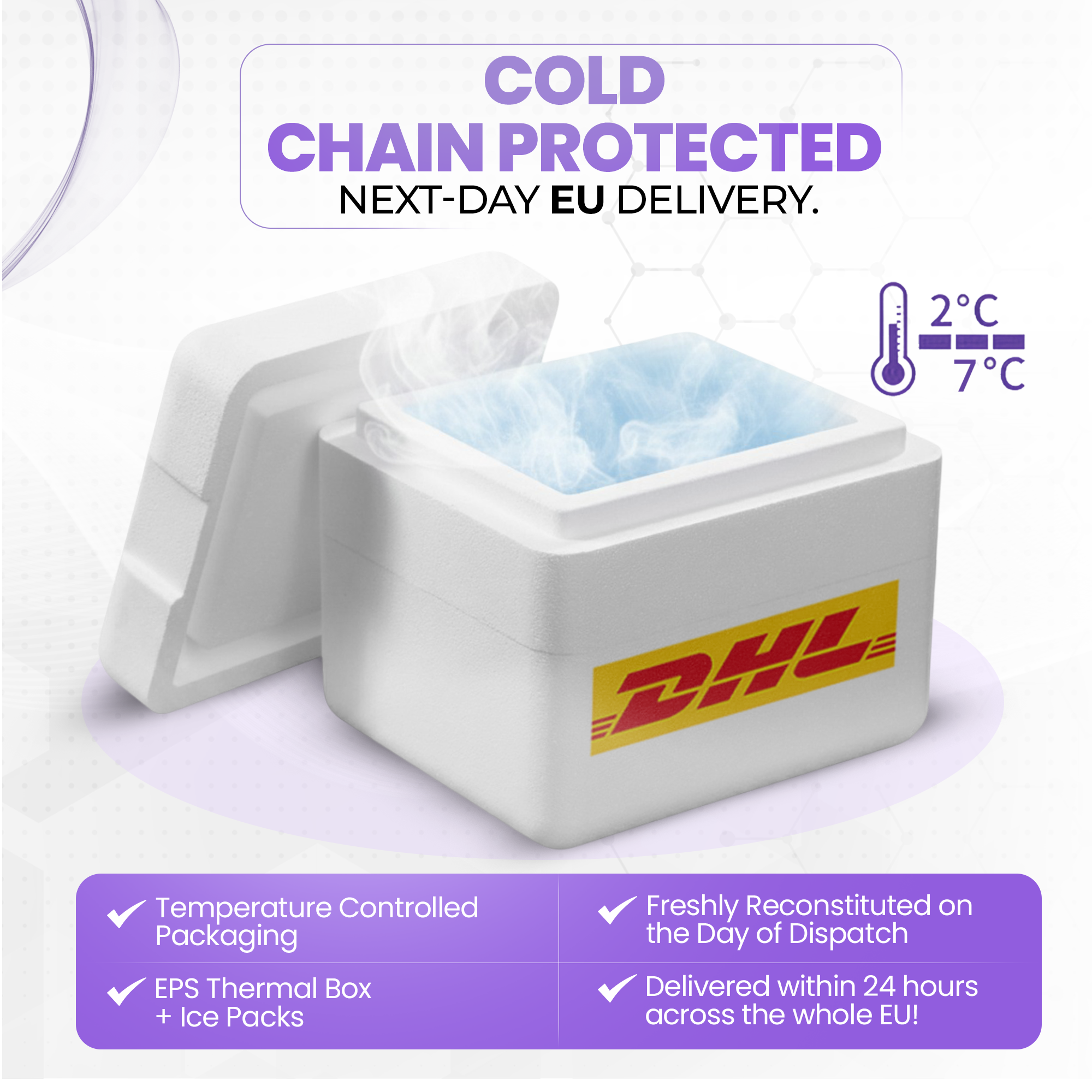
Изпращаме с Доставка в ЕС на следващия ден чрез DHL Express или UPS Express.
Всички поръчки се приготвят свежи в деня на изпращане, поставят се в EPS транспортни кутии за студена верига и се изпращат с охлаждащи елементи за поддържане на стабилна температура по време на целия път.
Нашият логистичен процес е проектиран така, че пратката да пристигне за една нощ, избягвайки митнически забавяния в рамките на Европейския съюз.
Продуктите се изпращат от нашето съоръжение в ЕС, осигурявайки без вносни мита, без митническо освобождаване и винаги бърза и сигурна доставка.
Плащане
Поради естеството на изследователските пептиди и категорията с висок риск, определена от платежните оператори, компаниите за кредитни карти не поддържат търговци в тази област.
Поради тази причина приемаме само банкови преводи.
В рамките на Европейския съюз, SEPA преводите са бързи, нискотарифни и обикновено пристигат в рамките на минути до няколко часа, което прави процеса на плащане гладък и прост.
След като преводът бъде получен, вашата поръчка се подготвя незабавно и се изпраща същия ден (в зависимост от часа на поръчка).
Този метод осигурява съответствие, сигурност и непрекъснатост на услугата за всички клиенти в целия ЕС.
Не намерихте отговор на въпроса си?
Вижте всички често задавани въпросиRELATED PRODUCTS


Blend Tesamorelin + Ipamorelin
Tesamorelin + Ipamorelin is a research blend combining a GHRH analog with a selective GHRP, investigated for its synergistic stimulation of endogenous growth hormone release. It is studied in experimental models for effects on body composition, lipolysis, and IGF-1 modulation without significant cortisol or prolactin elevation.


Humanin


MOTS-c

