

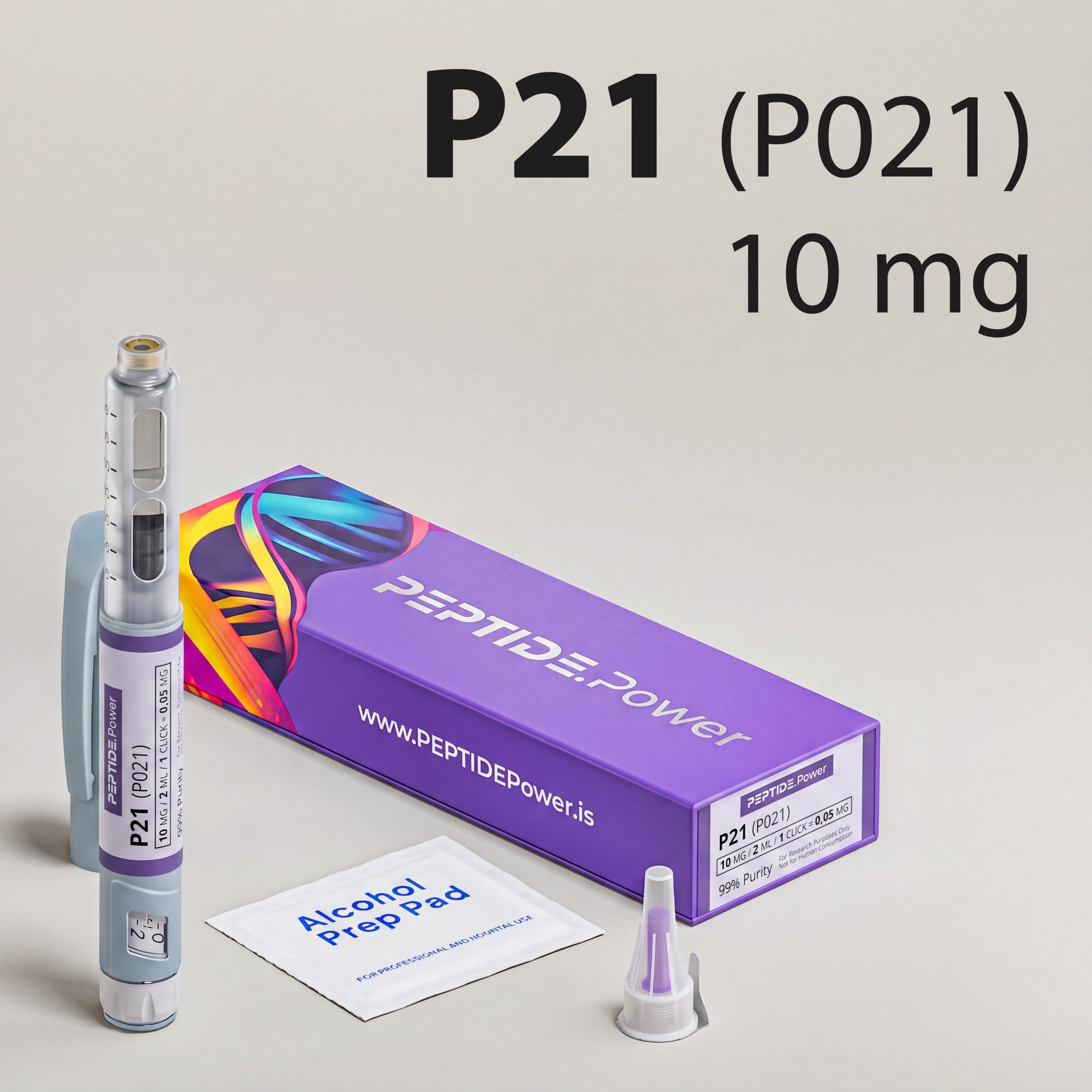



P21 (P021)
P21 is a synthetic tetrapeptide derived from a small active region of ciliary neurotrophic factor (CNTF), designed to cross the blood-brain barrier and engage neurotrophic signaling. It is investigated for its capacity to stimulate neurogenesis, support synaptic plasticity, and modulate pathways linked to cognitive function and neurodegeneration in experimental models.
77,00 €
Quality Certificates
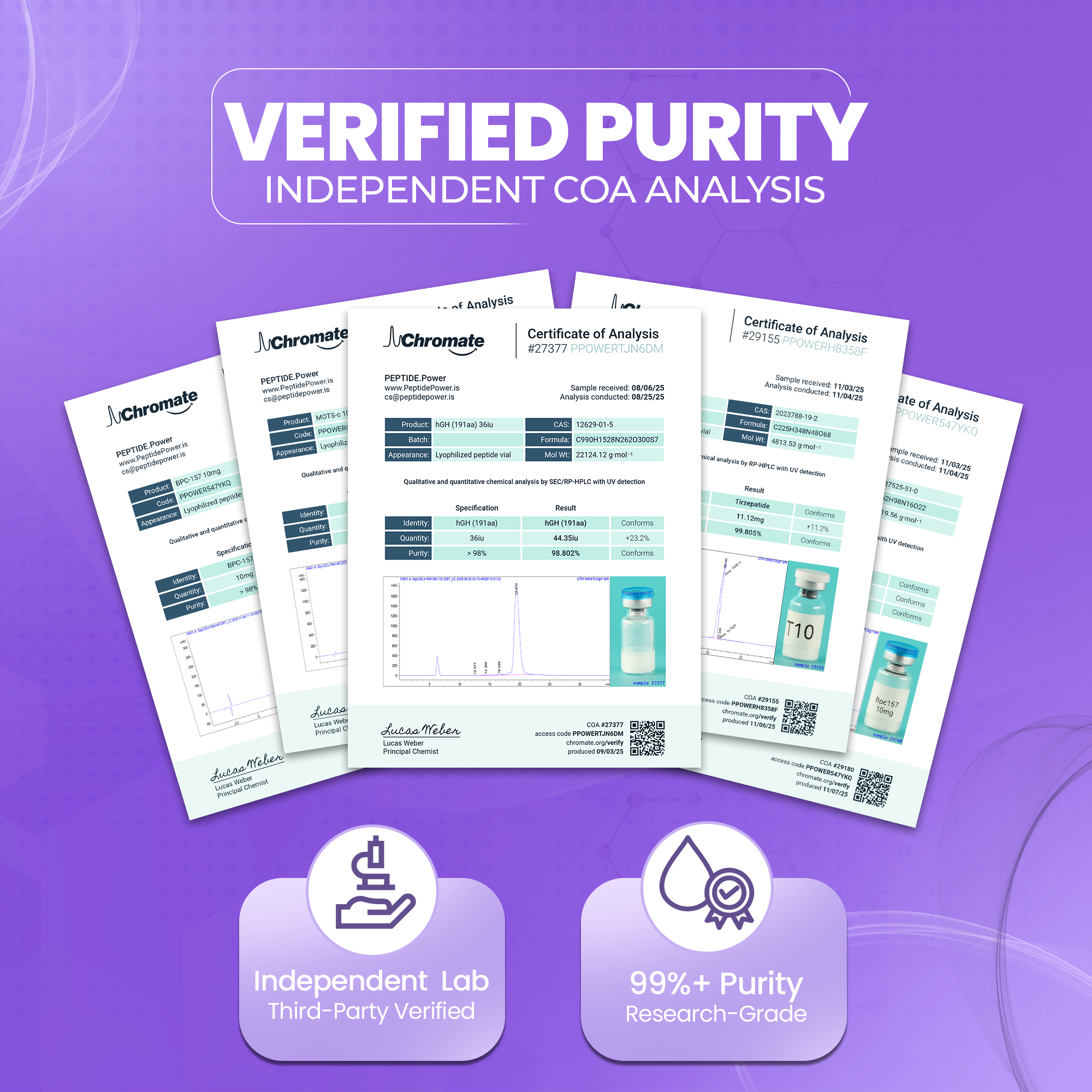
Independent third-party lab analysis (CoA) - from our own in-house brand.
📦Available in 2 stacks · save up to 101,00 €
Brain - Startsave 31,00 €View the stack →Brain - Advancedsave 101,00 €View the stack →P21 (P021) - Cognitive Function & Neurogenesis Research Peptide
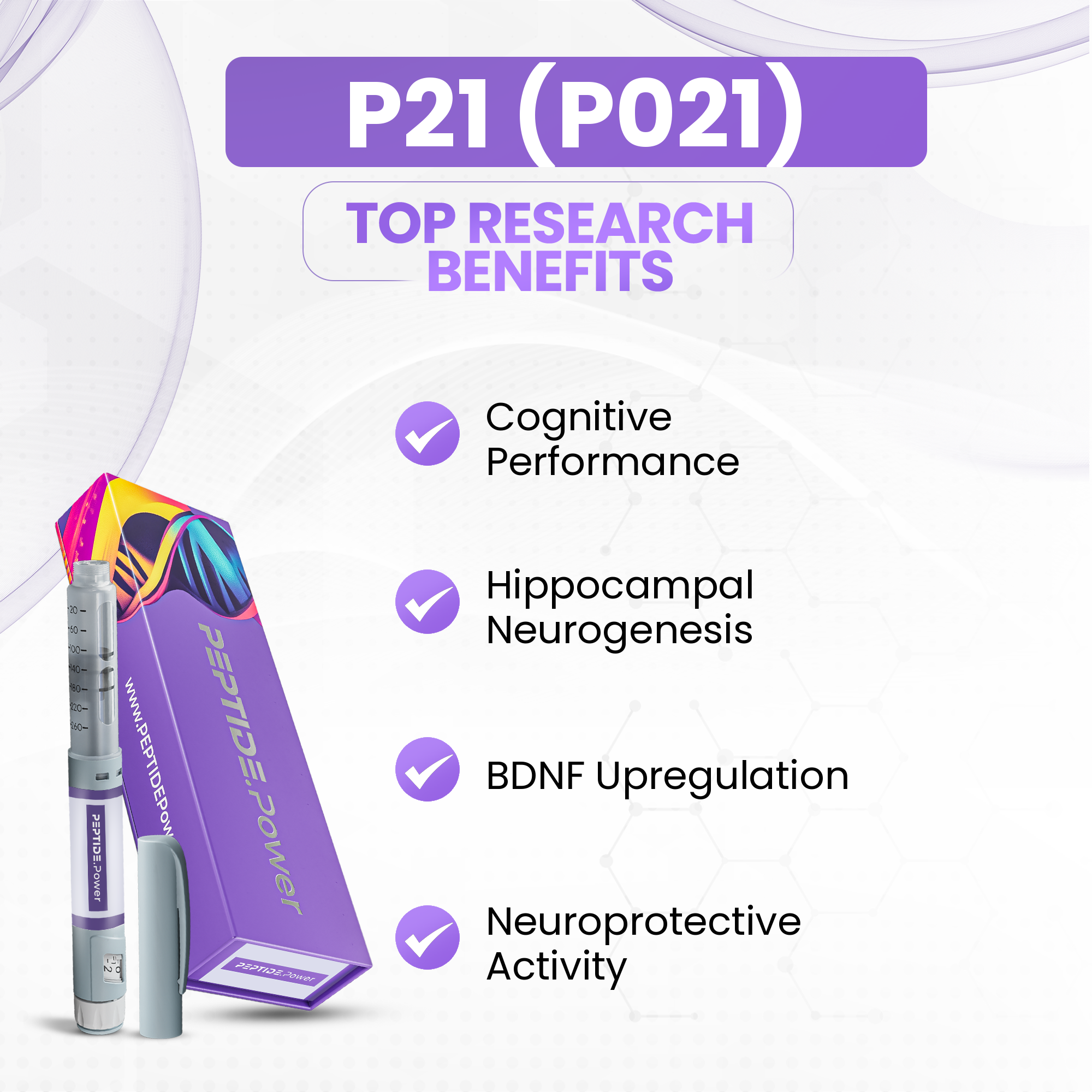
Supports learning and memory consolidation in rodent models of age-related cognitive decline.
Promotes neural progenitor proliferation and neuronal differentiation in the adult dentate gyrus.
Elevates brain-derived neurotrophic factor expression linked to synaptic strength and neuronal survival.
Shields neurons from amyloid-beta toxicity and oxidative stress in neurodegeneration models.
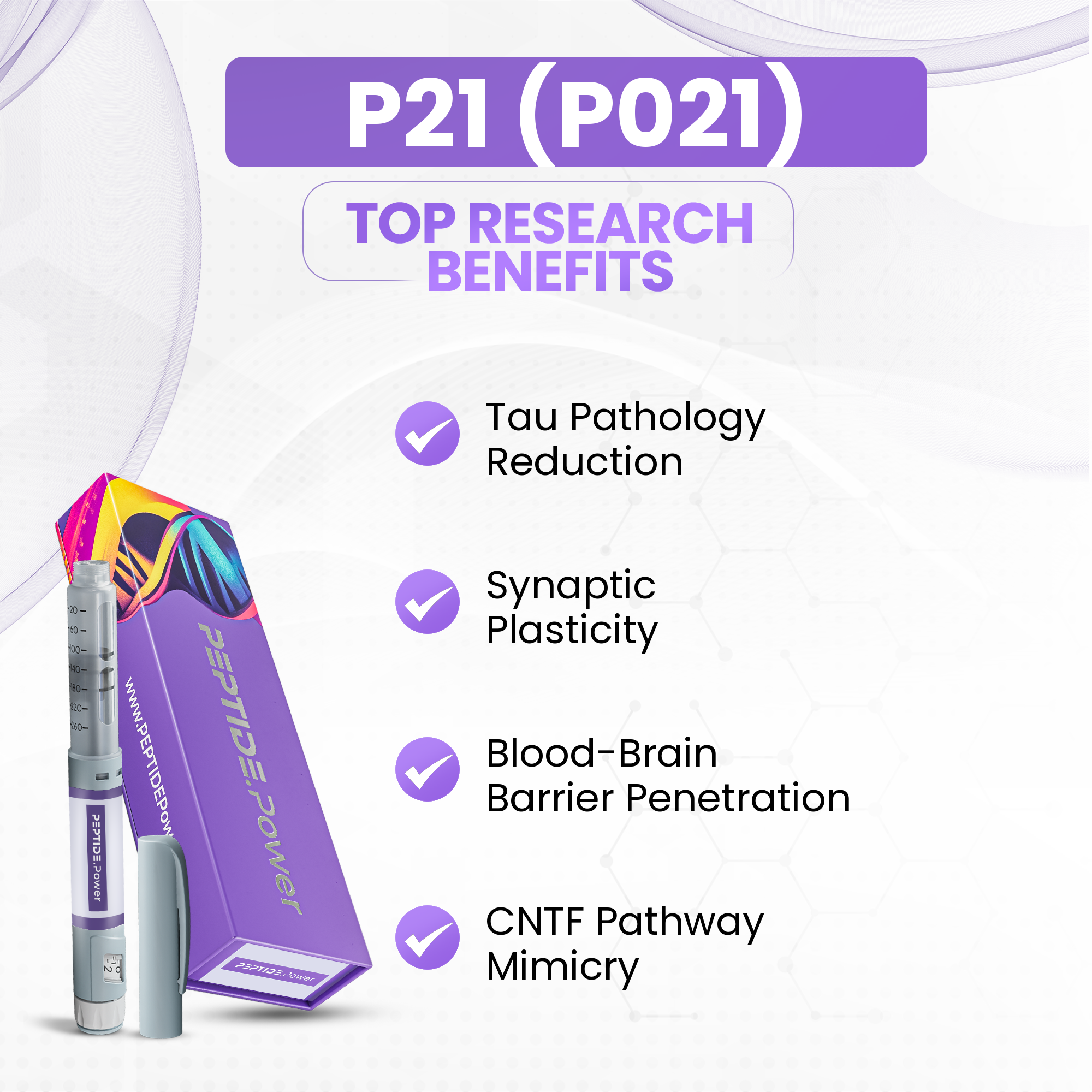
Decreases hyperphosphorylated tau by modulating tau-related kinases and phosphatases in preclinical studies.
Enhances synaptic communication and neuronal signaling through CNTF-mimetic neurotrophic pathway engagement.
Engineered tetrapeptide structure designed to cross the blood-brain barrier into central nervous tissue.
Replicates active region of ciliary neurotrophic factor to engage neurotrophic signaling cascades.
Description
P21 is a synthetic tetrapeptide derived from ciliary neurotrophic factor (CNTF), engineered to retain the neurogenic and neurotrophic activity of the parent molecule while crossing the blood-brain barrier. It is investigated for its ability to support adult neurogenesis, synaptic plasticity, and cognitive function in experimental models of neurodegeneration.
In preclinical research, P21 has been observed to stimulate hippocampal neurogenesis, enhance BDNF expression, and reduce tau hyperphosphorylation through modulation of leukemia inhibitory factor receptor (LIFR) signaling and downstream JAK/STAT pathways. These mechanisms have been linked with improvements in spatial memory, learning capacity, and neuronal survival in rodent models of Alzheimer’s disease and Down syndrome.
Additional studies suggest P21 may exert neuroprotective effects against amyloid-beta toxicity and age-related synaptic decline, supporting its role as a candidate compound in cognitive aging research and neurodegenerative disease modeling.
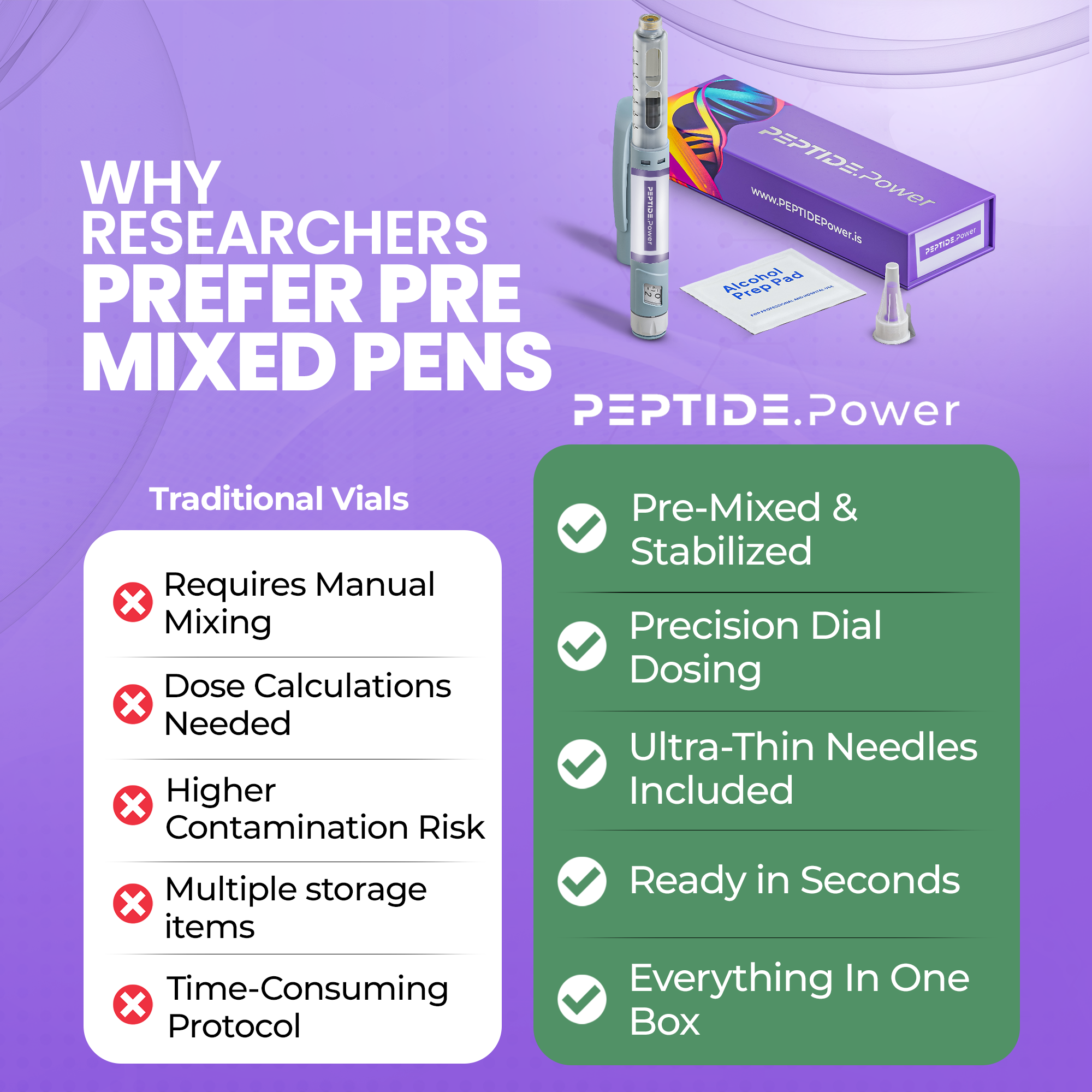
Formulated in a pre-mixed, ready-to-use pen, P21 is supplied for subcutaneous or intranasal administration in controlled laboratory settings, offering stable handling and precise experimental dosing.
Clinical Status:
P21 is a research peptide evaluated exclusively in preclinical animal and in vitro studies focused on neurogenesis, synaptic plasticity, and cognitive decline. It is not approved for medical use and remains restricted to experimental and laboratory research.
Evidence type:
Human RCT ☐ | Observational ☐ | Animal ✔ | In vitro ✔ | Regulatory ☐
Mechanism of Action
P21 exerts its activity by mimicking the active region of ciliary neurotrophic factor (CNTF), binding to CNTF receptors to activate downstream survival pathways. This stimulates brain-derived neurotrophic factor (BDNF) expression, enhancing neuronal plasticity and synaptic function. P21 also inhibits leukemia inhibitory factor (LIF) signaling, supporting hippocampal neurogenesis and reducing tau phosphorylation in research models.
Benefits
- Cognitive Function Support:
P21 has been investigated in rodent models for its ability to support learning, memory consolidation, and overall cognitive performance. Research suggests that its mimicry of CNTF activity contributes to improved synaptic plasticity and neuronal communication. These findings have positioned P21 as a notable subject in studies focused on age-related cognitive decline and memory-related research models. - Neurogenesis Stimulation:
A central focus in P21 research is its ability to promote adult hippocampal neurogenesis, the formation of new neurons in the dentate gyrus. Experimental models have observed increased proliferation of neural progenitor cells and enhanced neuronal differentiation following P21 administration. This makes the peptide a key candidate in studies exploring neuroregeneration and brain plasticity. - BDNF Upregulation:
P21 has been reported to elevate levels of brain-derived neurotrophic factor (BDNF), a critical mediator of synaptic strength and neuronal survival. Research models indicate that increased BDNF expression following P21 exposure correlates with improved memory formation and resilience of neural networks. This pathway is one of the most studied mechanisms underlying P21’s neurotrophic profile. - Neuroprotective Activity:
In experimental models of neurodegeneration, P21 has been observed to protect neurons against amyloid-beta toxicity, oxidative stress, and tau-related pathology. Studies in Alzheimer-like rodent models report reduced neuronal loss and preserved cognitive function. These observations have made P21 a frequent subject in neuroprotection research and degenerative disease modeling. - Reduction of Tau Pathology:
P21 research has shown notable reductions in hyperphosphorylated tau, a hallmark of several neurodegenerative conditions. By modulating tau-related kinases and phosphatases, the peptide appears to influence pathological aggregation in experimental Alzheimer’s disease models. This positions P21 within the broader landscape of tauopathy-focused preclinical research. - Synaptic Plasticity Enhancement:
Research suggests that P21 supports long-term potentiation (LTP), a key cellular process underlying learning and memory. Animal studies have reported improved synaptic density and dendritic spine formation in the hippocampus following peptide administration. These changes are believed to underpin the cognitive improvements observed across multiple P21 research models. - Mood and Behavioral Modulation:
Preclinical models have observed reductions in depressive-like and anxiety-like behaviors following P21 exposure, often linked to its neurotrophic and BDNF-mediated effects. Increased hippocampal neurogenesis is thought to contribute to these behavioral outcomes. As a result, P21 has entered research focused on the intersection of neurogenesis and mood regulation. - Aging-Related Cognitive Research:
P21 is studied as a potential candidate in aging models due to its capacity to restore neurogenic activity that typically declines with age. Aged rodents administered P21 have shown improvements in spatial learning, memory recall, and overall hippocampal function. These observations have made the peptide a recurring focus of cognitive longevity and brain-aging research.
Research Data
| Study / Model | Reported effect |
|---|---|
| Aged rat hippocampus | ↑ BDNF expression, ↑ neurogenesis, improved spatial memory performance |
| 3xTg-AD Alzheimer’s mouse model | ↓ tau hyperphosphorylation, ↓ amyloid-β pathology, preserved cognitive function |
| Down syndrome mouse model (Ts65Dn) | Restored dentate gyrus neurogenesis and rescued learning deficits |
| Streptozotocin-induced cognitive impairment (rats) | ↑ synaptic plasticity markers, ↓ neuroinflammation, improved memory retention |
| In vitro neuronal cultures | ↑ CREB phosphorylation and BDNF/TrkB signaling activity |
| Traumatic brain injury rodent model | ↓ neuronal loss, ↑ dendritic spine density in hippocampal regions |
Stack Suggestions
P21 is often combined in research with:
- P21 + Cerebrolysin → Synergistic neurotrophic support via complementary BDNF and CREB pathway activation.
- P21 + Semax → Enhances cognitive and neuroprotective effects through dual neurotrophin modulation.
- P21 + Dihexa → Combines synaptogenic and neurogenic mechanisms for cognitive research models.
- P21 + NAD+ → Supports neuronal energy metabolism alongside neurotrophic signaling.
⚠ Stacks are for experimental design only; not safety or efficacy guidance.
Pen Dosage Chart
| P21 Pen 10 mg | |
| Volume | 2 mL |
| mg/mL | 5 mg/mL |
| Click-to-Dose | 1 click = 0.05 mg |
| Example(s) | 10 clicks = 0.5 mg |
Dosage & Protocols Variations
Standard Research Protocol
- Dose: 0.5 – 1.0 mg
- Duration: 4 – 8 weeks
- Frequency: Daily, oral or intranasal
- Cycle Interval: 2 – 4 weeks off before repeating
- Goal / Description: Baseline cognitive and neurotrophic research applications.
Neuroprotective Research Protocol
- Dose: 1.0 – 2.0 mg
- Duration: 8 – 12 weeks
- Frequency: Daily
- Cycle Interval: 4 weeks off before repeating
- Goal / Description: Extended-duration models targeting BDNF upregulation and neurogenesis.
Biohacker Protocol (experimental)
- Dose: 0.25 – 0.5 mg
- Duration: Continuous
- Frequency: 5 days on, 2 days off
- Cycle Interval: Continuous with weekly pause
- Goal / Description: Low-dose continuous exposure for long-term cognitive research models.
Possible Side Effects
P21 is generally well-tolerated in preclinical and animal studies.
Reported side effects are rare and mild:
- Mild transient fatigue or drowsiness during initial dosing periods.
- Localized irritation or redness at injection site.
- Occasional headache or lightheadedness reported in sensitive subjects.
- Subtle mood fluctuations during early adaptation phase.
No evidence of neurotoxic, hepatic, or systemic adverse effects has been observed in available research data.
Product Attributes
- CAS #: 1786injectable research peptide identifier (see PubChem)
- Molecular Formula: C21H28N6O6
- Sequence (AA): Ac-DGGL-amide
- Molecular Weight: ~464.5 g/mol
- Half-Life: ~2-4 hours (estimated in preclinical models)
- Synonyms: P021, Peptide 021, CNTF-derived tetrapeptide, Ac-DGGLAG
- Type: Synthetic research peptide (CNTF mimetic, neurotrophic fragment)
- Research Focus: Cognitive & Neurological, Longevity & Cellular Health
Scientific References
- Neurogenic and neurotrophic effects of BDNF peptides in mouse hippocampal primary neuronal cell cultures Animal | In vitro
- A small molecule peptide inhibitor of amyloid plaque, oxidative stress, and neuronal loss Animal | In vitro
- Ciliary neurotrophic factor derived peptide P021 ameliorates plaque pathology and improves cognition in Alzheimer disease mouse model Animal
- Neurotrophic peptide P021 rescues hippocampal neurogenesis and synaptic plasticity in a tauopathy mouse model Animal | In vitro
- P021 rescues tau pathology and behavioral deficits in a mouse model of tauopathy by inhibiting GSK-3β Animal
- Neurotrophic compound P021 reduces neuroinflammation and enhances cognitive function in aged rats Animal
- Peptidomimetic P021 promotes neurogenesis and reduces glycogen synthase kinase-3 activity in Down syndrome models Animal | In vitro
- CNTF-derived peptide rescues synaptic and cognitive deficits in a 3xTg-AD model Animal
Included In The Box
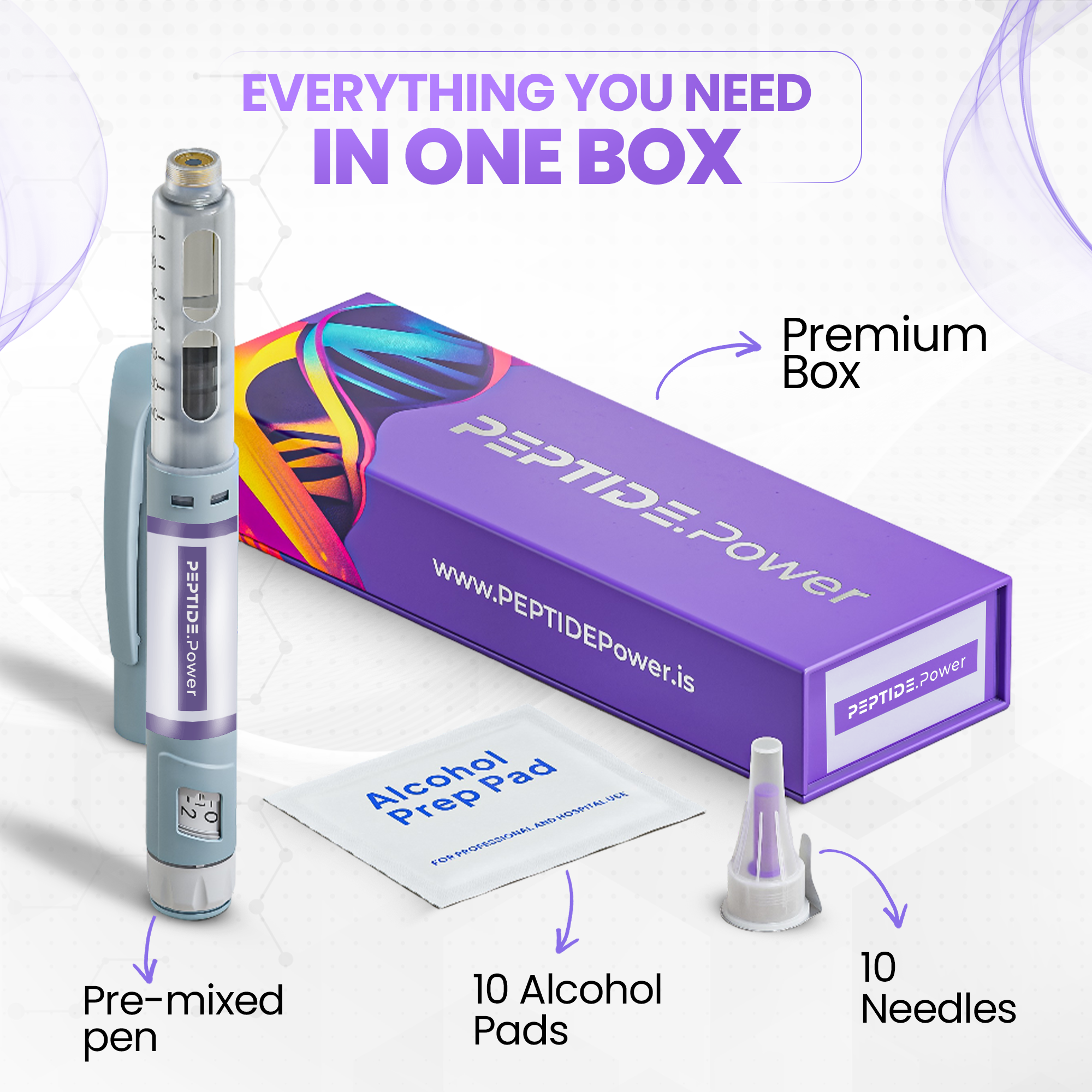
Every product arrives in a premium, custom-designed PEPTIDE.Power box, engineered for convenience, hygiene, and safe storage in your refrigerator. Inside, you will find everything needed for your full research protocol:
- 1× Disposable Pre-Mixed Injection Pen
- Powered by our proprietary PSM Technology™: precision stabilization & mixing system for consistent potency
- 10× Ultra-thin Needles (33G, 4 mm)
- 10× Alcohol Pads for sterile preparation
- Internal Stabilizing Foam Insert to prevent shaking during transport
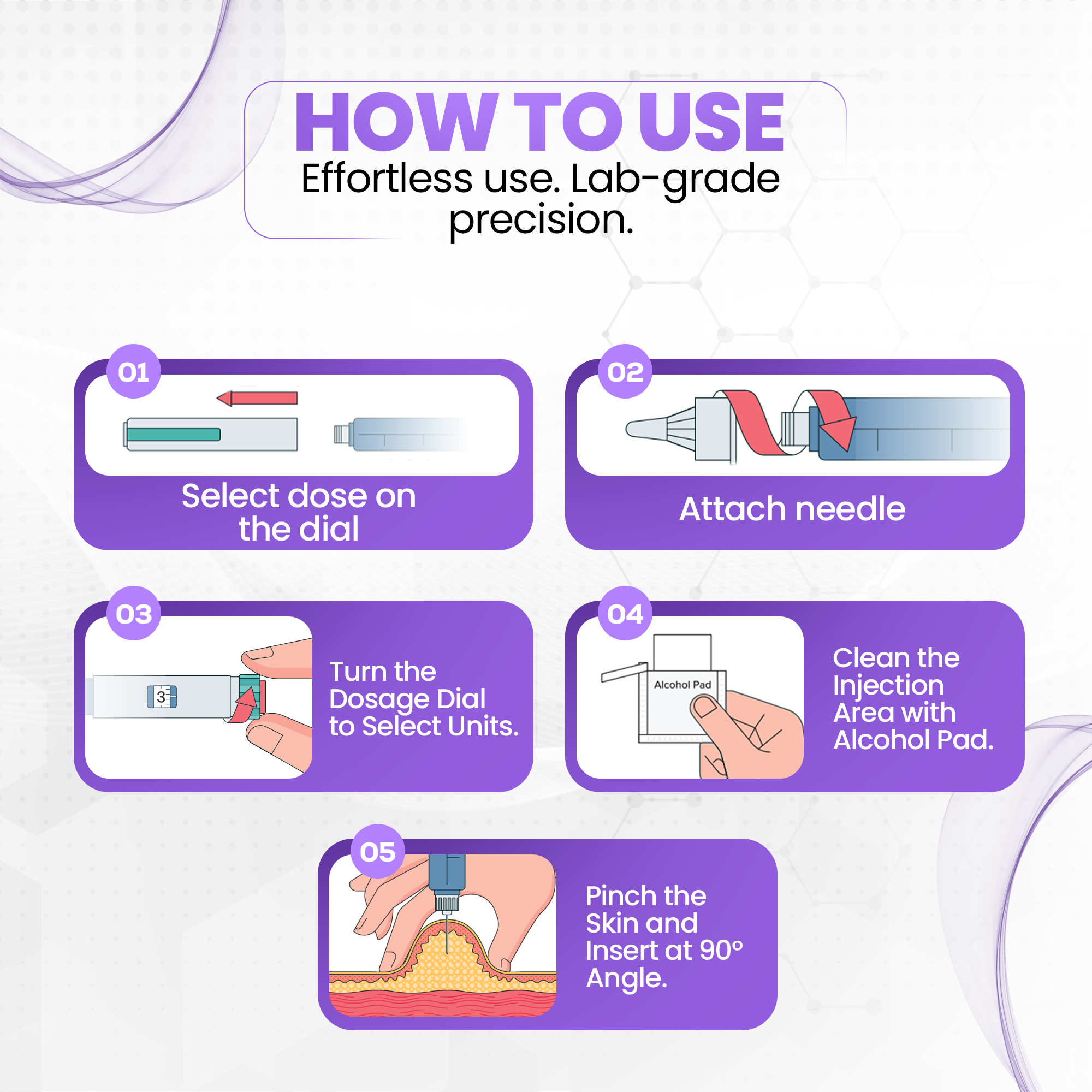
- Instruction Panel printed on the inside of the box for quick reference
- Security Seal Sticker ensuring the package has not been opened or tampered with
Storage
Store the product in a refrigerator at 1-8°C immediately upon delivery. To maintain optimal stability, keep the pen away from light, and do not expose it to repeated temperature changes.
Once reconstituted (all our pens come pre-mixed), research compounds remain stable for 6-8 weeks under proper refrigeration.
Do not freeze after reconstitution. Always keep the box closed so the pen, needles, and alcohol pads stay clean and protected.
For best results, use the product consistently within the recommended time window and always follow your research protocol.
Delivery
We ship with Next-Day EU Delivery via DHL Express or UPS Express.
All orders are prepared fresh on the day of dispatch, placed in EPS Cold-Chain Transport Boxes, and shipped with cooling elements to maintain a stable temperature throughout the journey.
Our logistics process is designed so the package arrives overnight, avoiding customs delays inside the European Union.
Products are shipped from our EU facility, ensuring no import duties, no customs clearance, and always fast and secure delivery.
Payment
Due to the nature of research peptides and the high-risk category assigned by payment processors, credit card companies do not generally support merchants in this field.
For this reason, we accept mainly Bank Transfers.
We also work with a crypto payment provider, and from time to time, card payments may be available depending on processor availability.
Within the European Union, SEPA transfers are fast, low-cost, and usually arrive within minutes to a few hours, making the payment process smooth and simple.
Once the transfer is received, your order is prepared immediately and dispatched the same day, depending on the daily cut-off time.
Please note that we do not dispatch shipments on Fridays or on days before official public holidays. This is done to ensure that parcels can be delivered on the next working day and are not held in transit over weekends or holidays.
This method ensures compliance, security, and continuity of service for all customers across the EU.
Didn't find the answer to your question?
View all frequently asked questionsRELATED PRODUCTS


Epithalon


Oxytocin


PT-141 (Bremelanotide)


Selank

