

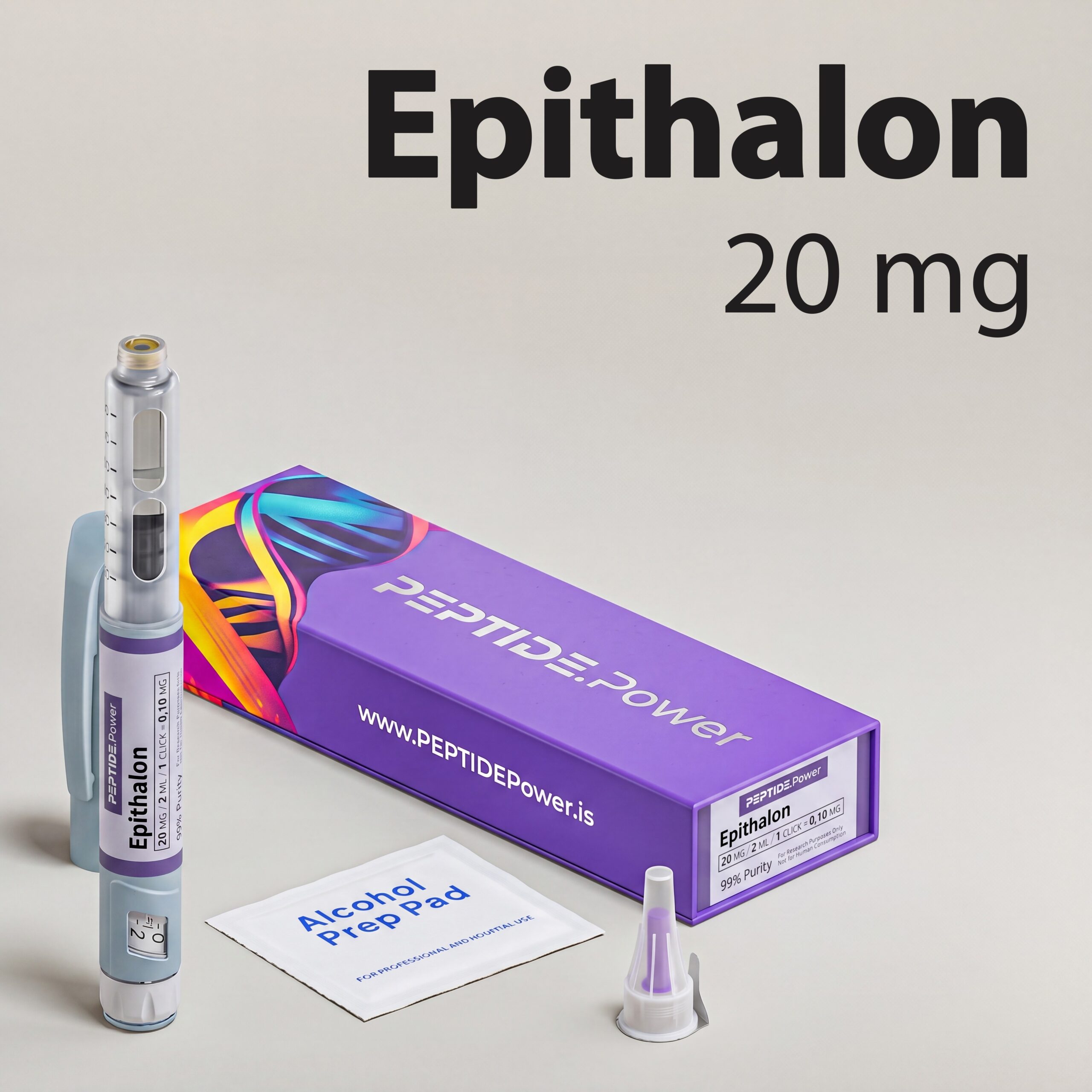




Epithalon
Epithalon (Epitalon) is a synthetic tetrapeptide studied for its potential role in telomerase activation and cellular aging regulation. Derived from epithalamin research, it has been investigated in models of telomere biology and pineal gland signaling. In experimental contexts, Epithalon is explored for its influence on cellular longevity pathways, melatonin regulation, and genomic stability mechanisms. Intended strictly for laboratory and research use.
61,00 €
Quality Certificates
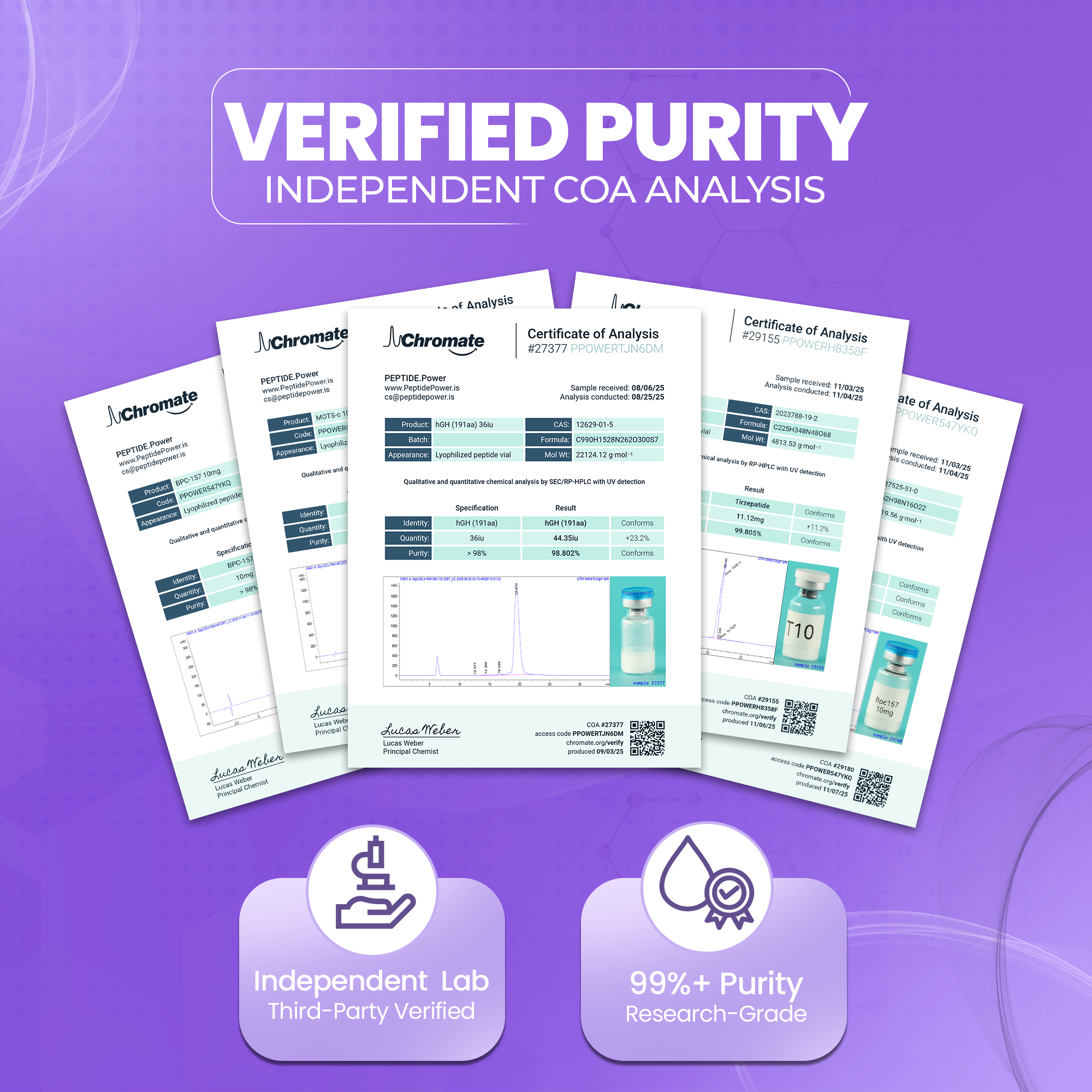
Independent third-party lab analysis (CoA) - from our own in-house brand.
📦Available in 7 stacks · save up to 170,00 €
Cell Renewal - Startsave 54,00 €View the stack →Longevity - Startsave 52,00 €View the stack →Longevity - Advancedsave 131,00 €View the stack →Sleep - Startsave 32,00 €View the stack →Sleep - Advancedsave 98,00 €View the stack →Glow - Startsave 46,00 €View the stack →Glow - Advancedsave 170,00 €View the stack →Epithalon - Telomerase Activation & Cellular Aging
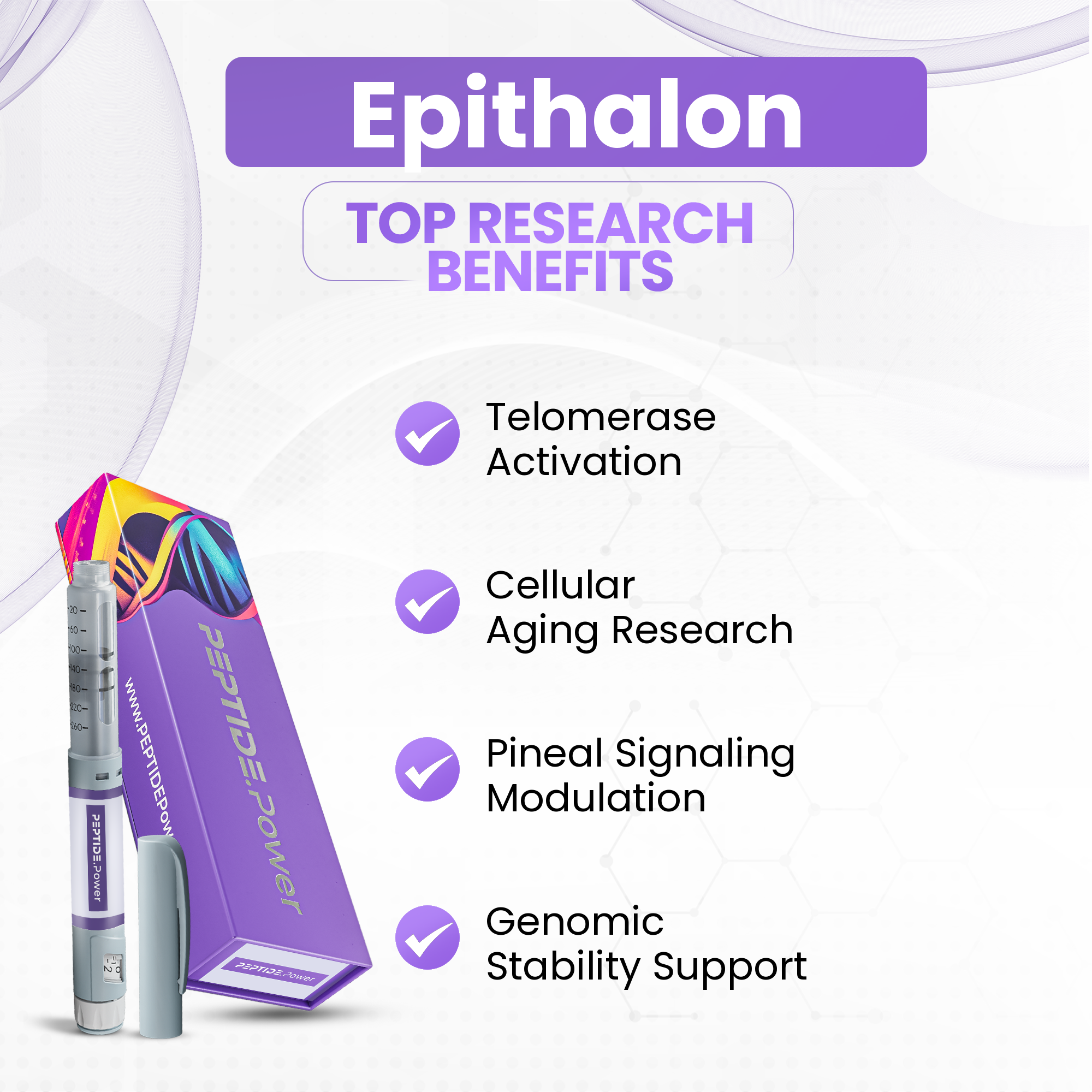
Studied for telomere length regulation
Explored in senescence models
Influences neuroendocrine pathways
Engages chromosomal protection mechanisms
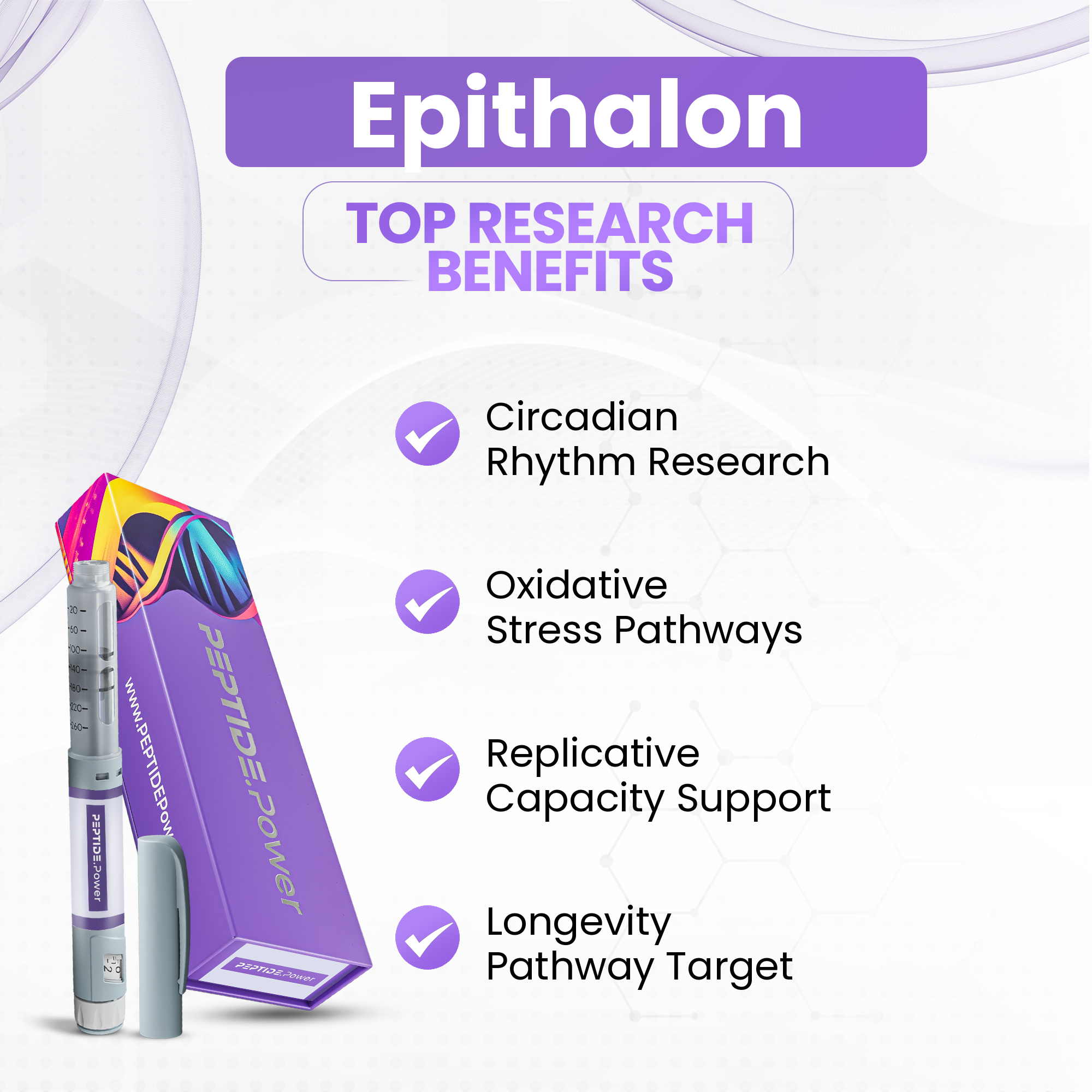
Studied in melatonin regulation models
Investigated in cellular stress response
Influences cellular division biology
Explored in lifespan-related research
Description
Epithalon is a synthetic tetrapeptide (Ala-Glu-Asp-Gly) derived from research on epithalamin, a pineal gland extract studied in aging biology. The peptide has been investigated for its potential ability to activate telomerase, the enzyme responsible for maintaining telomere length. Telomeres are protective caps at the ends of chromosomes that shorten during cellular replication.
In preclinical and regional human studies, Epithalon has been examined for its influence on telomere dynamics, pineal function, and age-associated cellular markers. Research domains include cellular senescence, circadian regulation, and longevity-focused molecular investigations.
Clinical Status
Human RCT ▣ | Observational ▣ | Animal ✔ | In vitro ✔
Primarily studied in preclinical and regional aging research contexts, with limited exploratory human data.
Mechanism of Action
Epithalon is studied for its potential to activate telomerase, an enzyme that helps maintain telomere length in dividing cells. By influencing telomere biology, it is explored in research focused on cellular aging and genomic stability.
Benefits
- Investigated for telomerase activation and telomere maintenance:
Telomeres shorten progressively with each cell division, eventually contributing to replicative senescence. Epithalon has been studied for its potential to increase telomerase activity, the enzyme responsible for extending telomeric DNA sequences. In laboratory models, activation of telomerase is associated with delayed cellular aging markers. By influencing this enzymatic pathway, Epithalon is positioned within telomere biology research. - Supports genomic stability research:
Telomere shortening can lead to chromosomal instability and altered gene expression. Maintaining telomere length is associated with preservation of genomic integrity in experimental systems. Epithalon is explored for its influence on chromosomal end protection mechanisms, contributing to investigation of cellular stability pathways. - Engages cellular senescence pathways:
Cellular senescence is characterized by growth arrest and altered gene expression. Telomerase modulation may influence the timing of senescence onset in dividing cells. Epithalon is studied within models examining how telomere dynamics interact with aging-associated signaling networks. - Influences pineal gland and circadian regulation research:
Epithalon originates from research on epithalamin, associated with pineal gland activity. The pineal gland regulates melatonin secretion and circadian rhythms. Modulation of pineal-related signaling pathways connects Epithalon to neuroendocrine aging research domains. - Examined in oxidative stress response models:
Oxidative stress contributes to telomere shortening and cellular damage. Experimental systems investigating Epithalon often evaluate oxidative stress markers alongside telomere dynamics. This positions the peptide within broader cellular resilience research frameworks. - Studied in replicative lifespan models:
By influencing telomerase activity, Epithalon has been examined in cellular models assessing replicative potential. Increased replicative capacity is linked to extended cellular lifespan in controlled laboratory conditions. These findings support its inclusion in experimental longevity research discussions. - Targets aging biology at the chromosomal level:
Unlike hormonal peptides that act on membrane receptors, Epithalon operates at the genomic regulation level. Its focus on telomere biology differentiates it from endocrine modulators. This molecular positioning places it within high-level aging research rather than metabolic or anabolic categories. - Supports integrated longevity pathway investigation:
Aging is influenced by interconnected processes including telomere shortening, oxidative stress, and circadian disruption. Epithalon is studied as a multi-pathway modulator within this framework. Its role in telomere and pineal research integrates genomic and neuroendocrine perspectives in experimental aging models.
Research Data
| Study / Model | Reported effect |
|---|---|
| Human somatic cell culture | ↑ Telomerase activity, ↑ telomere length in dividing cells |
| Aged mice longevity studies | Extended median lifespan, ↓ age-related tumor incidence |
| Pineal gland animal models | Restored melatonin secretion rhythm, normalized circadian markers |
| Elderly human observational cohort | Improved sleep architecture, ↑ nocturnal melatonin levels |
| Retinal degeneration rat model | ↓ Photoreceptor loss, preserved retinal pigment epithelium |
| Oxidative stress in vitro assays | ↓ Lipid peroxidation, ↑ antioxidant enzyme expression |
| Immunosenescence rodent studies | Restored T-cell function, normalized thymic activity |
Stack Suggestions
Epithalon is often combined in research with:
- Epithalon + BPC-157 → Pairs telomere-related research with tissue regeneration and cytoprotective pathways.
- Epithalon + GHK-Cu → Combines telomerase-focused research with extracellular matrix and skin aging models.
- Epithalon + NAD+ → Explores intersecting pathways of cellular aging, mitochondrial function, and genomic stability.
- Epithalon + Thymalin → Investigates combined pineal, thymic signaling in immunosenescence research.
⚠ Stacks are for experimental design only; not safety or efficacy guidance.
Pen Dosage Chart
| Epithalon Pen 20 mg | |
|---|---|
| Volume | 2 mL |
| mg/mL | 10 mg/mL |
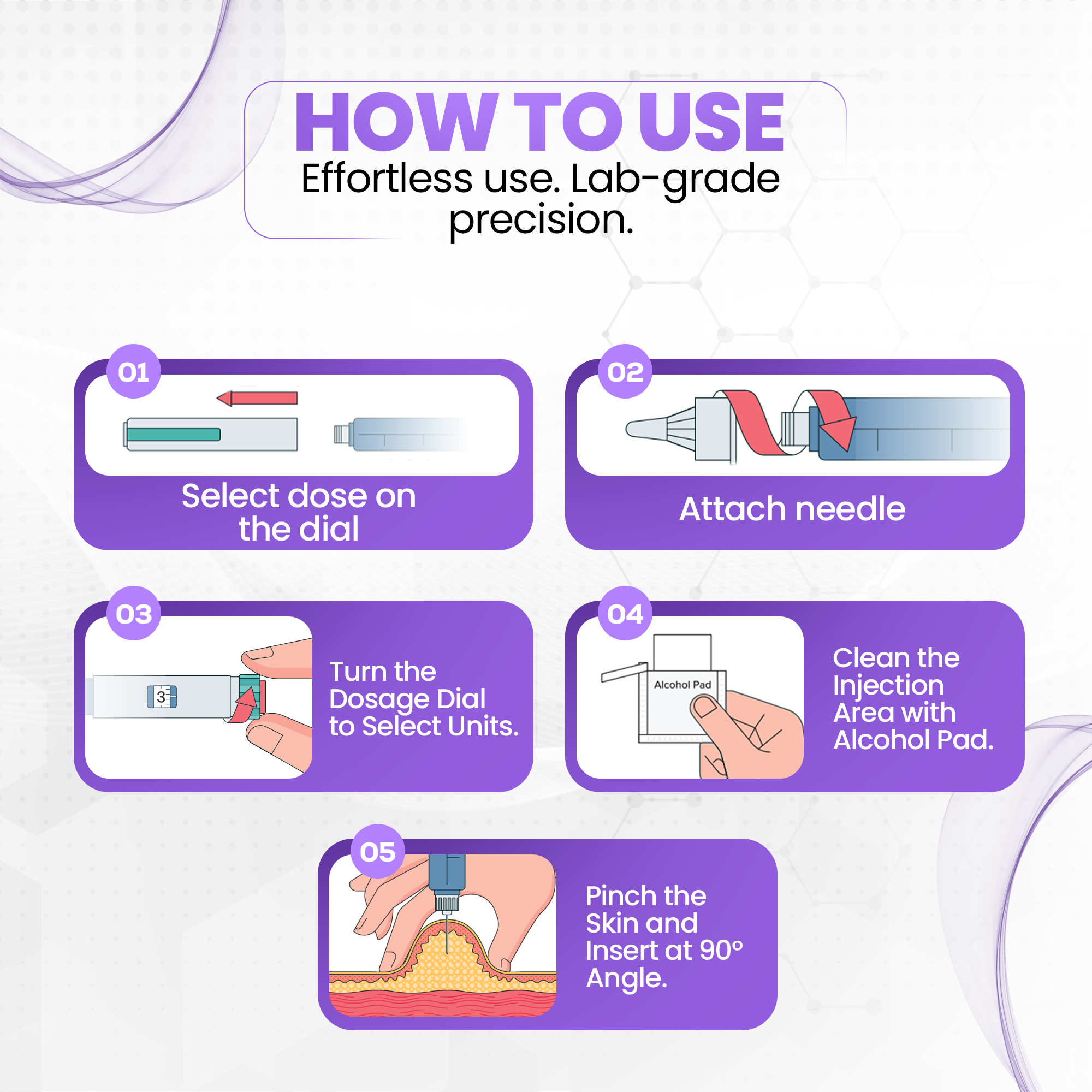
| Click-to-Dose | 1 click = 0.1 mg |
| Example(s) | 10 clicks = 1 mg |
Dosage & Protocols Variations
Standard Research Protocol
- Dose: 5 – 10 mg (= 50-100 clicks)
- Duration: 2 – 3 weeks
- Frequency: Daily
- Cycle Interval: 4 – 6 months off before repeating
- Goal / Description: Baseline protocol used in telomerase activation and cellular aging models.
Therapeutic Research Protocol
- Dose: 10 – 20 mg (= 100-200 clicks)
- Duration: 10 – 20 days
- Frequency: Daily or split into two administrations
- Cycle Interval: 3 – 6 months off before repeating
- Goal / Description: Higher-dose schedule explored in longevity and pineal signaling research.
Biohacker Protocol (experimental)
- Dose: 2 – 5 mg (= 20-50 clicks)
- Duration: 4 – 6 weeks
- Frequency: 5 days per week
- Cycle Interval: 2 – 3 months off before repeating
- Goal / Description: Microdose continuous approach in experimental aging models.
Possible Side Effects
Epithalon is generally well-tolerated in preclinical and limited human observational studies.
Reported side effects are rare and typically mild:
- Transient drowsiness or mild fatigue following administration.
- Localized irritation, redness, or tenderness at injection site.
- Occasional mild headache during initial dosing periods.
- Temporary changes in sleep patterns linked to pineal signaling modulation.
No evidence of hormonal, hepatic, or systemic adverse effects has been observed in available research data.
Product Attributes
- CAS #: 307297-39-8
- Molecular Formula: C14H22N4O9
- Sequence (AA): AEDG
- Molecular Weight: 390.35 g/mol
- PubChem CID: 219042
- Half-Life: ~30 minutes
- Synonyms: Epitalon, Epithalone, Ala-Glu-Asp-Gly, AEDG peptide
- Type: Synthetic research tetrapeptide (pineal-derived analog)
- Research Focus: Longevity & Cellular Aging, Telomere Biology
Scientific References
- Peptide promotes overcoming of the division limit in human somatic cell In vitro
- Epithalon peptide induces telomerase activity and telomere elongation in human somatic cells In vitro
- Inhibition of development of spontaneous mammary tumors in mice by Epithalon Animal
- Effect of Epithalon on biomarkers of aging, life span and spontaneous tumor incidence in female rats Animal
- Pineal peptide preparation Epithalamin and tetrapeptide Epitalon: results of clinical use in humans Observational
- Peptides and aging: relevance to cancer prevention and longevity research Animal | In vitro
- Epithalon and aging: experimental and clinical perspectives Observational | Animal
- Telomerase activation and senescence pathways in peptide research In vitro
Included In The Box
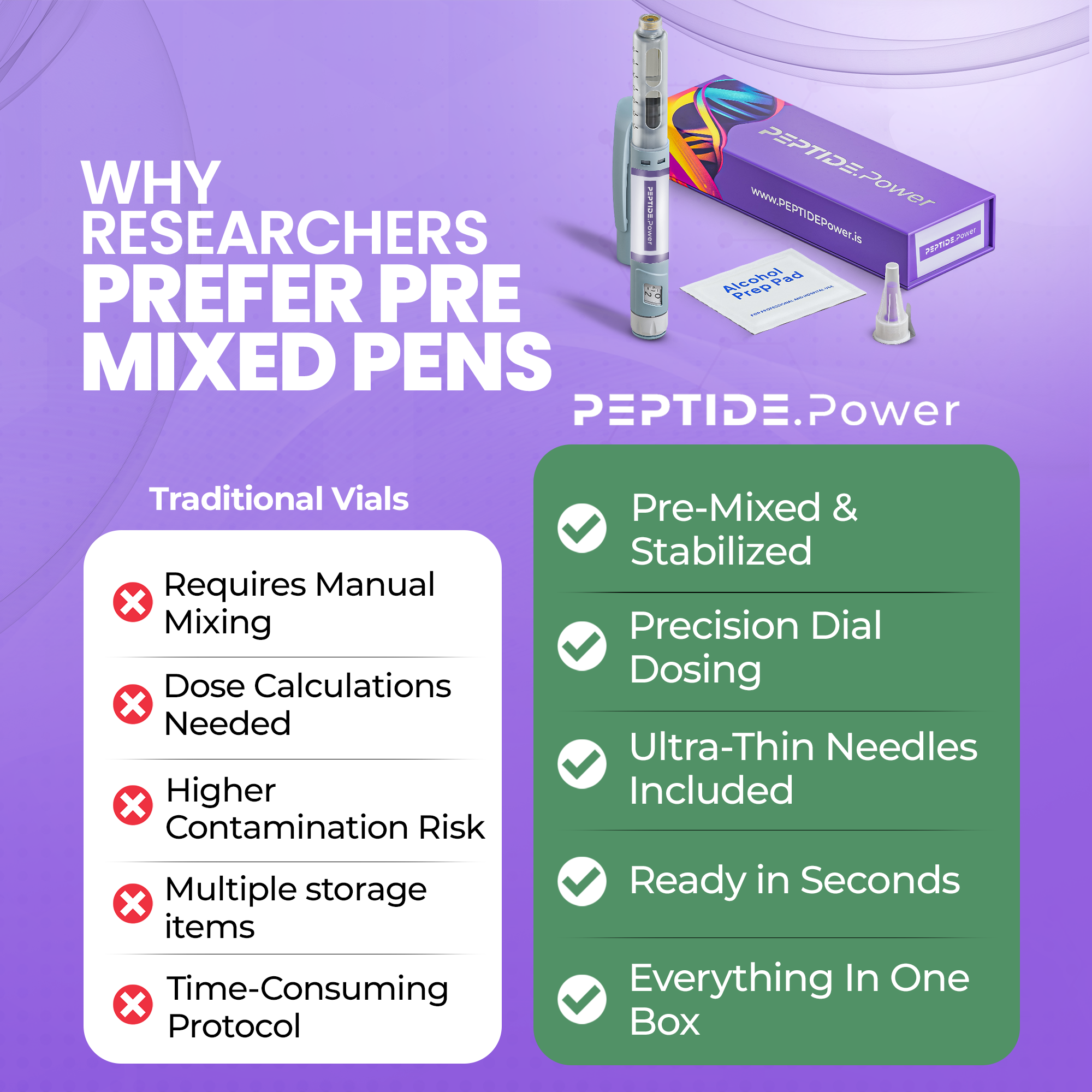
Every product arrives in a premium, custom-designed PEPTIDE.Power box, engineered for convenience, hygiene, and safe storage in your refrigerator. Inside, you will find everything needed for your full research protocol:
- 1× Disposable Pre-Mixed Injection Pen
- Powered by our proprietary PSM Technology™: precision stabilization & mixing system for consistent potency
- 10× Ultra-thin Needles (33G, 4 mm)
- 10× Alcohol Pads for sterile preparation
- Internal Stabilizing Foam Insert to prevent shaking during transport
- Instruction Panel printed on the inside of the box for quick reference
- Security Seal Sticker ensuring the package has not been opened or tampered with
Storage
Store the product in a refrigerator at 1-8°C immediately upon delivery. To maintain optimal stability, keep the pen away from light, and do not expose it to repeated temperature changes.
Once reconstituted (all our pens come pre-mixed), research compounds remain stable for 6-8 weeks under proper refrigeration.
Do not freeze after reconstitution. Always keep the box closed so the pen, needles, and alcohol pads stay clean and protected.
For best results, use the product consistently within the recommended time window and always follow your research protocol.
Delivery
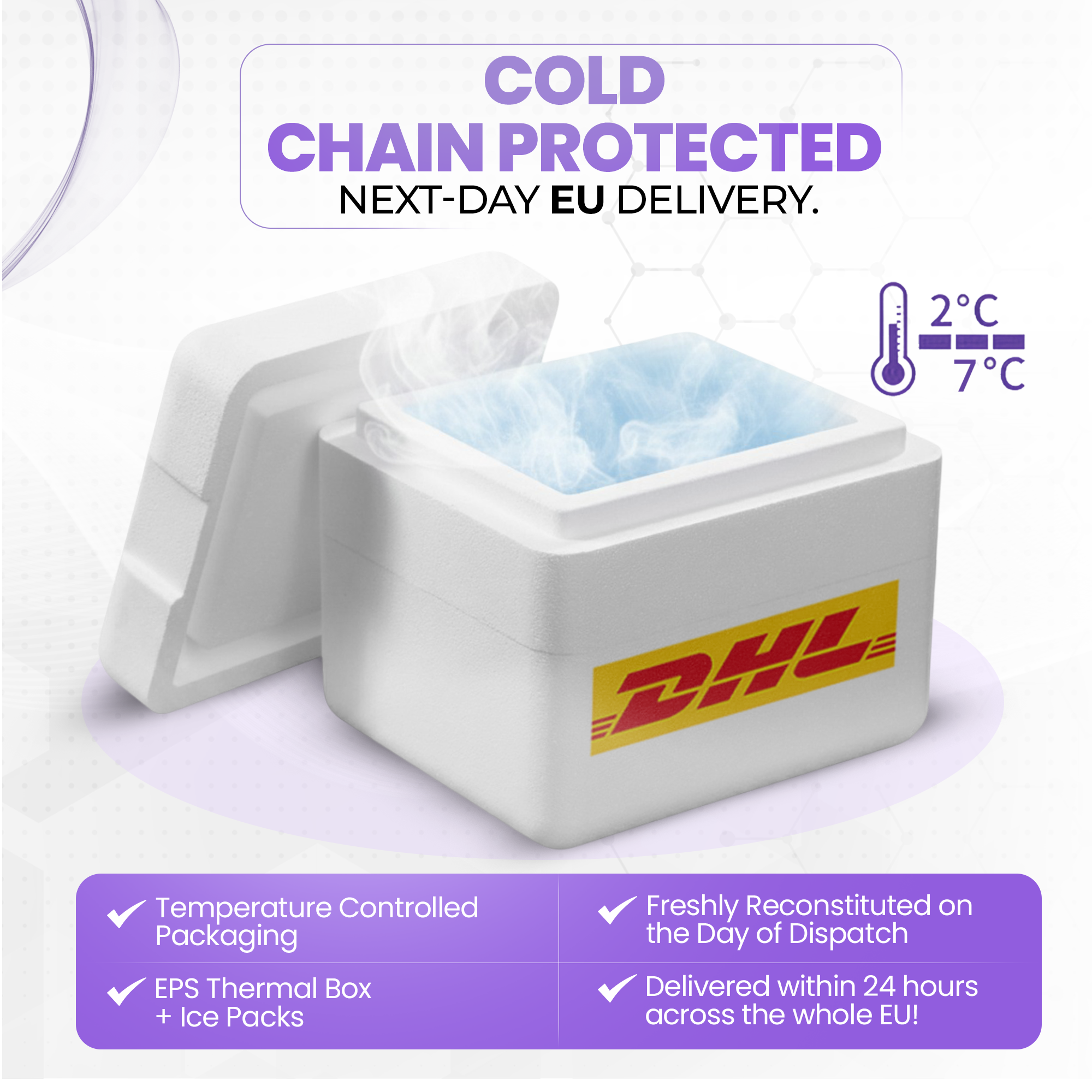
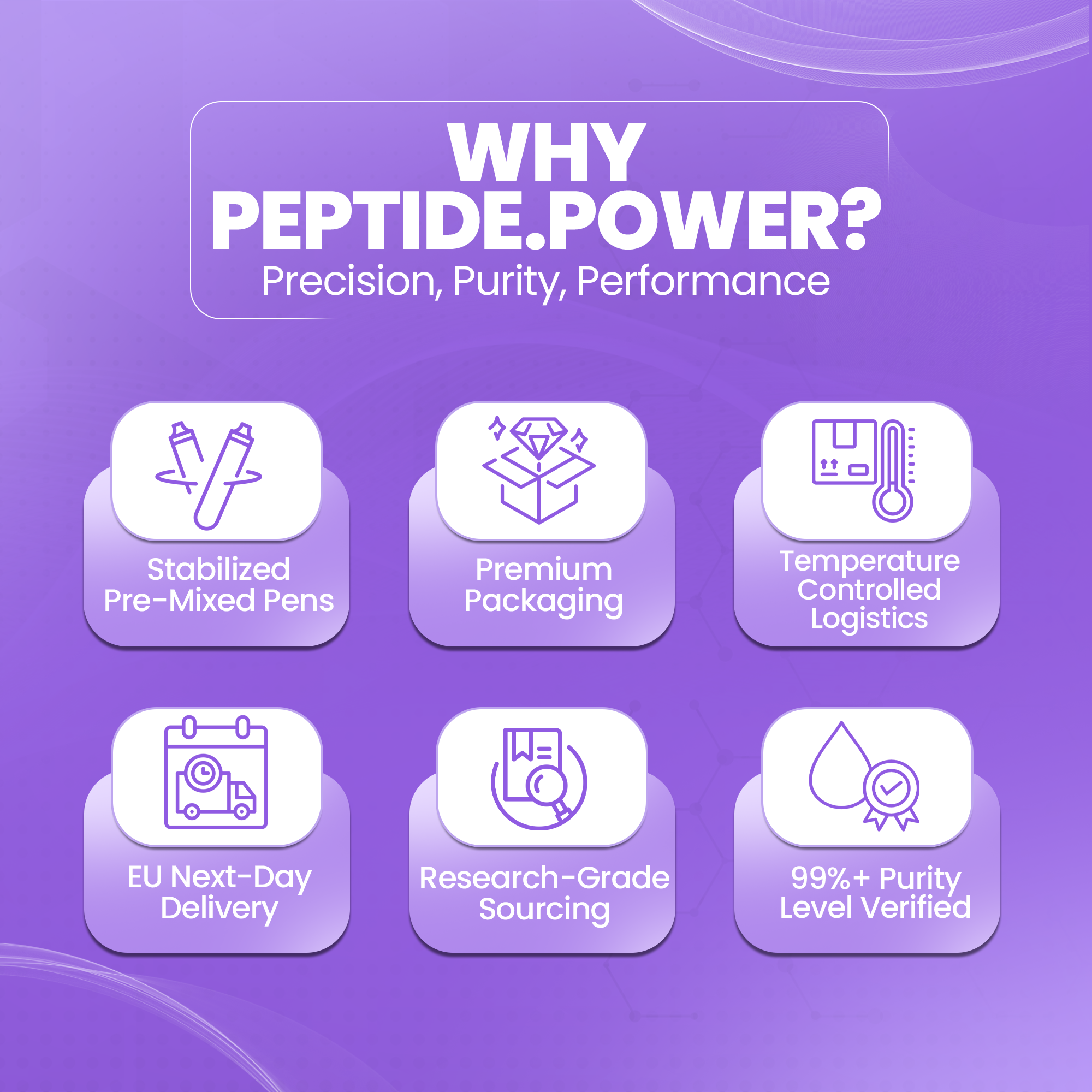
We ship with Next-Day EU Delivery via DHL Express or UPS Express.
All orders are prepared fresh on the day of dispatch, placed in EPS Cold-Chain Transport Boxes, and shipped with cooling elements to maintain a stable temperature throughout the journey.
Our logistics process is designed so the package arrives overnight, avoiding customs delays inside the European Union.
Products are shipped from our EU facility, ensuring no import duties, no customs clearance, and always fast and secure delivery.
Payment
Due to the nature of research peptides and the high-risk category assigned by payment processors, credit card companies do not generally support merchants in this field.
For this reason, we accept mainly Bank Transfers.
We also work with a crypto payment provider, and from time to time, card payments may be available depending on processor availability.
Within the European Union, SEPA transfers are fast, low-cost, and usually arrive within minutes to a few hours, making the payment process smooth and simple.
Once the transfer is received, your order is prepared immediately and dispatched the same day, depending on the daily cut-off time.
Please note that we do not dispatch shipments on Fridays or on days before official public holidays. This is done to ensure that parcels can be delivered on the next working day and are not held in transit over weekends or holidays.
This method ensures compliance, security, and continuity of service for all customers across the EU.
Didn't find the answer to your question?
View all frequently asked questionsRELATED PRODUCTS


ARA-290 (Cibinetide)


LL-37


MOTS-c


NAD+

