






PT-141 (Bremelanotide)
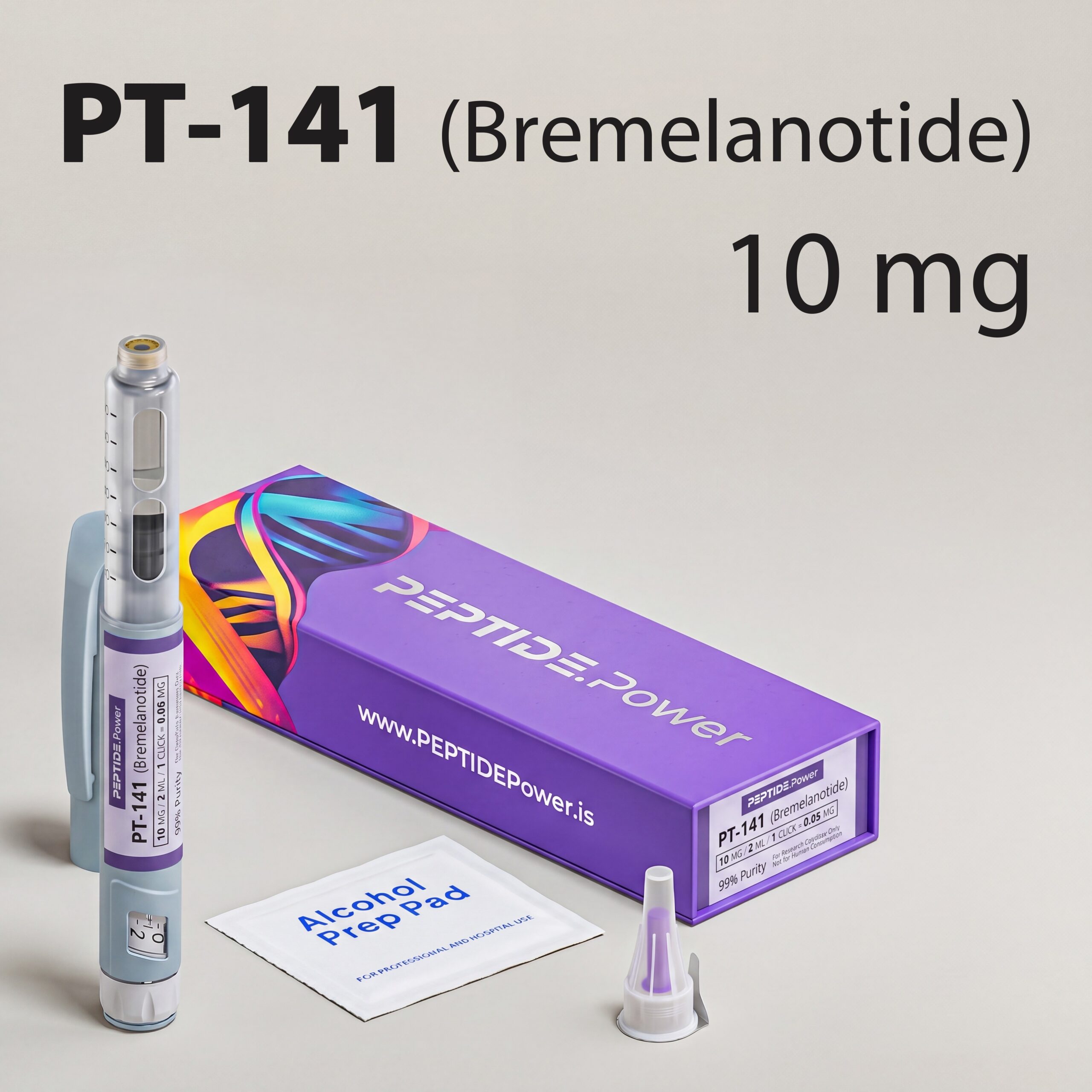
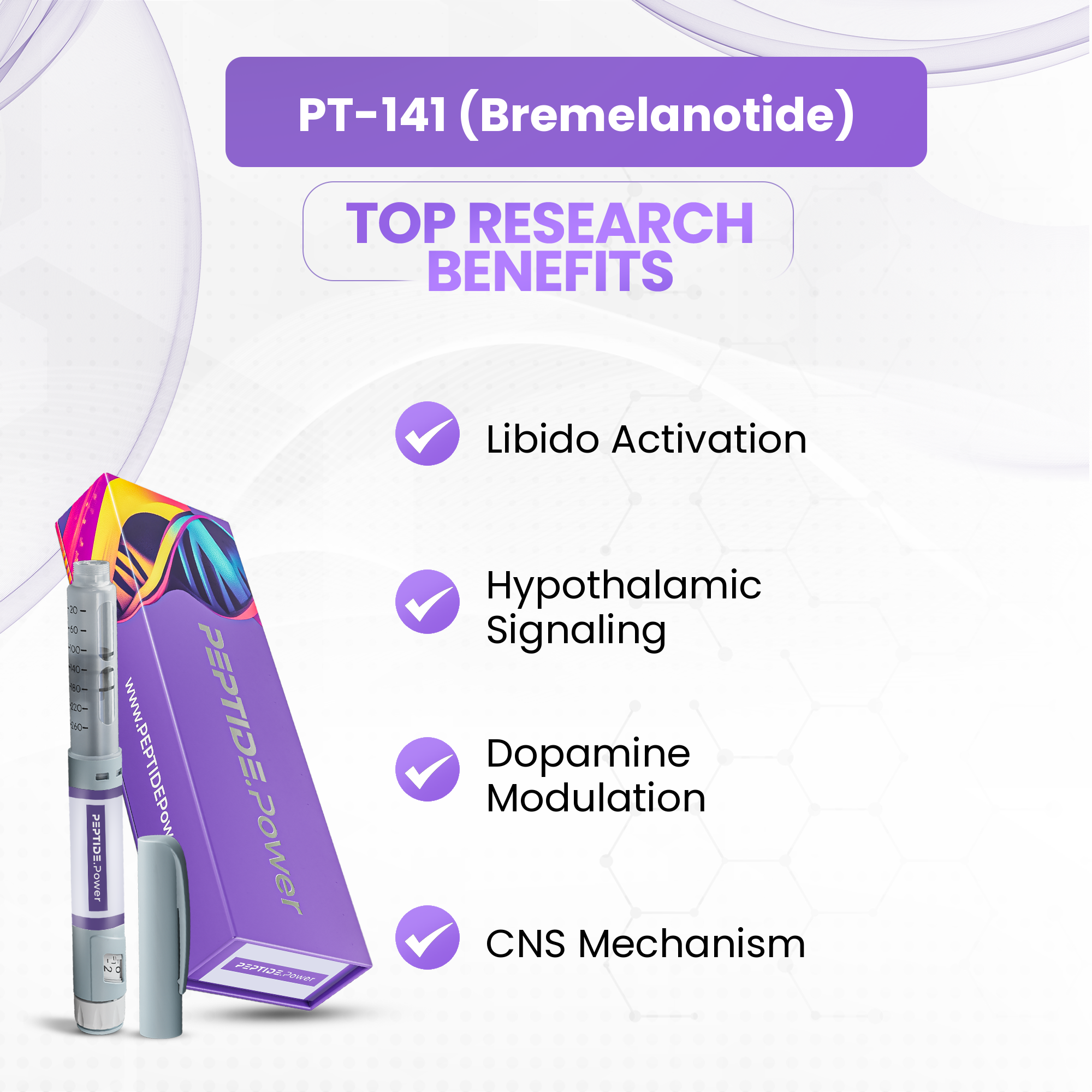
PT-141 (Bremelanotide) is a synthetic melanocortin receptor agonist studied for its role in sexual arousal and central libido signaling. Unlike PDE-5 inhibitors, it acts directly on the central nervous system via melanocortin pathways. In clinical research, it has been observed to increase sexual desire scores in both male and female populations. Administered subcutaneously, PT-141 supports hypothalamic activation and neurotransmitter modulation in controlled research settings.
61,00 €
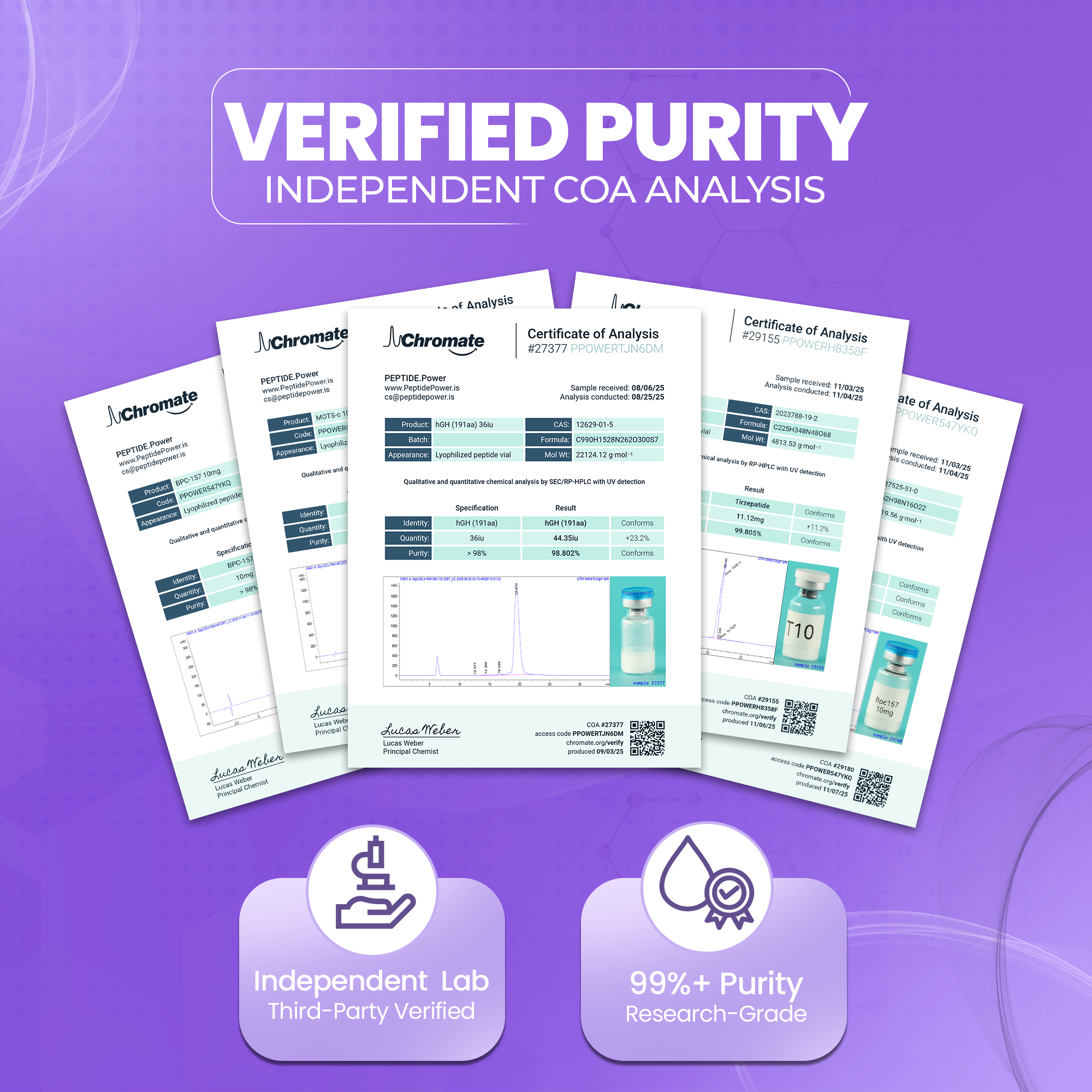
Quality Certificates
Independent third-party lab analysis (CoA) - from our own in-house brand.
PT-141 - Libido Signaling & Melanocortin Activation
Stimulates central desire pathways
Activates melanocortin receptors
Enhances reward-related signaling
Acts centrally not peripherally
Studied in female desire models
Evaluated in male response studies
Independent of nitric oxide signaling
Studied for restoring diminished sexual desire and motivation
Description
PT-141 (Bremelanotide) is a synthetic melanocortin receptor agonist derived from alpha-MSH analog research. It belongs to the class of neuroactive peptide hormones targeting melanocortin receptors, particularly MC4R and MC3R. PT-141 is primarily studied in domains such as sexual function research, central arousal signaling, and hypothalamic neurobiology. Unlike peripheral vasodilators, its mechanism is centrally mediated within the brain.
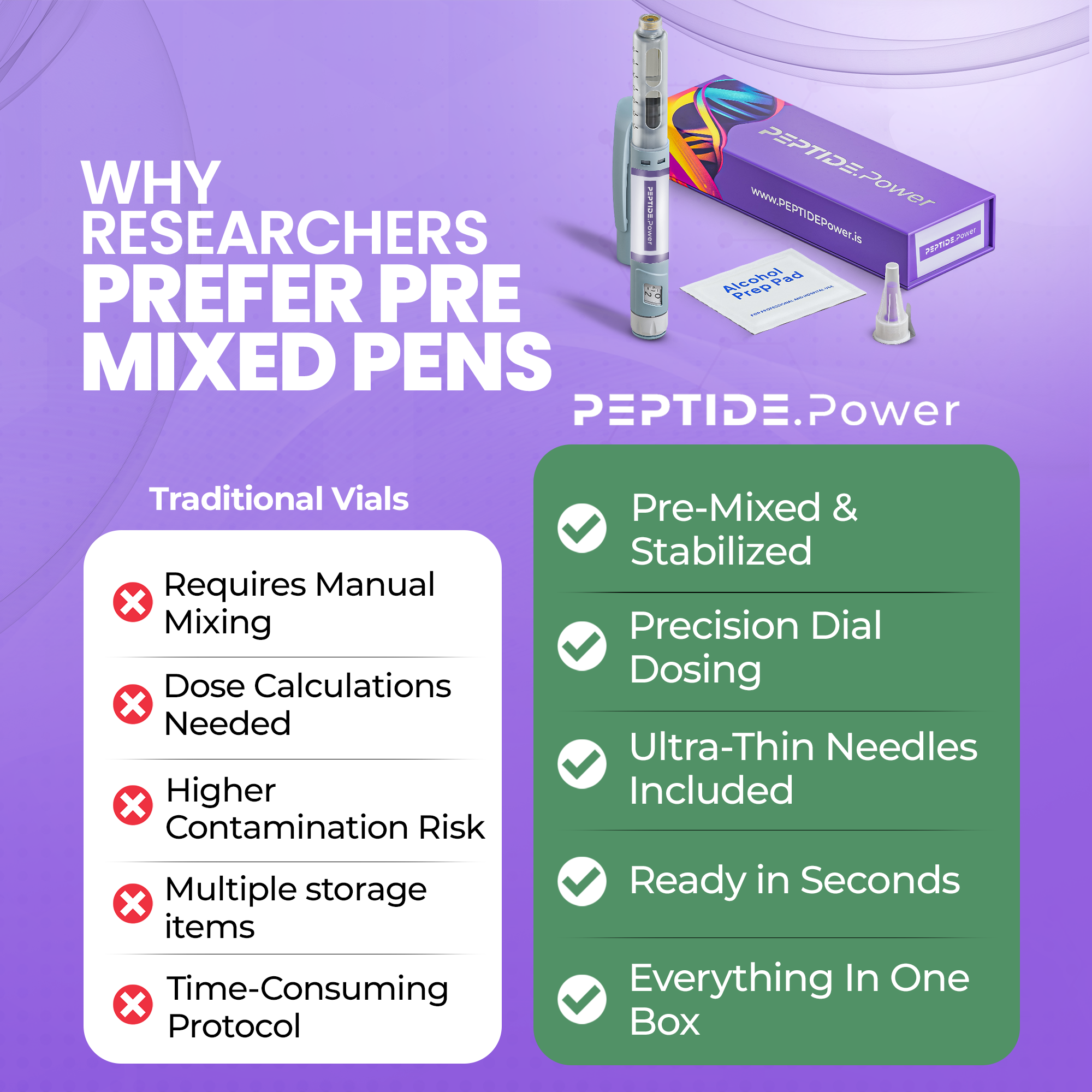
Our formulation is provided in a stabilized pre-mixed injection pen for SubQ administration. Subcutaneous delivery supports reliable systemic exposure and consistent CNS signaling activation in research protocols. Each unit is freshly prepared to maintain peptide integrity and standardized dosing. This format eliminates multi-step vial preparation and simplifies laboratory handling. The product is formulated strictly for research use only.
In clinical and preclinical studies, PT-141 has been shown to activate melanocortin receptors in the hypothalamus → ↑ dopaminergic signaling and ↑ sexual motivation pathways. Research indicates modulation of limbic system activity associated with arousal and desire. Unlike PDE-5 inhibitors, PT-141 does not primarily act on nitric oxide-mediated vasodilation. Evidence type: Human RCT ✔ | Observational ✔ | Animal ▣.
Clinical Status
Human RCT ✔ | Observational ✔ | Animal ✔ | In vitro ✔
Clinically evaluated and approved in certain jurisdictions for specific sexual desire indications.
Mechanism of Action
PT-141 activates melanocortin receptors in the central nervous system, particularly MC4R receptors within the hypothalamus. Activation of these receptors influences dopamine release → ↑ sexual motivation and arousal signaling. Unlike PDE-5 inhibitors, PT-141 does not depend primarily on peripheral blood flow modulation. Instead, it acts upstream at the level of neural desire circuits. This central mechanism differentiates it from vasodilatory erectile function agents.
Benefits
- Central Activation Of Sexual Motivation Circuits:
PT-141 has been studied for its ability to activate melanocortin receptors within hypothalamic nuclei associated with sexual motivation and arousal behavior. Unlike peripheral vasodilators, this peptide acts directly on central neural circuits governing desire. Clinical trials demonstrate ↑ sexual desire scores and ↑ frequency of satisfying sexual events in controlled populations. Neuroimaging and behavioral research suggest involvement of limbic structures linked to reward anticipation. Activation of melanocortin signaling → ↑ dopaminergic transmission in mesolimbic pathways. This central mechanism positions PT-141 as a neuroendocrine modulator rather than a vascular agent. Evidence type: Human RCT ✔ | Observational ✔. - Selective MC4R And MC3R Receptor Agonism:
PT-141 selectively binds melanocortin-4 receptors (MC4R) and melanocortin-3 receptors (MC3R) expressed in hypothalamic and limbic regions. MC4R activation triggers adenylate cyclase → ↑ cAMP production → modulation of downstream dopamine signaling. Preclinical models confirm behavioral changes associated with receptor stimulation. This receptor-level specificity differentiates PT-141 from hormonal therapies that broadly alter endocrine balance. Research also indicates interaction with pro-opiomelanocortin (POMC) neurons → modulation of motivational circuitry. These receptor interactions underpin its central arousal profile. - Dopaminergic Reward Circuit Enhancement:
Melanocortin receptor activation influences mesolimbic dopamine pathways projecting from the ventral tegmental area to the nucleus accumbens. PT-141 administration has been associated with ↑ dopaminergic activity in reward-processing regions in animal models. Dopamine plays a central role in sexual motivation and anticipatory behavior. This pathway differs fundamentally from nitric oxide-mediated smooth muscle relaxation. By acting upstream in motivational circuitry, PT-141 influences desire rather than only physiological response. - Independence From Nitric Oxide Vasodilation:
Unlike PDE-5 inhibitors such as sildenafil, PT-141 does not primarily increase nitric oxide production or inhibit phosphodiesterase enzymes. Its mechanism does not rely on peripheral vasodilation of penile smooth muscle. Instead, central melanocortin activation → ↑ neural arousal signaling, which may secondarily influence physiological response. This distinction allows evaluation in populations where vascular function is not the primary limiting factor. Research highlights mechanistic divergence from traditional erectile function compounds. - Female Sexual Desire Research And Regulatory Validation:
Clinical studies in female populations with hypoactive sexual desire research diagnoses demonstrate measurable improvements in desire-related endpoints. Phase trials report statistically significant ↑ sexual desire scores compared to placebo. These effects are centrally mediated and not dependent on hormonal replacement mechanisms. Regulatory approval in certain jurisdictions reflects controlled human data supporting this pathway. Evidence type: Human RCT ✔. - Male Arousal Signaling And Behavioral Response Models:
In male research populations, PT-141 has been associated with enhanced erectile response secondary to central activation. Preclinical studies show ↑ mounting behavior and ↑ copulatory motivation in animal models. These behavioral changes occur independently of direct smooth muscle relaxation mechanisms. Central dopaminergic activation is considered the primary driver of these effects. Evidence type: Human studies ✔ | Animal ▣. - POMC Neuron Activation And Melanocortin System Engagement:
PT-141 activates pro-opiomelanocortin (POMC) neurons within the arcuate nucleus of the hypothalamus. POMC activation → release of melanocortin peptides influencing motivational and reward circuits. This engagement extends beyond sexual signaling and interacts with broader appetite and reward biology pathways. The melanocortin system plays a key role in behavioral drive regulation. This systems-level activation distinguishes PT-141 from peripheral-only agents. - Neuroendocrine Integration Without Direct Testosterone Modulation:
PT-141 does not directly increase testosterone production or replace androgen pathways. Its effects occur independently of gonadal hormone elevation. This allows central arousal signaling without broad endocrine disruption. Clinical endocrine panels demonstrate minimal direct hormonal alteration under therapeutic dosing in research settings. The mechanism remains neurocentric rather than systemic hormonal. - Predictable Subcutaneous Pharmacokinetics:
Provided in a stabilized pre-mixed injection pen for SubQ administration, PT-141 demonstrates reliable systemic absorption in clinical research. Subcutaneous delivery supports controlled plasma concentration curves and predictable onset windows in human trials. This route allows rapid engagement of central melanocortin pathways. Each unit is prepared fresh and intended strictly for research use only.
Research Data
| Study / Model | Reported effect |
|---|---|
| Premenopausal women with HSDD (Phase 3 RCT) | ↑ sexual desire scores; ↑ frequency of satisfying sexual events |
| Men with erectile dysfunction (clinical trial) | ↑ erectile response independent of PDE-5 pathway activity |
| Rodent hypothalamic models | ↑ MC4R activation, ↑ dopaminergic signaling in arousal pathways |
| Subcutaneous administration studies | Rapid plasma absorption; central effects observed within 1-3 hours |
| Female non-human primate model | ↑ solicitation and proceptive sexual behavior versus placebo |
| Healthy volunteer pharmacokinetic studies | Predictable bioavailability via SubQ route; ~2 hour half-life |
| In vitro melanocortin receptor binding | Selective MC4R / MC3R affinity with minimal MC1R cross-activation |
Stack Suggestions
PT-141 is often combined in research with:
- PT-141 + Kisspeptin-10 → Combines central melanocortin activation with hypothalamic GnRH stimulation for broader libido and reproductive signaling research.
- PT-141 + Oxytocin → Pairs central arousal pathways with bonding and emotional response models.
- PT-141 + Selank → Supports anxiolytic balance alongside sexual motivation studies.
- PT-141 + Tesamorelin → Explored for combined libido and body composition research outcomes.
⚠ Stacks are for experimental design only; not safety or efficacy guidance.
Pen Dosage Chart
| PT-141 Pen 10 mg | |
|---|---|
| Volume | 2.0 mL (after reconstitution with bacteriostatic water) |
| mg/mL | 5.0 mg/mL |
| Click-to-Dose | 1 click = 0.05 mg |
| Example(s) | 20 clicks = 1 mg; 30 clicks = 1.5 mg |
Dosage & Protocols Variations
Standard Research Protocol
- Dose: 1.0 – 1.75 mg (= 20-35 clicks)
- Duration: 4 – 8 weeks
- Frequency: As needed, 45 min before stimulus (max 1 dose / 24h)
- Cycle Interval: 2 – 4 weeks off before repeating
- Goal / Description: Common dose for libido and arousal response models.
Therapeutic Research Protocol
- Dose: 1.75 – 2.0 mg (= 35-40 clicks)
- Duration: 6 – 8 weeks
- Frequency: 2 – 3× per week
- Cycle Interval: 4 weeks off before repeating
- Goal / Description: Higher-dose protocol used in central sexual dysfunction research.
Biohacker Protocol (experimental)
- Dose: 0.5 – 1.0 mg (= 10-20 clicks)
- Duration: 4 – 6 weeks
- Frequency: 1 – 2× per week
- Cycle Interval: 2 weeks off before repeating
- Goal / Description: Microdose approach to minimize nausea and flushing in tolerance studies.
Possible Side Effects
PT-141 (Bremelanotide) is generally well-tolerated in clinical and preclinical research settings, though several transient effects have been documented.
Reported side effects in research observations include:
- Transient nausea, particularly within the first hours after administration.
- Facial flushing and mild skin warmth.
- Temporary increases in blood pressure with reciprocal heart rate decreases.
- Headache or mild dizziness in some subjects.
- Darkening of pigmented skin areas (melanogenic effect) with repeated exposure.
No evidence of severe cardiovascular, hepatic, or endocrine adverse effects has been observed within standard research dosing ranges in available data.
Product Attributes
- CAS #: 189691-06-3
- Molecular Formula: C50H68N14O10
- Sequence (AA): Ac-Nle-cyclo[Asp-His-D-Phe-Arg-Trp-Lys]-OH
- Molecular Weight: 1025.2 g/mol
- PubChem CID: 9941379
- Half-Life: ~2 hours
- Synonyms: Bremelanotide, PT-141, BMT-141, Vyleesi
- Type: Synthetic research peptide (melanocortin receptor agonist)
- Research Focus: Sexual Health & Libido, Neurological & Cognitive Function
Scientific References
- Bremelanotide for treatment of female hypoactive sexual desire Human RCT | Regulatory
- Efficacy and Safety of Bremelanotide for Hypoactive Sexual Desire Disorder: Two Randomized Phase 3 Trials Human RCT
- Bremelanotide: an overview of preclinical CNS effects on female sexual function Animal | In vitro
- The Melanocortin System and Its Role in Sexual Function Animal | In vitro
- Intranasal bremelanotide in men with erectile dysfunction Human RCT
- FDA Label: Vyleesi (bremelanotide) injection Regulatory
- Melanocortin receptor agonists and central regulation of sexual behavior Animal | In vitro
- Bremelanotide (PT-141): research summary, mechanism, and effects Observational | Human RCT
Included In The Box
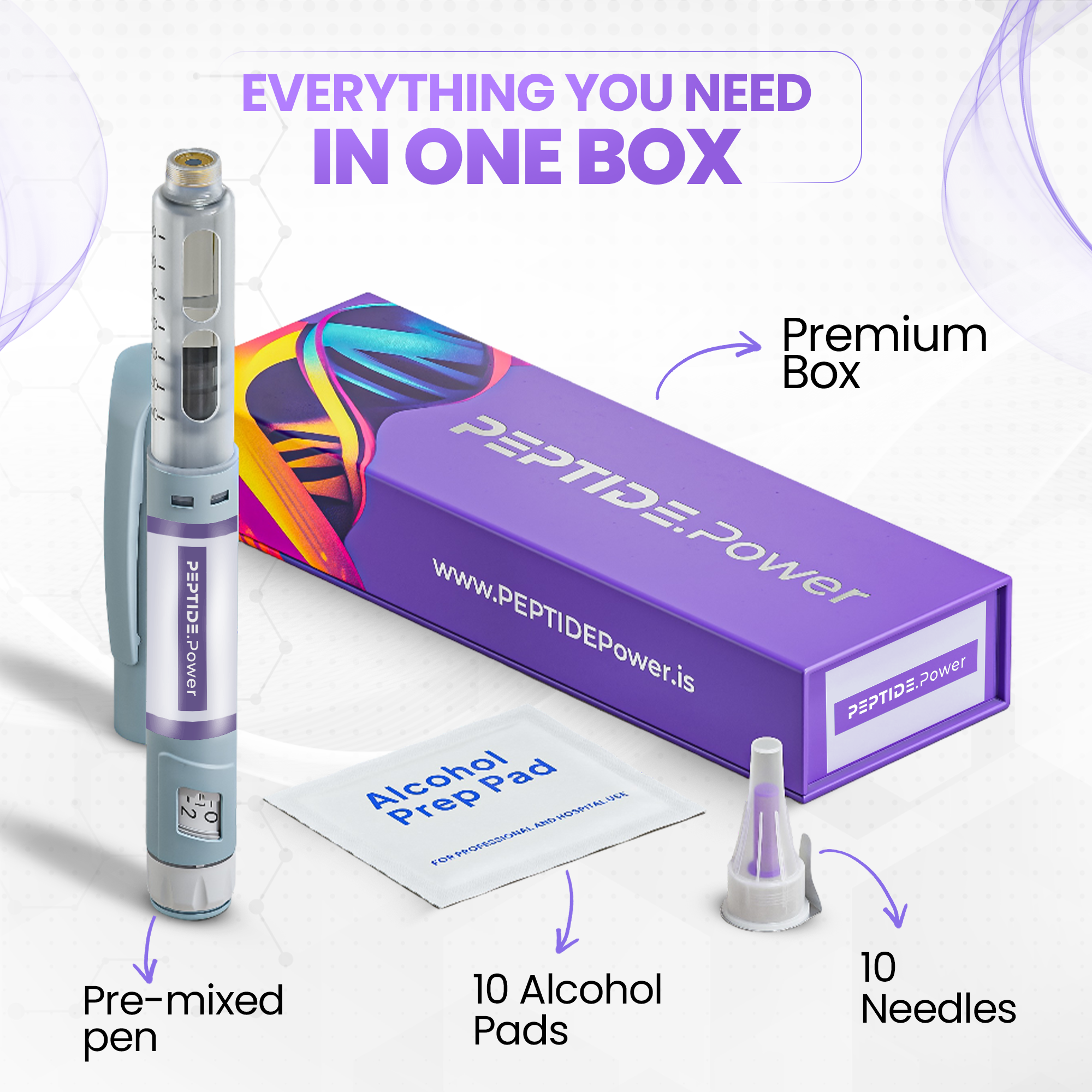
Every product arrives in a premium, custom-designed PEPTIDE.Power box, engineered for convenience, hygiene, and safe storage in your refrigerator. Inside, you will find everything needed for your full research protocol:
- 1× Disposable Pre-Mixed Injection Pen
- Powered by our proprietary PSM Technology™: precision stabilization & mixing system for consistent potency
- 10× Ultra-thin Needles (33G, 4 mm)
- 10× Alcohol Pads for sterile preparation
- Internal Stabilizing Foam Insert to prevent shaking during transport
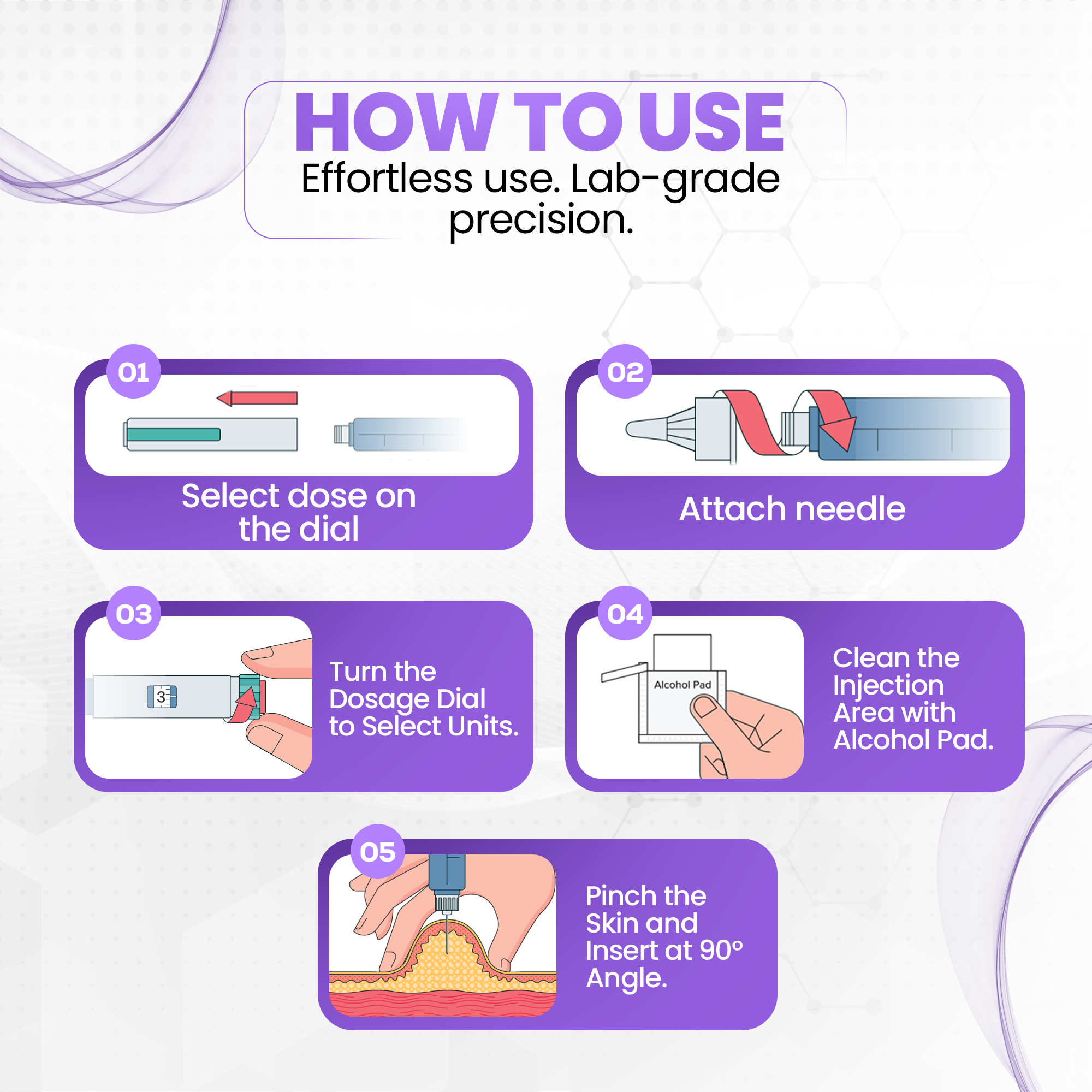
- Instruction Panel printed on the inside of the box for quick reference
- Security Seal Sticker ensuring the package has not been opened or tampered with
Storage
Store the product in a refrigerator at 1-8°C immediately upon delivery. To maintain optimal stability, keep the pen away from light, and do not expose it to repeated temperature changes.
Once reconstituted (all our pens come pre-mixed), research compounds remain stable for 6-8 weeks under proper refrigeration.
Do not freeze after reconstitution. Always keep the box closed so the pen, needles, and alcohol pads stay clean and protected.
For best results, use the product consistently within the recommended time window and always follow your research protocol.
Delivery
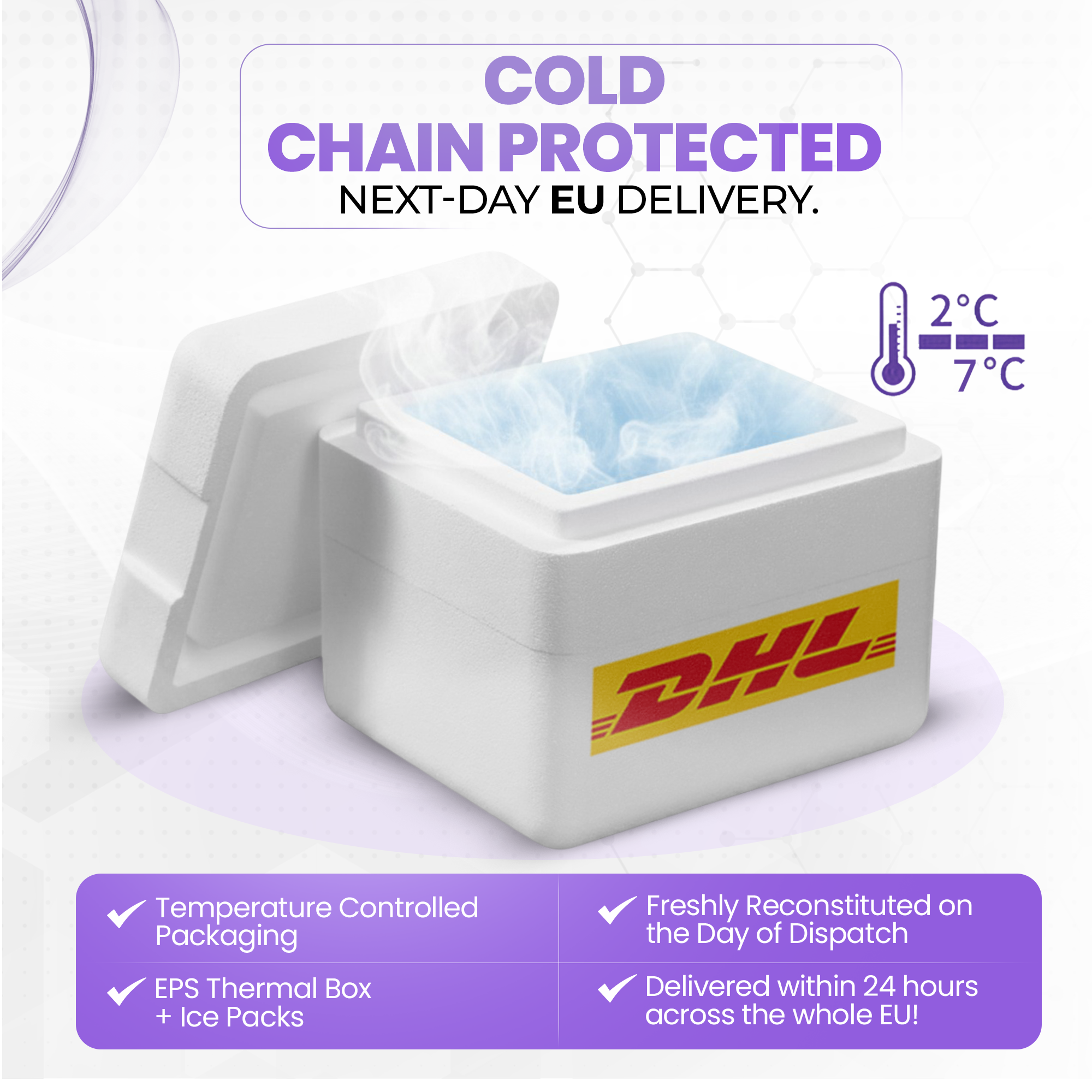
We ship with Next-Day EU Delivery via DHL Express or UPS Express.
All orders are prepared fresh on the day of dispatch, placed in EPS Cold-Chain Transport Boxes, and shipped with cooling elements to maintain a stable temperature throughout the journey.
Our logistics process is designed so the package arrives overnight, avoiding customs delays inside the European Union.
Products are shipped from our EU facility, ensuring no import duties, no customs clearance, and always fast and secure delivery.
Payment
Due to the nature of research peptides and the high-risk category assigned by payment processors, credit card companies do not generally support merchants in this field.
For this reason, we accept mainly Bank Transfers.
We also work with a crypto payment provider, and from time to time, card payments may be available depending on processor availability.
Within the European Union, SEPA transfers are fast, low-cost, and usually arrive within minutes to a few hours, making the payment process smooth and simple.
Once the transfer is received, your order is prepared immediately and dispatched the same day, depending on the daily cut-off time.
Please note that we do not dispatch shipments on Fridays or on days before official public holidays. This is done to ensure that parcels can be delivered on the next working day and are not held in transit over weekends or holidays.
This method ensures compliance, security, and continuity of service for all customers across the EU.
Didn't find the answer to your question?
View all frequently asked questionsRELATED PRODUCTS


Epithalon


FOXO4-DRI (Proxofim)


Semax


Testagen
Testagen is a synthetic tetrapeptide bioregulator composed of the sequence Lys-Glu-Asp-Gly, developed as part of the Khavinson family of short