




Bioregulator – Start
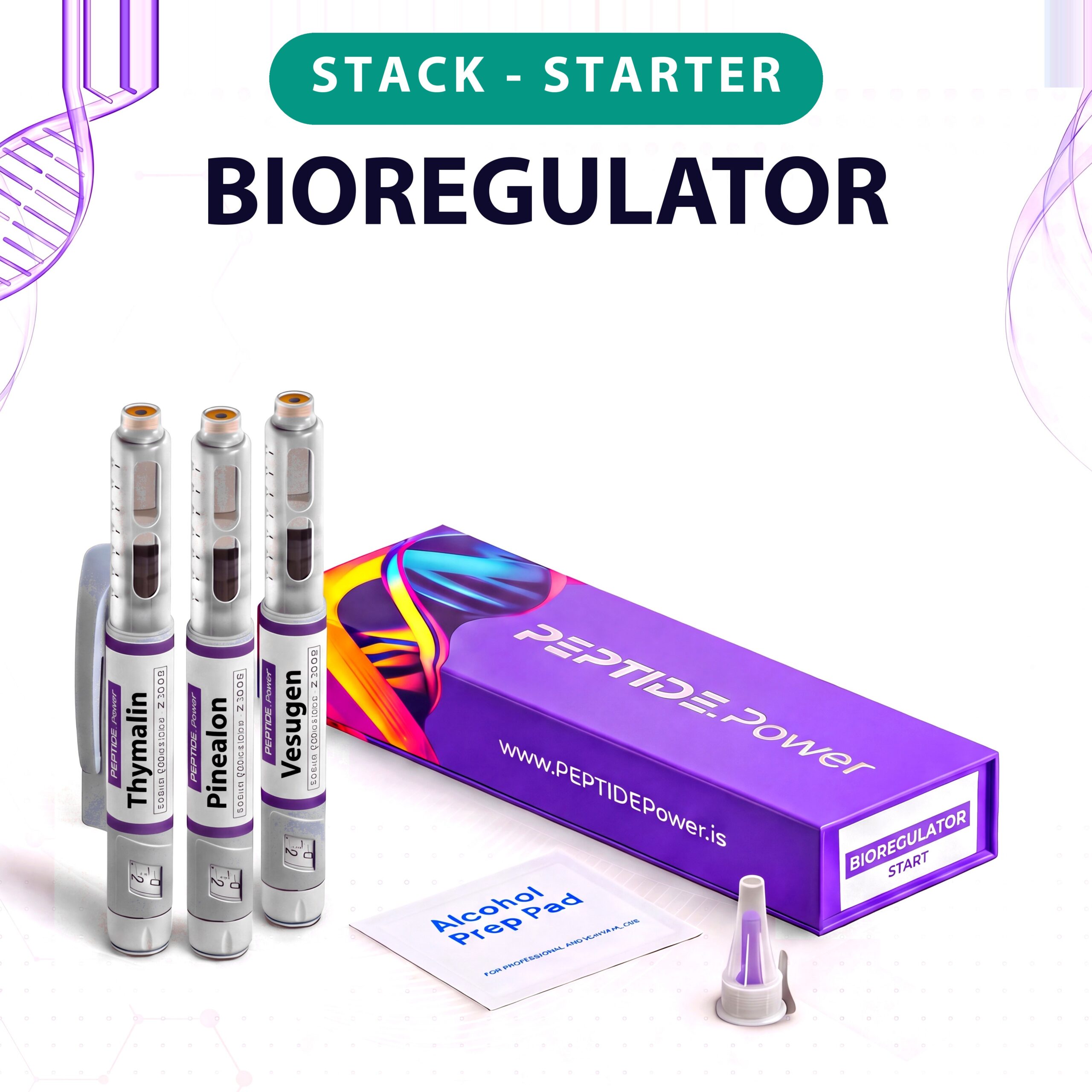
The Bioregulator Start stack gathers three classic Khavinson peptide bioregulators, Thymalin (immune), Pinealon (pineal/CNS) and Vesugen (vascular), into one curated kit for foundational research across multiple physiological systems.
Each bioregulator is supplied at research-grade purity for laboratory use. For research purposes only; not for human consumption.
166,00 € Original price was: 166,00 €.141,00 €Current price is: 141,00 €.
A foundational bioregulator kit with Thymalin, Pinealon and Vesugen for multi-system peptide research.
What's included in this stack


Bioregulator - Start - Foundational Bioregulator Research Stack
Thymalin
Pinealon
Vesugen
Pinealon
Thymalin
Vesugen
Thymalin
Pinealon
Description
Mechanism of Action
This research stack explores the synergistic potential of peptides targeting key physiological systems. Thymalin investigates immune system modulation, while Pinealon focuses on neuroprotective mechanisms and cognitive function. Vesugen research examines its role in supporting vascular integrity, collectively offering a broad perspective on systemic bioregulation.
Benefits
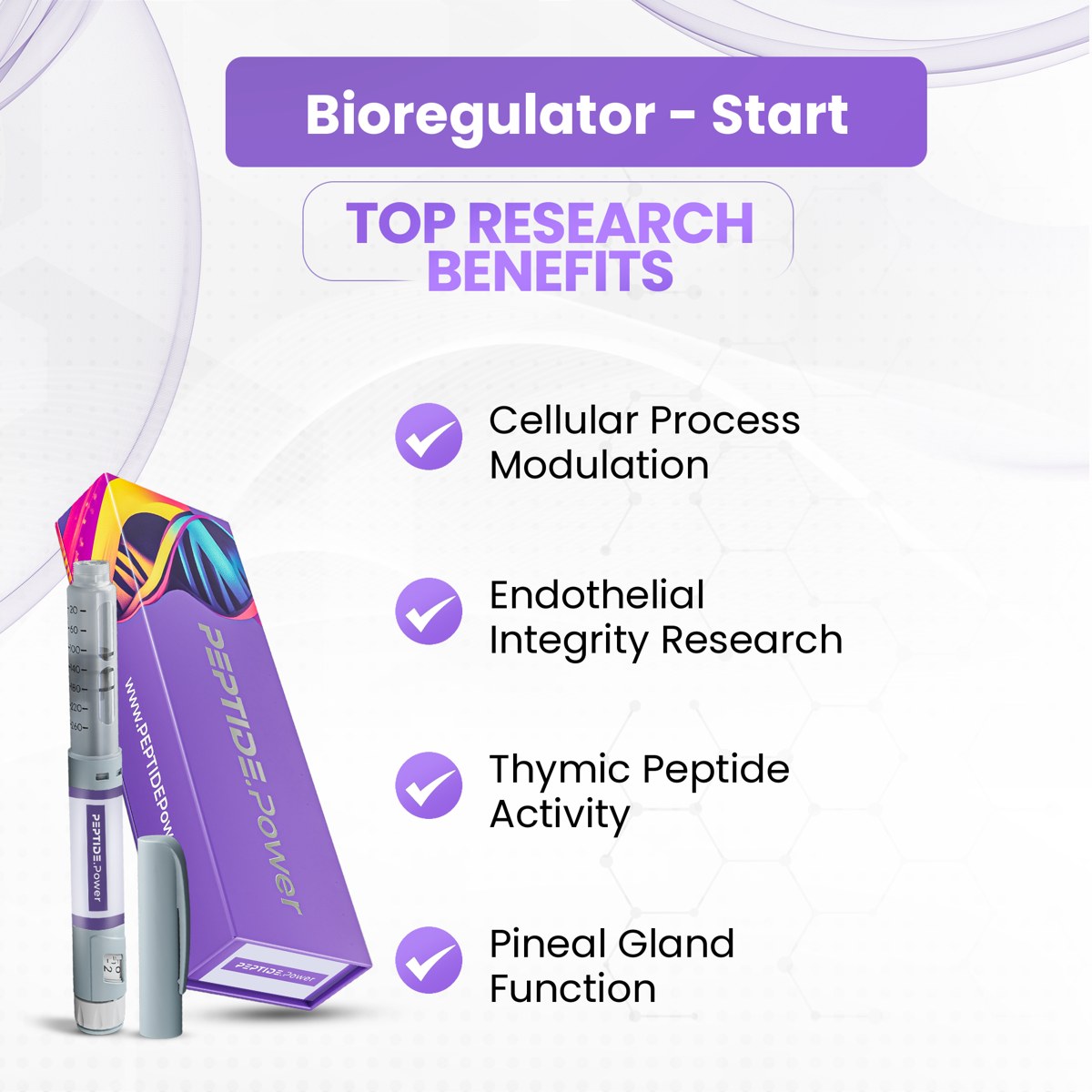
- Immune System Research – Investigating Thymalin’s role in immune cell function.
- Cognitive Function Studies – Exploring Pinealon’s impact on brain health.
- Vascular Health Exploration – Examining Vesugen’s influence on vessel integrity.
- Neuroprotective Mechanisms – Researching Pinealon’s potential in neuronal support.
- Cellular Regulation Inquiry – Studying Thymalin’s involvement in cellular processes.
Research Data
Thymalin
| Study / Model | Reported effect |
|---|---|
| Aged murine models | ↑ thymic cellularity, ↑ CD4+/CD8+ ratio, restored T-cell output |
| Immunocompromised rodent studies | ↑ IL-2 and interferon-gamma expression, improved lymphocyte proliferation |
| Elderly human observational cohorts | Reduced incidence of respiratory infections and improved immune markers |
| Radiation-exposure animal models | Accelerated hematopoietic recovery and lymphocyte regeneration |
| Chronic inflammation models | ↓ pro-inflammatory cytokines (TNF-α, IL-6), normalized immune balance |
| In vitro thymocyte cultures | Enhanced T-cell maturation and differentiation signaling |
| Geriatric clinical observations | Improved telomerase activity and extended cellular longevity markers |
Pinealon
| Study / Model | Reported effect |
|---|---|
| Aged rat cognitive performance | ↑ memory retention and learning capacity in Morris water maze tasks |
| Cultured cortical neurons (in vitro) | ↓ oxidative stress markers; ↑ neuronal survival under hypoxic conditions |
| Accelerated aging mouse model (SAMP1) | Extended lifespan and preserved cognitive function compared to controls |
| Human fibroblast culture | ↑ telomerase activity and ↑ telomere length over multiple passages |
| Rotenone-induced neurotoxicity model | Reduced apoptosis and preserved mitochondrial integrity in dopaminergic neurons |
| Elderly cognitive decline observational study | Improved attention, memory recall, and psycho-emotional state markers |
| Ischemia-reperfusion brain injury (rat) | ↓ infarct volume; ↑ neuroprotective gene expression including Bcl-2 |
| Sleep-deprivation behavioral model | Normalized circadian markers and reduced stress-induced cognitive deficits |
Vesugen
| Study / Model | Reported effect |
|---|---|
| Aged rat vascular tissue | ↑ endothelial regeneration markers; improved capillary density |
| Human umbilical vein endothelial cell (HUVEC) culture | ↑ proliferation rate and ↓ senescence-associated markers |
| Atherosclerosis animal model | ↓ plaque progression; improved vascular wall integrity |
| Elderly cohort observational study | Improved microcirculation and reduced markers of vascular aging |
| In vitro telomere assay | Telomerase activity preservation in endothelial lineages |
| Hypertensive rat model | ↓ systolic pressure; ↑ nitric oxide bioavailability |
| Diabetic vascular complication model | Reduced endothelial dysfunction and oxidative stress markers |
Stack Suggestions
This research bundle suits researchers exploring foundational systemic bioregulation. It offers a starting point for examining immune, neurological, and vascular pathways, ideal for initial studies into peptide-mediated modulation.
Pen Dosage Chart
Thymalin
| Thymalin Pen 20 mg | |
| Volume | 2 mL |
| mg/mL | 10 mg/mL |
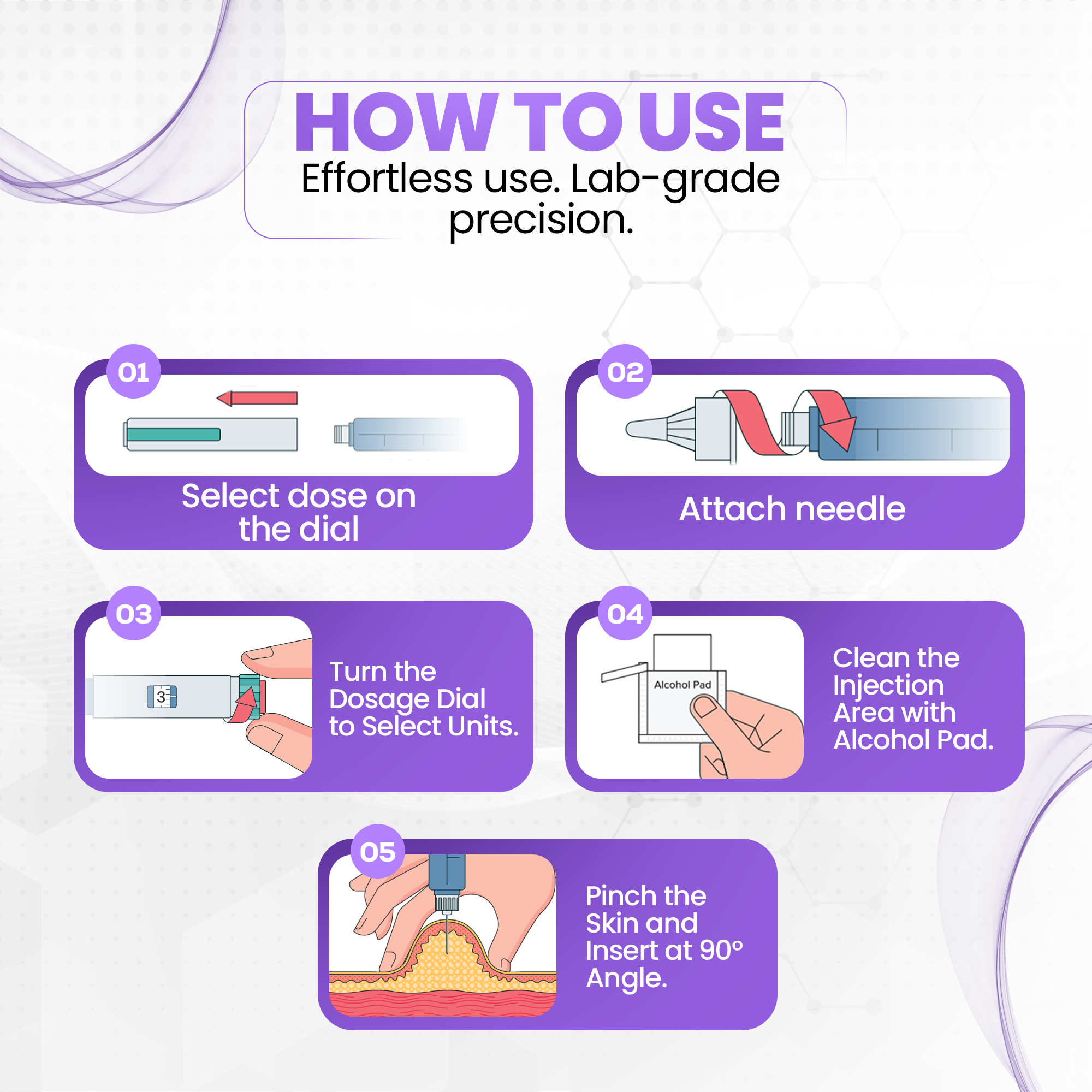
| Click-to-Dose | 1 click = 0.1 mg |
| Example(s) | 10 clicks = 1 mg |
Pinealon
| Pinealon Pen 20 mg | |
| Volume | 2 mL |
| mg/mL | 10 mg/mL |
| Click-to-Dose | 1 click = 0.1 mg |
| Example(s) | 10 clicks = 1 mg |
Vesugen
| Vesugen Pen 20 mg | |
| Volume | 2 mL |
| mg/mL | 10 mg/mL |
| Click-to-Dose | 1 click = 0.1 mg |
| Example(s) | 10 clicks = 1 mg |
Dosage & Protocols Variations
Thymalin
Standard Research Protocol
- Dose: 5 – 10 mg
- Duration: 5 – 10 days
- Frequency: Daily intramuscular administration
- Cycle Interval: 4 – 6 months before repeating
- Goal / Description: Baseline immunomodulatory protocol used in aging and immune restoration models.
Therapeutic Research Protocol
- Dose: 10 – 20 mg
- Duration: 10 – 14 days
- Frequency: Daily
- Cycle Interval: 3 – 6 months off before repeating
- Goal / Description: Higher-dose protocol applied in immunocompromised and chronic inflammation models.
Biohacker Protocol (experimental)
- Dose: 2 – 5 mg
- Duration: 10 – 20 days
- Frequency: Every other day
- Cycle Interval: 2 – 3 times per year
- Goal / Description: Low-dose longevity-oriented schedule explored in epigenetic and thymic regeneration research.
Pinealon
Standard Research Protocol
- Dose: 1 – 3 mg
- Duration: 2 – 4 weeks
- Frequency: Daily
- Cycle Interval: 4 – 8 weeks off before repeating
- Goal / Description: Baseline protocol for neuroprotection and cognitive support models.
Therapeutic Research Protocol
- Dose: 3 – 5 mg
- Duration: 3 – 4 weeks
- Frequency: Daily
- Cycle Interval: 8 – 12 weeks off before repeating
- Goal / Description: Higher-dose regimen used in studies targeting age-related cognitive decline and oxidative stress.
Biohacker Protocol (experimental)
- Dose: 0.5 – 1 mg
- Duration: 6 – 8 weeks
- Frequency: 5× per week
- Cycle Interval: 4 weeks off before repeating
- Goal / Description: Low-dose continuous exposure for longevity and cellular preservation research.
Vesugen
Standard Research Protocol
- Dose: 100 – 200 mcg
- Duration: 4 – 6 weeks
- Frequency: Daily, sublingual or SubQ
- Cycle Interval: 4 – 8 weeks off before repeating
- Goal / Description: Baseline protocol for vascular function and endothelial integrity studies.
Therapeutic Research Protocol
- Dose: 200 – 400 mcg
- Duration: 6 – 8 weeks
- Frequency: Daily
- Cycle Interval: 8 weeks off before repeating
- Goal / Description: Extended protocol used in models targeting vascular aging and microcirculation.
Biohacker Protocol (experimental)
- Dose: 100 mcg
- Duration: 8 – 12 weeks
- Frequency: Daily, low-dose sublingual
- Cycle Interval: Continuous with 2-week pauses every 12 weeks
- Goal / Description: Microdose approach explored in longevity-oriented vascular research.
Possible Side Effects
Thymalin
Thymalin is generally well-tolerated in clinical and preclinical studies involving elderly and immunocompromised populations.
Reported side effects are infrequent and mild:
- Transient redness or mild swelling at the injection site.
- Occasional low-grade fever during initial dosing in immunocompromised models.
- Mild fatigue or drowsiness reported in early administration phases.
- Rare allergic-type reactions in sensitive subjects.
No evidence of hepatic, endocrine, or systemic toxicity has been observed in available research data.
Pinealon
Pinealon is generally well-tolerated in animal studies and limited human observational research.
Reported side effects are infrequent and mild:
- Transient mild headache during initial dosing.
- Localized irritation or redness at injection site.
- Occasional drowsiness or altered sleep patterns.
- Mild gastrointestinal discomfort in sensitive subjects.
No evidence of hormonal, hepatic, or neurotoxic adverse effects has been observed in available preclinical data. As a short tripeptide, Pinealon is rapidly metabolized into its constituent amino acids, which contributes to its favorable tolerability profile in experimental models.
Vesugen
Vesugen is generally well-tolerated in preclinical and limited observational studies.
Reported side effects are rare and mild:
- Mild localized irritation at the injection site.
- Transient headache during initial dosing periods.
- Occasional digestive sensitivity in sensitive subjects.
- Slight fatigue reported in early observational use.
No evidence of hormonal, hepatic, or systemic adverse effects has been observed in available research data. As a short tripeptide bioregulator, Vesugen is structurally similar to endogenous peptide fragments, which is associated with its low reported toxicity profile in experimental models.
Product Attributes
Scientific References
Thymalin
- Thymalin: clinical-experimental investigation in elderly and aged patients Observational | Animal
- Khavinson VK. Peptides and ageing Observational | Animal
- Anti-inflammatory and anti-aging effects of thymic peptide bioregulators in COVID-19 elderly patients Observational
- Peptide regulation of cell differentiation and gene expression in aging Animal | In vitro
- Short peptides and telomere length regulator hormone irisin: a novel approach to age-related diseases Observational | In vitro
- Effect of thymalin on the immune system and lifespan of mice Animal
- Peptide bioregulators: a novel direction of preventive gerontology Observational | Animal
- Influence of thymalin on functional activity of immune cells in patients with acute pneumonia Observational
Pinealon
- Short peptides stimulate cell regeneration in skin during aging Animal | In vitro
- Peptide regulation of cell differentiation Animal | In vitro
- Epigenetic aspects of peptidergic regulation of vascular endothelial cell proliferation during aging Animal | In vitro
- Tripeptides restore the number of neuronal spines under conditions of in vitro modeled Alzheimer’s disease In vitro
- Pinealon enhances resistance of cells of cerebral cortex of rat embryos to oxidative stress Animal | In vitro
- Peptidergic regulation of cell proliferation and renewal during aging Observational | Animal
- Neuroprotective effects of peptide bioregulators in experimental models of neurodegeneration Animal | In vitro
Vesugen
- Vascular wall peptide bioregulator prevents the H2O2-induced damage of endothelial cells Animal | In vitro
- Peptide KED: molecular-genetic aspects of neuroendocrine system regulation in aging In vitro
- Short peptides stimulate cell regeneration suppressed in elderly after stress exposure Animal | In vitro
- Peptidergic regulation of cell differentiation in 3D cell cultures In vitro
- Tripeptide KED induces vasoprotective and antioxidant gene expression in vascular endothelium In vitro
- Short peptides and telomere length regulator hTERT gene expression In vitro
- Geroprotective effects of short peptides in aging vascular research models Observational | Animal
- Molecular aspects of peptide bioregulation in vascular and endothelial tissue Observational | In vitro
Included In The Box
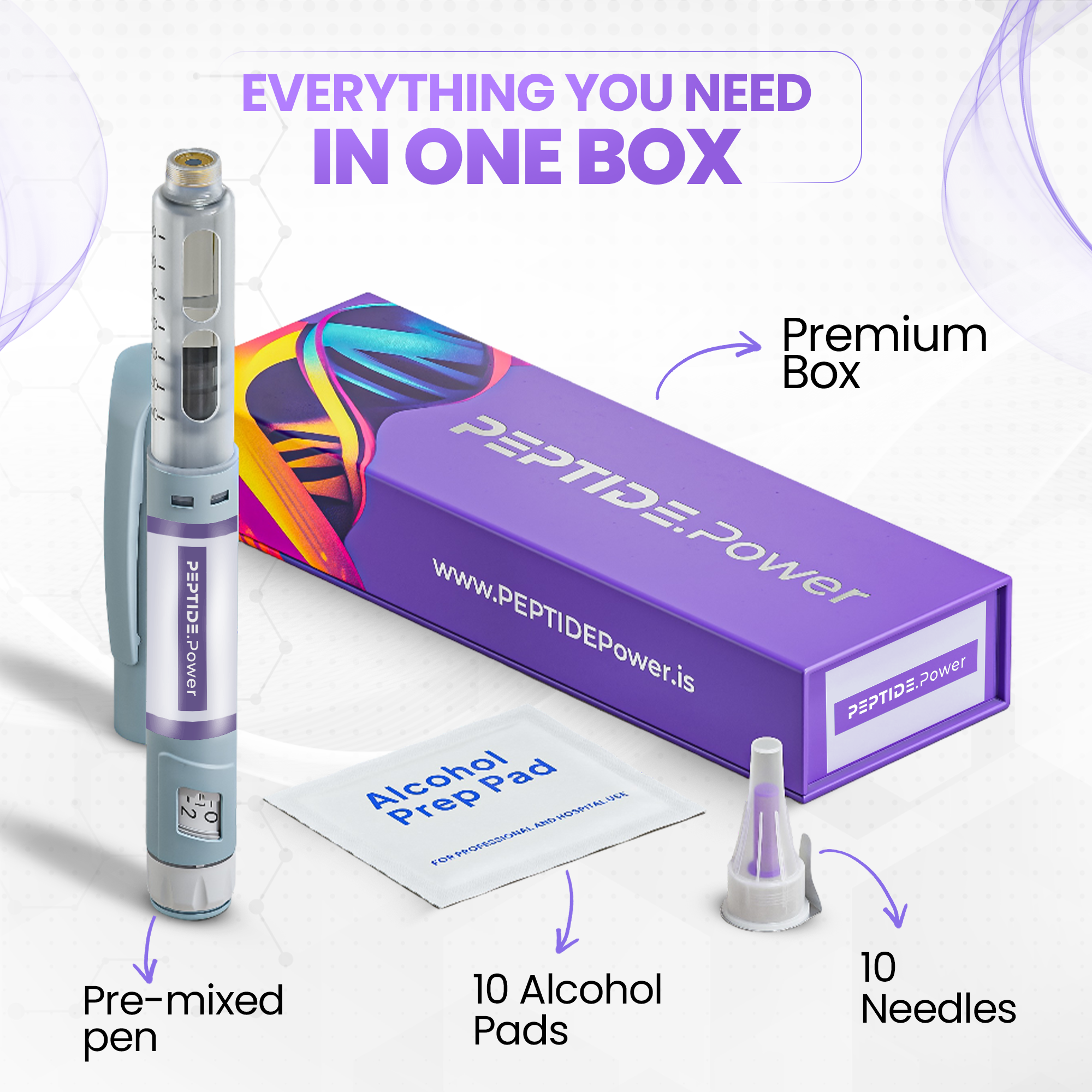
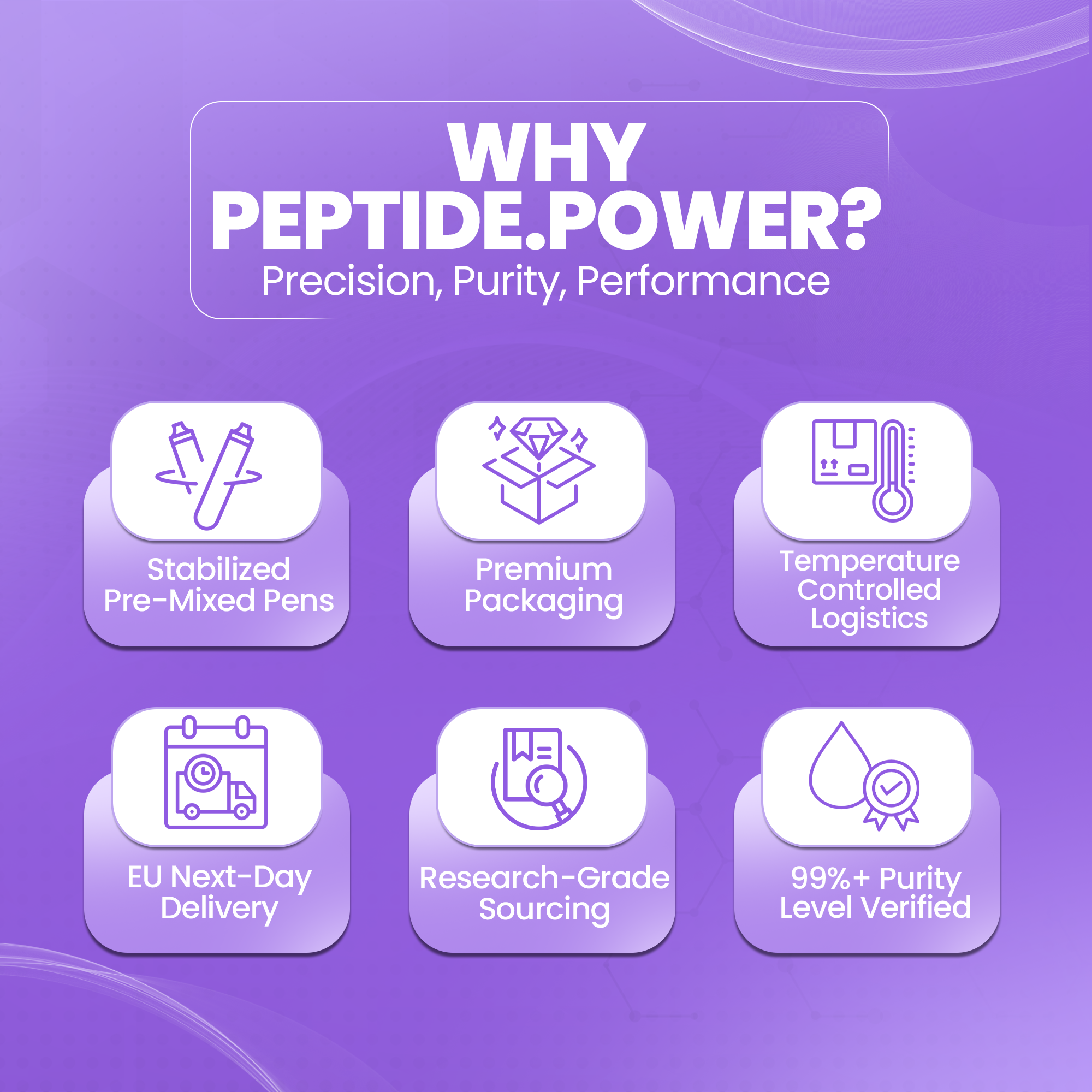
Every product arrives in a premium, custom-designed PEPTIDE.Power box, engineered for convenience, hygiene, and safe storage in your refrigerator. Inside, you will find everything needed for your full research protocol:
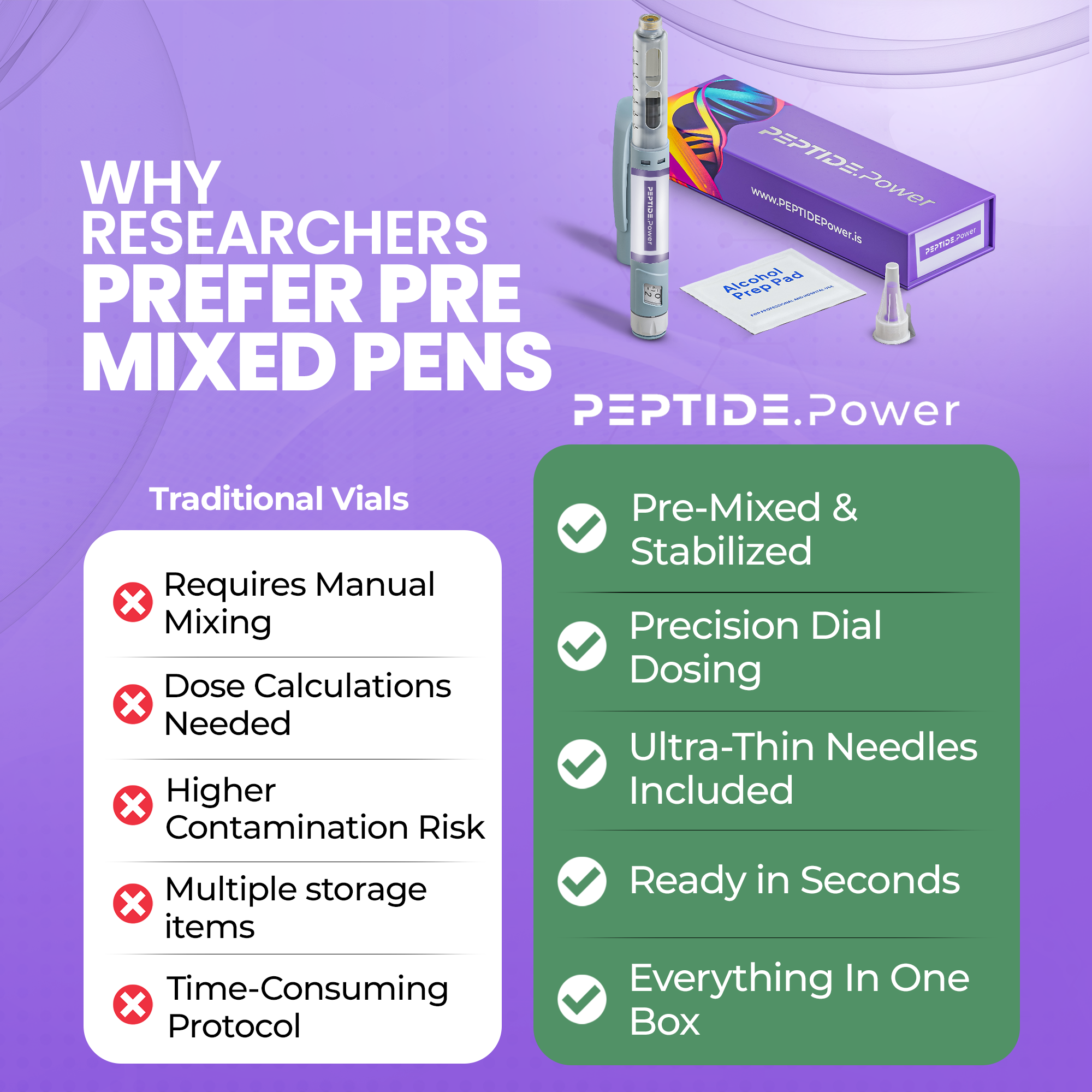
- 1× Disposable Pre-Mixed Injection Pen
- Powered by our proprietary PSM Technology™: precision stabilization & mixing system for consistent potency
- 10× Ultra-thin Needles (33G, 4 mm)
- 10× Alcohol Pads for sterile preparation
- Internal Stabilizing Foam Insert to prevent shaking during transport
- Instruction Panel printed on the inside of the box for quick reference
- Security Seal Sticker ensuring the package has not been opened or tampered with
Storage
Store the product in a refrigerator at 1-8°C immediately upon delivery. To maintain optimal stability, keep the pen away from light, and do not expose it to repeated temperature changes.
Once reconstituted (all our pens come pre-mixed), research compounds remain stable for 6-8 weeks under proper refrigeration.
Do not freeze after reconstitution. Always keep the box closed so the pen, needles, and alcohol pads stay clean and protected.
For best results, use the product consistently within the recommended time window and always follow your research protocol.
Delivery
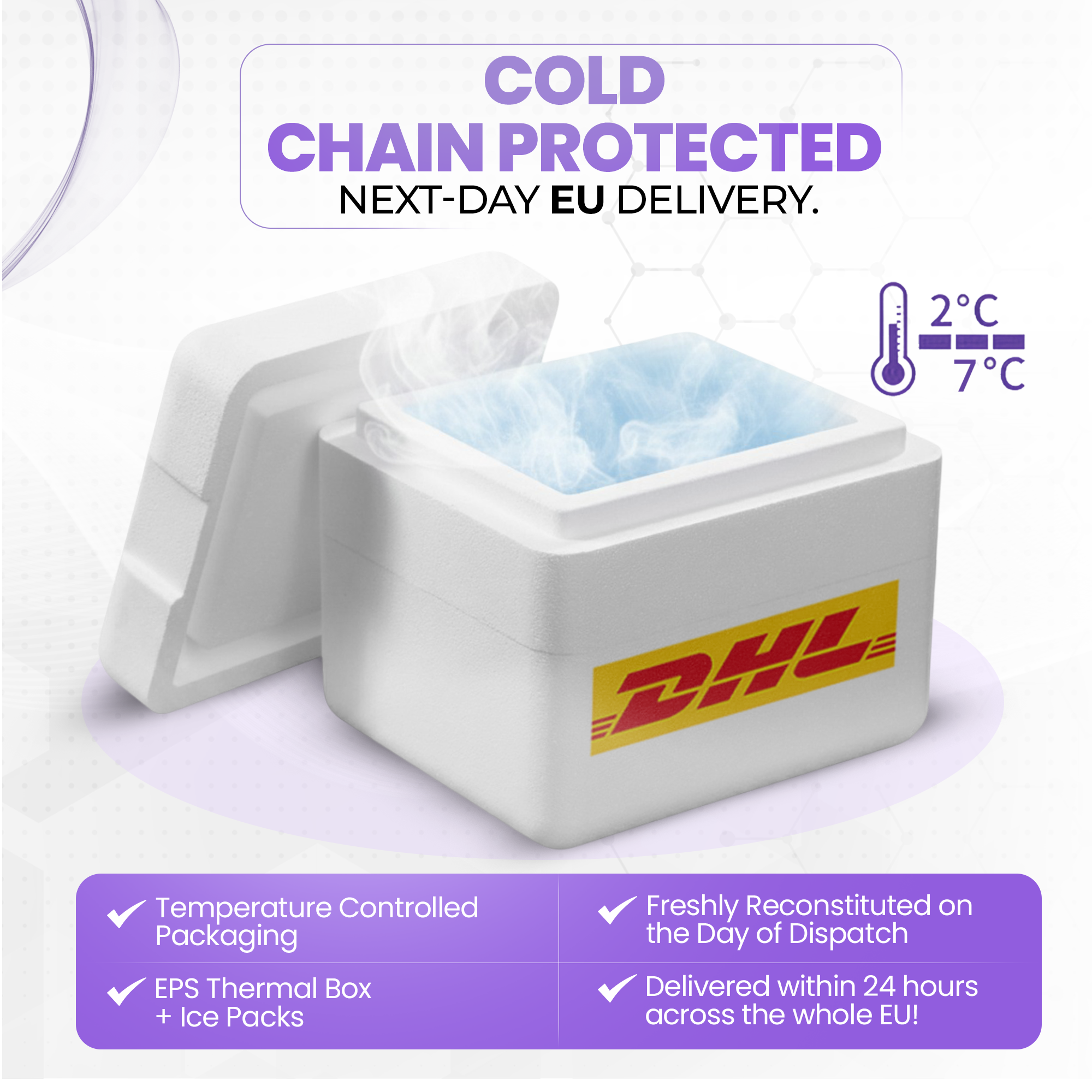
We ship with Next-Day EU Delivery via DHL Express or UPS Express.
All orders are prepared fresh on the day of dispatch, placed in EPS Cold-Chain Transport Boxes, and shipped with cooling elements to maintain a stable temperature throughout the journey.
Our logistics process is designed so the package arrives overnight, avoiding customs delays inside the European Union.
Products are shipped from our EU facility, ensuring no import duties, no customs clearance, and always fast and secure delivery.
Payment
Due to the nature of research peptides and the high-risk category assigned by payment processors, credit card companies do not generally support merchants in this field.
For this reason, we accept mainly Bank Transfers.
We also work with a crypto payment provider, and from time to time, card payments may be available depending on processor availability.
Within the European Union, SEPA transfers are fast, low-cost, and usually arrive within minutes to a few hours, making the payment process smooth and simple.
Once the transfer is received, your order is prepared immediately and dispatched the same day, depending on the daily cut-off time.
Please note that we do not dispatch shipments on Fridays or on days before official public holidays. This is done to ensure that parcels can be delivered on the next working day and are not held in transit over weekends or holidays.
This method ensures compliance, security, and continuity of service for all customers across the EU.
Didn't find the answer to your question?
View all frequently asked questionsRELATED PRODUCTS


Brain – Start


Brain – Advanced


Cell Renewal – Start


