

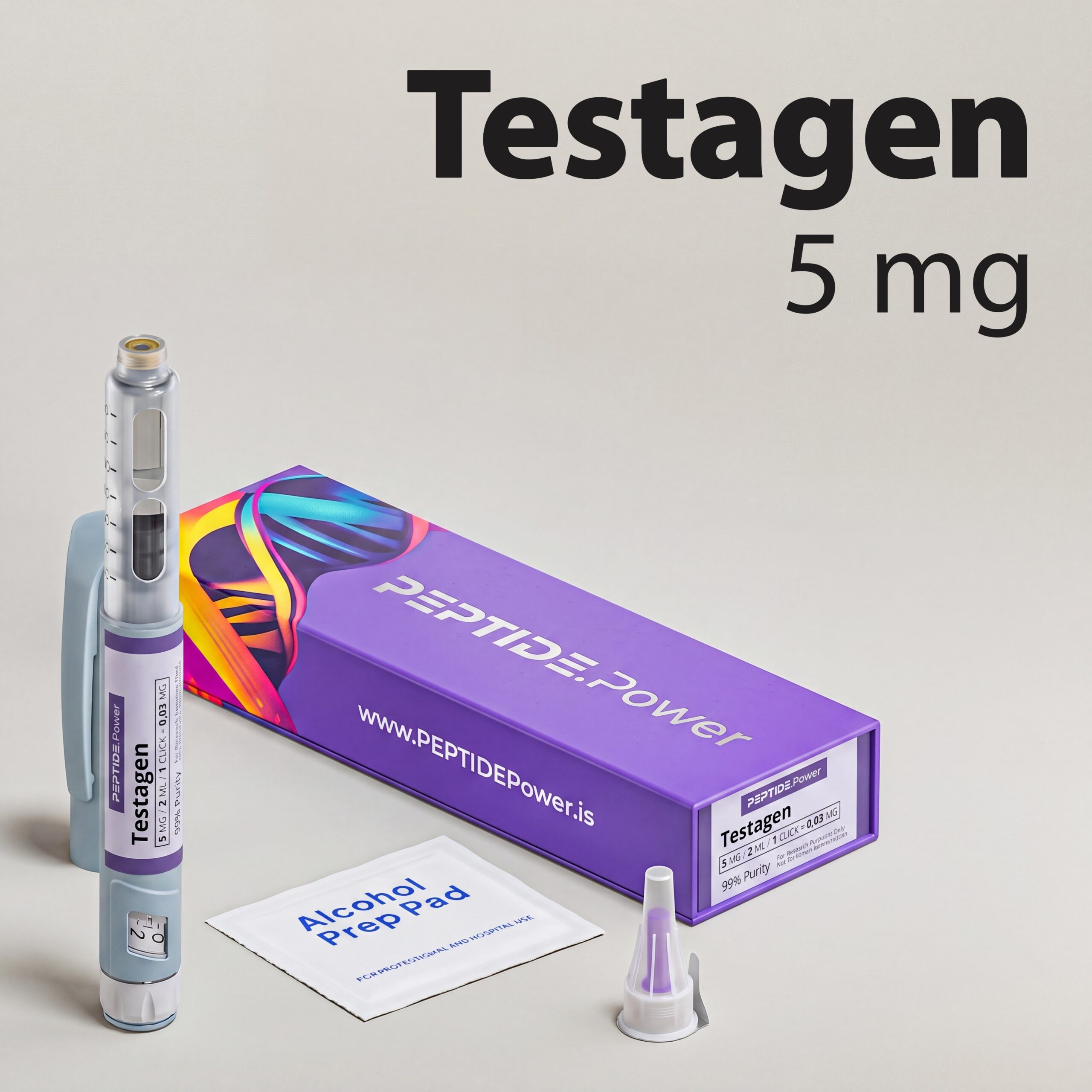





Testagen
Testagen is a short synthetic peptide bioregulator composed of the amino acid sequence Lys-Glu-Asp-Gly, investigated for its selective influence on prostate tissue and male reproductive function. It has been studied in experimental models for its role in gene expression modulation, cellular regeneration, and support of endocrine balance in aging research contexts.
59,00 €
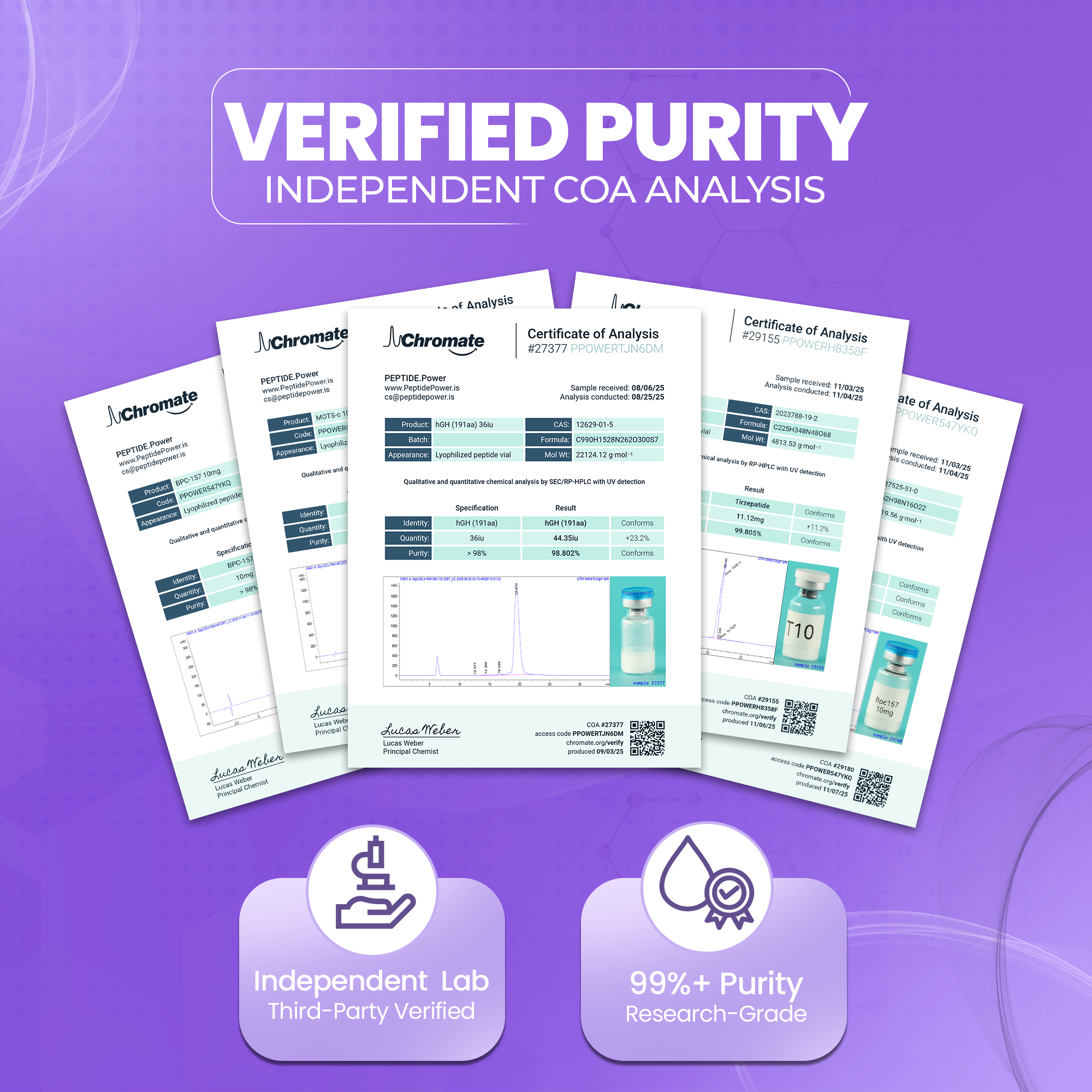
Quality Certificates
Independent third-party lab analysis (CoA) - from our own in-house brand.
Testagen - Male Reproductive System Bioregulator
Selective tropism toward prostate epithelium supporting structural renewal and functional maintenance in aging models.
Modulates germ cell maturation pathways and enhances seminiferous tubule function markers in andrological studies.
Influences androgen receptor expression and steroidogenic signaling without introducing exogenous hormones.
Interacts with DNA methylation patterns to guide transcriptional activity in prostate and reproductive tissue.
Promotes directed cellular differentiation and suppresses dysregulated proliferation in in vitro experimental models.
Studied within Khavinson peptide family for extending cellular lifespan and delaying tissue degeneration.
Supports balanced hormonal signaling in aging male models through selective promoter region interactions.
Restores gene expression patterns closer to younger tissue profiles in reproductive system research.
Description
Testagen is a synthetic tetrapeptide bioregulator composed of the sequence Lys-Glu-Asp-Gly, developed as part of the Khavinson family of short peptides designed to influence tissue-specific gene expression. It is studied for its selective tropism toward reproductive tissue and its potential to support male reproductive function, hormonal balance, and cellular regeneration in experimental models.
In preclinical research, Testagen has been observed to modulate gene expression in reproductive epithelial cells, support spermatogenesis, and influence androgen receptor signaling. Studies suggest it may help preserve reproductive tissue architecture, reduce age-related cellular dysfunction, and contribute to the regulation of reproductive hormones such as testosterone and luteinizing hormone (LH).
Additional investigations highlight Testagen’s potential antioxidant and anti-inflammatory activity within the urogenital system, with observed reductions in oxidative stress markers and improved cellular viability in aging reproductive models.
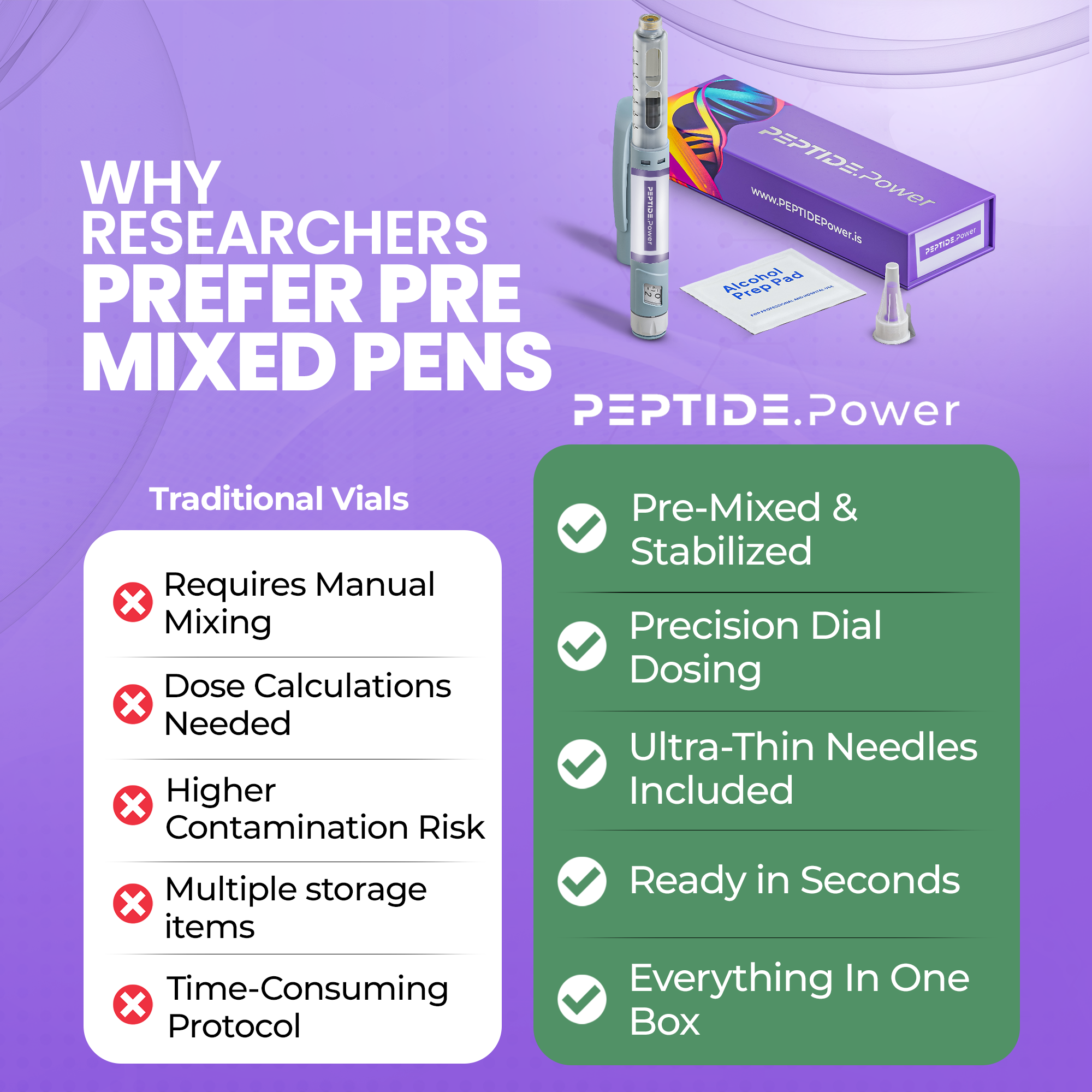
Supplied in a pre-mixed, ready-to-use pen, Testagen is intended for laboratory and experimental research applications focused on male reproductive biology and peptide bioregulation.
Clinical Status:
Testagen is a research peptide evaluated primarily in Russian preclinical and limited observational studies focused on reproductive function, andrology, and age-related reproductive decline. It is not approved for medical use and remains restricted to experimental and laboratory research.
Evidence type:
Human RCT ☐ | Observational ✔ | Animal ✔ | In vitro ✔ | Regulatory ☐
Mechanism of Action
Testagen works by binding to specific gene promoter regions within prostate cells, where it modulates transcriptional activity and selectively regulates the expression of genes involved in cellular differentiation and repair. As a short peptide bioregulator, it interacts with DNA methylation patterns and chromatin structure, influencing the synthesis of proteins essential for prostate epithelial function. This mechanism has been linked with restored secretory activity, improved androgen receptor signaling, and enhanced tissue regeneration in experimental models of age-related prostate dysfunction.
Benefits
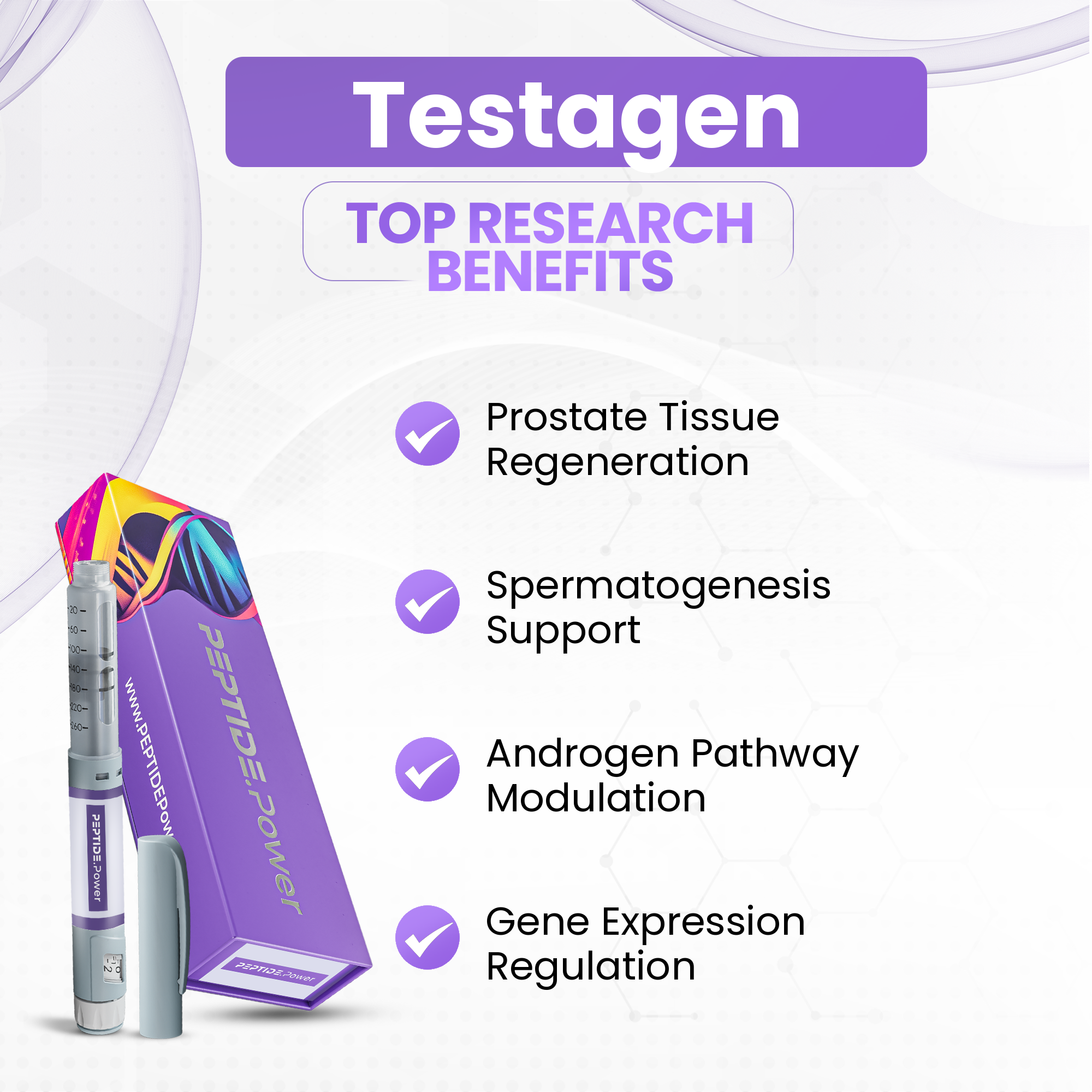
- Prostate Tissue Regeneration:
Testagen has been investigated for its selective tropism toward prostate epithelial cells, where it appears to support structural renewal and functional maintenance. In experimental models of aging and induced prostate dysfunction, it has been observed to promote cellular differentiation and tissue homeostasis. This makes it a focus of research into age-related prostate decline and benign hyperplasia models. - Spermatogenesis Support:
Research models suggest that Testagen modulates gene expression pathways relevant to germ cell maturation and reproductive cell turnover. It has been studied for its capacity to enhance spermatogenic activity and improve markers of seminiferous tubule function. These observations have positioned the peptide as a candidate in andrological research focused on male fertility decline. - Androgen Pathway Modulation:
Testagen has been reported to influence the regulation of androgen receptor expression and downstream signaling in prostate-associated cells. By selectively interacting with promoter regions linked to steroidogenic activity, it appears to support balanced hormonal signaling without exogenous hormone introduction. This positions it as a research tool for studying endocrine equilibrium in aging male models. - Cellular Differentiation and Repair:
As a bioregulator within the Khavinson short-peptide family, Testagen interacts with DNA methylation patterns to influence transcriptional activity. In vitro studies have observed its role in guiding cellular differentiation, repair processes, and the suppression of dysregulated proliferation. This mechanism underlies its broader research applications in tissue-specific regeneration. - Anti-Aging and Longevity Research:
Testagen is studied within the context of geroprotective peptide research, where short peptides are evaluated for their capacity to extend cellular lifespan and delay tissue degeneration. Experimental models have observed restoration of gene expression patterns closer to those of younger tissue. This supports its use as a candidate in longevity-focused investigations of reproductive aging. - Urogenital Function Maintenance:
Preclinical research has explored Testagen’s influence on urogenital tissues beyond the prostate, including supportive roles in bladder and urethral function during age-related decline. It has been observed to reduce markers of inflammation and improve epithelial integrity in models of chronic urogenital stress. These findings broaden its research relevance in male urological aging. - Inflammation and Oxidative Stress Modulation:
Testagen has been investigated for its capacity to downregulate pro-inflammatory cytokines and reduce oxidative damage markers within prostate tissue. Experimental data suggest improved antioxidant enzyme activity and reduced lipid peroxidation in treated models. This anti-inflammatory profile contributes to its appeal in research targeting chronic prostatitis and age-related inflammation. - Synergy with Other Bioregulators:
Testagen is frequently studied alongside other Khavinson peptides, such as Epitalon and Prostamax, to evaluate combined effects on systemic regeneration and endocrine balance. Research models suggest complementary actions across reproductive, neuroendocrine, and immune axes. This positions Testagen as a key component in multi-peptide bioregulator research protocols.
Research Data
| Study / Model | Reported effect |
|---|---|
| Aged rat prostate tissue | ↑ epithelial cell proliferation and restored secretory function |
| Experimental prostatitis model (rodents) | ↓ inflammatory markers and improved glandular architecture |
| In vitro prostate cell cultures | ↑ expression of genes regulating differentiation and repair |
| Hormonally suppressed animal models | Partial restoration of androgen-receptor sensitivity and reproductive markers |
| Long-term geroprotection studies | Delayed onset of age-related prostatic dysfunction |
| Khavinson peptide comparative research | Selective tropism toward prostate tissue confirmed across multiple assays |
Stack Suggestions
Testagen is often combined in research with:
- Testagen + Epitalon → Supports cellular longevity and reproductive tissue regeneration through telomerase and gene expression modulation.
- Testagen + Prostamax → Enhances prostate-specific tissue repair and functional restoration in male urogenital research models.
- Testagen + Vesugen → Improves vascular support and microcirculation within prostate and reproductive tissues.
- Testagen + Pinealon → Combines neuroendocrine regulation with reproductive bioregulation for systemic balance.
⚠ Stacks are for experimental design only; not safety or efficacy guidance.
Pen Dosage Chart
| Testagen Pen 5 mg | |
|---|---|
| Volume | 2 mL |
| mg/mL | 2.5 mg/mL |
| Click-to-Dose | 1 click = 0.025 mg |
| Example(s) | 10 clicks = 0.25 mg |
Dosage & Protocols Variations
Standard Research Protocol
- Dose: 1 – 2 mg
- Duration: 2 – 3 weeks
- Frequency: Daily
- Cycle Interval: 4 – 6 months off before repeating
- Goal / Description: Baseline protocol for studying prostate tissue support and male reproductive function in research models.
Therapeutic Research Protocol
- Dose: 2 – 4 mg
- Duration: 3 – 4 weeks
- Frequency: Daily
- Cycle Interval: 3 – 6 months off before repeating
- Goal / Description: Higher-dose protocol used in models targeting prostate cell regeneration and androgenic pathway modulation.
Stacked Protocol (Testagen + Epitalon)
- Dose: 1 – 2 mg each
- Duration: 2 – 3 weeks
- Frequency: Daily
- Cycle Interval: 4 – 6 months off before repeating
- Goal / Description: Combined bioregulator protocol investigated for systemic peptide effects on aging and reproductive function.
Possible Side Effects
Testagen is generally well-tolerated in preclinical and limited human observational studies, with no significant adverse effects reported in available research data.
Reported side effects are rare and mild:
- Localized redness or mild irritation at the injection site.
- Transient fatigue or drowsiness during initial dosing.
- Mild headache reported in a small number of subjects.
- Occasional gastrointestinal sensitivity when administered orally in experimental settings.
No evidence of hormonal disruption, hepatic toxicity, or systemic adverse effects has been observed in available data. As with all short peptide bioregulators, long-term safety profiles remain under investigation and are limited to experimental contexts.
Product Attributes
- CAS #: N/A (research bioregulator)
- Molecular Formula: C17H30N6O9
- Sequence (AA): KEDG
- Molecular Weight: ~462.5 g/mol
- PubChem CID: N/A
- Half-Life: ~2-4 hours
- Synonyms: Lys-Glu-Asp-Gly, KEDG peptide, Khavinson prostate bioregulator
- Type: Synthetic short peptide bioregulator (tetrapeptide)
- Research Focus: Male Reproductive Health, Prostate Function & Cellular Regeneration
Scientific References
- Peptidergic regulation of expression of genes encoding antioxidant and anti-inflammatory proteins Animal | In vitro
- Khavinson peptides as geroprotectors: molecular mechanisms and clinical perspectives Observational | Animal
- Short peptides and telomere length regulator hormone irisin Animal | In vitro
- Peptide regulation of gene expression and protein synthesis in bronchial epithelium In vitro
- Short biologically active peptides as epigenetic modulators of gene activity Observational | In vitro
- Effects of bioregulatory peptides on prostate cells in aging models Animal | In vitro
- Peptide bioregulators: a new class of geroprotectors Observational | Animal | In vitro
Included In The Box
Every product arrives in a premium, custom-designed PEPTIDE.Power box, engineered for convenience, hygiene, and safe storage in your refrigerator. Inside, you will find everything needed for your full research protocol:
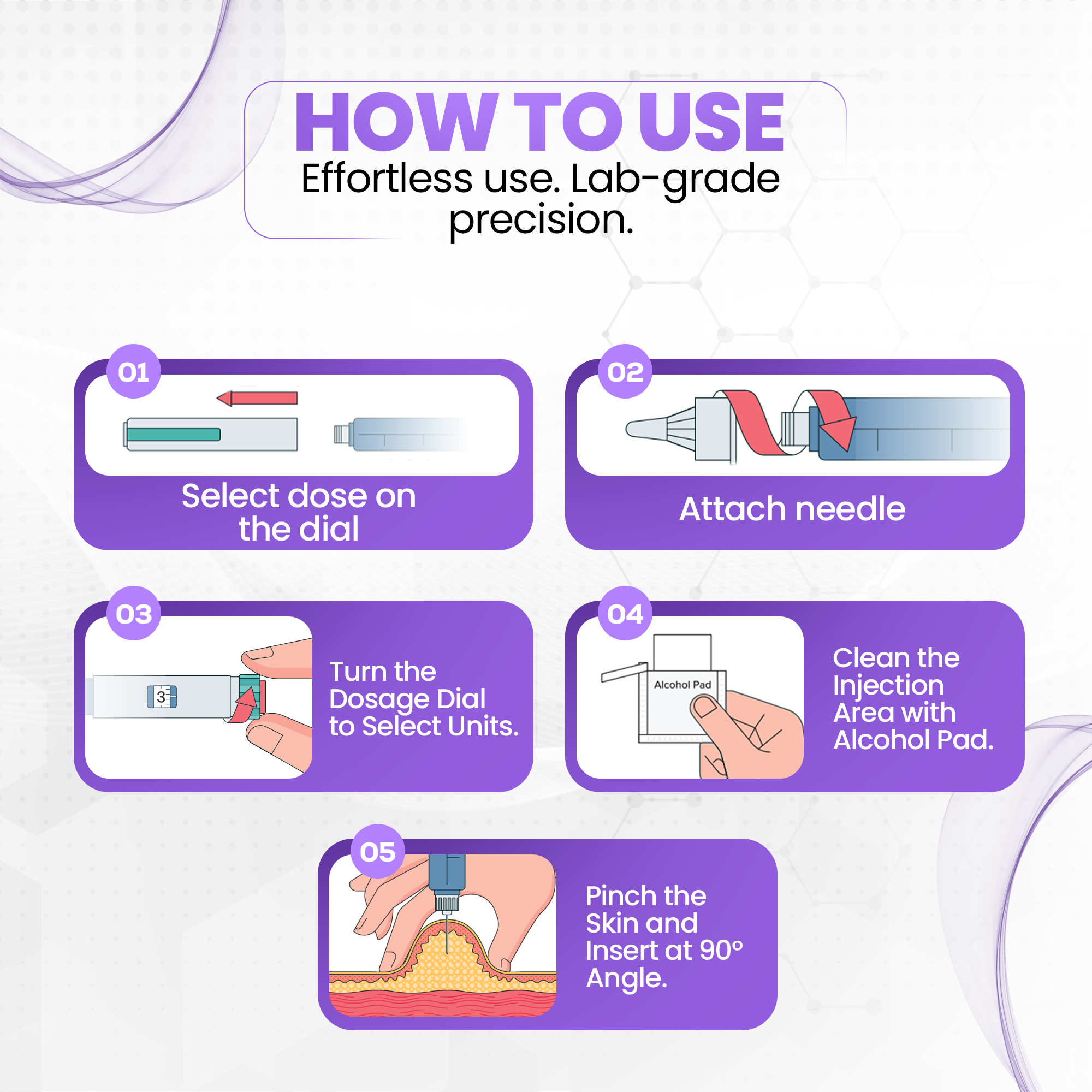
- 1× Disposable Pre-Mixed Injection Pen
- Powered by our proprietary PSM Technology™: precision stabilization & mixing system for consistent potency
- 10× Ultra-thin Needles (33G, 4 mm)
- 10× Alcohol Pads for sterile preparation
- Internal Stabilizing Foam Insert to prevent shaking during transport
- Instruction Panel printed on the inside of the box for quick reference
- Security Seal Sticker ensuring the package has not been opened or tampered with
Storage
Store the product in a refrigerator at 1-8°C immediately upon delivery. To maintain optimal stability, keep the pen away from light, and do not expose it to repeated temperature changes.
Once reconstituted (all our pens come pre-mixed), research compounds remain stable for 6-8 weeks under proper refrigeration.
Do not freeze after reconstitution. Always keep the box closed so the pen, needles, and alcohol pads stay clean and protected.
For best results, use the product consistently within the recommended time window and always follow your research protocol.
Delivery
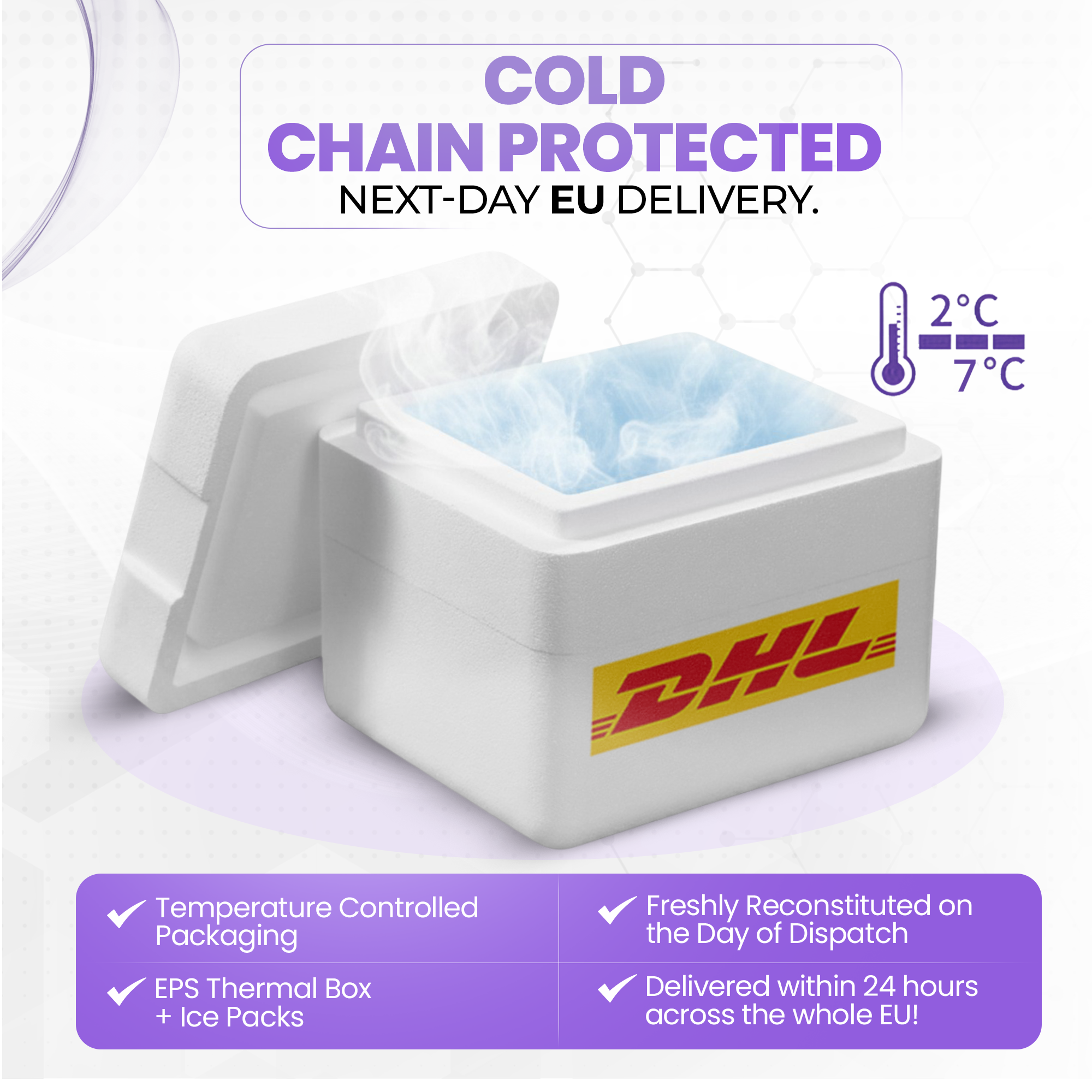
We ship with Next-Day EU Delivery via DHL Express or UPS Express.
All orders are prepared fresh on the day of dispatch, placed in EPS Cold-Chain Transport Boxes, and shipped with cooling elements to maintain a stable temperature throughout the journey.
Our logistics process is designed so the package arrives overnight, avoiding customs delays inside the European Union.
Products are shipped from our EU facility, ensuring no import duties, no customs clearance, and always fast and secure delivery.
Payment
Due to the nature of research peptides and the high-risk category assigned by payment processors, credit card companies do not generally support merchants in this field.
For this reason, we accept mainly Bank Transfers.
We also work with a crypto payment provider, and from time to time, card payments may be available depending on processor availability.
Within the European Union, SEPA transfers are fast, low-cost, and usually arrive within minutes to a few hours, making the payment process smooth and simple.
Once the transfer is received, your order is prepared immediately and dispatched the same day, depending on the daily cut-off time.
Please note that we do not dispatch shipments on Fridays or on days before official public holidays. This is done to ensure that parcels can be delivered on the next working day and are not held in transit over weekends or holidays.
This method ensures compliance, security, and continuity of service for all customers across the EU.
Didn't find the answer to your question?
View all frequently asked questionsRELATED PRODUCTS


Cartalax
Cartalax is a synthetic short peptide bioregulator composed of the tripeptide sequence Ala-Glu-Asp, developed within the Khavinson peptide research framework.


Chonluten
Chonluten is a short tripeptide bioregulator composed of the amino acid sequence Glu-Asp-Gly (EDG), originally isolated from bronchial epithelial cells.


Cortagen
Cortagen is a synthetic tetrapeptide with the amino acid sequence Ala-Glu-Asp-Pro, belonging to the family of short peptide bioregulators developed


Pinealon
Pinealon is a synthetic short peptide bioregulator composed of three amino acids (Glu-Asp-Arg), developed within the Russian peptide research tradition

