




KPV
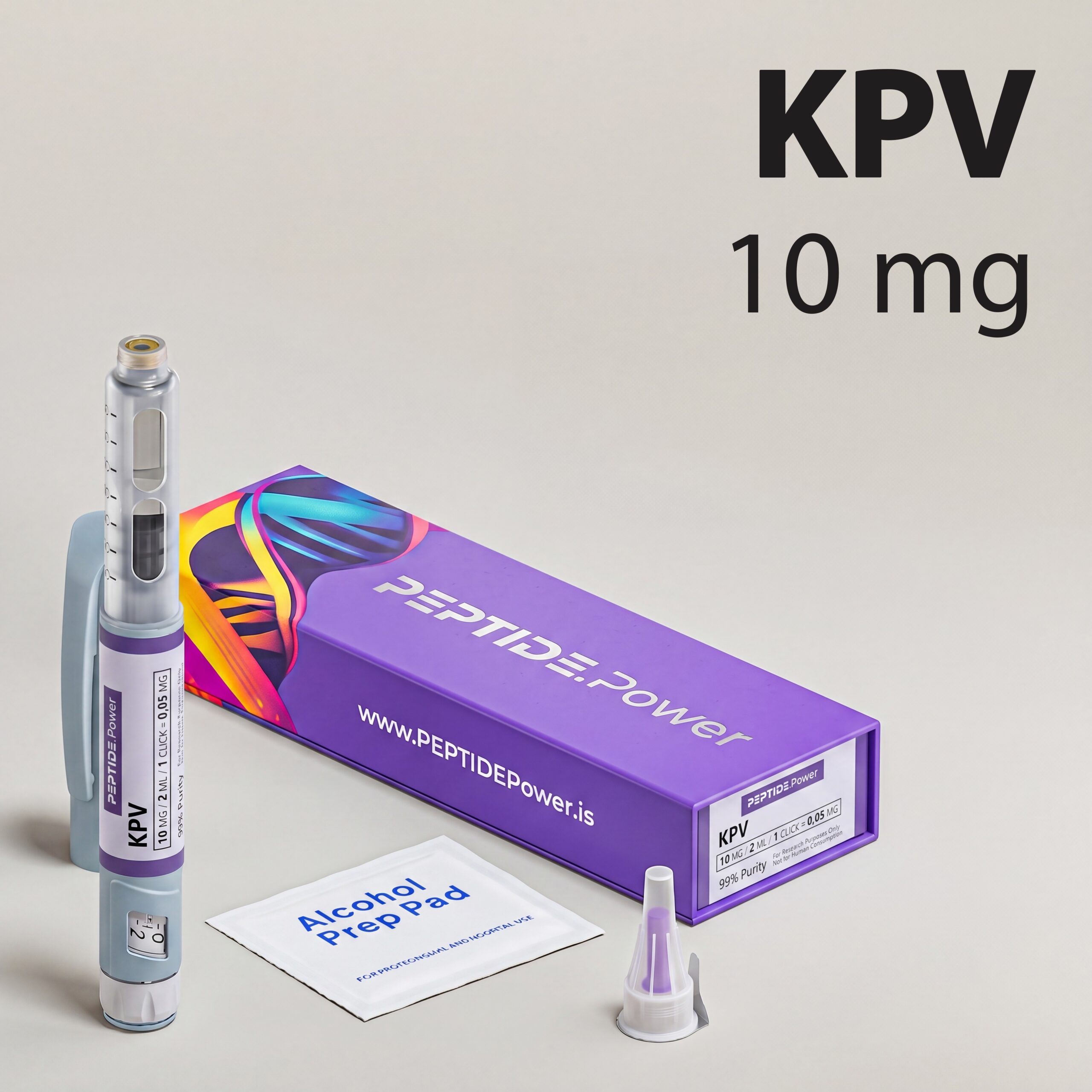
KPV (Lys-Pro-Val) is a tripeptide fragment derived from alpha-melanocyte stimulating hormone (alpha-MSH) studied for its role in cytokine regulation and inflammatory pathway modulation. Unlike full melanocortin agonists, KPV demonstrates focused anti-inflammatory signaling without broad receptor activation. In experimental models, it has been observed to support immune balance, epithelial barrier integrity, and localized inflammatory control. Formulated in a stabilized pre-mixed injection pen for research use only.
68,00 €
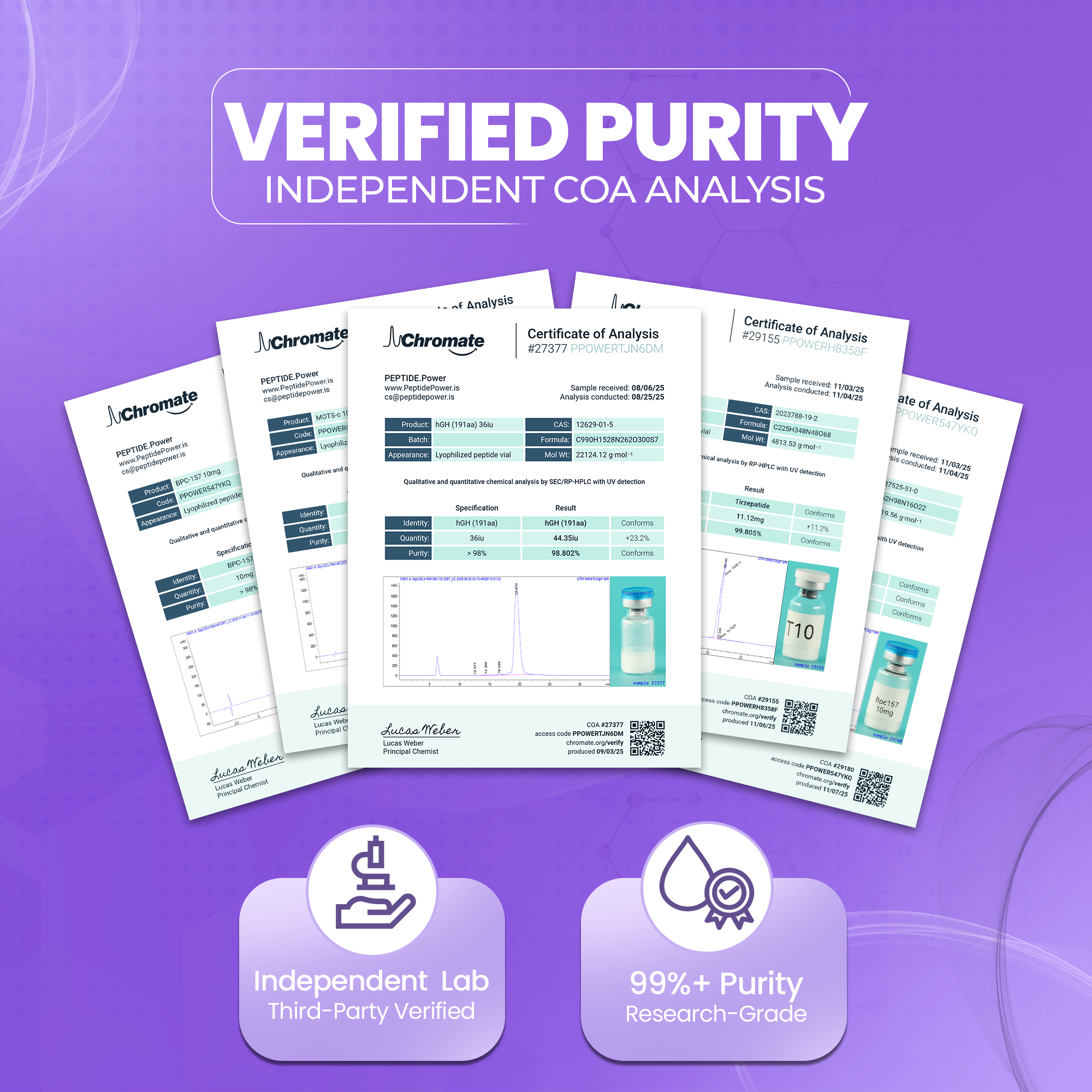
Quality Certificates
Independent third-party lab analysis (CoA) - from our own in-house brand.
📦Also available in a stack · save up to 91,00 €
Repair Matrix - Advancedsave 91,00 €View the stack →KPV - Targeted Inflammation Control & Gut Barrier Support
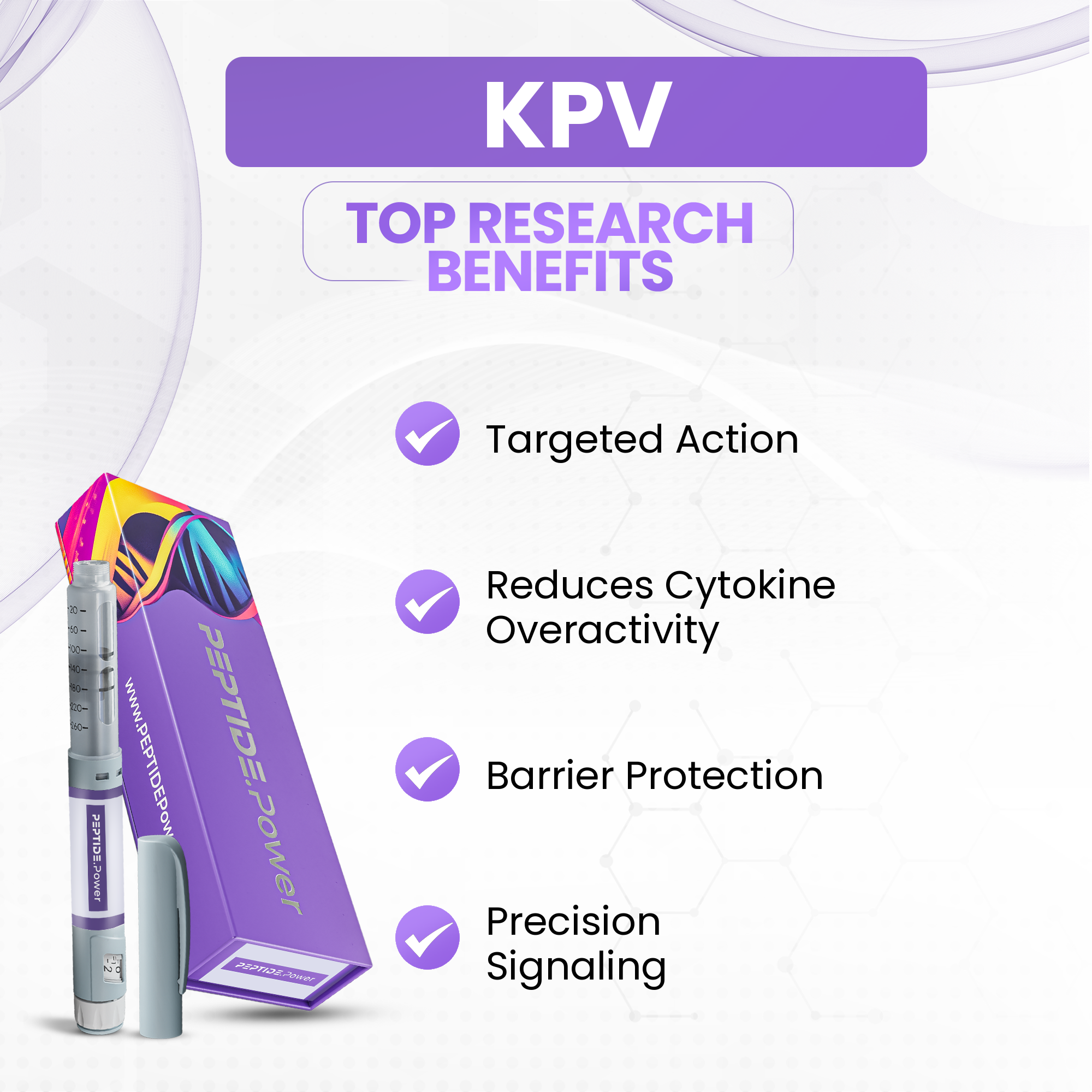
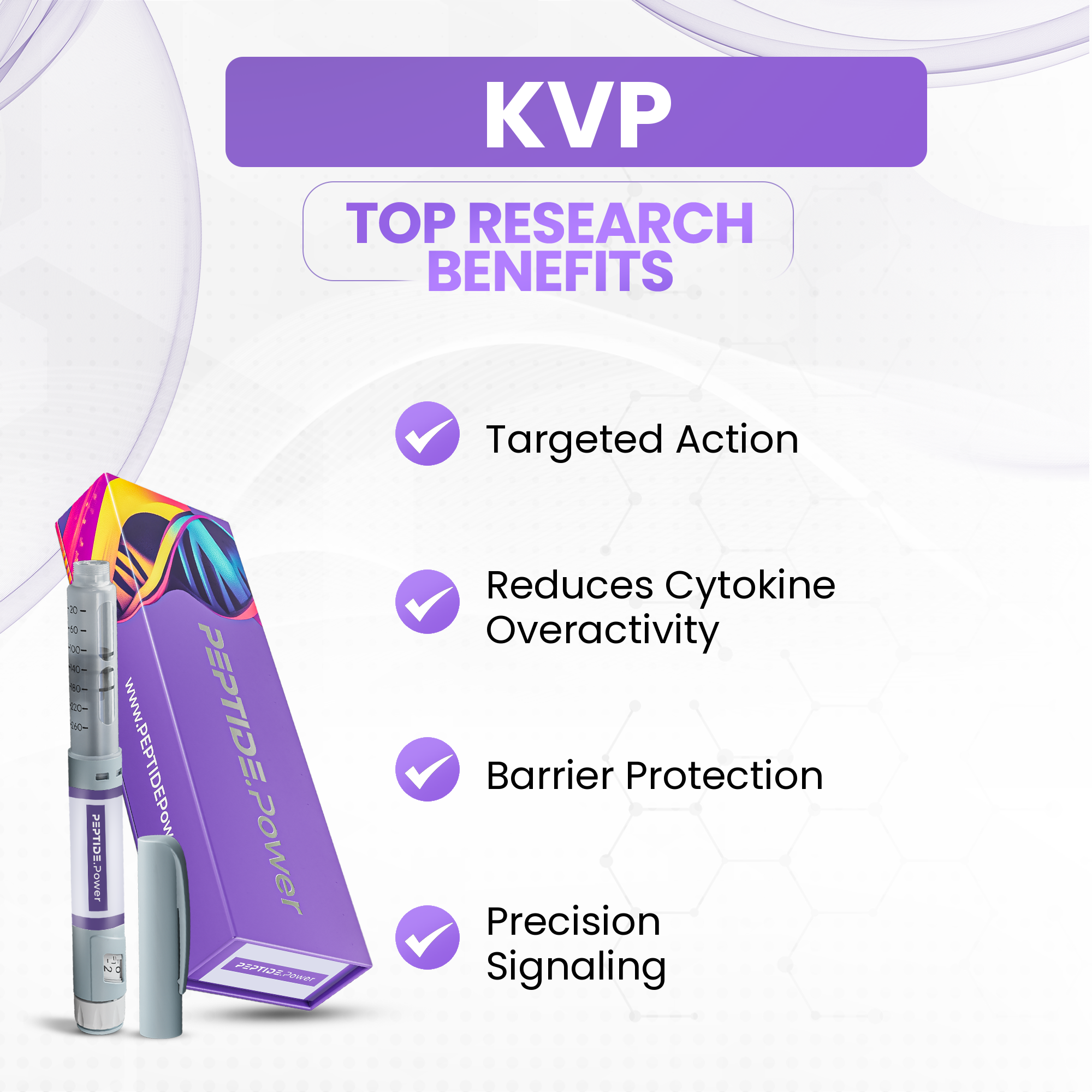
Supports balanced immune response
Helps maintain intestinal lining integrity
Encourages controlled cytokine signaling
Studied in inflammatory skin models
Focused anti-inflammatory peptide fragment
Supports healthy inflammatory levels
Helps protect epithelial tissues
Derived from alpha-MSH sequence
Description
KPV is a C-terminal tripeptide fragment of alpha-MSH that retains selective anti-inflammatory properties independent of full melanocortin receptor activation. It has been studied for its ability to modulate pro-inflammatory cytokine production and influence NF-kB, mediated signaling pathways. Unlike broader melanocortin agonists, KPV appears to exert localized immune-regulatory effects with reduced systemic melanocortin activity.
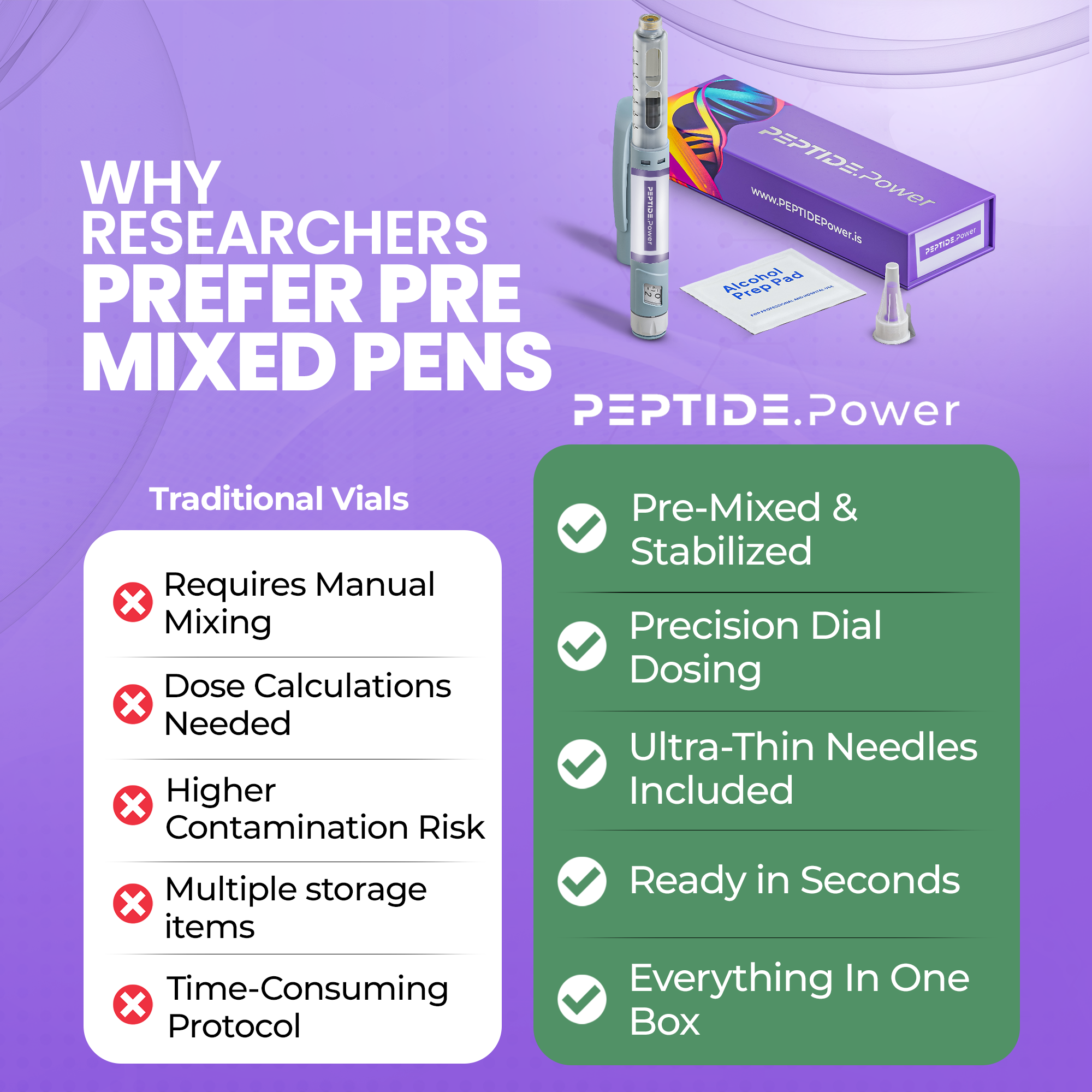
Our formulation is provided in a stabilized pre-mixed injection pen for SubQ administration. Subcutaneous delivery supports controlled systemic exposure and predictable immunomodulatory signaling in experimental protocols. Each unit is freshly prepared to preserve peptide integrity and standardized dosing. The product is intended strictly for laboratory and research use only.
In preclinical models, KPV has been observed to influence tumor necrosis factor-alpha signaling, interleukin expression, and epithelial barrier function. Research domains include inflammatory bowel models, dermatologic inflammation research, and cytokine modulation investigations.
Clinical Status
Human RCT ▣ | Observational ▣ | Animal ▣ | In vitro ✔
Primarily studied in inflammatory modulation and epithelial barrier research contexts.
Mechanism of Action
KPV exerts its effects primarily by downregulating NF-kB signaling, a central transcription factor governing pro-inflammatory gene expression. Once internalized into cells, the tripeptide has been observed to inhibit IKK activity, preventing IkB degradation and reducing NF-kB nuclear translocation. This action suppresses transcription of TNF-alpha, IL-6, and other inflammatory mediators, while modulating mast cell degranulation in experimental models of mucosal and dermal inflammation.
Benefits
- Helps calm overactive inflammatory responses:
KPV is studied for its ability to help regulate inflammatory signaling when the immune system becomes overly reactive. Instead of shutting down immune activity completely, it appears to support a more balanced response. This is important because excessive inflammation can disrupt normal tissue function. In laboratory models, KPV has been associated with reduced levels of certain pro-inflammatory messengers. The goal of this signaling shift is not immune suppression, but improved regulation. This makes KPV relevant in research focused on chronic or localized inflammation. - Supports gut lining integrity and barrier stability:
The intestinal barrier plays a critical role in separating the external environment from internal immune signaling. When this barrier becomes compromised, inflammatory processes can escalate. KPV has been studied in experimental gut inflammation models where improved epithelial stability was observed. Research suggests it may influence tight junction proteins that help maintain structural integrity of the gut lining. By supporting barrier resilience, KPV is often explored in gastrointestinal research contexts. - Encourages balanced cytokine signaling:
Cytokines are chemical messengers that control immune communication. When certain cytokines are overproduced, inflammatory cycles can become self-sustaining. KPV has been evaluated for its influence on regulating key inflammatory mediators. Rather than eliminating these signals, it appears to help moderate their intensity. This fine-tuning approach supports immune balance instead of blunt suppression. - Studied in inflammatory skin models:
Inflammation is not limited to internal tissues; the skin is also a highly active immune organ. KPV has been explored in dermatologic research models involving inflammatory signaling in keratinocytes. Reduced inflammatory marker expression has been observed in controlled laboratory settings. This expands its relevance beyond gastrointestinal research into broader epithelial biology. - Promotes a more controlled immune environment:
A healthy immune response requires precision. Too little activation increases vulnerability, while too much can damage tissue. KPV is studied for its role in helping maintain this balance. Its effects appear localized and regulatory rather than system-wide suppression. This makes it an interesting candidate in research examining immune recalibration rather than immune shutdown. - Derived from a natural anti-inflammatory sequence:
KPV originates from the alpha-MSH peptide, which is naturally involved in anti-inflammatory signaling in the body. As a small fragment, it retains certain regulatory properties without activating the entire melanocortin system. This selective behavior allows researchers to study focused inflammatory modulation without broader hormonal effects. - Explored in models of chronic low-grade inflammation:
Chronic low-level inflammation is increasingly studied in metabolic and barrier-related conditions. KPV has been evaluated in experimental systems that simulate prolonged inflammatory stress. Findings suggest it may help reduce excessive immune signaling in these contexts. Its small size and targeted activity profile support investigation in localized inflammatory environments. - Designed for structured research use:
Provided in a stabilized pre-mixed injection pen for SubQ administration, KPV supports controlled experimental exposure. Subcutaneous delivery allows consistent absorption in research protocols. Each unit is freshly prepared and intended strictly for laboratory use only.
Research Data
| Study / Model | Reported effect |
|---|---|
| DSS-induced colitis (mouse model) | ↓ colonic inflammation, ↓ TNF-α and IL-6 expression, improved mucosal recovery |
| Oral nanoparticle-delivered KPV (IBD models) | Reduced histological damage and restored epithelial barrier integrity |
| Atopic dermatitis (murine skin model) | ↓ skin lesion severity, ↓ mast cell infiltration, suppressed Th2 cytokines |
| In vitro macrophage culture (LPS-stimulated) | Inhibited NF-kB nuclear translocation, ↓ pro-inflammatory cytokine output |
| Keratinocyte and fibroblast assays | ↓ inflammatory signaling, supported wound closure dynamics |
| Allergic contact dermatitis model | Attenuated edema, reduced leukocyte infiltration at lesion sites |
| Intestinal epithelial cell lines | Decreased NF-kB activation and restored tight junction protein expression |
Stack Suggestions
KPV is often combined in research with:
- KPV + BPC-157 → Combines mucosal anti-inflammatory action with regenerative tissue repair in gut models.
- KPV + TB-500 → Pairs cytokine modulation with systemic repair pathways for connective tissue research.
- KPV + LL-37 → Balances anti-inflammatory signaling with antimicrobial activity in barrier studies.
- KPV + GHK-Cu → Supports skin inflammation models alongside extracellular matrix remodeling.
⚠ Stacks are for experimental design only; not safety or efficacy guidance.
Pen Dosage Chart
| KPV Pen 10 mg | |
|---|---|
| Volume | 2 mL |
| mg/mL | 5 mg/mL |
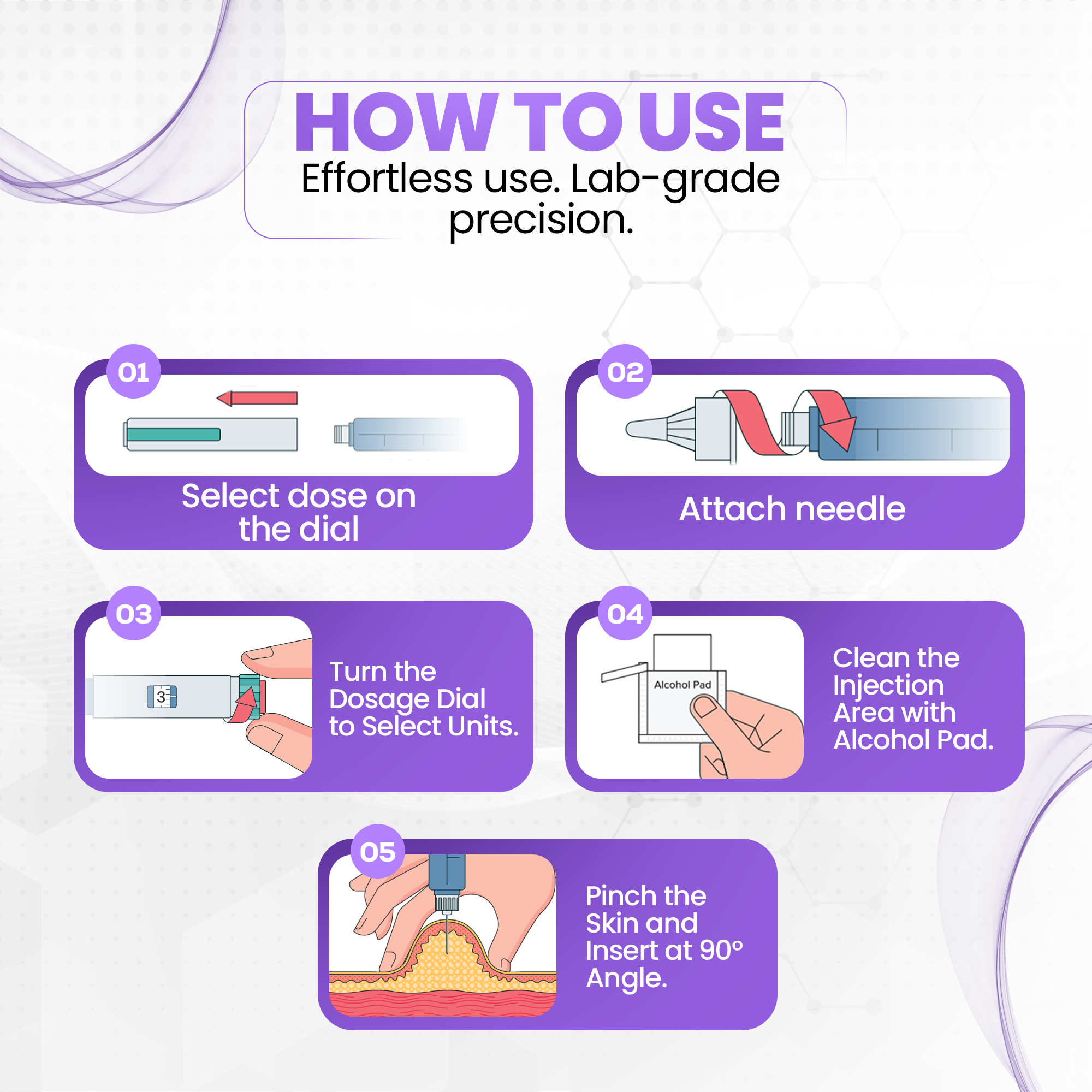
| Click-to-Dose | 1 click = 0.05 mg |
| Example(s) | 10 clicks = 0.5 mg |
Dosage & Protocols Variations
Standard Research Protocol
- Dose: 0.2 – 0.5 mg (= 4-10 clicks)
- Duration: 4 – 6 weeks
- Frequency: Daily
- Cycle Interval: 2 – 4 weeks off before repeating
- Goal / Description: Baseline anti-inflammatory and cytokine modulation models.
Therapeutic Research Protocol
- Dose: 0.5 – 1 mg (= 10-20 clicks)
- Duration: 6 – 8 weeks
- Frequency: Daily
- Cycle Interval: 3 – 4 weeks off before repeating
- Goal / Description: Targeted gastrointestinal and mucosal inflammation research.
Biohacker Protocol (experimental)
- Dose: 0.1 – 0.25 mg (= 2-5 clicks)
- Duration: 8 – 12 weeks
- Frequency: Daily, continuous
- Cycle Interval: 1 – 2 weeks off every 8 weeks
- Goal / Description: Low-dose continuous NF-kB modulation studies.
Stacked Protocol (KPV + BPC-157)
- Dose: 0.25 – 0.5 mg KPV + 0.25 mg BPC-157 (= 5-10 clicks)
- Duration: 4 – 6 weeks
- Frequency: Daily
- Cycle Interval: 2 – 4 weeks off before repeating
- Goal / Description: Combined mucosal repair and inflammatory pathway research.
Possible Side Effects
KPV is generally well-tolerated in animal studies and limited human research models.
Reported side effects are rare and mild:
- Mild irritation or redness at the injection site.
- Transient flushing or warmth following administration.
- Occasional mild headache reported in early dosing.
- Slight gastrointestinal sensitivity in oral research formulations.
No evidence of hormonal, hepatic, or systemic adverse effects has been observed in available data.
Product Attributes
- CAS #: 67727-97-3
- Molecular Formula: C16H30N4O4
- Sequence (AA): KPV
- Molecular Weight: 342.43 g/mol
- PubChem CID: 125672
- Half-Life: ~30-60 minutes
- Synonyms: Lysine-Proline-Valine, Lys-Pro-Val, alpha-MSH (11-13), KPV tripeptide
- Type: Synthetic research tripeptide (alpha-MSH C-terminal fragment)
- Research Focus: Immunity & Inflammation, Gut Health
Scientific References
- Alpha-melanocyte-stimulating hormone and related tripeptides: biochemistry, antiinflammatory and protective effects in vitro and in vivo, and future perspectives for the treatment of immune-mediated inflammatory diseases Observational | Animal | In vitro
- The tripeptide KdPT is hydrolytically stable and reduces TNF-α-induced pro-inflammatory mediators in human keratinocytes In vitro
- Targeted delivery of the tripeptide KPV via a nanoparticle drug delivery system attenuates colitis in mice Animal | In vitro
- Anti-inflammatory effect of the tripeptide KPV in cells and animal models of inflammatory bowel disease Animal | In vitro
- The anti-inflammatory tripeptide KPV inhibits NF-kB nuclear translocation, ICAM-1 expression and neutrophil recruitment In vitro
- KPV reduces inflammation in models of colitis and oxidative stress Animal | In vitro
- Alpha-MSH and its tripeptide KPV downregulate pro-inflammatory cytokine production in keratinocytes In vitro
- Lysine-proline-valine: a melanocortin-derived peptide with potent anti-inflammatory activity Animal | In vitro
Included In The Box
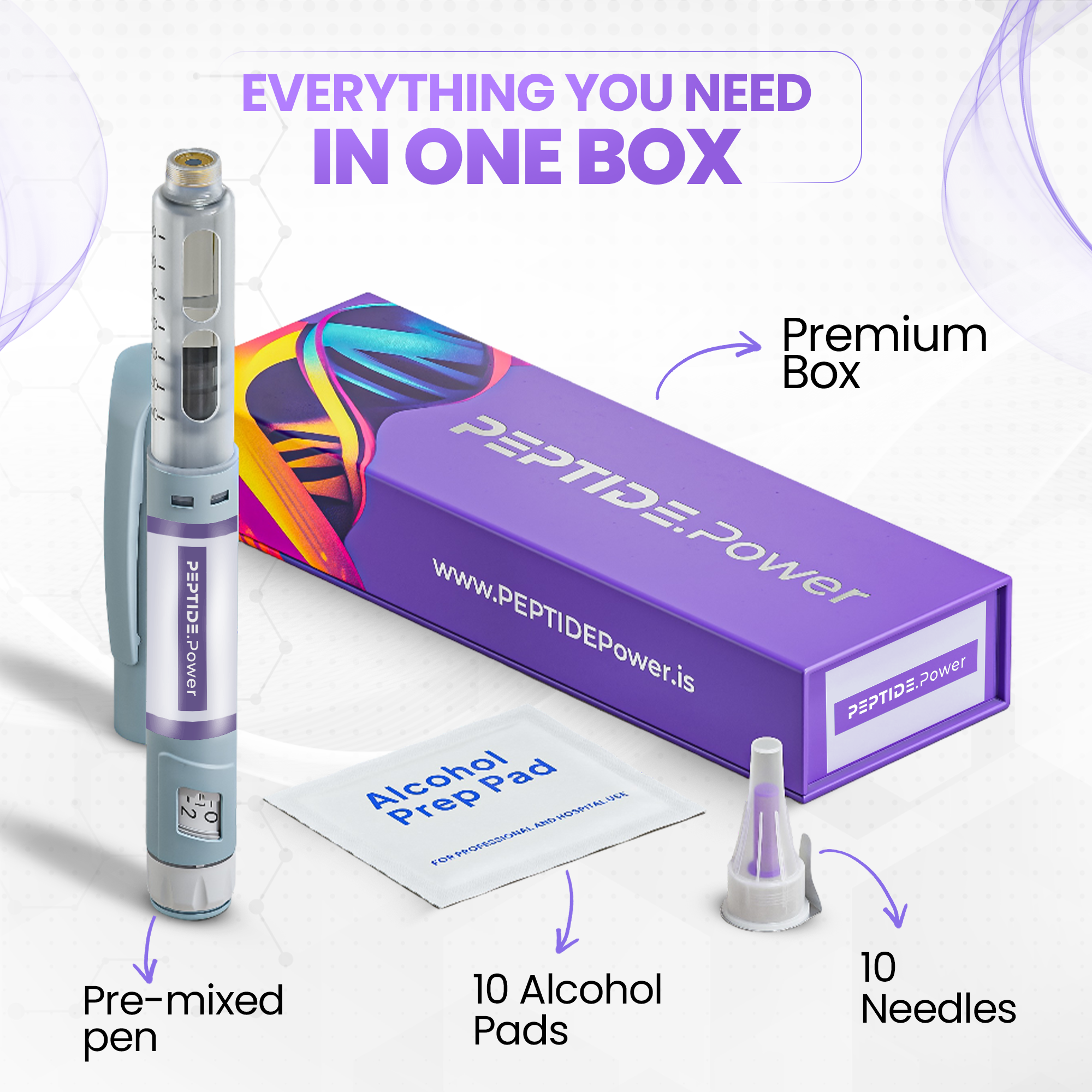
Every product arrives in a premium, custom-designed PEPTIDE.Power box, engineered for convenience, hygiene, and safe storage in your refrigerator. Inside, you will find everything needed for your full research protocol:
- 1× Disposable Pre-Mixed Injection Pen
- Powered by our proprietary PSM Technology™: precision stabilization & mixing system for consistent potency
- 10× Ultra-thin Needles (33G, 4 mm)
- 10× Alcohol Pads for sterile preparation
- Internal Stabilizing Foam Insert to prevent shaking during transport
- Instruction Panel printed on the inside of the box for quick reference
- Security Seal Sticker ensuring the package has not been opened or tampered with
Storage
Store the product in a refrigerator at 1-8°C immediately upon delivery. To maintain optimal stability, keep the pen away from light, and do not expose it to repeated temperature changes.
Once reconstituted (all our pens come pre-mixed), research compounds remain stable for 6-8 weeks under proper refrigeration.
Do not freeze after reconstitution. Always keep the box closed so the pen, needles, and alcohol pads stay clean and protected.
For best results, use the product consistently within the recommended time window and always follow your research protocol.
Delivery
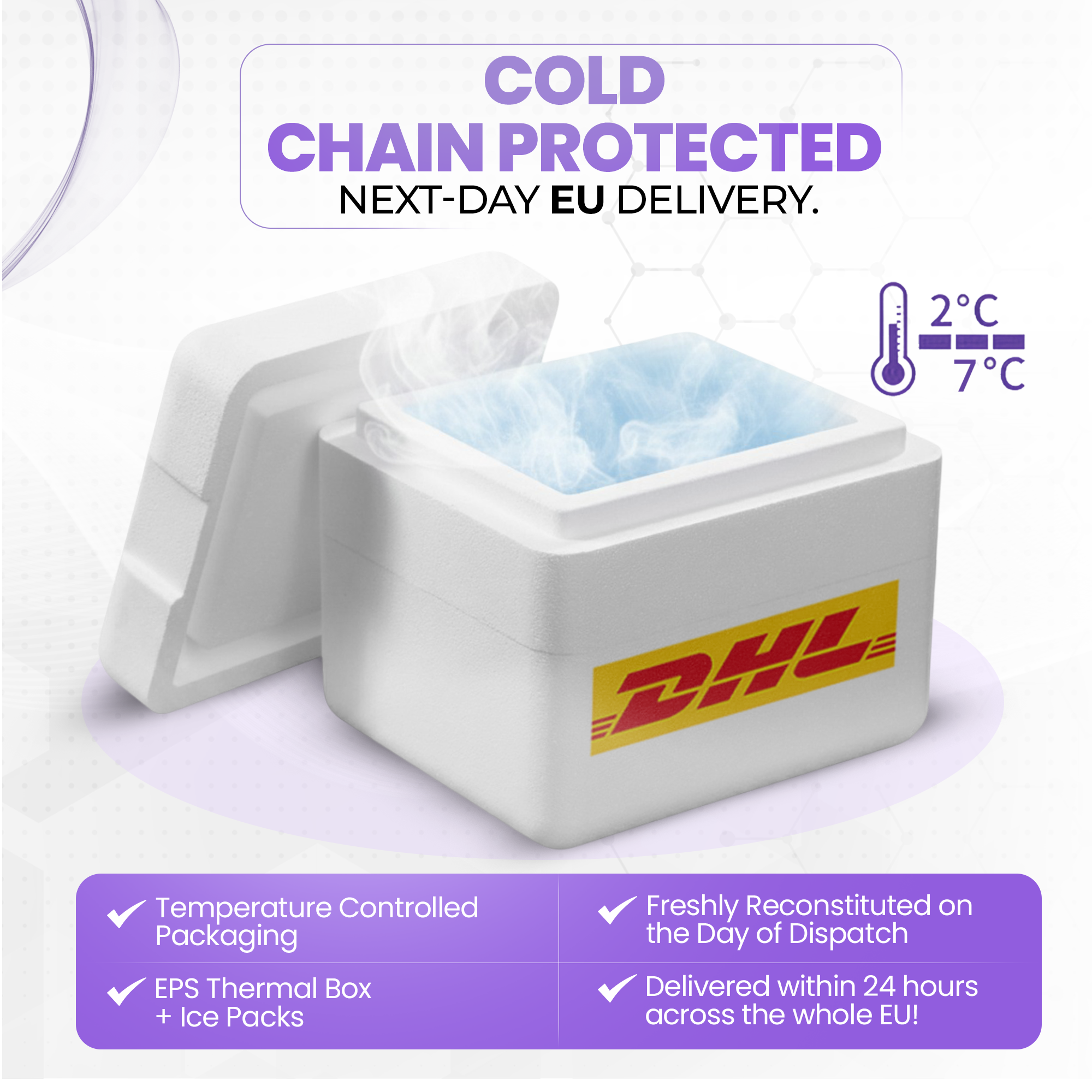
We ship with Next-Day EU Delivery via DHL Express or UPS Express.
All orders are prepared fresh on the day of dispatch, placed in EPS Cold-Chain Transport Boxes, and shipped with cooling elements to maintain a stable temperature throughout the journey.
Our logistics process is designed so the package arrives overnight, avoiding customs delays inside the European Union.
Products are shipped from our EU facility, ensuring no import duties, no customs clearance, and always fast and secure delivery.
Payment
Due to the nature of research peptides and the high-risk category assigned by payment processors, credit card companies do not generally support merchants in this field.
For this reason, we accept mainly Bank Transfers.
We also work with a crypto payment provider, and from time to time, card payments may be available depending on processor availability.
Within the European Union, SEPA transfers are fast, low-cost, and usually arrive within minutes to a few hours, making the payment process smooth and simple.
Once the transfer is received, your order is prepared immediately and dispatched the same day, depending on the daily cut-off time.
Please note that we do not dispatch shipments on Fridays or on days before official public holidays. This is done to ensure that parcels can be delivered on the next working day and are not held in transit over weekends or holidays.
This method ensures compliance, security, and continuity of service for all customers across the EU.
Didn't find the answer to your question?
View all frequently asked questionsRELATED PRODUCTS


ARA-290 (Cibinetide)


DSIP


IGF-1LR3


LL-37

