

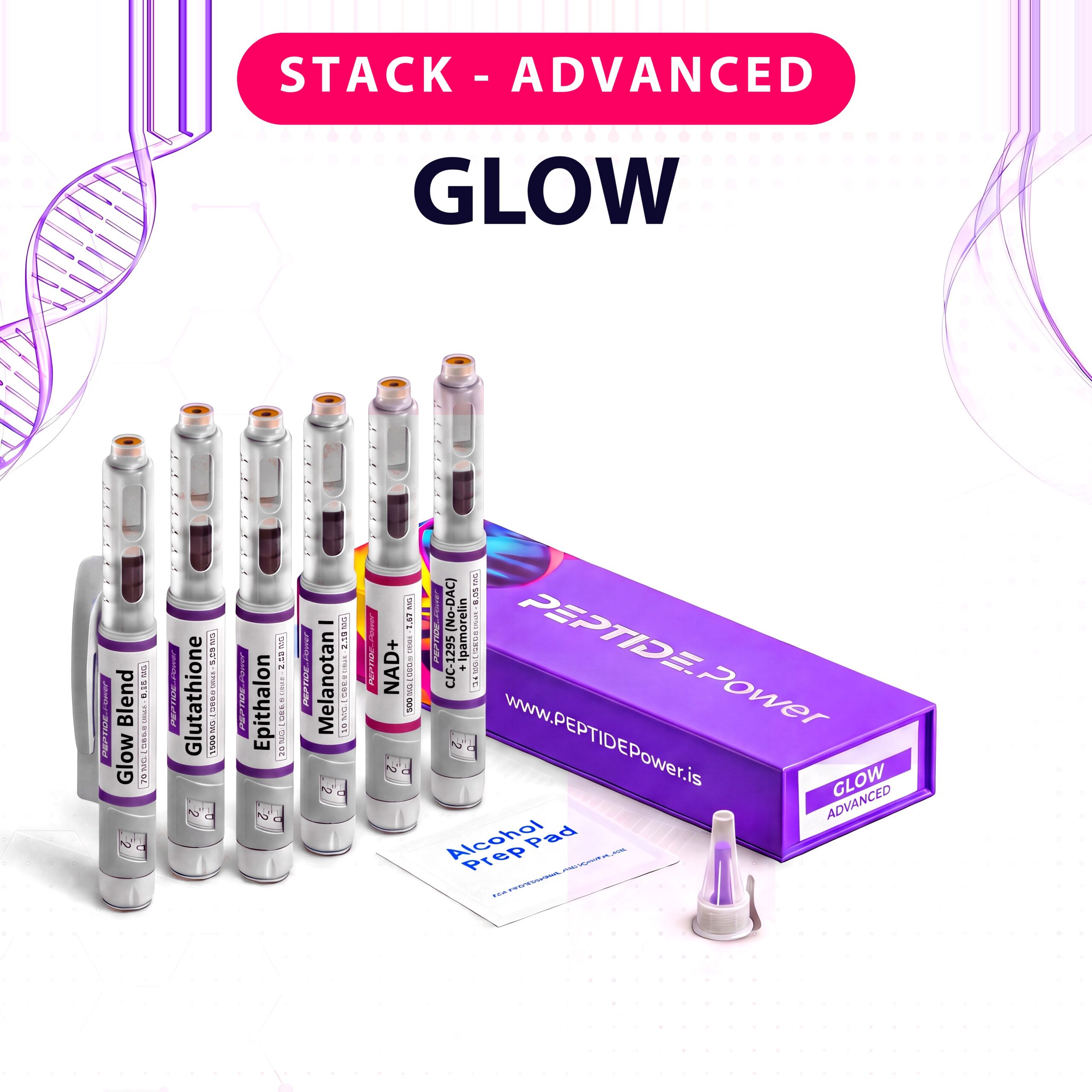



Glow – Advanced
Glow Advanced extends the beauty kit with Melanotan I, cellular NAD+ and the CJC-1295 + Ipamorelin secretagogue pair, giving researchers a six-component panel covering skin repair, pigmentation, collagen-linked GH pathways and redox balance.
Supplied at research-grade purity. For research purposes only; not for human consumption.
679,00 € Le prix initial était : 679,00 €.509,00 €Le prix actuel est : 509,00 €.
Le panel complet d’éclat — Glow Blend, Glutathione, Epithalon, Melanotan I, NAD+ et CJC-1295+Ipamorelin.
Ce que contient ce pack


Glow - Advanced - Advanced Research for Skin Radiance & Cellular Vitality
Glutathione
Epithalon
Melanotan I
NAD+
CJC-1295 + Ipamorelin
Glow Blend
NAD+, Epithalon
CJC-1295 + Ipamorelin
Description
Mécanisme d'action
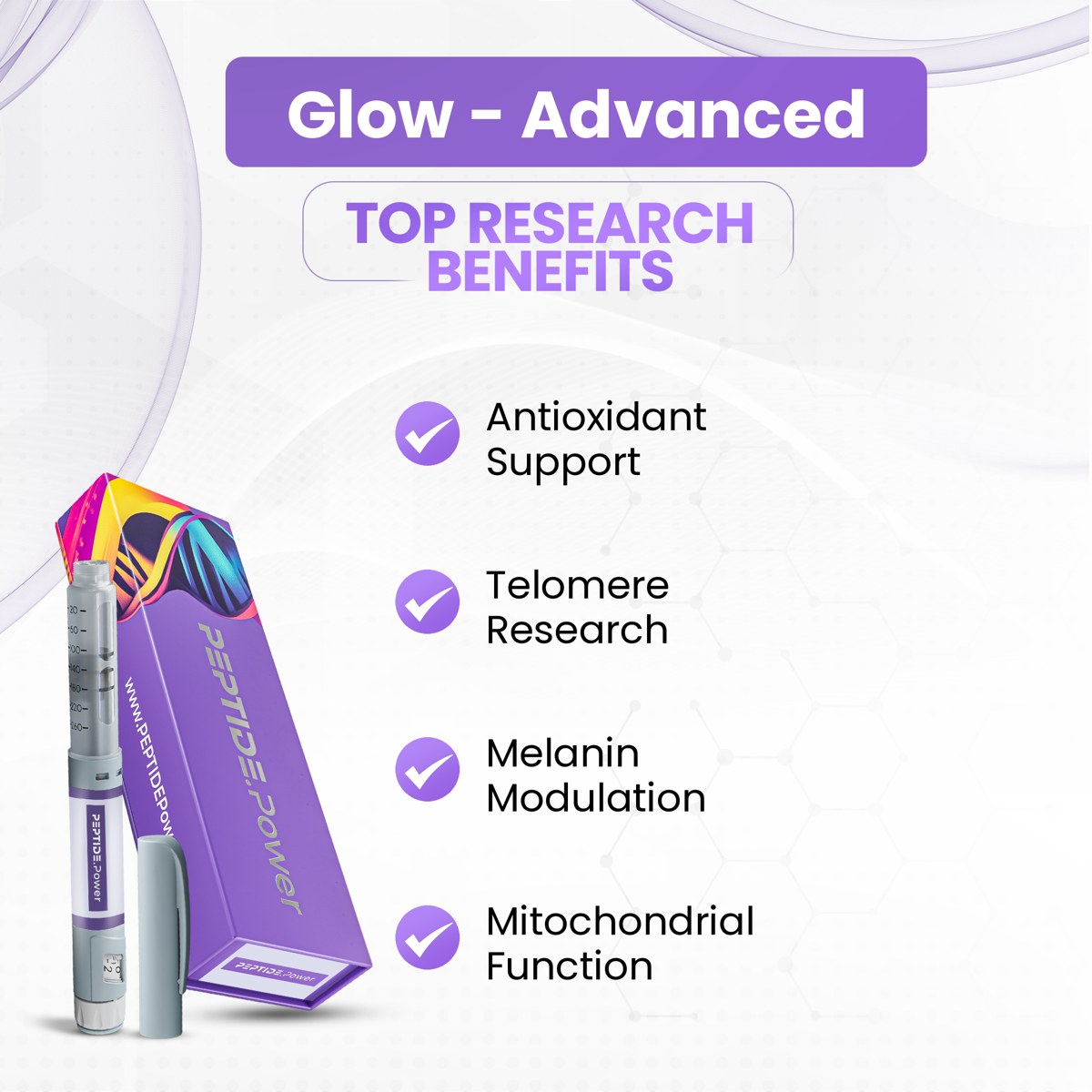
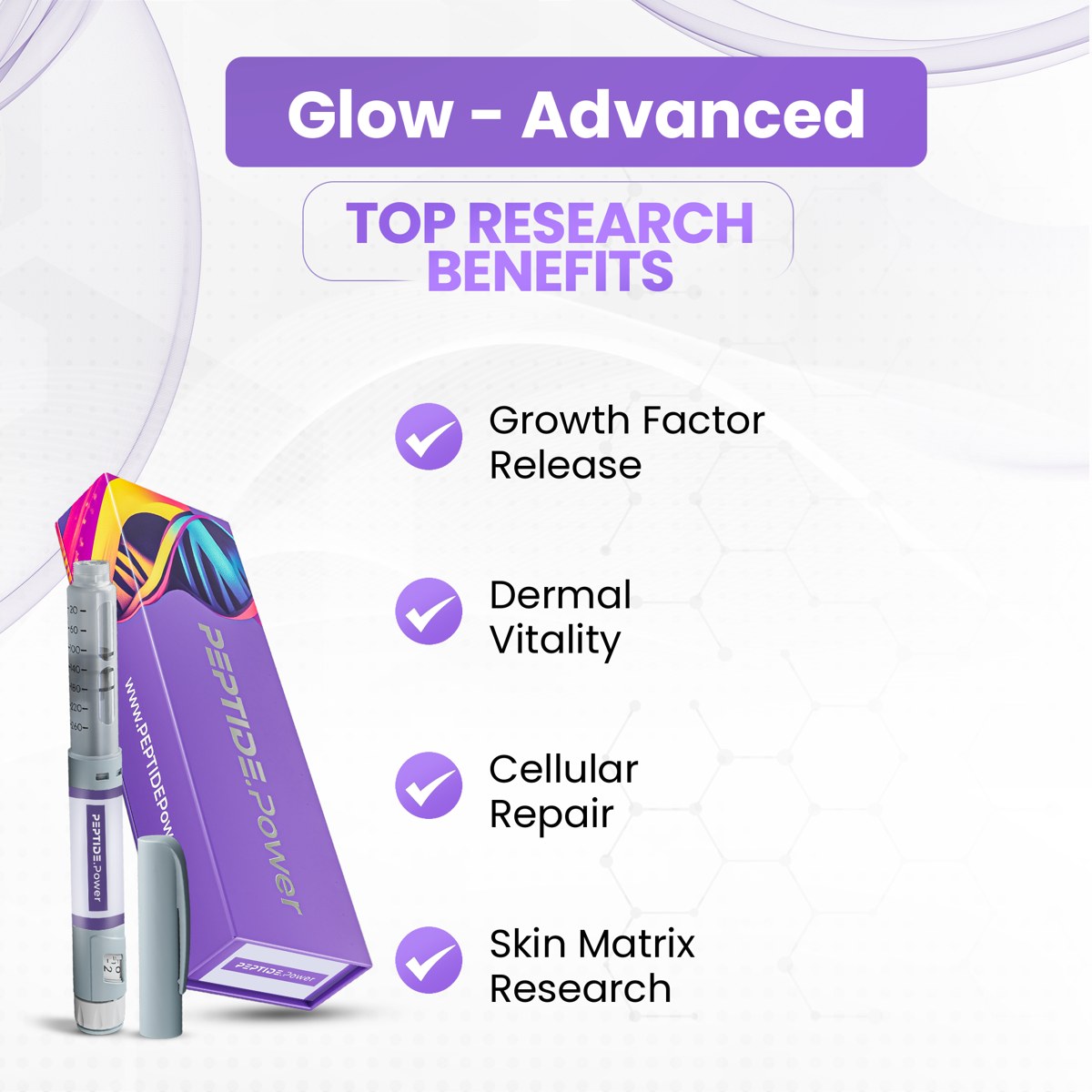
This advanced research stack explores synergistic pathways for cellular vitality and dermal integrity. Components investigate antioxidant defense (Glutathione), telomere support (Epithalon), and mitochondrial function (NAD+). Growth hormone secretagogues (CJC/Ipamorelin) are studied for tissue regeneration. Melanotan I is researched for melanogenesis, complementing these actions for comprehensive skin health.
Bénéfices
- Cellular Longevity – Epithalon’s telomerase activation research
- Antioxidant Defense – Glutathione’s free radical scavenging studies
- Mitochondrial Support – NAD+ research for cellular energy pathways
- Dermal Regeneration – CJC-1295/Ipamorelin’s growth factor studies
- Pigmentation Research – Melanotan I’s melanin synthesis modulation
- Synergistic Radiance – Glow Blend’s comprehensive skin vitality research
Données de recherche
Glow Blend
| Study/model | Reported effect |
| BPC-157 tendon injury models | ↑ Healing rate, ↑ fibroblast migration, ↓ inflammation |
| TB-500 muscle repair studies | ↑ Cell migration and actin polymerization, ↓ fibrosis |
| GHK-Cu dermal studies (human fibroblast cultures) | ↑ Collagen synthesis and ECM gene expression |
| Combined peptide models (in vitro) | ↑ Angiogenic signaling (VEGF, FGF2), ↑ wound closure speed |
| Rodent wound healing models | Accelerated epithelialization and capillary density increase |
| Oxidative stress assays | ↓ Lipid peroxidation, ↑ SOD and catalase activity |
| Aging skin models | ↑ Dermal thickness, ↓ wrinkle formation, ↑ antioxidant enzymes |
Glutathione
| Study/model | Reported effect |
| Human trials (oral and IV administration) | ↑ Plasma GSH levels, ↓ oxidative biomarkers (MDA, 8-OHdG) |
| Animal oxidative stress models | ↓ Lipid peroxidation and improved mitochondrial GSH:GSSG ratio |
| Hepatotoxicity models (CCl4, acetaminophen) | ↓ ALT/AST, ↓ hepatic necrosis, improved antioxidant enzyme activity |
| Neurodegenerative disease models | Protection of dopaminergic neurons and ↓ oxidative stress markers |
| In vitro melanocyte cultures | ↓ Tyrosinase activity and melanin synthesis via GSH-mediated inhibition |
| Inflammatory models | ↓ TNF-α, IL-6, and CRP, supporting immunomodulatory roles |
| Pharmacokinetic assessments | ↑ Cellular uptake with liposomal and SubQ formulations |
Epithalon
| Study / Model | Reported effect |
|---|---|
| Human somatic cell culture | ↑ Telomerase activity, ↑ telomere length in dividing cells |
| Aged mice longevity studies | Extended median lifespan, ↓ age-related tumor incidence |
| Pineal gland animal models | Restored melatonin secretion rhythm, normalized circadian markers |
| Elderly human observational cohort | Improved sleep architecture, ↑ nocturnal melatonin levels |
| Retinal degeneration rat model | ↓ Photoreceptor loss, preserved retinal pigment epithelium |
| Oxidative stress in vitro assays | ↓ Lipid peroxidation, ↑ antioxidant enzyme expression |
| Immunosenescence rodent studies | Restored T-cell function, normalized thymic activity |
Melanotan I
| Study / Model | Reported effect |
|---|---|
| Erythropoietic protoporphyria (EPP) clinical trials | ↑ pain-free sun exposure duration; improved photoprotection via increased eumelanin |
| Healthy human volunteers (SubQ dosing) | ↑ skin pigmentation across all Fitzpatrick skin types after repeated administration |
| Vitiligo combination studies (with NB-UVB) | Accelerated and more uniform repigmentation of depigmented lesions |
| In vitro melanocyte cultures | ↑ tyrosinase activity and eumelanin synthesis via MC1R-cAMP signaling |
| UV-exposure animal models | ↓ DNA photodamage markers; reduced erythema response |
| Polymorphic light eruption research | Reduced phototoxic skin reactions in sensitive subjects |
| Pharmacokinetic studies (implant formulation) | Sustained MC1R activation over ~2 months from single subcutaneous implant |
NAD+
| Study/model | Reported effect |
| Human clinical trials (IV NAD+ administration) | ↑ plasma NAD+ by 4-6×; improved fatigue and alertness scores |
| Animal models (aged mice) | Restored mitochondrial function and ↑ lifespan by 15-20% |
| Cellular aging models | Activation of SIRT1 and PARP1 → enhanced DNA repair and mitochondrial biogenesis |
| Human observational studies | Correlation between low NAD+ and metabolic dysfunction, insulin resistance |
| In vitro neuronal cultures | Protection from oxidative and excitotoxic stress; improved neurite outgrowth |
| Metabolic disorder models | ↓ triglycerides and hepatic steatosis via AMPK activation |
| Exercise recovery studies | ↑ muscle NAD+/NADH ratio and improved endurance performance |
| Brain ischemia models | ↓ infarct size and enhanced neuronal survival post-injury |
CJC-1295 (No-DAC) + Ipamorelin
| Study/model | Reported effect |
| Rat pituitary cell assays | ↑ GH release via GHRH receptor stimulation (CJC-1295 No-DAC) |
| Human GH-deficiency pilot (CJC-1295 + Ipamorelin) | ↑ serum GH and IGF-1 levels with maintained circadian rhythm |
| Preclinical metabolic models | ↓ fat mass and ↑ lean tissue via GH-mediated lipolysis |
| Aged rodent models | Improved collagen synthesis and muscle fiber repair |
| Comparative GHRP studies | Ipamorelin showed minimal cortisol elevation vs GHRP-6 |
| In vitro somatotroph analysis | Dual receptor activation → enhanced GH pulse amplitude |
Suggestions de combinaison
This research bundle is ideal for investigators exploring advanced pathways in skin health, cellular longevity, and overall vitality. It suits those interested in the synergistic effects of peptides and coenzymes on dermal integrity and age-related markers.
Tableau de dosage du stylo
Glow Blend
| Glow Blend Pen 70 mg | |
| Volume | 2.0 mL |
| mg/mL | 35 mg/mL |
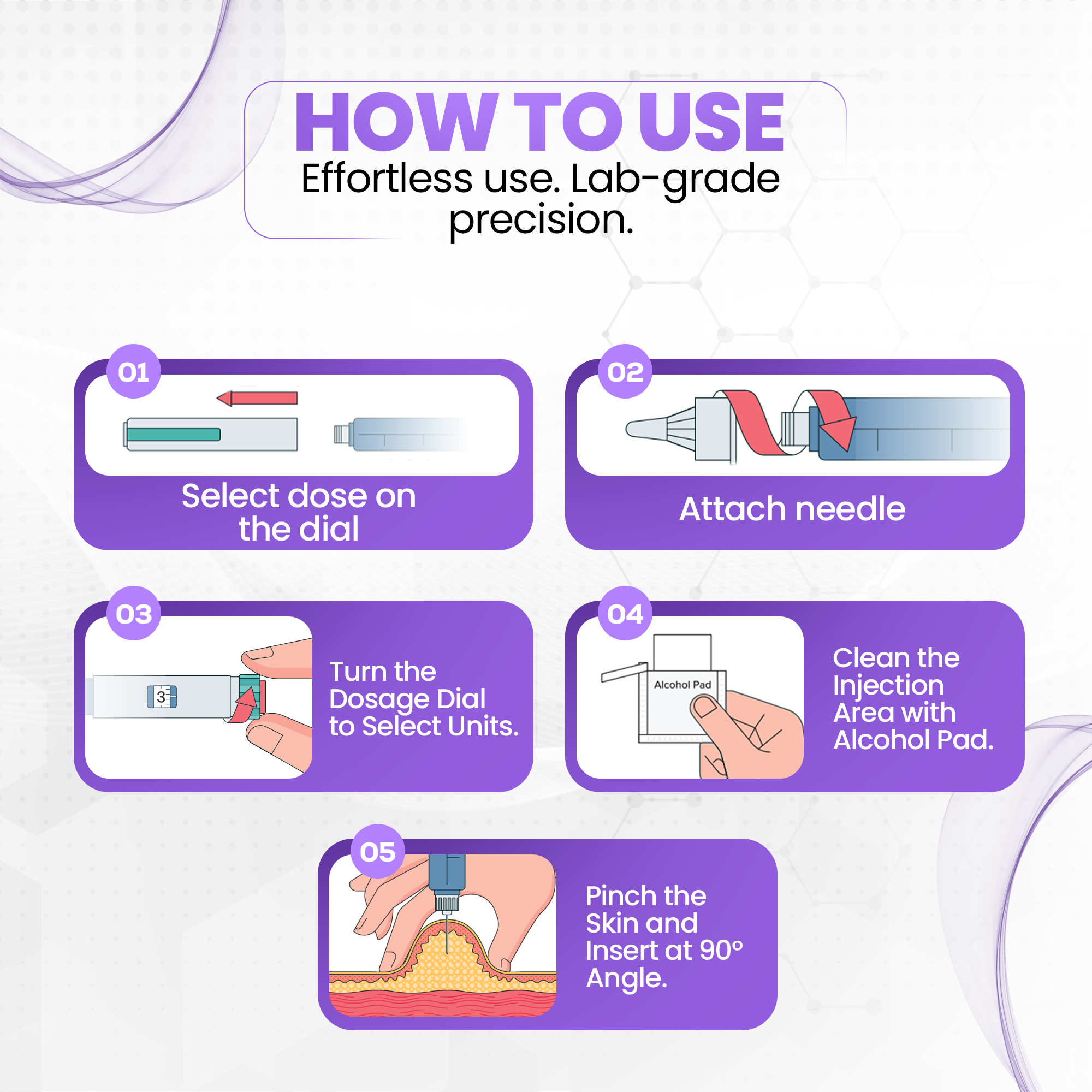
| Click-to-Dose | 1 click = 0.35 mg |
| Example(s) | 10 clicks = 3.5 mg |
Glutathione
| Glutathione Pen 1500 mg | |
|---|---|
| Volume | 3 mL |
| mg/mL | 500 mg/mL |
| Click-to-Dose | 1 click = 5 mg |
| Example(s) | 10 clicks = 50 mg |
Epithalon
| Epithalon Pen 20 mg | |
|---|---|
| Volume | 2 mL |
| mg/mL | 10 mg/mL |
| Click-to-Dose | 1 click = 0.1 mg |
| Example(s) | 10 clicks = 1 mg |
Melanotan I
| Melanotan I 10 mg Pen | |
|---|---|
| Volume | 2.0 mL (after reconstitution with bacteriostatic water) |
| mg/mL | 5.0 mg/mL |
| Click-to-Dose | 1 click = 0.05 mg |
| Example(s) | 10 clicks = 0.5 mg; 20 clicks = 1 mg |
NAD+
| NAD+ Pen 500 mg | |
| Volume | 3.0 mL |
| mg/mL | 166.67 mg/mL |
| Click-to-Dose | 1 click = 1.67 mg |
| Example(s) | 30 clicks = 50 mg |
| NAD+ Pen 1000 mg | |
| Volume | 3.0 mL |
| mg/mL | 333.33 mg/mL |
| Click-to-Dose | 1 click = 3.33 mg |
| Example(s) | 15 clicks = 50 mg |
CJC-1295 (No-DAC) + Ipamorelin
| CJC 1295 (No DAC) + Ipamorelin Pen 5 + 5 mg | |
| Volume | 2.0 mL |
| mg/mL | 5 mg/mL |
| Click-to-Dose | 1 click = 0.05 mg |
| Example(s) | 10 clicks = 0.5 mg |
| CJC 1295 (No DAC) + Ipamorelin Pen 5 + 10 mg | |
| Volume | 2.0 mL |
| mg/mL | 7.5 mg/mL |
| Click-to-Dose | 1 click = 0.075 mg |
| Example(s) | 10 clicks = 0.75 mg |
Dosage et variations de protocole
Glow Blend
Standard Regenerative Protocol
- Dose: 3.5 mg (= 10 clicks)
- Duration: 4 – 8 weeks
- Frequency: 1× daily
- Cycle Interval: 4 weeks off, then repeat
- Goal / Description: General accelerated healing and systemic repair effects
Skin Revitalization Protocol
- Dose: 7 mg (= 20 clicks)
- Duration: 8 – 12 weeks
- Frequency: Every Other Day
- Cycle Interval: 8-week rest
- Goal / Description: Focused on skin texture, tone, and collagen stimulation
Glutathione
Standard Antioxidant Protocol
- Dose: 200 – 400 mg (= 40-80 clicks)
- Duration: 4 – 8 weeks
- Frequency: 3× weekly
- Cycle Interval: 4-week rest
- Goal / Description: ↑ Systemic antioxidant capacity, baseline redox support
Intensive Detoxification Protocol
- Dose: 500 – 600 mg (= 100-120 clicks)
- Duration: 4 weeks
- Frequency: 5× weekly
- Cycle Interval: 8-week rest
- Goal / Description: Rapid ↑ GSH levels for detoxification models, tissue saturation
Maintenance Protocol
- Dose: 150 mg (= 30 clicks)
- Duration: 8 – 12 weeks
- Frequency: 3× weekly
- Cycle Interval: 8-week rest
- Goal / Description: Long-term maintenance of improved GSH status
Epithalon
Standard Research Protocol
- Dose: 5 – 10 mg (= 50-100 clicks)
- Duration: 2 – 3 weeks
- Frequency: Daily
- Cycle Interval: 4 – 6 months off before repeating
- Goal / Description: Baseline protocol used in telomerase activation and cellular aging models.
Therapeutic Research Protocol
- Dose: 10 – 20 mg (= 100-200 clicks)
- Duration: 10 – 20 days
- Frequency: Daily or split into two administrations
- Cycle Interval: 3 – 6 months off before repeating
- Goal / Description: Higher-dose schedule explored in longevity and pineal signaling research.
Biohacker Protocol (experimental)
- Dose: 2 – 5 mg (= 20-50 clicks)
- Duration: 4 – 6 weeks
- Frequency: 5 days per week
- Cycle Interval: 2 – 3 months off before repeating
- Goal / Description: Microdose continuous approach in experimental aging models.
Melanotan I
Standard Research Protocol
- Dose: 0.5 – 1.0 mg (= 10-20 clicks)
- Duration: 2 – 4 weeks
- Frequency: Daily
- Cycle Interval: 2 – 4 weeks off before repeating
- Goal / Description: Baseline pigmentation induction in melanogenesis research models.
Therapeutic Research Protocol
- Dose: 1.0 – 2.0 mg (= 20-40 clicks)
- Duration: 3 – 6 weeks
- Frequency: Daily until target pigmentation observed
- Cycle Interval: 4 – 6 weeks off before repeating
- Goal / Description: Higher-dose schedule used in photoprotection and MC1R activation studies.
Biohacker Protocol (experimental)
- Dose: 0.25 – 0.5 mg (= 5-10 clicks)
- Duration: 6 – 8 weeks
- Frequency: 3 – 4× per week
- Cycle Interval: Continuous microdose with periodic washout
- Goal / Description: Low-dose continuous exposure for gradual pigmentation modeling.
NAD+
Standard Cellular Support
- Dose: 50 – 100 mg (variant 500 mg pen = 30-60 clicks / variant 1000 mg pen = 15-30 clicks)
- Duration: 8 – 12 weeks
- Frequency: Every Other Day
- Cycle Interval: 4-week rest
- Goal / Description: Common research design for mitochondrial and energy studies
Intensive Regeneration Protocol
- Dose: 100 – 250 mg (variant 500 mg pen = 60-150 clicks / variant 1000 mg pen = 30-75 clicks)
- Duration: 8 – 12 weeks
- Frequency: 1× daily
- Cycle Interval: 8-week rest
- Goal / Description: Applied in models focusing on recovery and DNA repair
Neurocognitive Focus Protocol
- Dose: 50 mg (variant 500 mg pen = 30 clicks / variant 1000 mg pen = 15 clicks)
- Duration: 8 – 12 weeks
- Frequency: 1× daily (morning)
- Cycle Interval: 4-week rest
- Goal / Description: Studied for neuronal resilience and alertness optimization
Longevity & Metabolic Protocol
- Dose: 50 – 150 mg (variant 500 mg pen = 30-90 clicks / variant 1000 mg pen = 15-45 clicks)
- Duration: 8 – 12 weeks
- Frequency: Every Other Day
- Cycle Interval: 8-week rest
- Goal / Description: Designed for long-term metabolic and aging research
CJC-1295 (No-DAC) + Ipamorelin
Standard Research Protocol
- Dose: 0.25 + 0.5 mg (variant 5 + 5 mg pen = 15 clicks / variant 5 + 10 mg pen = 10 clicks)
- Duration: 8 – 12 weeks
- Frequency: 1× daily
- Cycle Interval: 4-week rest
- Goal / Description: Baseline GH and IGF-1 enhancement in research models
Performance Study Protocol
- Dose: 0.5 + 1.0 mg (variant 5 + 5 mg pen = 30 clicks / variant 5 + 10 mg pen = 20 clicks)
- Duration: 8 – 12 weeks
- Frequency: 1× daily (evening)
- Cycle Interval: 8-week rest
- Goal / Description: Designed for muscle recovery and metabolic modulation experiments
Every Other Day Protocol
- Dose: 0.5 + 0.5 mg (variant 5 + 5 mg pen = 20 clicks / variant 5 + 10 mg pen = 13 clicks)
- Duration: 8 – 12 weeks
- Frequency: Every Other Day
- Cycle Interval: 4-week rest
- Goal / Description: Pulsatile GH release pattern; minimizes receptor desensitization
Extended Regeneration Protocol
- Dose: 0.5 + 0.5 mg (variant 5 + 5 mg pen = 20 clicks / variant 5 + 10 mg pen = 13 clicks)
- Duration: 12 – 16 weeks
- Frequency: 1× daily
- Cycle Interval: 8-week rest
- Goal / Description: Long-term tissue recovery, collagen stimulation, and fat metabolism support
Effets secondaires possibles
Glow Blend
Glow Blend is generally well-tolerated in research settings, owing to the established safety profiles of its individual components (BPC-157, GHK-Cu, TB-500). The multi-peptide formulation may produce additive effects, most commonly during initial dosing phases.
Common (mild, transient):
- Injection site reactions, mild erythema, swelling, itching, or discomfort, reported in ~15-25% of users.
- Transient blue-green discoloration at injection sites from GHK-Cu, typically resolving within 24-48 hours.
- Mild gastrointestinal adjustment, transient nausea or altered bowel patterns, generally offset by BPC-157‘s gastroprotective action.
- Systemic effects including temporary fatigue, mild headache, or joint stiffness during the first 1 – 2 weeks.
- Sleep pattern shifts, normalizing within 2 – 3 weeks.
Less common:
- Copper-related effects from GHK-Cu, metallic taste or transient skin pigmentation changes.
- Localized « healing response », temporary warmth or sensitivity in tissues undergoing active repair.
Rare:
- Hypersensitivity reactions, persistent injection site response, systemic rash, or respiratory symptoms, requiring immediate discontinuation.
No evidence of serious hormonal, hepatic, or systemic adverse effects has been observed in available data.
Glutathione
Glutathione supplementation is generally well-tolerated due to its endogenous nature, but some individuals may experience side effects, particularly with higher doses or sensitive constitutions. The most common adverse reactions are related to gastrointestinal adjustments and administration site responses with subcutaneous injection protocols.
Gastrointestinal Effects: Mild nausea, abdominal cramping, bloating, and flatulence may occur, especially during the initial supplementation period. These symptoms typically resolve as the body adapts to increased glutathione levels. Some users report a metallic or sulfur-like taste, which is attributed to the cysteine component of the molecule.
Injection Site Reactions: With subcutaneous administration, mild redness, swelling, or irritation at the injection site may occur. These reactions are typically transient and resolve within 24-48 hours. Proper injection technique and site rotation can minimize these effects.
Allergic Reactions: Although rare, some individuals may experience allergic responses including skin rashes, hives, or in severe cases, difficulty breathing. Those with known sensitivities to sulfur-containing compounds should exercise particular caution.
Respiratory Considerations: Individuals with asthma or respiratory sensitivities should avoid inhaled forms, as glutathione may trigger bronchospasms or respiratory distress in predisposed individuals.
Headaches and Fatigue: Some users report mild headaches or temporary fatigue during initial supplementation, likely related to detoxification processes and cellular adjustments to enhanced antioxidant capacity.
It is important to note that most side effects are mild, transient, and resolve with continued use or dosage adjustment. However, individuals should discontinue use and consult healthcare providers if adverse reactions persist or worsen.
Epithalon
Epithalon is generally well-tolerated in preclinical and limited human observational studies.
Reported side effects are rare and typically mild:
- Transient drowsiness or mild fatigue following administration.
- Localized irritation, redness, or tenderness at injection site.
- Occasional mild headache during initial dosing periods.
- Temporary changes in sleep patterns linked to pineal signaling modulation.
No evidence of hormonal, hepatic, or systemic adverse effects has been observed in available research data.
Melanotan I
Melanotan I (Afamelanotide) is generally well-tolerated in clinical and observational studies, particularly under its approved use for erythropoietic protoporphyria.
Reported side effects are typically mild and transient:
- Localized injection site reactions, including redness or mild irritation.
- Nausea or transient gastrointestinal discomfort during initial dosing.
- Headache or mild fatigue reported in a subset of subjects.
- Darkening of pre-existing nevi (moles) and freckles due to increased melanogenesis.
- Facial flushing or warmth shortly after administration.
No evidence of serious cardiovascular, hepatic, or systemic adverse effects has been observed in available clinical data, distinguishing Melanotan I from less-selective melanocortin agonists.
NAD+
NAD+, as a research coenzyme boosting metabolism, may induce mild side effects in experimental models, primarily during initial administration. These are dose-dependent and often transient. It’s crucial to monitor for subcutaneous reactions.
Headache: Commonly observed at higher doses, manifesting as mild pressure, linked to vascular changes. It typically resolves within days.
Nausea: Occasional gastrointestinal upset, especially with rapid escalation. Frequency decreases with slower protocols.
Dizziness: Lightheadedness reported early on, possibly from energy shifts. Resolves as models adapt.
Flushing: Warm sensation or skin redness, attributed to niacin-like effects.
Fatigue: Paradoxical tiredness initially, due to metabolic adjustments.
Most side effects are minor and manageable through dose titration. Prolonged exposure warrants vigilance for rare issues like hypersensitivity, though uncommon in controlled settings.
CJC-1295 (No-DAC) + Ipamorelin
CJC-1295 (No-DAC) and Ipamorelin are generally observed to be well-tolerated in research, particularly Ipamorelin due to its selectivity in not raising cortisol or prolactin levels. However, as with all peptides, a range of possible side effects may be observed, particularly in the initial stages of administration or with higher doses.
Injection Site Reactions: The most common adverse reactions are typically localized to the administration site. These may include mild pain, redness, irritation, or swelling immediately following the subcutaneous injection. These reactions are usually transient and often decrease with continued administration. Proper rotation of injection sites is a key guideline to minimize this occurrence.
Water Retention (Edema): Increased Growth Hormone (GH) levels can sometimes lead to the body holding onto extra fluid, which may result in temporary bloating or mild swelling in the extremities. This effect is manageable but may be more pronounced in initial weeks.
Headaches or Flushing: Some subjects report mild to moderate headaches, which may be related to fluctuations in GH and blood flow. A warm sensation or flushing of the face and neck is also a reported side effect, often occurring shortly after injection and subsiding within minutes.
Tingling or Numbness (Paresthesia): Changes in GH and IGF-1 can occasionally lead to a sensation of tingling, often in the hands or feet. This symptom is typically mild and is a known effect associated with GH elevation.
Dizziness or Hyperactivity: Less than 1 percent of patients report dizziness or a feeling of mild hyperactivity shortly after administration.
It is important to emphasize that most observed side effects are temporary and mild. Research protocols must include careful monitoring and adherence to recommended dosage to ensure safety and manage any adverse reactions.
Attributs du produit
Références scientifiques
Glow Blend
- Stable gastric pentadecapeptide BPC 157 and wound healing Animal
- Utilizing developmentally essential secreted peptides such as thymosin β4 for tissue engineering and regenerative medicine In vitro
- Regenerative and protective actions of the GHK-Cu peptide in the light of the new gene data Human RCT
- Thymosin beta-4 and cardiac repair Animal
- The human tripeptide GHK-Cu in prevention of oxidative stress and inflammatory cytokine release In vitro
- Pentadecapeptide BPC 157 enhances the growth hormone receptor expression in tendon fibroblasts In vitro
- Neuroprotective and neurorestorative effects of thymosin beta 4 treatment following experimental traumatic brain injury Animal
- Exploring the beneficial effects of GHK-Cu on an experimental model of ulcerative colitis Animal
- Thymosin beta 4 treatment improves left ventricular function after myocardial infarction Animal
- Selected biomarkers revealed potential skin toxicity caused by certain copper compounds In vitro
Glutathione
- Randomized controlled trial of oral glutathione supplementation on body stores of glutathione Human RCT
- Oral supplementation with liposomal glutathione elevates body stores of glutathione and markers of immune function Human RCT
- Glutathione synthesis in the mouse liver supports lipid abundance through NRF2 repression Animal
- Glutathione system enhancement for cardiac protection: pharmacological and clinical data from bench-to-bedside Observational
- Randomized clinical trial of how long-term glutathione supplementation improves lipid metabolism in obese patients with nonalcoholic fatty liver disease Human RCT
- ALSUntangled no. 52: glutathione Human RCT
- Efficacy of glutathione for the treatment of nonalcoholic fatty liver disease: an open-label, single-arm, multicenter, clinical trial Human observational
- Systemic glutathione as a skin-whitening agent in adults Human RCT
- Clinical evaluation of glutathione concentrations after consumption of S-acetylglutathione: a pilot study Human observational
- Development of a mouse model expressing a bifunctional glutathione-synthesizing enzyme to study glutathione limitation in vivo Animal
Epithalon
- Peptide promotes overcoming of the division limit in human somatic cell In vitro
- Epithalon peptide induces telomerase activity and telomere elongation in human somatic cells In vitro
- Inhibition of development of spontaneous mammary tumors in mice by Epithalon Animal
- Effect of Epithalon on biomarkers of aging, life span and spontaneous tumor incidence in female rats Animal
- Pineal peptide preparation Epithalamin and tetrapeptide Epitalon: results of clinical use in humans Observational
- Peptides and aging: relevance to cancer prevention and longevity research Animal | In vitro
- Epithalon and aging: experimental and clinical perspectives Observational | Animal
- Telomerase activation and senescence pathways in peptide research In vitro
Melanotan I
- Afamelanotide for prevention of phototoxicity in patients with erythropoietic protoporphyria Human RCT | Regulatory
- Afamelanotide and narrowband UV-B phototherapy for the treatment of vitiligo Human RCT
- Photoprotection by melanocortin 1 receptor agonists Animal | In vitro
- Afamelanotide: a melanocortin analogue for photoprotection Observational | Animal
- The melanocortin-1 receptor: red hair and beyond In vitro | Observational
- Melanocortin 1 receptor signaling and skin pigmentation In vitro | Animal
- Scenesse (afamelanotide) – European Medicines Agency assessment report Regulatory | Human RCT
NAD+
- NAD+ therapy in age-related degenerative disorders: A benefit/risk … Review
- The efficacy and safety of β-nicotinamide mononucleotide (NMN … Human RCT
- NAD + Supplementation Normalizes Key Alzheimer’s Features and … Animal
- Effect of Nicotinamide Adenine Dinucleotide on Heart Failure … Review
- Nicotinamide riboside Induced Energy Stress and Metabolic … Animal
- Oral nicotinamide riboside raises NAD+ and lowers biomarkers of … Human RCT
- Nicotinamide riboside, a trace nutrient in foods, is a vitamin B3 with … Review
- safety, insulin-sensitivity, and lipid-mobilizing effects – PubMedHuman RCT
- NAD+ Metabolism in Cardiac Health, Aging, and Disease – PubMed Review
- NAD + -boosting molecules suppress mast cell degranulation and … Animal
CJC-1295 (No-DAC) + Ipamorelin
- Prolonged stimulation of growth hormone (GH) and insulin-like growth factor I secretion by CJC-1295, a long-acting analog of GH-releasing hormone, in healthy adults Human RCT
- Pulsatile secretion of growth hormone (GH) persists during continuous stimulation by CJC-1295, a long-acting GHRH analog Human RCT
- Activation of the GH/IGF-1 axis by CJC-1295, a long-acting GHRH analog, results in serum protein profile changes in normal adult subjects Human RCT
- CJC-1295 + Ipamorelin: synergy and pharmacodynamic modelling overview Animal & In vitro
- Beyond the androgen receptor: the role of growth hormone secretagogues including ipamorelin Review
- CJC-1295 Safety profile: Subcutaneous administration in phase 1 trials Human RCT
- Identification of CJC-1295, a growth-hormone-releasing peptide, in antidoping analyses In vitro
- High sensitivity mass spectrometric quantification of serum growth hormone: implications for GHRH analogs In vitro
- Ipamorelin: selective agonist of the ghrelin/GHS-R-1a receptor and growth hormone secretagogue Review
- CJC-1295 + Ipamorelin combination – FDA regulatory document Regulatory
Contenu de la boîte
Chaque produit est livré dans une boîte PEPTIDE.Power haut de gamme, au design exclusif, conçue pour la praticité, l’hygiène et une conservation sûre au réfrigérateur. À l’intérieur, vous trouverez tout le nécessaire pour votre protocole de recherche complet :
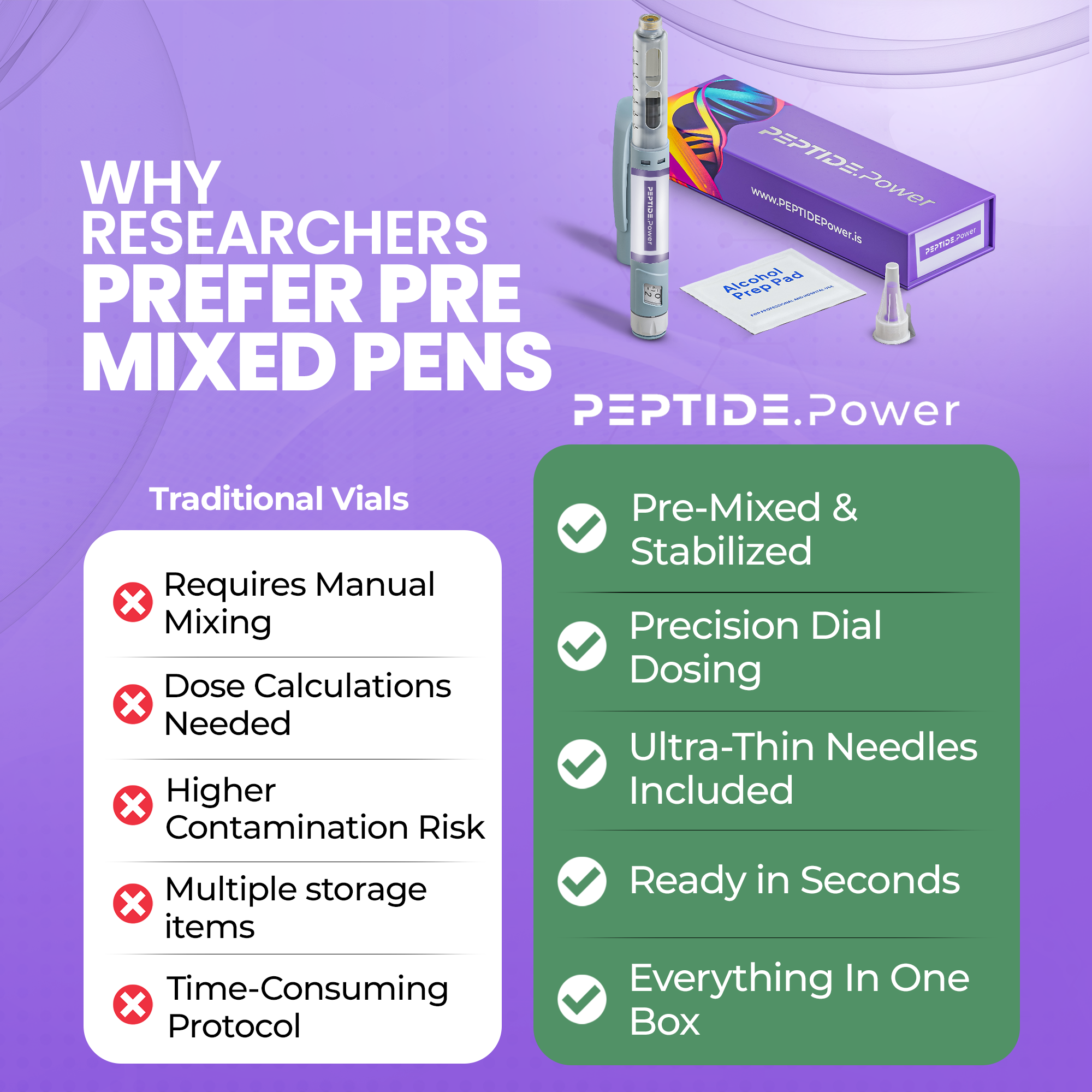
- 1× stylo injecteur jetable pré-mélangé
- Propulsé par notre PSM Technology™ exclusive – système de stabilisation et de mélange de précision pour une puissance constante
- 10× aiguilles ultra-fines (33G, 4 mm)
- 10× tampons d’alcool pour une préparation stérile
- Insert en mousse stabilisatrice interne pour éviter les secousses pendant le transport
- Panneau d’instructions imprimé à l’intérieur de la boîte pour une référence rapide
- Sceau de sécurité garantissant que l’emballage n’a pas été ouvert ni altéré
Conservation
Conservez le produit au réfrigérateur entre 1 et 8°C dès la livraison. Pour préserver une stabilité optimale, gardez le stylo à l’abri de la lumière et ne l’exposez pas à des variations de température répétées.
Une fois reconstitués (tous nos stylos sont pré-mélangés), les composés de recherche restent stables pendant 6 à 8 semaines sous réfrigération adéquate.
Ne pas congeler après reconstitution. Gardez toujours la boîte fermée afin que le stylo, les aiguilles et les tampons d’alcool restent propres et protégés.
Pour de meilleurs résultats, utilisez le produit de manière régulière dans la période recommandée et suivez toujours votre protocole de recherche.
Livraison
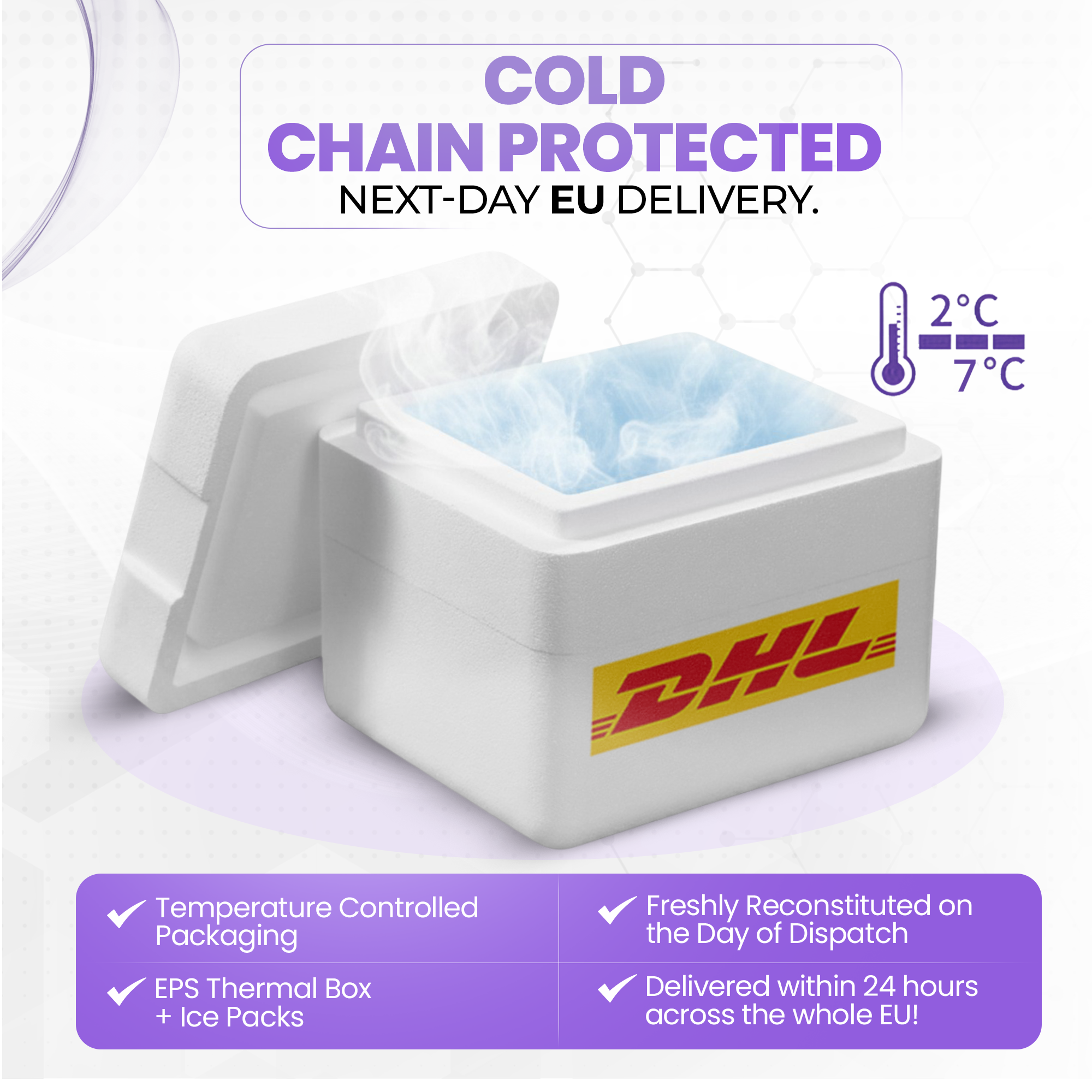
Nous expédions avec une livraison le lendemain dans l’UE via DHL Express ou UPS Express.
Toutes les commandes sont préparées le jour même de l’expédition, placées dans des boîtes de transport EPS à chaîne du froid et expédiées avec des éléments réfrigérants pour maintenir une température stable tout au long du trajet.
Notre processus logistique est conçu pour que le colis arrive du jour au lendemain, en évitant les retards douaniers au sein de l’Union européenne.
Les produits sont expédiés depuis notre site dans l’UE, garantissant aucuns frais d’importation, aucun dédouanement et toujours une livraison rapide et sécurisée.
Paiement
En raison de la nature des peptides de recherche et de la catégorie à haut risque attribuée par les processeurs de paiement, les sociétés de cartes de crédit ne prennent généralement pas en charge les marchands de ce secteur.
Pour cette raison, nous acceptons principalement les virements bancaires.
Nous travaillons également avec un prestataire de paiement en crypto-monnaie, et de temps à autre, le paiement par carte peut être disponible selon la disponibilité du processeur.
Au sein de l’Union européenne, les virements SEPA sont rapides, peu coûteux et arrivent généralement en quelques minutes à quelques heures, ce qui rend le paiement simple et fluide.
Dès réception du virement, votre commande est préparée immédiatement et expédiée le jour même, selon l’heure limite quotidienne.
Veuillez noter que nous n’effectuons pas d’expéditions le vendredi ni les jours précédant un jour férié officiel. Cela permet de garantir que les colis soient livrés le jour ouvrable suivant et ne restent pas en transit pendant le week-end ou les jours fériés.
Cette méthode garantit la conformité, la sécurité et la continuité du service pour tous les clients de l’UE.
Vous n'avez pas trouvé de réponse à votre question ?
Voir toutes les questions fréquentesRELATED PRODUCTS


Bioregulator – Advanced


Cell Renewal – Start


Cell Renewal – Advanced

Glow – Start

