



Sleep – Advanced
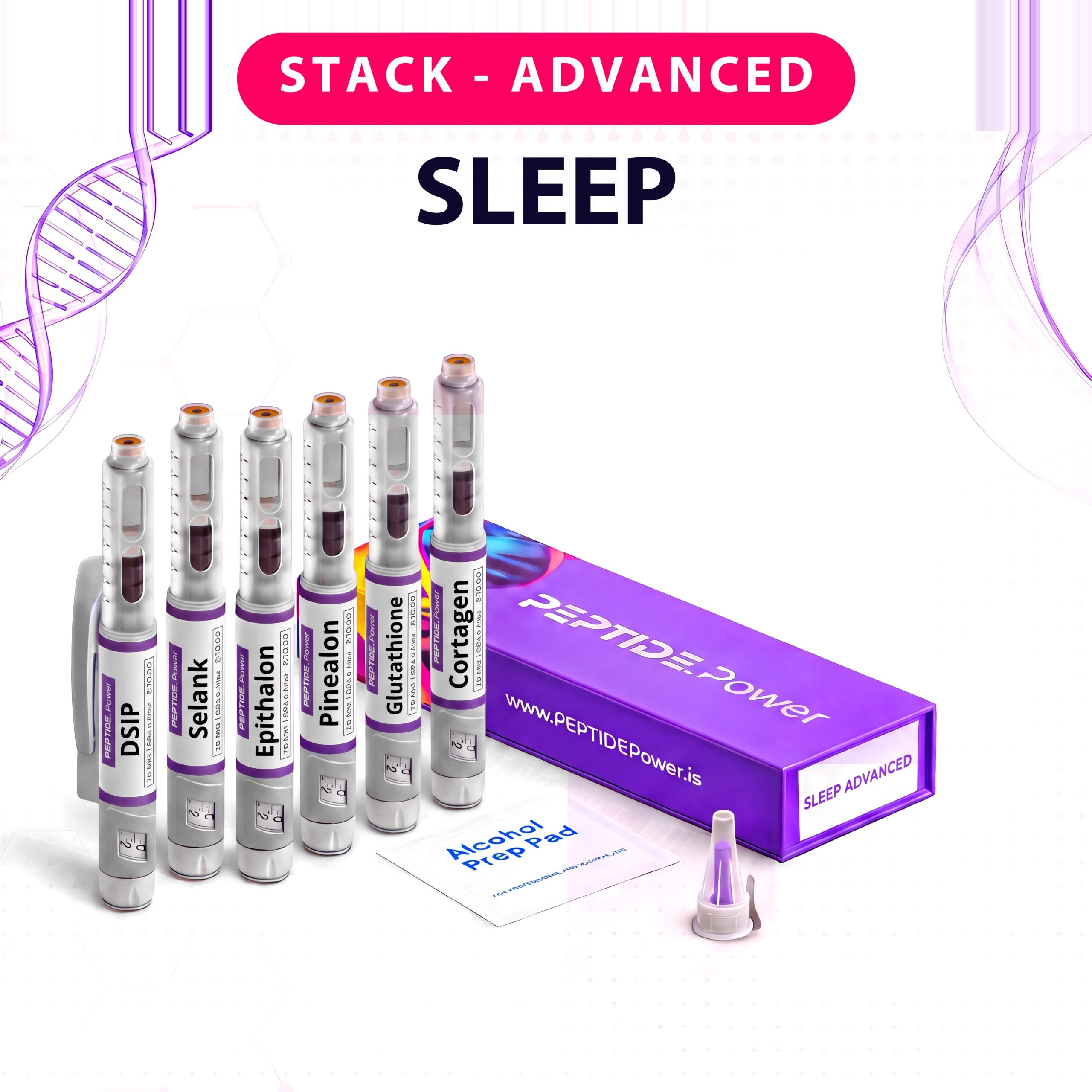
Sleep Advanced builds on the Start kit with the pineal bioregulator Pinealon, the antioxidant Glutathione and the neuro-restorative bioregulator Cortagen, forming a six-peptide panel for research into restorative sleep, circadian regulation and overnight cellular recovery.
Supplied at research-grade purity. For research purposes only; not for human consumption.
392,00 € Original price was: 392,00 €.294,00 €Текущата цена е: 294,00 €.
Пълният панел за сън — DSIP, Selank, Epithalon, Pinealon, Glutathione и Cortagen за изследване на дълбокото възстановяване.
Временно не е налично. Оставете данните си и ще ви уведомим веднага щом се появи.
Sleep - Advanced - Advanced Sleep & Circadian Rhythm Research
DSIP
Selank
Epithalon
Pinealon
Glutathione
Cortagen
Selank
Epithalon
Description
Mechanism of Action
This advanced research stack explores multifaceted pathways influencing sleep architecture and stress resilience. DSIP and Pinealon are investigated for roles in sleep induction and pineal gland function. Selank and Cortagen research focuses on modulating stress responses and neuroprotection. Epithalon is studied for circadian rhythms and cellular longevity, while Glutathione supports cellular defense, offering a comprehensive research model.
Benefits
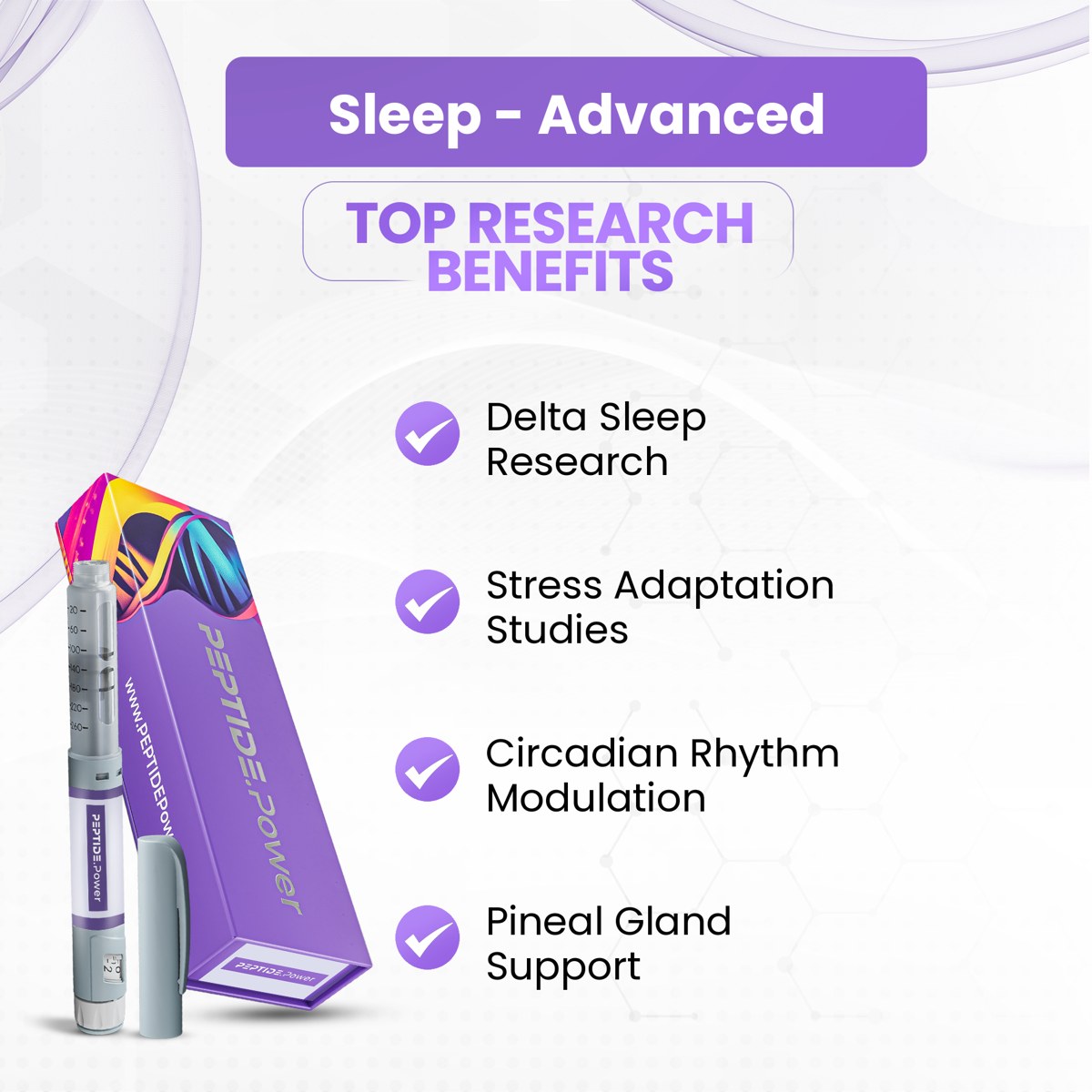
- Sleep Architecture Research – Investigating DSIP’s role in delta sleep.
- Stress Response Modulation – Exploring Selank and Cortagen’s influence.
- Circadian Rhythm Studies – Examining Epithalon and Pinealon’s impact.
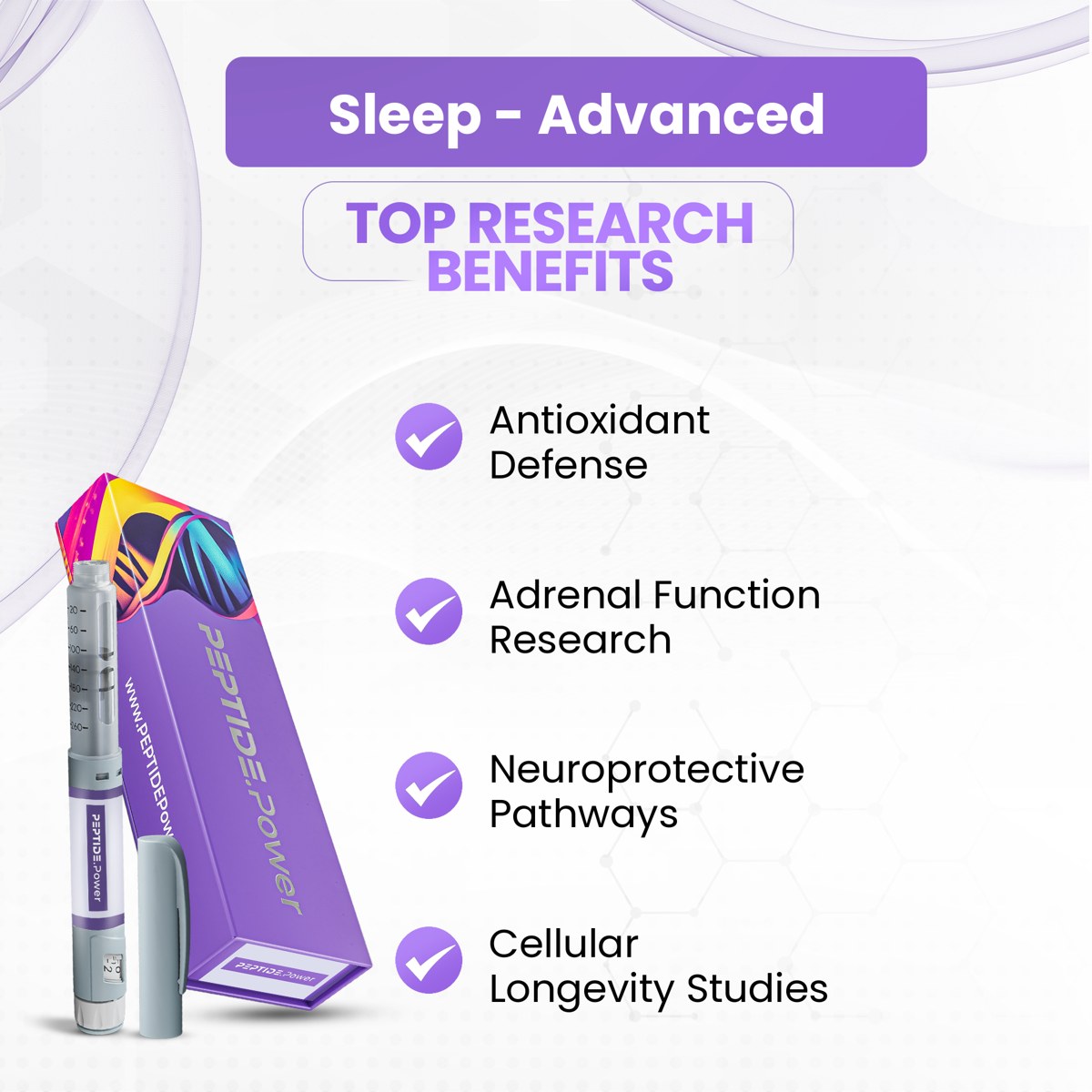
- Cellular Defense Support – Researching Glutathione’s antioxidant properties.
- Neuroprotection Pathways – Investigating Selank’s potential mechanisms.
Research Data
DSIP
| Study / Model | Reported effect |
|---|---|
| Rodent EEG sleep studies | ↑ delta-wave activity and improved slow-wave sleep continuity |
| Stress-induced animal models | ↓ corticosteroid release and attenuated HPA-axis hyperactivity |
| Chronic insomnia observational research | Improved subjective sleep onset and reduced nocturnal awakenings |
| Opioid withdrawal clinical observations | ↓ withdrawal severity and improved autonomic stabilization |
| Oxidative stress in vitro assays | ↓ lipid peroxidation markers; antioxidant enzyme modulation |
| Neuroendocrine animal studies | Modulation of GH, LH, and somatostatin secretion patterns |
| Pain perception rodent models | Elevated nociceptive thresholds and analgesic-like response |
Selank
| Study / Model | Reported effect |
|---|---|
| Generalized anxiety disorder clinical trials | ↓ anxiety scores comparable to medazepam without sedation or withdrawal |
| Rat elevated plus-maze model | ↓ anxiety-like behavior; ↑ open-arm exploration time |
| Cortical neurotransmitter analysis (rodent) | Normalized GABA turnover; ↑ serotonin and dopamine metabolism |
| BDNF expression studies in hippocampus | ↑ BDNF mRNA expression supporting neuroplasticity |
| Stress-induced immunosuppression models | Restored interferon and cytokine balance; ↑ immune resilience |
| Cognitive performance tasks in healthy volunteers | ↑ attention, memory consolidation, and mental endurance |
| Enkephalin degradation assays | Inhibition of enkephalin breakdown; prolonged endogenous opioid activity |
Epithalon
| Study / Model | Reported effect |
|---|---|
| Human somatic cell culture | ↑ Telomerase activity, ↑ telomere length in dividing cells |
| Aged mice longevity studies | Extended median lifespan, ↓ age-related tumor incidence |
| Pineal gland animal models | Restored melatonin secretion rhythm, normalized circadian markers |
| Elderly human observational cohort | Improved sleep architecture, ↑ nocturnal melatonin levels |
| Retinal degeneration rat model | ↓ Photoreceptor loss, preserved retinal pigment epithelium |
| Oxidative stress in vitro assays | ↓ Lipid peroxidation, ↑ antioxidant enzyme expression |
| Immunosenescence rodent studies | Restored T-cell function, normalized thymic activity |
Pinealon
| Study / Model | Reported effect |
|---|---|
| Aged rat cognitive performance | ↑ memory retention and learning capacity in Morris water maze tasks |
| Cultured cortical neurons (in vitro) | ↓ oxidative stress markers; ↑ neuronal survival under hypoxic conditions |
| Accelerated aging mouse model (SAMP1) | Extended lifespan and preserved cognitive function compared to controls |
| Human fibroblast culture | ↑ telomerase activity and ↑ telomere length over multiple passages |
| Rotenone-induced neurotoxicity model | Reduced apoptosis and preserved mitochondrial integrity in dopaminergic neurons |
| Elderly cognitive decline observational study | Improved attention, memory recall, and psycho-emotional state markers |
| Ischemia-reperfusion brain injury (rat) | ↓ infarct volume; ↑ neuroprotective gene expression including Bcl-2 |
| Sleep-deprivation behavioral model | Normalized circadian markers and reduced stress-induced cognitive deficits |
Glutathione
| Study/model | Reported effect |
| Human trials (oral and IV administration) | ↑ Plasma GSH levels, ↓ oxidative biomarkers (MDA, 8-OHdG) |
| Animal oxidative stress models | ↓ Lipid peroxidation and improved mitochondrial GSH:GSSG ratio |
| Hepatotoxicity models (CCl4, acetaminophen) | ↓ ALT/AST, ↓ hepatic necrosis, improved antioxidant enzyme activity |
| Neurodegenerative disease models | Protection of dopaminergic neurons and ↓ oxidative stress markers |
| In vitro melanocyte cultures | ↓ Tyrosinase activity and melanin synthesis via GSH-mediated inhibition |
| Inflammatory models | ↓ TNF-α, IL-6, and CRP, supporting immunomodulatory roles |
| Pharmacokinetic assessments | ↑ Cellular uptake with liposomal and SubQ formulations |
Cortagen
| Study / Model | Reported effect |
|---|---|
| Aged rat cortical neuron cultures | ↑ neurite outgrowth and ↑ expression of neurotrophic markers |
| Rodent traumatic brain injury models | Accelerated recovery of motor and cognitive function; ↓ neuroinflammatory markers |
| Aged rats (chronic administration) | ↑ learning and memory performance in maze-based tasks |
| In vitro fibroblast cultures | Normalization of gene expression patterns associated with cellular aging |
| Geriatric human observational studies | Reported improvements in cognitive performance, sleep quality, and mood in elderly subjects |
| Post-stroke rehabilitation observational research | ↑ recovery of higher cortical functions and ↓ asthenic symptoms |
| Cellular oxidative stress models | ↓ lipid peroxidation and ↑ endogenous antioxidant enzyme activity |
Stack Suggestions
This research bundle is designed for investigators focusing on advanced sleep cycle regulation, stress adaptation, and cellular aging mechanisms. It suits studies exploring complex peptide interactions for systemic balance and neurological function.
Pen Dosage Chart
DSIP
| DSIP Pen 5 mg | |
|---|---|
| Volume | 2.0 mL (after reconstitution) |
| mg/mL | 2.5 mg/mL |
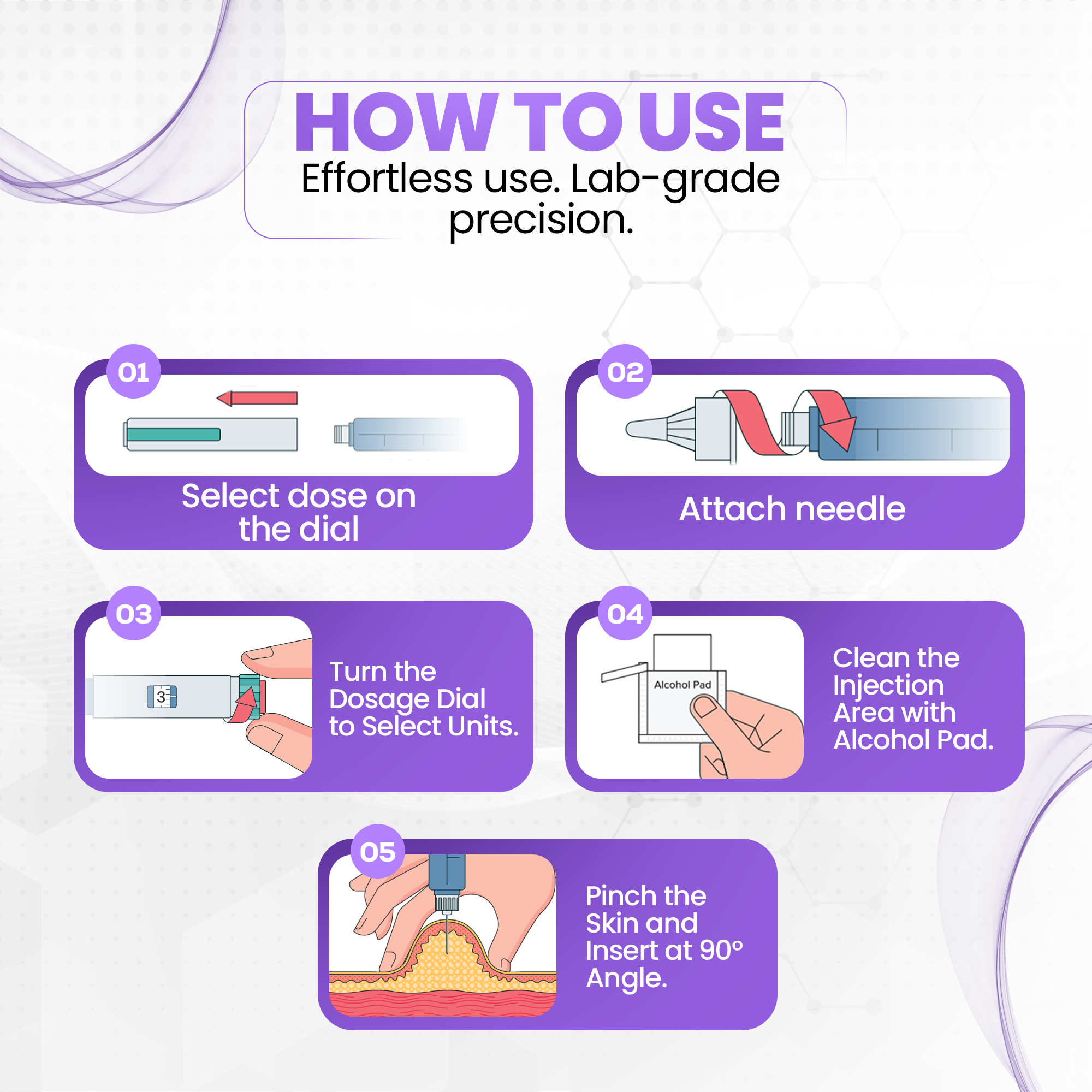
| Click-to-Dose | 1 click = 0.025 mg |
| Example(s) | 40 clicks = 1 mg; 80 clicks = 2 mg |
Selank
| Selank Pen 10 mg | |
|---|---|
| Volume | 2.0 mL (after reconstitution) |
| mg/mL | 5.0 mg/mL |
| Click-to-Dose | 1 click = 0.05 mg |
| Example(s) | 30 clicks = 1.5 mg; 60 clicks = 3 mg |
Epithalon
| Epithalon Pen 20 mg | |
|---|---|
| Volume | 2 mL |
| mg/mL | 10 mg/mL |
| Click-to-Dose | 1 click = 0.1 mg |
| Example(s) | 10 clicks = 1 mg |
Pinealon
| Pinealon Pen 20 mg | |
| Volume | 2 mL |
| mg/mL | 10 mg/mL |
| Click-to-Dose | 1 click = 0.1 mg |
| Example(s) | 10 clicks = 1 mg |
Glutathione
| Glutathione Pen 1500 mg | |
|---|---|
| Volume | 3 mL |
| mg/mL | 500 mg/mL |
| Click-to-Dose | 1 click = 5 mg |
| Example(s) | 10 clicks = 50 mg |
Cortagen
| Cortagen Pen 20 mg | |
| Volume | 2 mL |
| mg/mL | 10 mg/mL |
| Click-to-Dose | 1 click = 0.1 mg |
| Example(s) | 10 clicks = 1 mg |
Dosage & Protocols Variations
DSIP
Standard Research Protocol
- Dose: 0.1 – 0.3 mg (= 4–12 clicks)
- Duration: 2 – 4 weeks
- Frequency: Once daily, prior to rest phase
- Cycle Interval: 2 weeks off before repeating
- Goal / Description: Baseline protocol used in sleep architecture and circadian rhythm research models.
Therapeutic Research Protocol
- Dose: 0.3 – 0.5 mg (= 12–20 clicks)
- Duration: 3 – 5 weeks
- Frequency: Daily, evening administration
- Cycle Interval: 3 – 4 weeks off before repeating
- Goal / Description: Higher-dose model for stress-response and neuroendocrine regulation studies.
Biohacker Protocol (experimental)
- Dose: 0.05 – 0.1 mg (= 2–4 clicks)
- Duration: 4 – 6 weeks
- Frequency: Daily microdose before rest cycle
- Cycle Interval: 1 – 2 weeks off before repeating
- Goal / Description: Low-dose continuous exploration of sleep quality and recovery markers.
Selank
Standard Research Protocol
- Dose: 0.25 – 0.5 mg (= 5–10 clicks)
- Duration: 2 – 3 weeks
- Frequency: Daily (SubQ)
- Cycle Interval: 2 – 4 weeks off before repeating
- Goal / Description: Baseline protocol for anxiolytic and cognitive stability models.
Therapeutic Research Protocol
- Dose: 0.5 – 0.9 mg (= 10–18 clicks)
- Duration: 3 – 4 weeks
- Frequency: 2× daily, divided doses
- Cycle Interval: 4 weeks off before repeating
- Goal / Description: Higher-dose protocol used in stress-response and GABAergic modulation studies.
Biohacker Protocol (experimental)
- Dose: 0.1 – 0.2 mg (= 2–4 clicks)
- Duration: 4 – 6 weeks
- Frequency: Daily microdose
- Cycle Interval: 2 weeks off before repeating
- Goal / Description: Low-dose continuous exposure for cognitive and mood-balance research.
Stacked Protocol (Selank + Semax)
- Dose: 0.3 mg Selank + 0.3 mg Semax (= 6 clicks)
- Duration: 2 – 3 weeks
- Frequency: Daily
- Cycle Interval: 3 – 4 weeks off before repeating
- Goal / Description: Combined neuropeptide protocol for cognitive and anxiolytic research models.
Epithalon
Standard Research Protocol
- Dose: 5 – 10 mg (= 50–100 clicks)
- Duration: 2 – 3 weeks
- Frequency: Daily
- Cycle Interval: 4 – 6 months off before repeating
- Goal / Description: Baseline protocol used in telomerase activation and cellular aging models.
Therapeutic Research Protocol
- Dose: 10 – 20 mg (= 100–200 clicks)
- Duration: 10 – 20 days
- Frequency: Daily or split into two administrations
- Cycle Interval: 3 – 6 months off before repeating
- Goal / Description: Higher-dose schedule explored in longevity and pineal signaling research.
Biohacker Protocol (experimental)
- Dose: 2 – 5 mg (= 20–50 clicks)
- Duration: 4 – 6 weeks
- Frequency: 5 days per week
- Cycle Interval: 2 – 3 months off before repeating
- Goal / Description: Microdose continuous approach in experimental aging models.
Pinealon
Standard Research Protocol
- Dose: 1 – 3 mg
- Duration: 2 – 4 weeks
- Frequency: Daily
- Cycle Interval: 4 – 8 weeks off before repeating
- Goal / Description: Baseline protocol for neuroprotection and cognitive support models.
Therapeutic Research Protocol
- Dose: 3 – 5 mg
- Duration: 3 – 4 weeks
- Frequency: Daily
- Cycle Interval: 8 – 12 weeks off before repeating
- Goal / Description: Higher-dose regimen used in studies targeting age-related cognitive decline and oxidative stress.
Biohacker Protocol (experimental)
- Dose: 0.5 – 1 mg
- Duration: 6 – 8 weeks
- Frequency: 5× per week
- Cycle Interval: 4 weeks off before repeating
- Goal / Description: Low-dose continuous exposure for longevity and cellular preservation research.
Glutathione
Standard Antioxidant Protocol
- Dose: 200 – 400 mg (= 40–80 clicks)
- Duration: 4 – 8 weeks
- Frequency: 3× weekly
- Cycle Interval: 4-week rest
- Goal / Description: ↑ Systemic antioxidant capacity, baseline redox support
Intensive Detoxification Protocol
- Dose: 500 – 600 mg (= 100–120 clicks)
- Duration: 4 weeks
- Frequency: 5× weekly
- Cycle Interval: 8-week rest
- Goal / Description: Rapid ↑ GSH levels for detoxification models, tissue saturation
Maintenance Protocol
- Dose: 150 mg (= 30 clicks)
- Duration: 8 – 12 weeks
- Frequency: 3× weekly
- Cycle Interval: 8-week rest
- Goal / Description: Long-term maintenance of improved GSH status
Cortagen
Standard Research Protocol
- Dose: 1 – 2 mg
- Duration: 10 – 20 days
- Frequency: Daily
- Cycle Interval: 4 – 6 months off before repeating
- Goal / Description: Baseline protocol for connective tissue and joint research models.
Therapeutic Research Protocol
- Dose: 2 – 4 mg
- Duration: 15 – 30 days
- Frequency: Daily
- Cycle Interval: 3 – 6 months off before repeating
- Goal / Description: Higher-dose protocol used in cartilage repair and post-injury recovery studies.
Biohacker Protocol (experimental)
- Dose: 0.5 – 1 mg
- Duration: 20 – 30 days
- Frequency: 3 – 4× per week
- Cycle Interval: 2 – 3 months off before repeating
- Goal / Description: Microdose continuous exploration for long-term connective tissue maintenance.
Possible Side Effects
DSIP
DSIP is generally well-tolerated in animal and limited human research studies.
Reported side effects are infrequent and mild:
- Mild headache or dizziness following administration.
- Transient drowsiness or grogginess upon waking.
- Localized irritation at the injection site.
- Occasional changes in dream intensity or vividness.
No evidence of hormonal, hepatic, or cardiovascular adverse effects has been observed in available data.
Selank
Selank is generally well-tolerated in animal and limited human clinical studies, with no significant adverse effects reported at standard research doses.
Reported observations include:
- Mild transient drowsiness or fatigue during initial dosing.
- Occasional headache or lightheadedness in sensitive subjects.
- Localized irritation or redness at the injection site.
- Rare reports of mild nasal discomfort with intranasal administration.
Unlike classical anxiolytics, Selank has not been observed to produce sedation, dependence, withdrawal, or cognitive impairment in available research data. No evidence of hormonal, hepatic, or cardiovascular adverse effects has been documented.
Epithalon
Epithalon is generally well-tolerated in preclinical and limited human observational studies.
Reported side effects are rare and typically mild:
- Transient drowsiness or mild fatigue following administration.
- Localized irritation, redness, or tenderness at injection site.
- Occasional mild headache during initial dosing periods.
- Temporary changes in sleep patterns linked to pineal signaling modulation.
No evidence of hormonal, hepatic, or systemic adverse effects has been observed in available research data.
Pinealon
Pinealon is generally well-tolerated in animal studies and limited human observational research.
Reported side effects are infrequent and mild:
- Transient mild headache during initial dosing.
- Localized irritation or redness at injection site.
- Occasional drowsiness or altered sleep patterns.
- Mild gastrointestinal discomfort in sensitive subjects.
No evidence of hormonal, hepatic, or neurotoxic adverse effects has been observed in available preclinical data. As a short tripeptide, Pinealon is rapidly metabolized into its constituent amino acids, which contributes to its favorable tolerability profile in experimental models.
Glutathione
Glutathione supplementation is generally well-tolerated due to its endogenous nature, but some individuals may experience side effects, particularly with higher doses or sensitive constitutions. The most common adverse reactions are related to gastrointestinal adjustments and administration site responses with subcutaneous injection protocols.
Gastrointestinal Effects: Mild nausea, abdominal cramping, bloating, and flatulence may occur, especially during the initial supplementation period. These symptoms typically resolve as the body adapts to increased glutathione levels. Some users report a metallic or sulfur-like taste, which is attributed to the cysteine component of the molecule.
Injection Site Reactions: With subcutaneous administration, mild redness, swelling, or irritation at the injection site may occur. These reactions are typically transient and resolve within 24-48 hours. Proper injection technique and site rotation can minimize these effects.
Allergic Reactions: Although rare, some individuals may experience allergic responses including skin rashes, hives, or in severe cases, difficulty breathing. Those with known sensitivities to sulfur-containing compounds should exercise particular caution.
Respiratory Considerations: Individuals with asthma or respiratory sensitivities should avoid inhaled forms, as glutathione may trigger bronchospasms or respiratory distress in predisposed individuals.
Headaches and Fatigue: Some users report mild headaches or temporary fatigue during initial supplementation, likely related to detoxification processes and cellular adjustments to enhanced antioxidant capacity.
It is important to note that most side effects are mild, transient, and resolve with continued use or dosage adjustment. However, individuals should discontinue use and consult healthcare providers if adverse reactions persist or worsen.
Cortagen
Cortagen is generally well-tolerated in preclinical and limited human observational studies.
Reported side effects are rare and mild:
- Localized redness or transient discomfort at the injection site.
- Mild drowsiness or fatigue during initial dosing.
- Occasional headache or lightheadedness in sensitive subjects.
- Transient changes in sleep patterns reported in early research models.
No evidence of hormonal, hepatic, or systemic adverse effects has been observed in available data.
Product Attributes
Scientific References
DSIP
- Delta sleep-inducing peptide (DSIP): a review Observational | Animal | In vitro
- Effects of delta sleep-inducing peptide on sleep of chronic insomniac patients Human RCT | Observational
- The delta sleep-inducing peptide (DSIP): a still unresolved riddle Animal | In vitro
- DSIP in the treatment of chronic insomnia: a double-blind clinical trial Human RCT
- Influence of DSIP on the secretion of pituitary hormones in humans Observational | Human RCT
- Delta sleep-inducing peptide modulates the stress response in rats Animal
- Delta sleep-inducing peptide: structure, function and clinical perspectives Observational | Animal | In vitro
- Antioxidant properties of delta sleep-inducing peptide in experimental models Animal | In vitro
Selank
- Anxiolytic activity of the heptapeptide Selank in clinical trials Human RCT | Observational
- Effects of Selank on the expression of genes encoding inflammatory factors and BDNF Animal | In vitro
- Selank enhances the expression of BDNF and the trkB receptor in the hippocampus Animal
- Comparative study of the anxiolytic effects of Selank and medazepam in patients with generalized anxiety disorder Human RCT
- Effect of Selank on monoamine neurotransmitter metabolism in the brain of rats Animal
- Selank and its analogs modulate GABAergic transmission in experimental anxiety models Animal | In vitro
- Peptide Selank as a candidate for the correction of cognitive deficits Animal
- Immunomodulatory and anxiolytic properties of the synthetic peptide Selank Observational | Animal
Epithalon
- Peptide promotes overcoming of the division limit in human somatic cell In vitro
- Epithalon peptide induces telomerase activity and telomere elongation in human somatic cells In vitro
- Inhibition of development of spontaneous mammary tumors in mice by Epithalon Animal
- Effect of Epithalon on biomarkers of aging, life span and spontaneous tumor incidence in female rats Animal
- Pineal peptide preparation Epithalamin and tetrapeptide Epitalon: results of clinical use in humans Observational
- Peptides and aging: relevance to cancer prevention and longevity research Animal | In vitro
- Epithalon and aging: experimental and clinical perspectives Observational | Animal
- Telomerase activation and senescence pathways in peptide research In vitro
Pinealon
- Short peptides stimulate cell regeneration in skin during aging Animal | In vitro
- Peptide regulation of cell differentiation Animal | In vitro
- Epigenetic aspects of peptidergic regulation of vascular endothelial cell proliferation during aging Animal | In vitro
- Tripeptides restore the number of neuronal spines under conditions of in vitro modeled Alzheimer’s disease In vitro
- Pinealon enhances resistance of cells of cerebral cortex of rat embryos to oxidative stress Animal | In vitro
- Peptidergic regulation of cell proliferation and renewal during aging Observational | Animal
- Neuroprotective effects of peptide bioregulators in experimental models of neurodegeneration Animal | In vitro
Glutathione
- Randomized controlled trial of oral glutathione supplementation on body stores of glutathione Human RCT
- Oral supplementation with liposomal glutathione elevates body stores of glutathione and markers of immune function Human RCT
- Glutathione synthesis in the mouse liver supports lipid abundance through NRF2 repression Animal
- Glutathione system enhancement for cardiac protection: pharmacological and clinical data from bench-to-bedside Observational
- Randomized clinical trial of how long-term glutathione supplementation improves lipid metabolism in obese patients with nonalcoholic fatty liver disease Human RCT
- ALSUntangled no. 52: glutathione Human RCT
- Efficacy of glutathione for the treatment of nonalcoholic fatty liver disease: an open-label, single-arm, multicenter, clinical trial Human observational
- Systemic glutathione as a skin-whitening agent in adults Human RCT
- Clinical evaluation of glutathione concentrations after consumption of S-acetylglutathione: a pilot study Human observational
- Development of a mouse model expressing a bifunctional glutathione-synthesizing enzyme to study glutathione limitation in vivo Animal
Cortagen
- Effect of the peptide Cortagen on regeneration of the sciatic nerve Animal
- Cortagen regulation of gene expression in the cerebral cortex Animal | In vitro
- Peptidergic regulation of gene expression in cortical neurons In vitro
- Short peptides as biological regulators of cellular activity Observational | In vitro
- Khavinson peptides: their role in the regulation of gene expression and protein synthesis Animal | In vitro
- Peptide regulation of cell differentiation, proliferation, and apoptosis In vitro
- Geroprotective effects of short peptides in experimental models Animal
- Epigenetic mechanisms of peptide-mediated neuroprotection Animal | In vitro
Включено в кутията
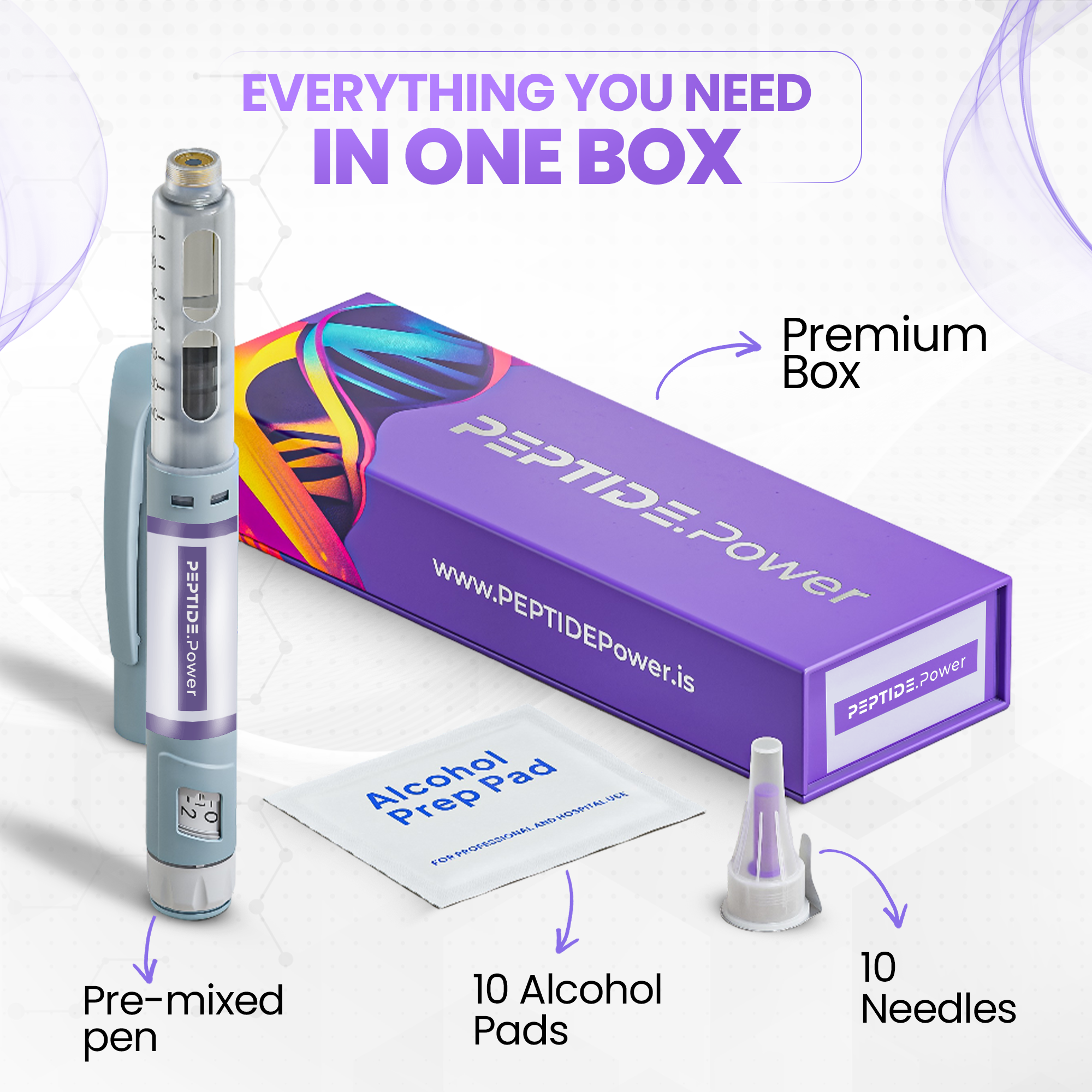
Всеки продукт пристига в премиум, специално проектирана кутия на PEPTIDE.Power, проектирана за удобство, хигиена и безопасно съхранение във вашия хладилник. Вътре ще намерите всичко необходимо за пълния ви изследователски протокол:
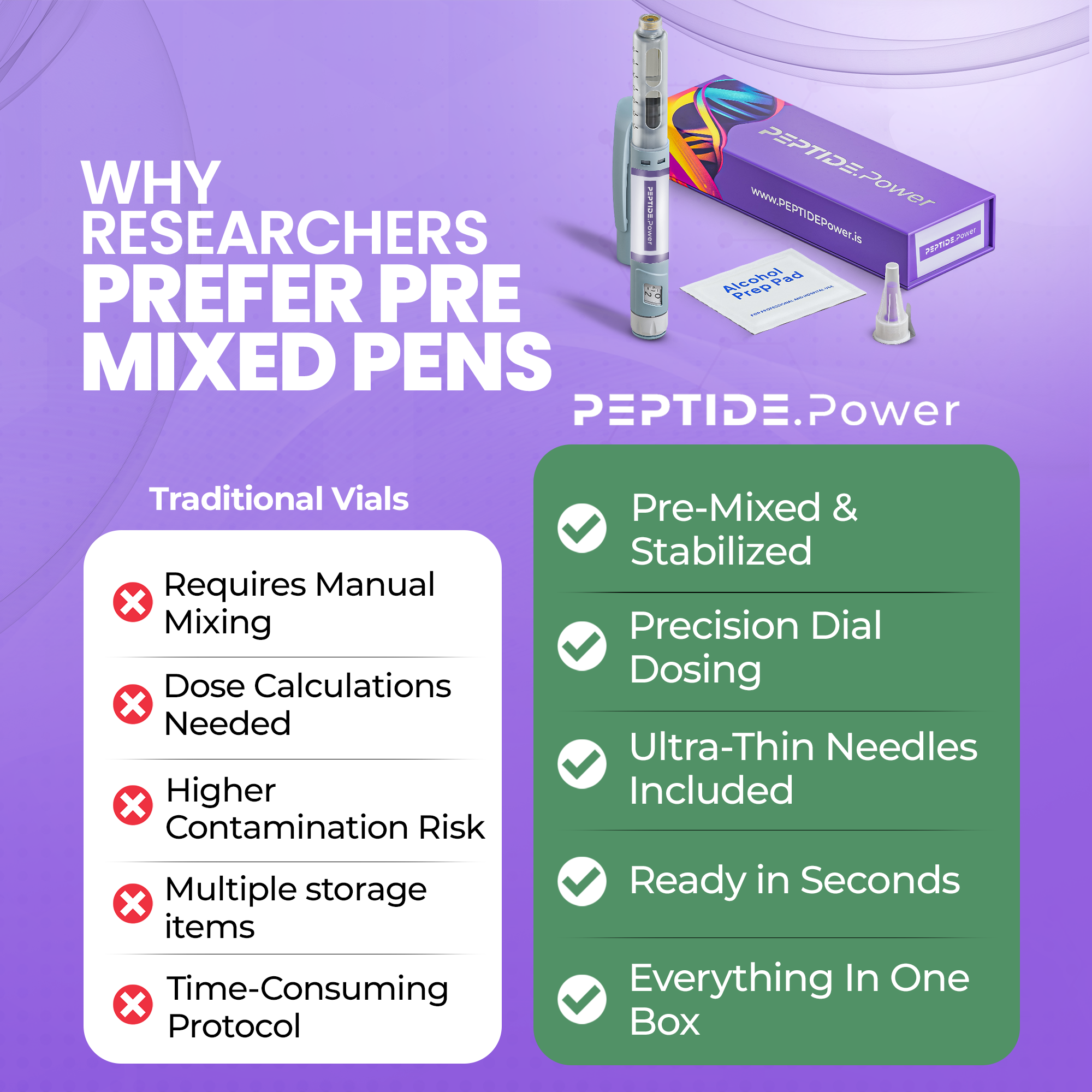
- 1× Еднократна предварително смесена инжекционна писалка
- Захранван от нашата патентована PSM Technology™ – прецизна система за стабилизация & смесване за постоянна ефикасност
- 10× Ултратънки игли (33G, 4 мм)
- 10× Спиртни тампони за стерилна подготовка
- Вътрешна стабилизираща дунапренова вложка за предотвратяване на разклащане по време на транспорт
- Панел с инструкции, отпечатан от вътрешната страна на кутията за бърза справка
- Стикер за защитен печат, гарантиращ, че опаковката не е отваряна или манипулирана
Съхранение
Съхранявайте продукта в хладилник при 1 – 7°C веднага след доставка. За да поддържате оптимална стабилност, дръжте писалката далеч от светлина и не я излагайте на повтарящи се температурни промени.
След като бъдат реконституирани (всички наши писалки са предварително смесени), изследователските съединения остават стабилни за 6 – 8 седмици при правилно съхранение в хладилник.
Не замразявайте след реконституция. Винаги дръжте кутията затворена, така че писалката, иглите и спиртните тампони да останат чисти и защитени.
За най-добри резултати използвайте продукта последователно в рамките на препоръчителния времеви прозорец и винаги следвайте вашия изследователски протокол.
Доставка
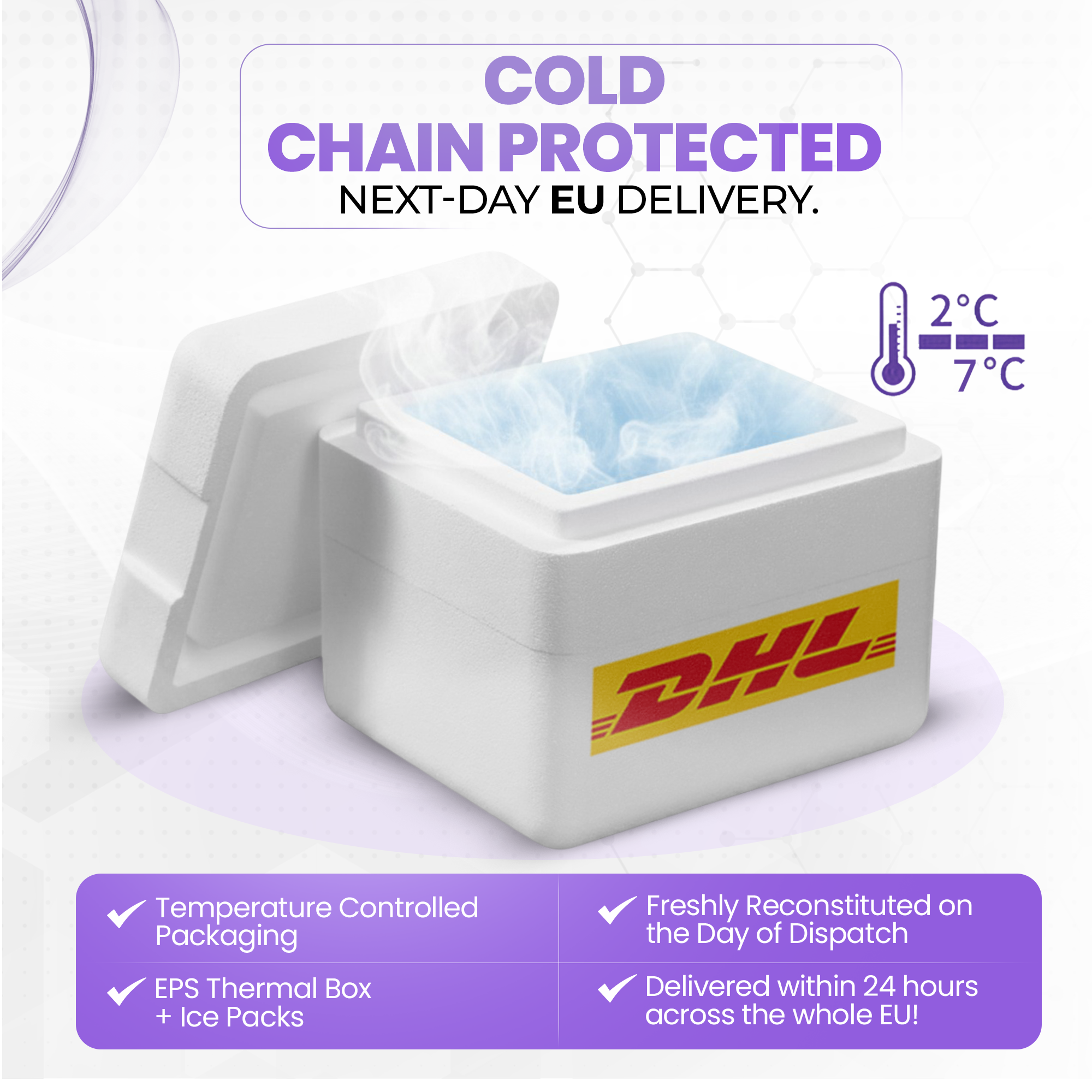
Изпращаме с Доставка в ЕС на следващия ден чрез DHL Express или UPS Express.
Всички поръчки се приготвят свежи в деня на изпращане, поставят се в EPS транспортни кутии за студена верига и се изпращат с охлаждащи елементи за поддържане на стабилна температура по време на целия път.
Нашият логистичен процес е проектиран така, че пратката да пристигне за една нощ, избягвайки митнически забавяния в рамките на Европейския съюз.
Продуктите се изпращат от нашето съоръжение в ЕС, осигурявайки без вносни мита, без митническо освобождаване и винаги бърза и сигурна доставка.
Плащане
Поради естеството на изследователските пептиди и категорията с висок риск, определена от платежните оператори, компаниите за кредитни карти не поддържат търговци в тази област.
Поради тази причина приемаме само банкови преводи.
В рамките на Европейския съюз, SEPA преводите са бързи, нискотарифни и обикновено пристигат в рамките на минути до няколко часа, което прави процеса на плащане гладък и прост.
След като преводът бъде получен, вашата поръчка се подготвя незабавно и се изпраща същия ден (в зависимост от часа на поръчка).
Този метод осигурява съответствие, сигурност и непрекъснатост на услугата за всички клиенти в целия ЕС.
Не намерихте отговор на въпроса си?
Вижте всички често задавани въпросиRELATED PRODUCTS


Glow – Advanced


Lean Mass – Start


Longevity – Advanced


Metabolic Cut – Advanced

