







Brain – Advanced
Brain Advanced expands the nootropic kit with PE-22-28, the neuroplasticity peptide FGL and the cerebral bioregulator Cortagen, giving researchers a six-peptide toolkit spanning focus, mood, neurogenesis and cortical regulation.
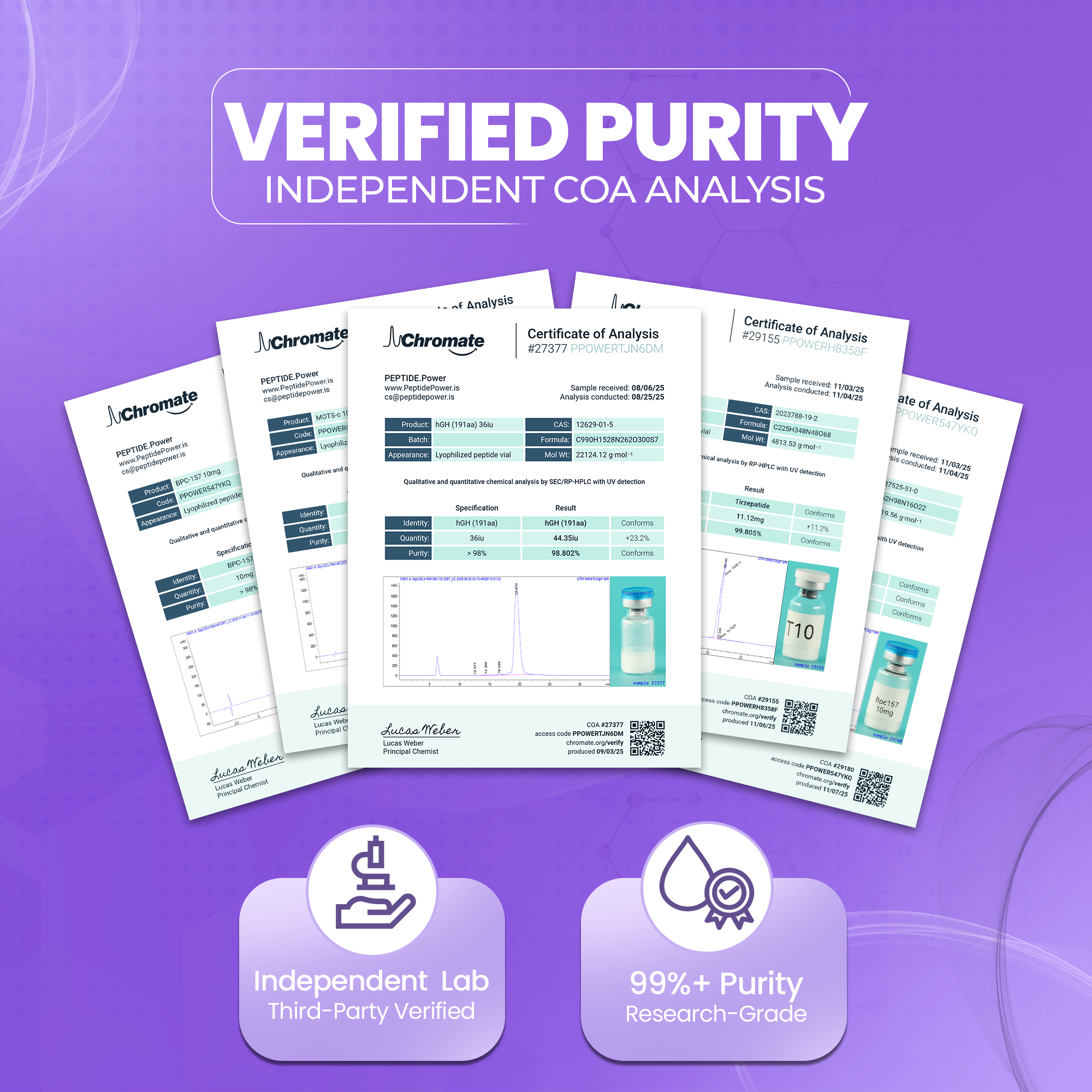
Supplied at research-grade purity. For research purposes only; not for human consumption.
404,00 € Original price was: 404,00 €.303,00 €Текущата цена е: 303,00 €.
Пълният когнитивен панел — Semax, Selank, P21, PE-22-28, FGL и Cortagen за напреднали невронаучни изследвания.
Какво включва този стек


Brain - Advanced - Advanced Cognitive Research Support
Semax, PE-22-28 studies
P21, Cortagen pathways
Semax, Cortagen mechanisms
FGL, P21 investigations
Selank, Cortagen research
PE-22-28, P21 mimetics
Selank, Semax research
FGL, Semax pathways
Описание
Механизъм на действие
This advanced research stack explores synergistic pathways to support neural plasticity, neuroprotection, and cognitive function. Components investigate neurotrophic factor mimetics, stress adaptation, and enhanced synaptic communication, aiming to modulate brain resilience and learning processes within research models.
Ползи
- Neural Plasticity – P21, FGL research pathways
- Cognitive Exploration – Semax, PE-22-28 studies
- Stress Modulation – Selank, Cortagen investigations
- Neuroprotection Pathways – Semax, Cortagen research
- Synaptic Function – FGL, P21 studies
- Mood & Resilience – Selank, Semax research
Изследователски данни
Semax
| Study / Model | Reported effect |
|---|---|
| Ischemic stroke patients (clinical study) | Improved neurological recovery and reduced infarct progression when administered within acute window |
| Rat middle cerebral artery occlusion model | ↓ Infarct volume; ↑ neuronal survival in penumbra region |
| Rat hippocampal tissue assay | ↑ BDNF and NGF expression within hours of administration |
| Healthy human cognitive trials | ↑ Attention, memory consolidation, and operator performance under fatigue |
| Chronic stress rodent model | Reduced anxiety-related behaviors; normalized HPA-axis activity |
| In vitro neuronal culture | Enhanced dopaminergic and serotonergic signaling; protection against oxidative injury |
| Optic nerve atrophy model | ↑ Retinal ganglion cell survival and improved visual response markers |
Selank
| Study / Model | Reported effect |
|---|---|
| Generalized anxiety disorder clinical trials | ↓ anxiety scores comparable to medazepam without sedation or withdrawal |
| Rat elevated plus-maze model | ↓ anxiety-like behavior; ↑ open-arm exploration time |
| Cortical neurotransmitter analysis (rodent) | Normalized GABA turnover; ↑ serotonin and dopamine metabolism |
| BDNF expression studies in hippocampus | ↑ BDNF mRNA expression supporting neuroplasticity |
| Stress-induced immunosuppression models | Restored interferon and cytokine balance; ↑ immune resilience |
| Cognitive performance tasks in healthy volunteers | ↑ attention, memory consolidation, and mental endurance |
| Enkephalin degradation assays | Inhibition of enkephalin breakdown; prolonged endogenous opioid activity |
P21 (P021)
| Study / Model | Reported effect |
|---|---|
| Aged rat hippocampus | ↑ BDNF expression, ↑ neurogenesis, improved spatial memory performance |
| 3xTg-AD Alzheimer’s mouse model | ↓ tau hyperphosphorylation, ↓ amyloid-β pathology, preserved cognitive function |
| Down syndrome mouse model (Ts65Dn) | Restored dentate gyrus neurogenesis and rescued learning deficits |
| Streptozotocin-induced cognitive impairment (rats) | ↑ synaptic plasticity markers, ↓ neuroinflammation, improved memory retention |
| In vitro neuronal cultures | ↑ CREB phosphorylation and BDNF/TrkB signaling activity |
| Traumatic brain injury rodent model | ↓ neuronal loss, ↑ dendritic spine density in hippocampal regions |
PE-22-28
| Study / Model | Reported effect |
|---|---|
| Chronic mild stress mouse model | ↓ Depressive-like behavior in forced swim and tail suspension tests |
| Rodent models of social isolation | ↑ Sociability and exploratory activity; reduced anhedonia markers |
| TREK-1 channel expression studies | Selective inhibition of TREK-1 potassium channels in prefrontal cortex |
| Spadin analog comparison (in vivo) | Faster onset of antidepressant-like response vs. classical SSRIs (~4 days) |
| Hippocampal neurogenesis assays | ↑ BDNF expression and neuronal plasticity markers |
| Acute stress rodent models | Modulation of HPA-axis response; reduced corticosterone elevation |
| In vitro neuronal cultures | Enhanced serotonergic neurotransmission via TREK-1 blockade |
FGL
| Study / Model | Reported effect |
|---|---|
| Aged rat memory model | ↑ spatial learning and memory retention in water maze tasks |
| Hippocampal neuron culture | ↑ neurite outgrowth and FGFR1 phosphorylation |
| Rat Alzheimer’s-like model (Aβ injection) | ↓ neuronal loss; preserved cognitive performance |
| Cortical injury model | ↑ neuronal survival and synaptic density post-lesion |
| Chronic stress rodent model | ↓ depressive-like behavior; restored hippocampal plasticity |
| In vitro NCAM-FGFR binding assay | Selective FGFR1 activation; MAPK/ERK pathway engagement |
| Subcutaneous administration in rats | Blood-brain barrier penetration confirmed; sustained CNS activity |
Cortagen
| Study / Model | Reported effect |
|---|---|
| Aged rat cortical neuron cultures | ↑ neurite outgrowth and ↑ expression of neurotrophic markers |
| Rodent traumatic brain injury models | Accelerated recovery of motor and cognitive function; ↓ neuroinflammatory markers |
| Aged rats (chronic administration) | ↑ learning and memory performance in maze-based tasks |
| In vitro fibroblast cultures | Normalization of gene expression patterns associated with cellular aging |
| Geriatric human observational studies | Reported improvements in cognitive performance, sleep quality, and mood in elderly subjects |
| Post-stroke rehabilitation observational research | ↑ recovery of higher cortical functions and ↓ asthenic symptoms |
| Cellular oxidative stress models | ↓ lipid peroxidation and ↑ endogenous antioxidant enzyme activity |
Предложения за комбиниране
This research bundle is designed for investigators exploring advanced neurocognitive and neuroprotective pathways. It suits studies focused on modulating brain resilience, learning, and stress response in research models.
Таблица за дозиране на писалката
Semax
| Semax Pen 30 mg | |
|---|---|
| Volume | 3.0 mL (after reconstitution) |
| mg/mL | 10 mg/mL |
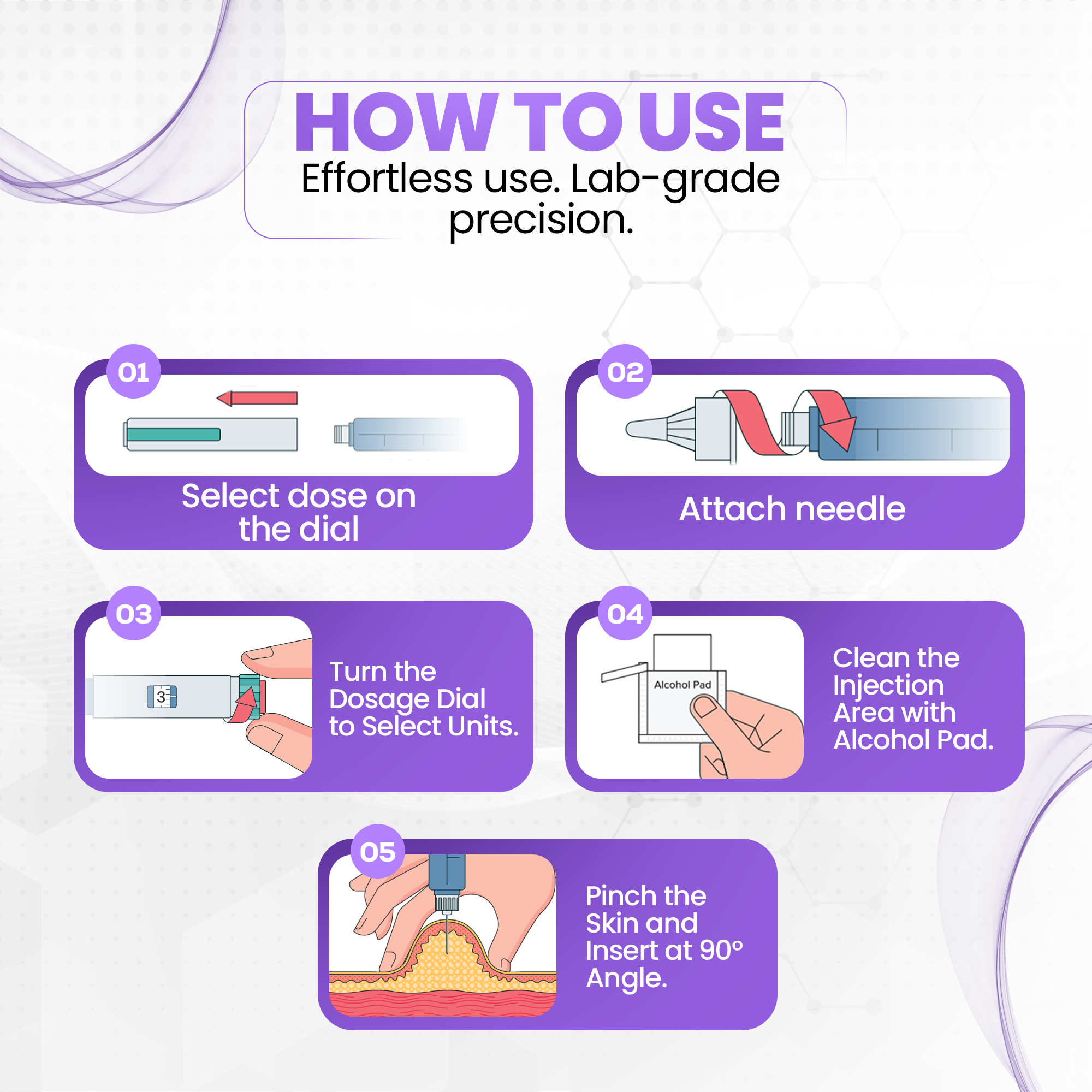
| Click-to-Dose | 1 click = 0.1 mg |
| Example(s) | 3 clicks = 0.3 mg; 6 clicks = 0.6 mg |
Selank
| Selank Pen 10 mg | |
|---|---|
| Volume | 2.0 mL (after reconstitution) |
| mg/mL | 5.0 mg/mL |
| Click-to-Dose | 1 click = 0.05 mg |
| Example(s) | 30 clicks = 1.5 mg; 60 clicks = 3 mg |
P21 (P021)
| P21 Pen 10 mg | |
| Volume | 2 mL |
| mg/mL | 5 mg/mL |
| Click-to-Dose | 1 click = 0.05 mg |
| Example(s) | 10 clicks = 0.5 mg |
PE-22-28
| PE-22-28 Pen 10 mg | |
| Volume | 2 mL |
| mg/mL | 5 mg/mL |
| Click-to-Dose | 1 click = 0.05 mg |
| Example(s) | 10 clicks = 0.5 mg |
FGL
| FGL Pen 10 mg | |
| Volume | 2 mL |
| mg/mL | 5 mg/mL |
| Click-to-Dose | 1 click = 0.05 mg |
| Example(s) | 10 clicks = 0.5 mg |
Cortagen
| Cortagen Pen 20 mg | |
| Volume | 2 mL |
| mg/mL | 10 mg/mL |
| Click-to-Dose | 1 click = 0.1 mg |
| Example(s) | 10 clicks = 1 mg |
Дозировки и вариации на протоколи
Semax
Standard Research Protocol
- Dose: 0.3 – 0.6 mg (= 3-6 clicks)
- Duration: 2 – 4 weeks
- Frequency: Daily
- Cycle Interval: 2 – 4 weeks off before repeating
- Goal / Description: Baseline cognitive and neurotrophic research applications.
Therapeutic Research Protocol
- Dose: 0.6 – 1.2 mg (= 6-12 clicks)
- Duration: 1 – 2 weeks
- Frequency: Daily, divided into 2 – 3 doses
- Cycle Interval: 3 – 4 weeks off before repeating
- Goal / Description: Higher-dose protocol used in stroke recovery and neuroprotection models.
Biohacker Protocol (experimental)
- Dose: 0.1 – 0.3 mg (= 1-3 clicks)
- Duration: 4 – 6 weeks
- Frequency: Daily, morning administration
- Cycle Interval: 2 weeks off before repeating
- Goal / Description: Low-dose continuous exposure for cognitive and focus research.
Selank
Standard Research Protocol
- Dose: 0.25 – 0.5 mg (= 5-10 clicks)
- Duration: 2 – 3 weeks
- Frequency: Daily (SubQ)
- Cycle Interval: 2 – 4 weeks off before repeating
- Goal / Description: Baseline protocol for anxiolytic and cognitive stability models.
Therapeutic Research Protocol
- Dose: 0.5 – 0.9 mg (= 10-18 clicks)
- Duration: 3 – 4 weeks
- Frequency: 2× daily, divided doses
- Cycle Interval: 4 weeks off before repeating
- Goal / Description: Higher-dose protocol used in stress-response and GABAergic modulation studies.
Biohacker Protocol (experimental)
- Dose: 0.1 – 0.2 mg (= 2-4 clicks)
- Duration: 4 – 6 weeks
- Frequency: Daily microdose
- Cycle Interval: 2 weeks off before repeating
- Goal / Description: Low-dose continuous exposure for cognitive and mood-balance research.
Stacked Protocol (Selank + Semax)
- Dose: 0.3 mg Selank + 0.3 mg Semax (= 6 clicks)
- Duration: 2 – 3 weeks
- Frequency: Daily
- Cycle Interval: 3 – 4 weeks off before repeating
- Goal / Description: Combined neuropeptide protocol for cognitive and anxiolytic research models.
P21 (P021)
Standard Research Protocol
- Dose: 0.5 – 1.0 mg
- Duration: 4 – 8 weeks
- Frequency: Daily, oral or intranasal
- Cycle Interval: 2 – 4 weeks off before repeating
- Goal / Description: Baseline cognitive and neurotrophic research applications.
Neuroprotective Research Protocol
- Dose: 1.0 – 2.0 mg
- Duration: 8 – 12 weeks
- Frequency: Daily
- Cycle Interval: 4 weeks off before repeating
- Goal / Description: Extended-duration models targeting BDNF upregulation and neurogenesis.
Biohacker Protocol (experimental)
- Dose: 0.25 – 0.5 mg
- Duration: Continuous
- Frequency: 5 days on, 2 days off
- Cycle Interval: Continuous with weekly pause
- Goal / Description: Low-dose continuous exposure for long-term cognitive research models.
PE-22-28
Standard Research Protocol
- Dose: 0.3 – 0.5 mg
- Duration: 4 – 6 weeks
- Frequency: Daily, intranasal or SubQ
- Cycle Interval: 2 – 4 weeks off before repeating
- Goal / Description: Baseline protocol for mood and stress-resilience models.
Therapeutic Research Protocol
- Dose: 0.5 – 1.0 mg
- Duration: 6 – 8 weeks
- Frequency: Daily
- Cycle Interval: 4 weeks off before repeating
- Goal / Description: Higher-dose protocol used in depressive-behavior and anhedonia models.
Biohacker Protocol (experimental)
- Dose: 0.1 – 0.2 mg
- Duration: Continuous
- Frequency: 3 – 5× per week
- Cycle Interval: Optional 1 week off monthly
- Goal / Description: Microdose schedule for sustained neuroplasticity and mood-balance research.
FGL
Standard Research Protocol
- Dose: 1 – 2 mg
- Duration: 2 – 4 weeks
- Frequency: Daily intranasal administration
- Cycle Interval: 2 – 4 weeks off before repeating
- Goal / Description: Baseline protocol for cognitive and synaptic plasticity research models.
Therapeutic Research Protocol
- Dose: 2 – 4 mg
- Duration: 4 – 6 weeks
- Frequency: Daily
- Cycle Interval: 4 weeks off before repeating
- Goal / Description: Higher-dose model for neuroprotection and memory consolidation studies.
Biohacker Protocol (experimental)
- Dose: 0.5 – 1 mg
- Duration: 6 – 8 weeks
- Frequency: Daily microdose
- Cycle Interval: Continuous with 1-week pauses every 8 weeks
- Goal / Description: Low-dose continuous exposure for long-term neurotrophic research.
Cortagen
Standard Research Protocol
- Dose: 1 – 2 mg
- Duration: 10 – 20 days
- Frequency: Daily
- Cycle Interval: 4 – 6 months off before repeating
- Goal / Description: Baseline protocol for connective tissue and joint research models.
Therapeutic Research Protocol
- Dose: 2 – 4 mg
- Duration: 15 – 30 days
- Frequency: Daily
- Cycle Interval: 3 – 6 months off before repeating
- Goal / Description: Higher-dose protocol used in cartilage repair and post-injury recovery studies.
Biohacker Protocol (experimental)
- Dose: 0.5 – 1 mg
- Duration: 20 – 30 days
- Frequency: 3 – 4× per week
- Cycle Interval: 2 – 3 months off before repeating
- Goal / Description: Microdose continuous exploration for long-term connective tissue maintenance.
Възможни странични ефекти
Semax
Semax is generally well-tolerated in clinical and preclinical research, including intranasal and subcutaneous administration studies.
Reported side effects are infrequent and typically mild:
- Mild nasal irritation or transient burning sensation with intranasal use.
- Headache or lightheadedness during initial dosing.
- Temporary changes in alertness or sleep patterns.
- Mild fatigue or restlessness in sensitive subjects.
- Localized redness at subcutaneous injection sites.
No evidence of hormonal, cardiovascular, or systemic adverse effects has been observed in available research data. Long-term safety beyond standard study durations remains under investigation in experimental models.
Selank
Selank is generally well-tolerated in animal and limited human clinical studies, with no significant adverse effects reported at standard research doses.
Reported observations include:
- Mild transient drowsiness or fatigue during initial dosing.
- Occasional headache or lightheadedness in sensitive subjects.
- Localized irritation or redness at the injection site.
- Rare reports of mild nasal discomfort with intranasal administration.
Unlike classical anxiolytics, Selank has not been observed to produce sedation, dependence, withdrawal, or cognitive impairment in available research data. No evidence of hormonal, hepatic, or cardiovascular adverse effects has been documented.
P21 (P021)
P21 is generally well-tolerated in preclinical and animal studies.
Reported side effects are rare and mild:
- Mild transient fatigue or drowsiness during initial dosing periods.
- Localized irritation or redness at injection site.
- Occasional headache or lightheadedness reported in sensitive subjects.
- Subtle mood fluctuations during early adaptation phase.
No evidence of neurotoxic, hepatic, or systemic adverse effects has been observed in available research data.
PE-22-28
PE-22-28 is generally well-tolerated in preclinical and animal studies, with no significant adverse effects reported in available research data.
Observed effects in experimental models are minimal and transient:
- Mild injection-site sensitivity in subcutaneous administration models.
- Transient changes in locomotor activity during initial dosing periods.
- Minor variability in sleep-wake patterns reported in rodent behavioral assays.
No evidence of cardiotoxicity, hepatotoxicity, or hormonal disruption has been observed in available data. Unlike conventional SSRIs studied in parallel models, PE-22-28 has not been associated with sexual dysfunction, weight gain, or sedation in research settings.
FGL
FGL is generally well-tolerated in preclinical animal studies and limited early-stage human research.
Reported side effects are rare and mild:
- Transient injection site irritation or redness in subcutaneous administration models.
- Mild fatigue or drowsiness during initial dosing periods.
- Occasional headache reported in early human pharmacokinetic studies.
- Minor gastrointestinal sensitivity in a small subset of subjects.
No evidence of neurotoxic, hepatic, or systemic adverse effects has been observed in available data. Long-term safety profiles remain under investigation, and effects beyond short-term experimental protocols have not been fully characterized.
Cortagen
Cortagen is generally well-tolerated in preclinical and limited human observational studies.
Reported side effects are rare and mild:
- Localized redness or transient discomfort at the injection site.
- Mild drowsiness or fatigue during initial dosing.
- Occasional headache or lightheadedness in sensitive subjects.
- Transient changes in sleep patterns reported in early research models.
No evidence of hormonal, hepatic, or systemic adverse effects has been observed in available data.
Характеристики на продукта
Научни източници
Semax
- Semax, an analogue of ACTH(4-10) with cognitive effects, regulates BDNF and trkB expression in the rat hippocampus Animal | In vitro
- Semax, an analog of ACTH(4-7), regulates expression of immune response genes during ischemic brain injury in rats Animal
- Heptapeptide Semax Effects on Expression of Genes Related to Neurotransmitter Systems Animal | In vitro
- Heptapeptide semax attenuates the effects of chronic unpredictable stress in rats Animal
- The nootropic and analgesic effects of Semax following different routes of administration Animal
- Effect of Semax and its C-terminal fragment PGP on the in vivo dopamine release in the nucleus accumbens of rats Animal
- Semax, an analog of ACTH(4-7), regulates expression of immune response genes in ischemic rat brain Animal
- Semax: research overview, mechanisms, and effects Observational | Animal
Selank
- Anxiolytic activity of the heptapeptide Selank in clinical trials Human RCT | Observational
- Effects of Selank on the expression of genes encoding inflammatory factors and BDNF Animal | In vitro
- Selank enhances the expression of BDNF and the trkB receptor in the hippocampus Animal
- Comparative study of the anxiolytic effects of Selank and medazepam in patients with generalized anxiety disorder Human RCT
- Effect of Selank on monoamine neurotransmitter metabolism in the brain of rats Animal
- Selank and its analogs modulate GABAergic transmission in experimental anxiety models Animal | In vitro
- Peptide Selank as a candidate for the correction of cognitive deficits Animal
- Immunomodulatory and anxiolytic properties of the synthetic peptide Selank Observational | Animal
P21 (P021)
- Neurogenic and neurotrophic effects of BDNF peptides in mouse hippocampal primary neuronal cell cultures Animal | In vitro
- A small molecule peptide inhibitor of amyloid plaque, oxidative stress, and neuronal loss Animal | In vitro
- Ciliary neurotrophic factor derived peptide P021 ameliorates plaque pathology and improves cognition in Alzheimer disease mouse model Animal
- Neurotrophic peptide P021 rescues hippocampal neurogenesis and synaptic plasticity in a tauopathy mouse model Animal | In vitro
- P021 rescues tau pathology and behavioral deficits in a mouse model of tauopathy by inhibiting GSK-3β Animal
- Neurotrophic compound P021 reduces neuroinflammation and enhances cognitive function in aged rats Animal
- Peptidomimetic P021 promotes neurogenesis and reduces glycogen synthase kinase-3 activity in Down syndrome models Animal | In vitro
- CNTF-derived peptide rescues synaptic and cognitive deficits in a 3xTg-AD model Animal
PE-22-28
- Spadin, a sortilin-derived peptide, targeting rapid-acting antidepressant Animal | In vitro
- Antidepressant-like effects of PE-22-28, a TREK-1 channel blocker Animal
- Identification of a novel antidepressant peptide based on the structure of spadin Animal | In vitro
- TREK-1 channel as a new target for fast-acting antidepressants Animal | In vitro
- Deletion of the background potassium channel TREK-1 results in a depression-resistant phenotype Animal
- Spadin as a new antidepressant: absence of TREK-1-related side effects Animal
- Two-pore domain potassium channels as therapeutic targets in mood disorders Observational | Animal | In vitro
FGL
- A peptide motif from the second fibronectin module of the neural cell adhesion molecule, NCAM, mimics the third fibronectin module Animal | In vitro
- The neural cell adhesion molecule-derived peptide FGL facilitates long-term plasticity in the dentate gyrus in vivo Animal
- A synthetic NCAM-derived mimetic peptide, FGL, exerts anti-inflammatory properties in microglial cells In vitro
- Neuroprotective and memory-enhancing effects of the NCAM-derived peptide FGL in aged rats Animal
- FGL promotes neuronal survival and synaptic plasticity through FGFR1 activation Animal | In vitro
- The NCAM mimetic peptide FGL modulates memory consolidation in the rat Animal
- Effects of an NCAM mimetic peptide FGL on impairments in spatial learning and plasticity Animal
Cortagen
- Effect of the peptide Cortagen on regeneration of the sciatic nerve Animal
- Cortagen regulation of gene expression in the cerebral cortex Animal | In vitro
- Peptidergic regulation of gene expression in cortical neurons In vitro
- Short peptides as biological regulators of cellular activity Observational | In vitro
- Khavinson peptides: their role in the regulation of gene expression and protein synthesis Animal | In vitro
- Peptide regulation of cell differentiation, proliferation, and apoptosis In vitro
- Geroprotective effects of short peptides in experimental models Animal
- Epigenetic mechanisms of peptide-mediated neuroprotection Animal | In vitro
Включено в кутията
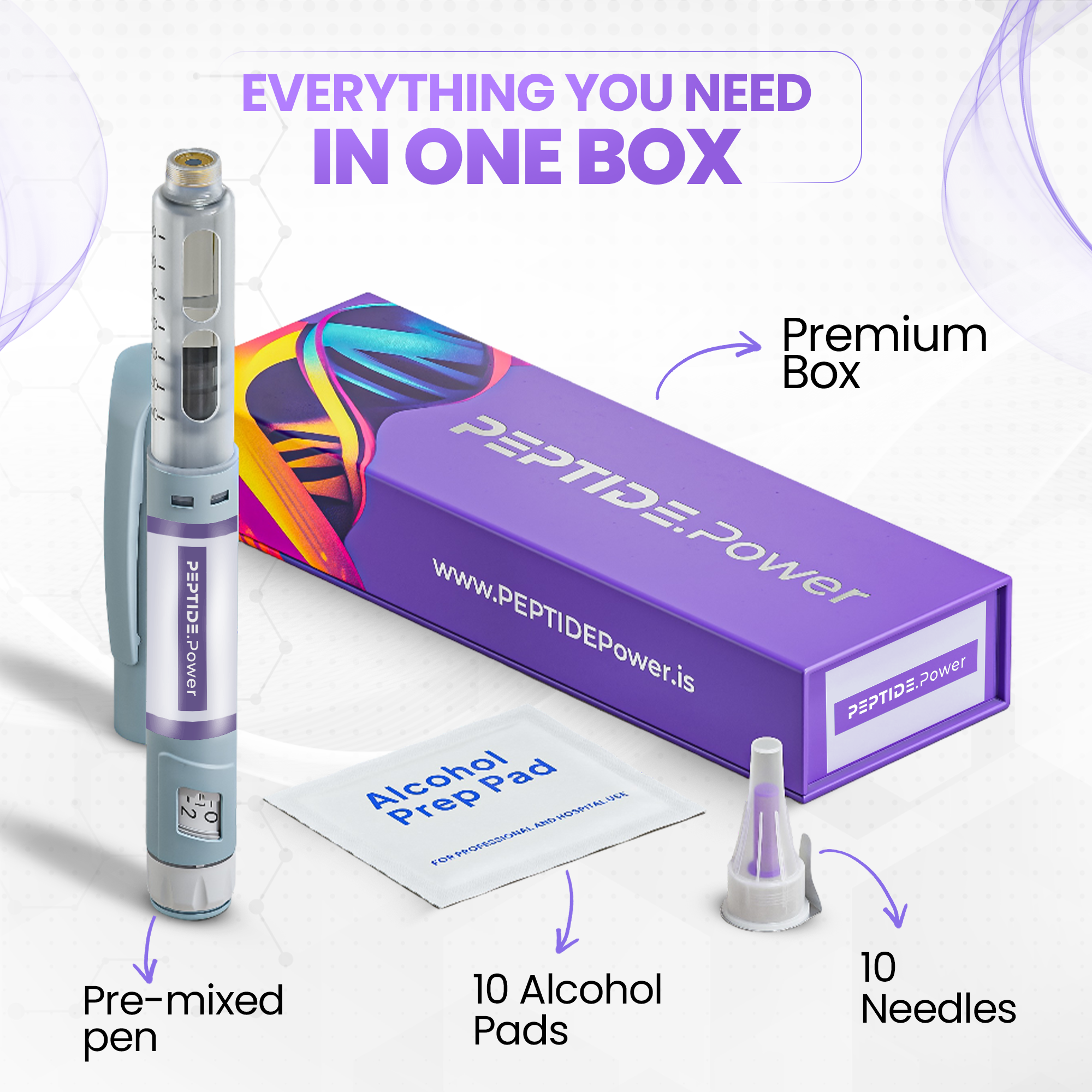
Всеки продукт пристига в премиум, специално проектирана кутия на PEPTIDE.Power, проектирана за удобство, хигиена и безопасно съхранение във вашия хладилник. Вътре ще намерите всичко необходимо за пълния ви изследователски протокол:
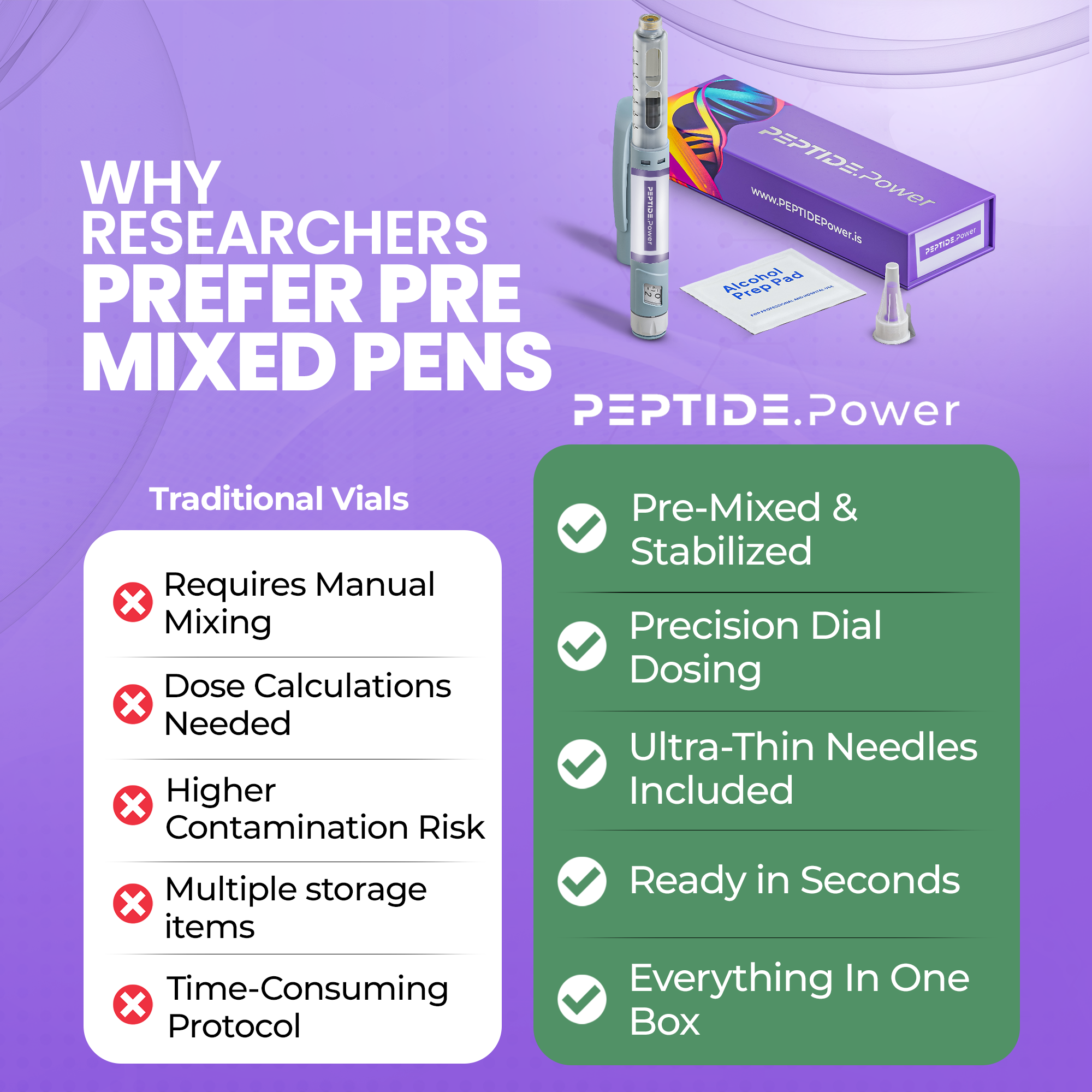
- 1× Еднократна предварително смесена инжекционна писалка
- Захранван от нашата патентована PSM Technology™ – прецизна система за стабилизация & смесване за постоянна ефикасност
- 10× Ултратънки игли (33G, 4 мм)
- 10× Спиртни тампони за стерилна подготовка
- Вътрешна стабилизираща дунапренова вложка за предотвратяване на разклащане по време на транспорт
- Панел с инструкции, отпечатан от вътрешната страна на кутията за бърза справка
- Стикер за защитен печат, гарантиращ, че опаковката не е отваряна или манипулирана
Съхранение
Съхранявайте продукта в хладилник при 1-7°C веднага след доставка. За да поддържате оптимална стабилност, дръжте писалката далеч от светлина и не я излагайте на повтарящи се температурни промени.
След като бъдат реконституирани (всички наши писалки са предварително смесени), изследователските съединения остават стабилни за 6-8 седмици при правилно съхранение в хладилник.
Не замразявайте след реконституция. Винаги дръжте кутията затворена, така че писалката, иглите и спиртните тампони да останат чисти и защитени.
За най-добри резултати използвайте продукта последователно в рамките на препоръчителния времеви прозорец и винаги следвайте вашия изследователски протокол.
Доставка
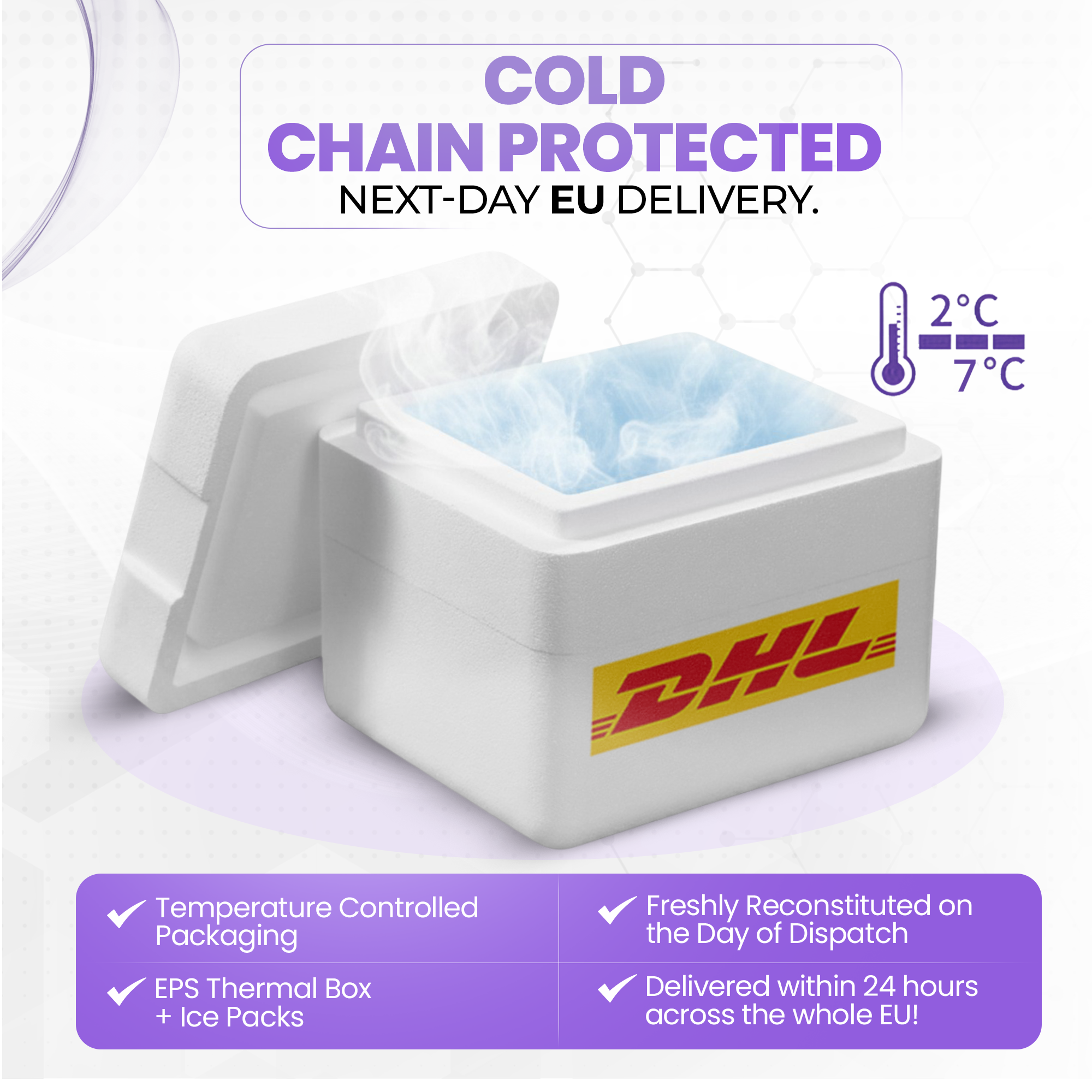
Изпращаме с Доставка в ЕС на следващия ден чрез DHL Express или UPS Express.
Всички поръчки се приготвят свежи в деня на изпращане, поставят се в EPS транспортни кутии за студена верига и се изпращат с охлаждащи елементи за поддържане на стабилна температура по време на целия път.
Нашият логистичен процес е проектиран така, че пратката да пристигне за една нощ, избягвайки митнически забавяния в рамките на Европейския съюз.
Продуктите се изпращат от нашето съоръжение в ЕС, осигурявайки без вносни мита, без митническо освобождаване и винаги бърза и сигурна доставка.
Плащане
Поради естеството на изследователските пептиди и категорията с висок риск, определена от платежните оператори, компаниите за кредитни карти не поддържат търговци в тази област.
Поради тази причина приемаме само банкови преводи.
В рамките на Европейския съюз, SEPA преводите са бързи, нискотарифни и обикновено пристигат в рамките на минути до няколко часа, което прави процеса на плащане гладък и прост.
След като преводът бъде получен, вашата поръчка се подготвя незабавно и се изпраща същия ден (в зависимост от часа на поръчка).
Този метод осигурява съответствие, сигурност и непрекъснатост на услугата за всички клиенти в целия ЕС.
Не намерихте отговор на въпроса си?
Вижте всички често задавани въпросиRELATED PRODUCTS

Brain – Start


Lean Mass – Start


Longevity – Start


Repair Matrix – Start
