



Thymosin alpha 1
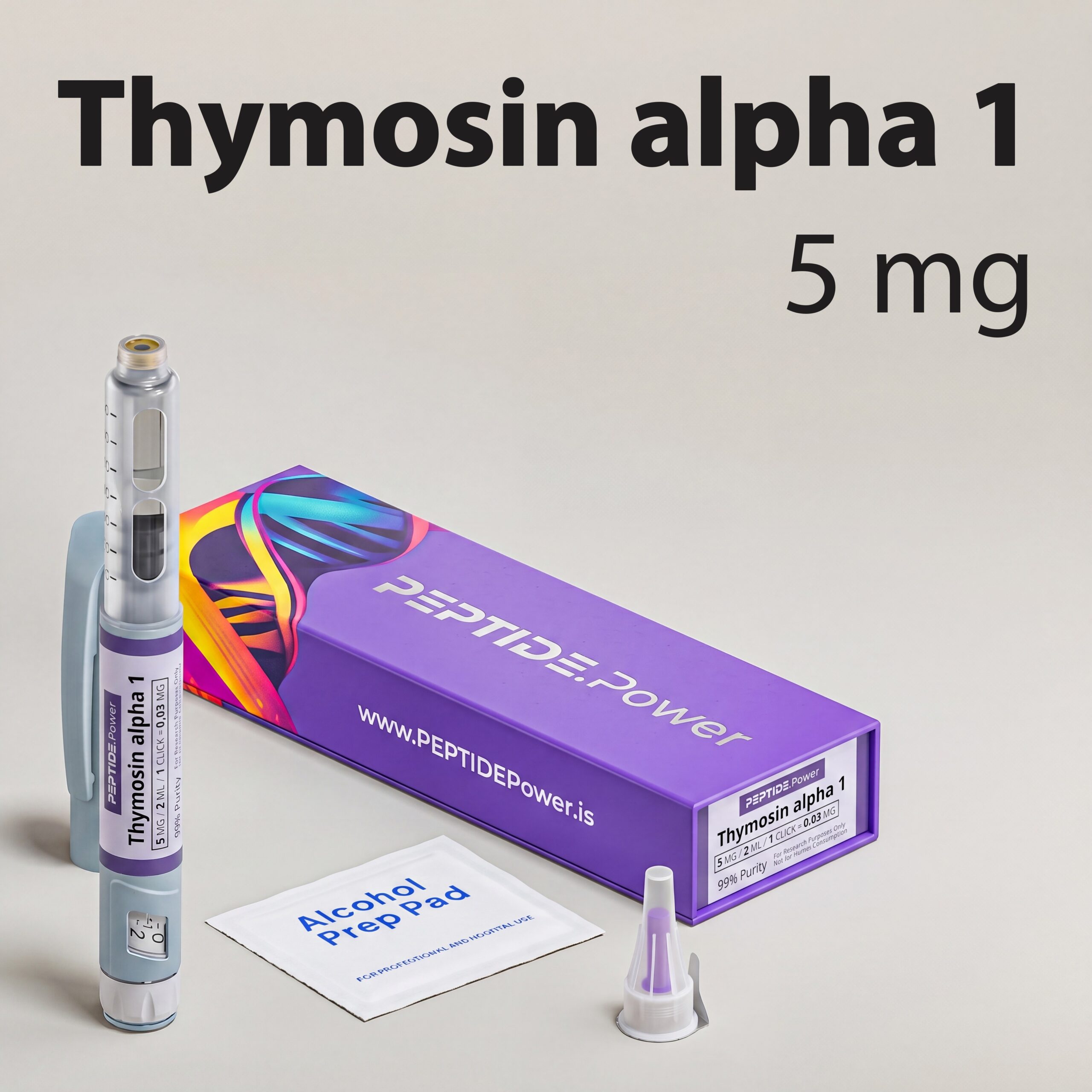
Thymosin Alpha 1 (Tα1) is a synthetic thymic peptide studied for its role in immune system modulation and cellular signaling. Clinical research has evaluated its effects on T-cell function, cytokine balance, and antiviral immune response. Administered subcutaneously, it has been observed to enhance T-lymphocyte activity and immune coordination in human and preclinical models. Formulated for research use only in stabilized pre-mixed injection pen for experimental protocols.
91,00 €
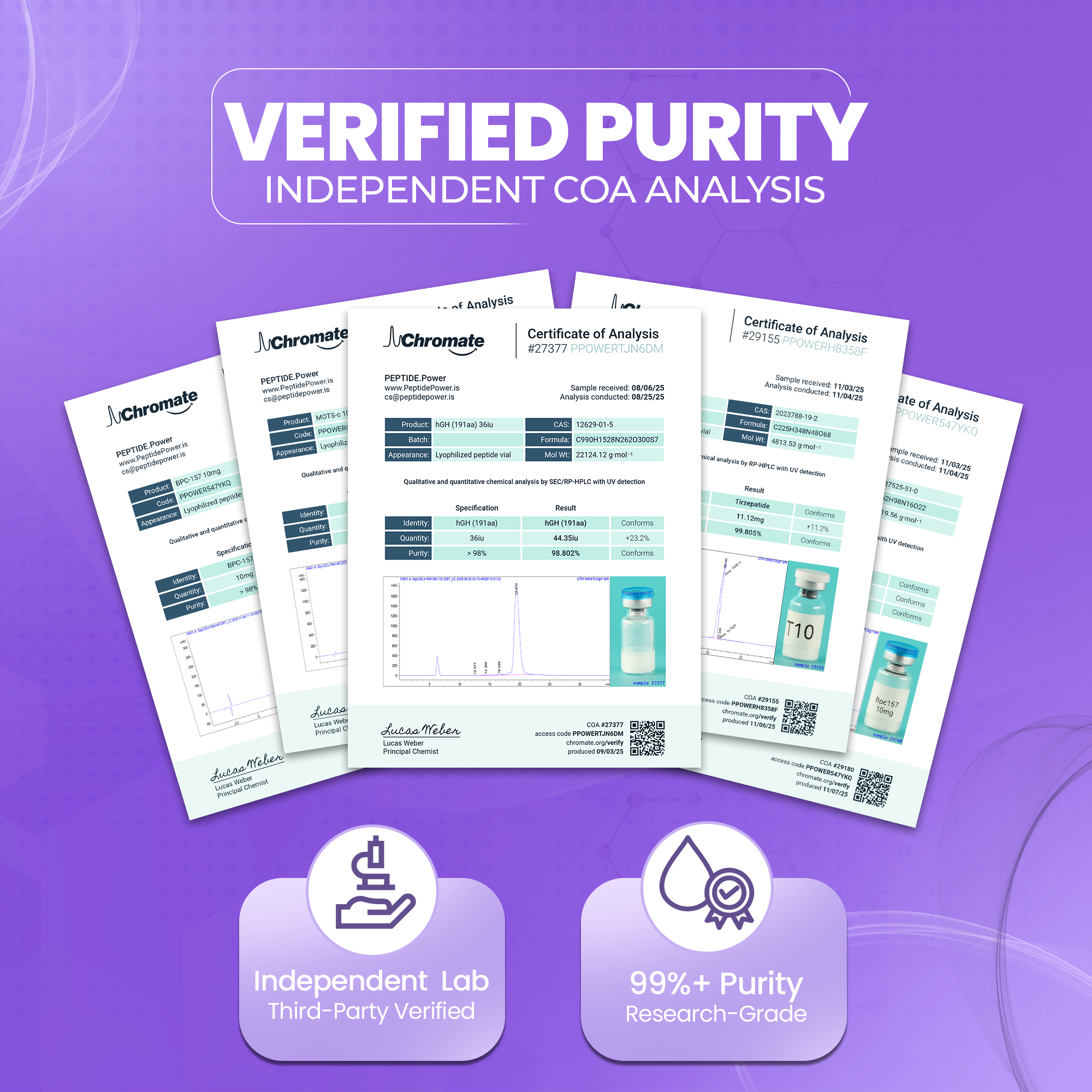
Quality Certificates
Independent third-party lab analysis (CoA) - from our own in-house brand.
Thymosin Alpha 1 - Immune System Support & Cellular Defense
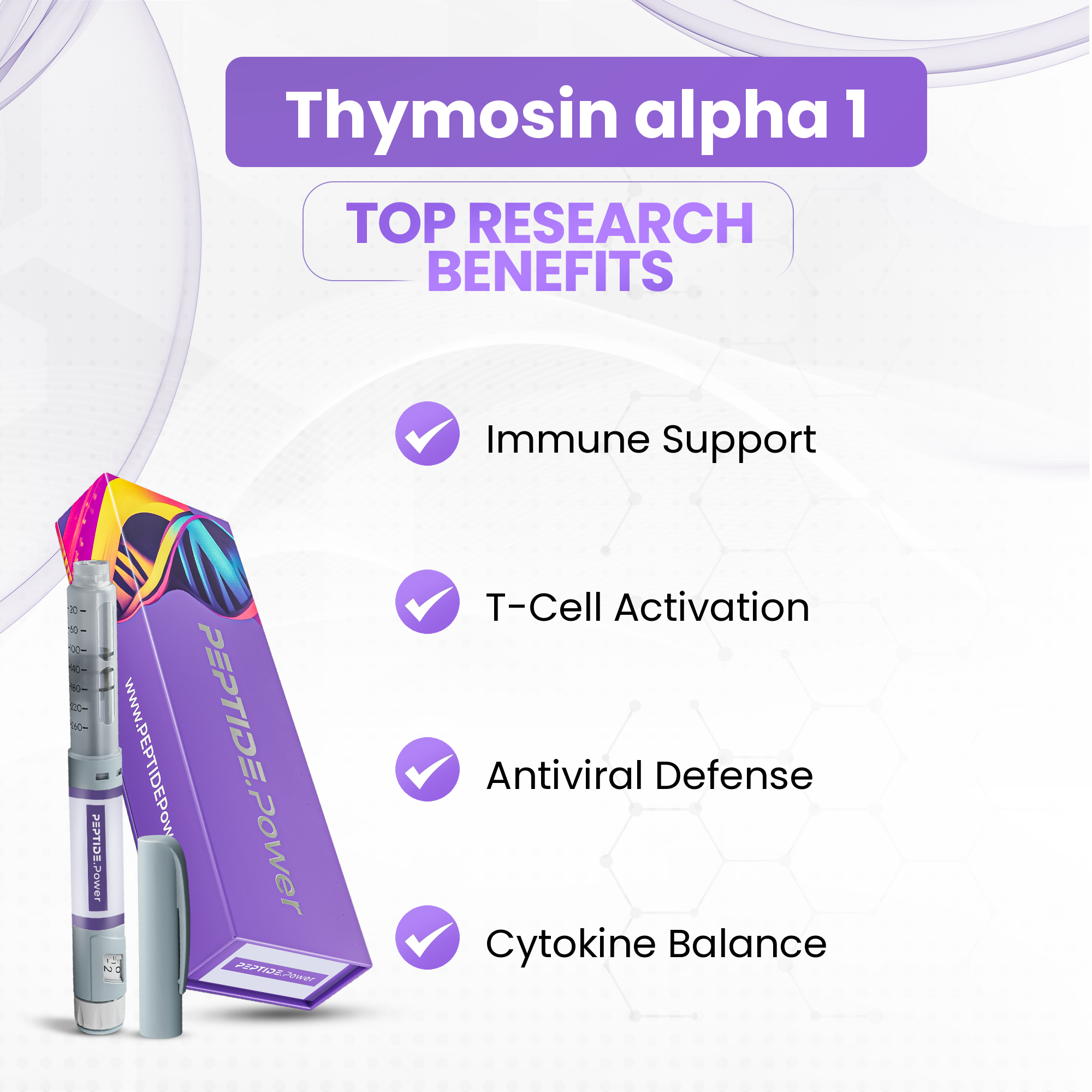
Enhances coordination between innate and adaptive immunity
Supports T-lymphocyte maturation and function
Promotes interferon signaling pathways
Modulates inflammatory and immune signaling molecules
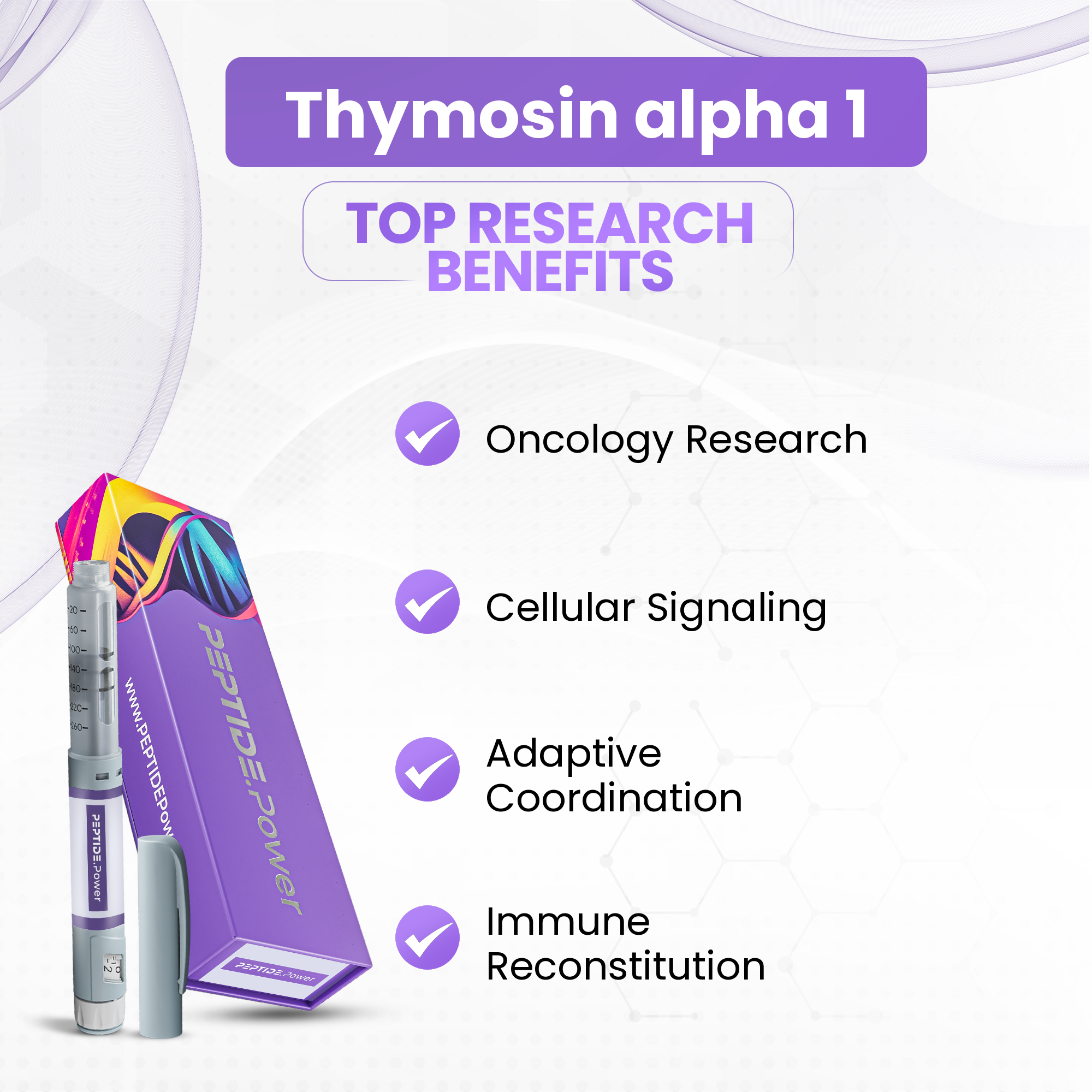
Studied in tumor immune surveillance models
Influences NF-kB and immune receptor pathways
Improves immune response integration
Investigated for restoring T-cell counts in immunocompromised research models
Description
Thymosin Alpha 1 is a synthetic analog of a naturally occurring thymic peptide fragment originally isolated from thymosin fraction 5. It is primarily studied in the domains of immunology, infectious disease research, and oncology-related immune models. In research settings, Tα1 has been observed to influence adaptive immunity, particularly T-cell maturation and dendritic cell activation.
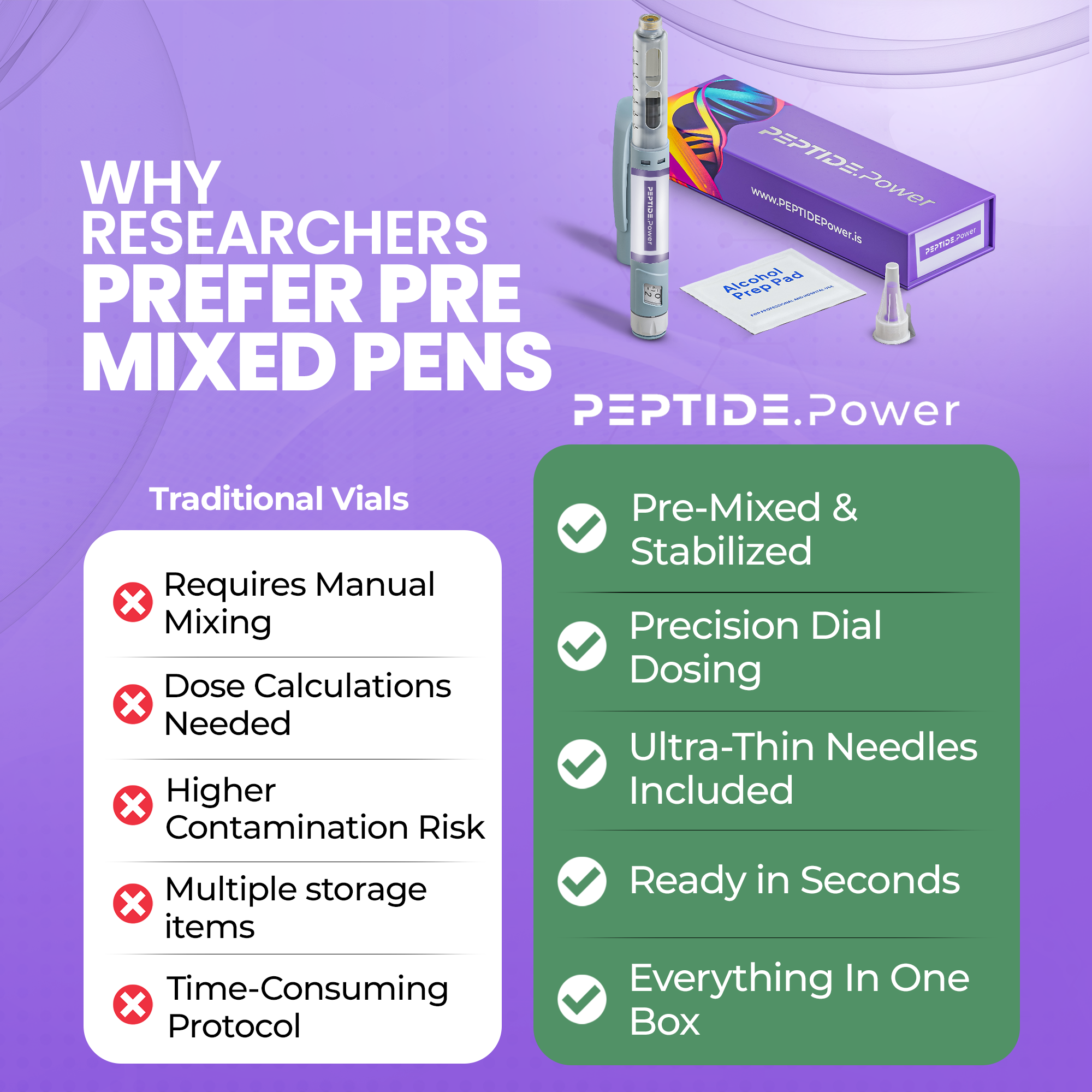
Our formulation is provided in a stabilized pre-mixed injection pen for subcutaneous administration. This delivery method ensures high bioavailability and consistent experimental dosing compared to multi-step vial reconstitution. Each unit is prepared fresh for research protocols and is intended strictly for laboratory and experimental use only.
In research models, Thymosin Alpha 1 has been observed to modulate cytokine signaling pathways including IL-2, IFN-γ, and TNF-α. It appears to support immune balance by enhancing Th1 responses while regulating excessive inflammatory signaling. Its role has also been explored in viral research models where improved immune responsiveness was documented.
Clinical Status
Human RCT ✔ | Observational ✔ | Animal ✔ | In vitro ✔
Clinically evaluated and approved in certain regions for immune modulation research applications.
Mechanism of Action
Thymosin Alpha 1 works by interacting with immune cells, particularly T-lymphocytes and dendritic cells. Research suggests it enhances antigen presentation and supports the maturation of immune cells. This leads to improved coordination between innate and adaptive immunity. In experimental models, this has been measured as increased T-cell proliferation and cytokine regulation.
Benefits
- Enhanced Immune System Coordination:
Thymosin Alpha 1 has been studied for its role in adaptive immune regulation across multiple human and preclinical models. Research suggests it supports communication between innate and adaptive immune compartments. In experimental settings, improved T-cell signaling and dendritic cell activation have been documented. Rather than acting as a blunt immune stimulant, Tα1 appears to modulate immune balance. This regulatory profile makes it relevant in models investigating immune resilience and systemic immune stress. Evidence spans human clinical trials and mechanistic laboratory studies. - T-Lymphocyte Maturation And Activation:
Clinical trials have shown increased CD4+ and CD8+ T-cell activity following administration in immune-compromised research populations. Enhanced IL-2 receptor expression and improved T-cell proliferation have been observed. In research models, this translates to stronger adaptive immune responsiveness. The peptide appears to influence thymic signaling pathways involved in T-cell differentiation. Laboratory data also indicate improved cytotoxic T-cell function. These findings position Tα1 as a key peptide in T-cell biology research. - Cytokine Modulation And Inflammatory Balance:
In research models, Thymosin Alpha 1 has been observed to regulate cytokines including IL-2, IFN-γ, and TNF-α. It appears to promote Th1-oriented immune responses while moderating excessive inflammatory cascades. This dual action has been measured through shifts in cytokine expression profiles. Preclinical studies indicate reduced inflammatory signaling in certain immune stress models. The peptide’s regulatory influence is considered distinct from purely pro-inflammatory compounds. Evidence type includes human RCTs and animal models. - Support For Antiviral Immune Response:
Thymosin Alpha 1 has been evaluated in viral research models where improved immune surveillance was observed. Clinical trials in infectious disease research suggest enhanced interferon signaling and T-cell responsiveness. Laboratory studies indicate activation of Toll-like receptor pathways involved in pathogen recognition. In certain regulatory-approved contexts, Tα1 has been used as an immune adjunct. Other applications remain strictly research-only. The mechanistic basis involves amplification of antiviral signaling cascades. - Dendritic Cell Activation And Antigen Presentation:
In vitro studies demonstrate increased dendritic cell maturation following exposure to Tα1. Enhanced MHC class I and II expression has been documented. This contributes to improved antigen presentation capacity in experimental immune models. Efficient antigen presentation is essential for adaptive immune memory formation. Research suggests Tα1 may support this process through NF-κB pathway modulation. These findings are primarily derived from laboratory and animal data. - Oncology-Adjacent Immune Research Applications:
Thymosin Alpha 1 has been studied as an immune adjuvant in oncology-related models. Research suggests enhanced cytotoxic T-cell activity and improved tumor immune recognition in certain experimental settings. It has been evaluated alongside conventional immune-modulating agents in human studies. The mechanistic rationale involves strengthening immune surveillance pathways. While some regulatory approvals exist in specific regions, broader uses remain research-focused. Evidence includes human trials and preclinical tumor models. - Toll-Like Receptor Pathway Activation:
Technical studies indicate interaction with TLR-2 and TLR-9 receptors. Activation of these receptors leads to downstream NF-κB signaling. This cascade results in increased expression of immune regulatory genes. Laboratory measurements show enhanced interferon production and improved innate immune signaling. This mechanistic pathway is central to its immune-modulating profile. Data are derived primarily from in vitro and animal studies. - High Bioavailability Through Subcutaneous Administration:
Provided in a stabilized pre-mixed injection pen for SubQ use, supporting consistent experimental dosing. Subcutaneous delivery has been associated with reliable systemic exposure in pharmacokinetic studies. This formulation simplifies research handling compared to multi-step vial reconstitution. Each unit is prepared fresh and formulated for research protocols only. The delivery method supports controlled absorption in experimental models. - Regulatory Recognition In Certain Jurisdictions:
Thymosin Alpha 1 has received regulatory approval in select countries for immune-related indications. These approvals are specific and do not extend to all applications. Other uses remain classified as research-only. The existence of regulatory pathways provides additional human safety and pharmacokinetic data. Evidence type includes Human RCT ✔ | Observational ✔ | Animal ▣ | In vitro ▣. - Immune Resilience And Systemic Stress Models:
Research models exploring immune suppression, systemic inflammation, and viral challenge have incorporated Tα1 due to its modulatory profile. Observed effects include improved immune cell coordination and balanced cytokine expression. These outcomes suggest a role in immune resilience research. The peptide does not function as a conventional stimulant but rather as an immune regulator. Evidence spans controlled human studies and mechanistic laboratory experiments.
Research Data
| Study / Model | Reported effect |
|---|---|
| Chronic hepatitis B clinical trials | ↑ viral clearance rates and improved seroconversion markers |
| Hepatitis C combination therapy models | ↑ sustained virologic response when paired with interferon |
| Sepsis patient cohorts | ↓ mortality, improved T-cell counts and cytokine balance |
| Immunocompromised research subjects | ↑ CD4+ and CD8+ T-cell populations, restored Th1/Th2 ratio |
| Melanoma and hepatocellular carcinoma models | Enhanced NK cell activity and tumor antigen recognition |
| Vaccine adjuvant studies (elderly cohorts) | ↑ antibody response to influenza and hepatitis B vaccination |
| In vitro dendritic cell culture | ↑ TLR9 signaling, improved antigen presentation capacity |
Stack Suggestions
Thymosin Alpha 1 is often combined in research with:
- Thymosin Alpha 1 + BPC-157 → Pairs immune modulation with tissue repair for recovery-focused models.
- Thymosin Alpha 1 + LL-37 → Combines adaptive immune enhancement with antimicrobial peptide activity.
- Thymosin Alpha 1 + TB-500 → Supports immune balance alongside systemic regeneration and inflammation control.
- Thymosin Alpha 1 + Glutathione → Enhances antioxidant capacity while modulating T-cell function.
⚠ Stacks are for experimental design only; not safety or efficacy guidance.
Pen Dosage Chart
| Thymosin alpha 1 Pen 5 mg | |
|---|---|
| Volume | 2 mL |
| mg/mL | 2.5 mg/mL |
| Click-to-Dose | 1 click = 0.025 mg |
| Example(s) | 10 clicks = 0.25 mg |
Dosage & Protocols Variations
Standard Research Protocol
- Dose: 1.6 mg (= 64 clicks)
- Duration: 4 – 8 weeks
- Frequency: 2× per week
- Cycle Interval: 2 – 4 weeks off before repeating
- Goal / Description: Baseline immune modulation studies in research models.
Therapeutic Research Protocol
- Dose: 1.6 – 3.2 mg (= 64-128 clicks)
- Duration: 6 – 12 weeks
- Frequency: 2 – 3× per week
- Cycle Interval: 4 weeks off before repeating
- Goal / Description: Higher-intensity protocols investigating antiviral and T-cell response models.
Biohacker Protocol (experimental)
- Dose: 0.4 – 0.8 mg (= 16-32 clicks)
- Duration: 8 – 12 weeks
- Frequency: Daily microdose
- Cycle Interval: 2 weeks off before repeating
- Goal / Description: Continuous low-dose models exploring sustained immune signaling effects.
Possible Side Effects
Thymosin Alpha 1 is generally well-tolerated in clinical and preclinical studies, with a favorable safety profile across multiple immunological research models.
Reported side effects are uncommon and typically mild:
- Transient injection-site reactions, including redness or mild discomfort.
- Occasional fatigue or low-grade flu-like symptoms during initial dosing.
- Mild muscle or joint discomfort in a small subset of subjects.
- Rare reports of transient headache or dizziness.
No evidence of significant hematologic, hepatic, or hormonal adverse effects has been observed in available research data. Tolerability remains consistent across short- and extended-duration experimental protocols.
Product Attributes
- CAS #: 62304-98-7
- Molecular Formula: C129H215N33O55
- Sequence (AA): SDAAVDTSSEITTKDLKEKKEVVEEAEN
- Molecular Weight: 3108.3 g/mol
- PubChem CID: 16130571
- Half-Life: ~2 hours
- Synonyms: Tα1, Thymalfasin, Zadaxin, TA-1
- Type: Synthetic thymic peptide (immunomodulatory fragment)
- Research Focus: Immunity & Inflammation, Antiviral Response, Oncology Models
Scientific References
- Thymosin alpha 1: A comprehensive review of the literature Observational | Animal | In vitro
- Thymosin alpha 1 and cancer: action on immune effector and tumor target cells Animal | In vitro
- Thymosin alpha 1: a peptide immune modulator with a broad range of clinical applications Human RCT | Observational
- Thymosin alpha 1 reduces the mortality of severe COVID-19 by restoration of lymphocytopenia and reversion of exhausted T cells Observational
- Thymosin alpha 1 represents a potential potent single-molecule-based therapy for cystic fibrosis Animal | In vitro
- Thymosin alpha 1 activates dendritic cell tumor antigen processing and cross-presentation Animal | In vitro
- Thymosin alpha 1 mechanisms of action and clinical applications in immune dysfunction Observational | In vitro
- Twenty-five years of studies and trials for the therapeutic application of Thymosin alpha 1 Human RCT | Observational
Included In The Box
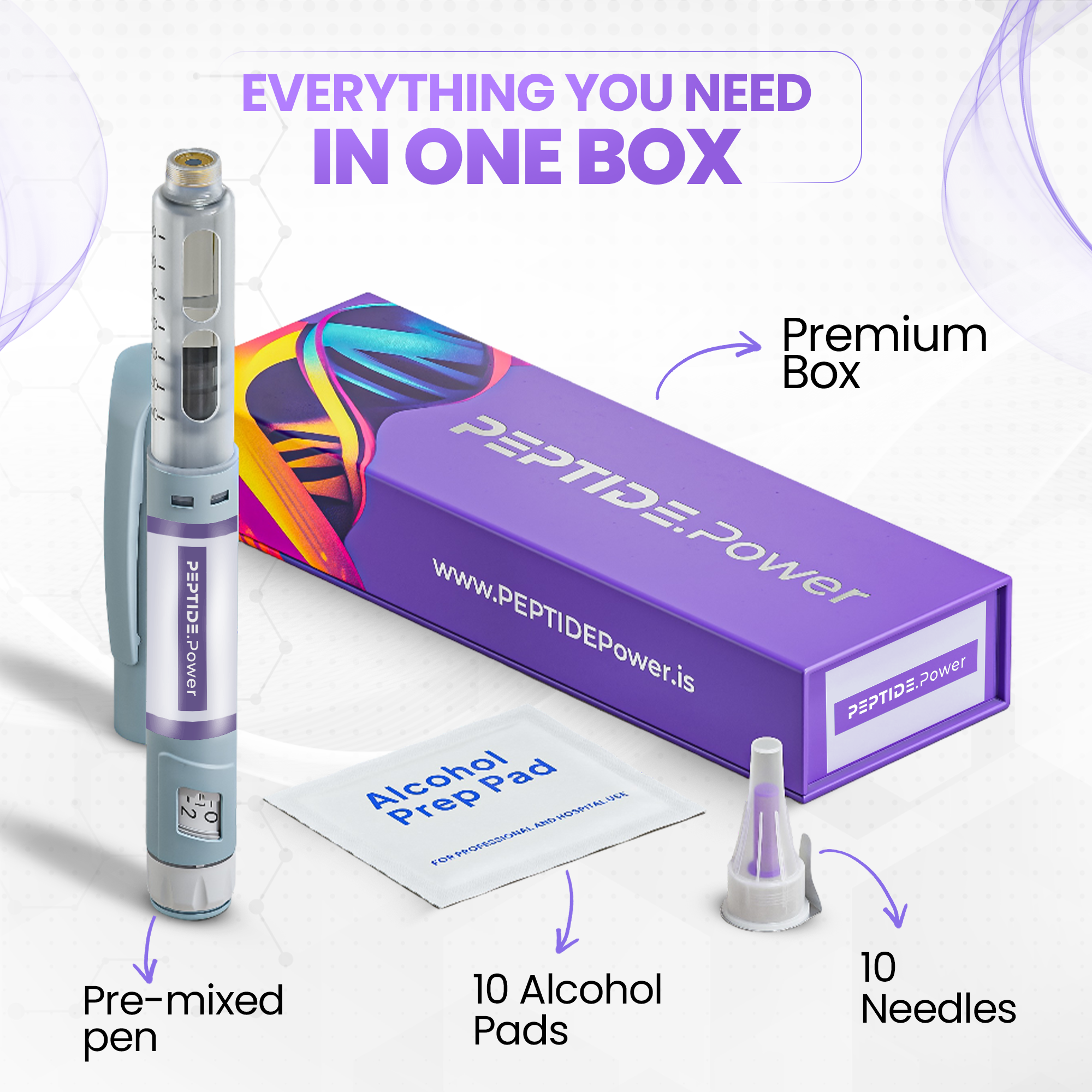
Every product arrives in a premium, custom-designed PEPTIDE.Power box, engineered for convenience, hygiene, and safe storage in your refrigerator. Inside, you will find everything needed for your full research protocol:
- 1× Disposable Pre-Mixed Injection Pen
- Powered by our proprietary PSM Technology™: precision stabilization & mixing system for consistent potency
- 10× Ultra-thin Needles (33G, 4 mm)
- 10× Alcohol Pads for sterile preparation
- Internal Stabilizing Foam Insert to prevent shaking during transport
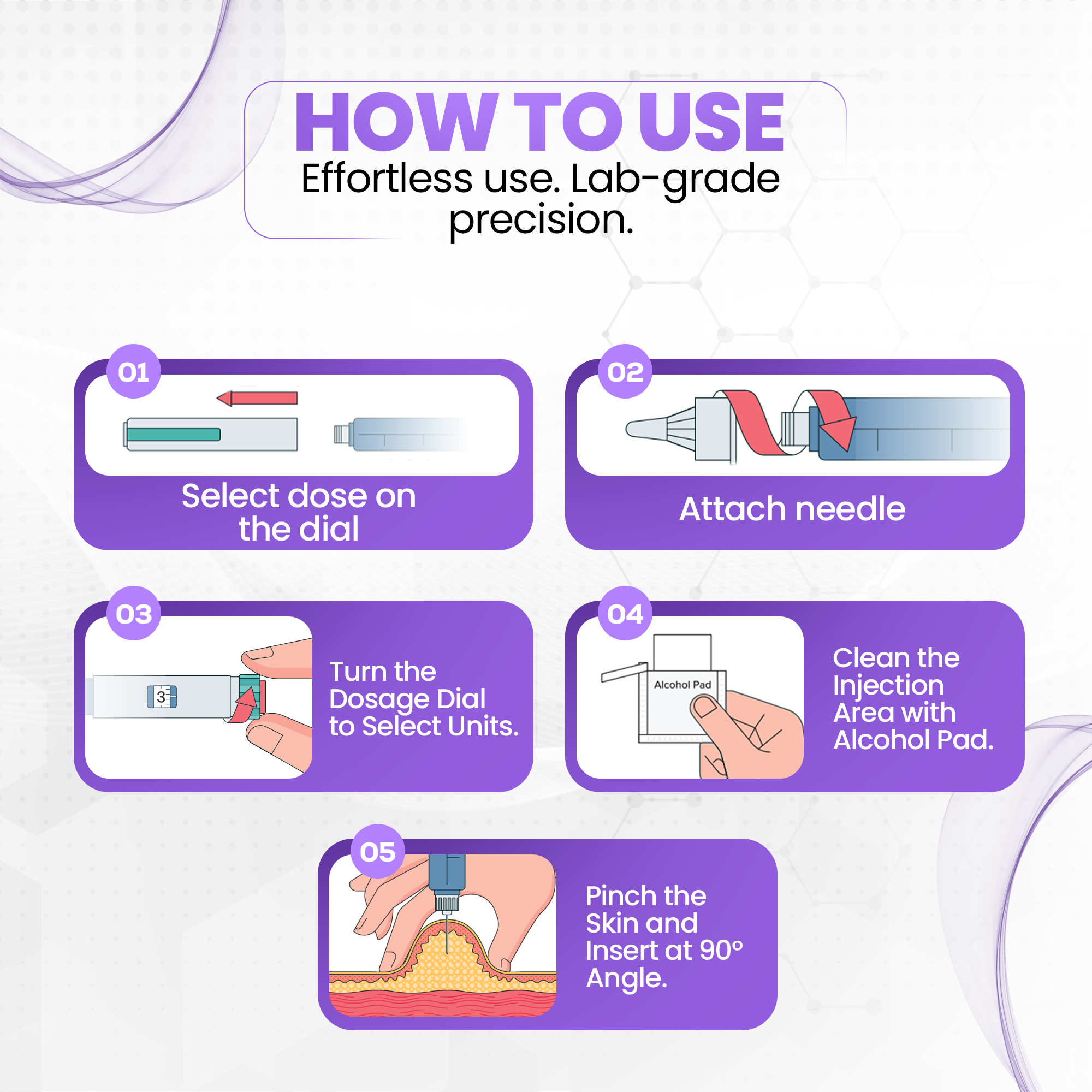
- Instruction Panel printed on the inside of the box for quick reference
- Security Seal Sticker ensuring the package has not been opened or tampered with
Storage
Store the product in a refrigerator at 1-8°C immediately upon delivery. To maintain optimal stability, keep the pen away from light, and do not expose it to repeated temperature changes.
Once reconstituted (all our pens come pre-mixed), research compounds remain stable for 6-8 weeks under proper refrigeration.
Do not freeze after reconstitution. Always keep the box closed so the pen, needles, and alcohol pads stay clean and protected.
For best results, use the product consistently within the recommended time window and always follow your research protocol.
Delivery
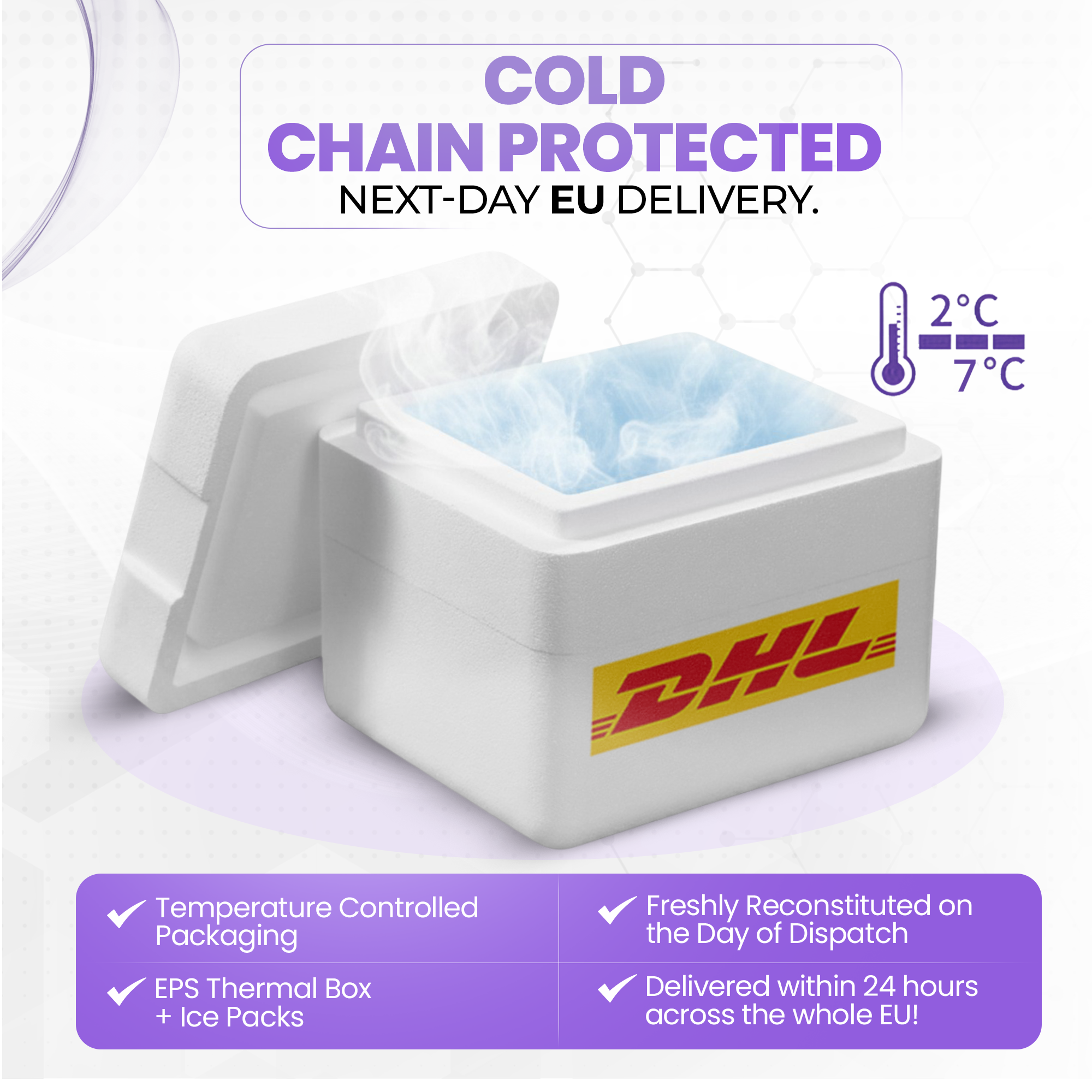
We ship with Next-Day EU Delivery via DHL Express or UPS Express.
All orders are prepared fresh on the day of dispatch, placed in EPS Cold-Chain Transport Boxes, and shipped with cooling elements to maintain a stable temperature throughout the journey.
Our logistics process is designed so the package arrives overnight, avoiding customs delays inside the European Union.
Products are shipped from our EU facility, ensuring no import duties, no customs clearance, and always fast and secure delivery.
Payment
Due to the nature of research peptides and the high-risk category assigned by payment processors, credit card companies do not generally support merchants in this field.
For this reason, we accept mainly Bank Transfers.
We also work with a crypto payment provider, and from time to time, card payments may be available depending on processor availability.
Within the European Union, SEPA transfers are fast, low-cost, and usually arrive within minutes to a few hours, making the payment process smooth and simple.
Once the transfer is received, your order is prepared immediately and dispatched the same day, depending on the daily cut-off time.
Please note that we do not dispatch shipments on Fridays or on days before official public holidays. This is done to ensure that parcels can be delivered on the next working day and are not held in transit over weekends or holidays.
This method ensures compliance, security, and continuity of service for all customers across the EU.
Didn't find the answer to your question?
View all frequently asked questionsRELATED PRODUCTS


DSIP


GHK-Cu


Kisspeptin


LL-37

