







Energy – Advanced
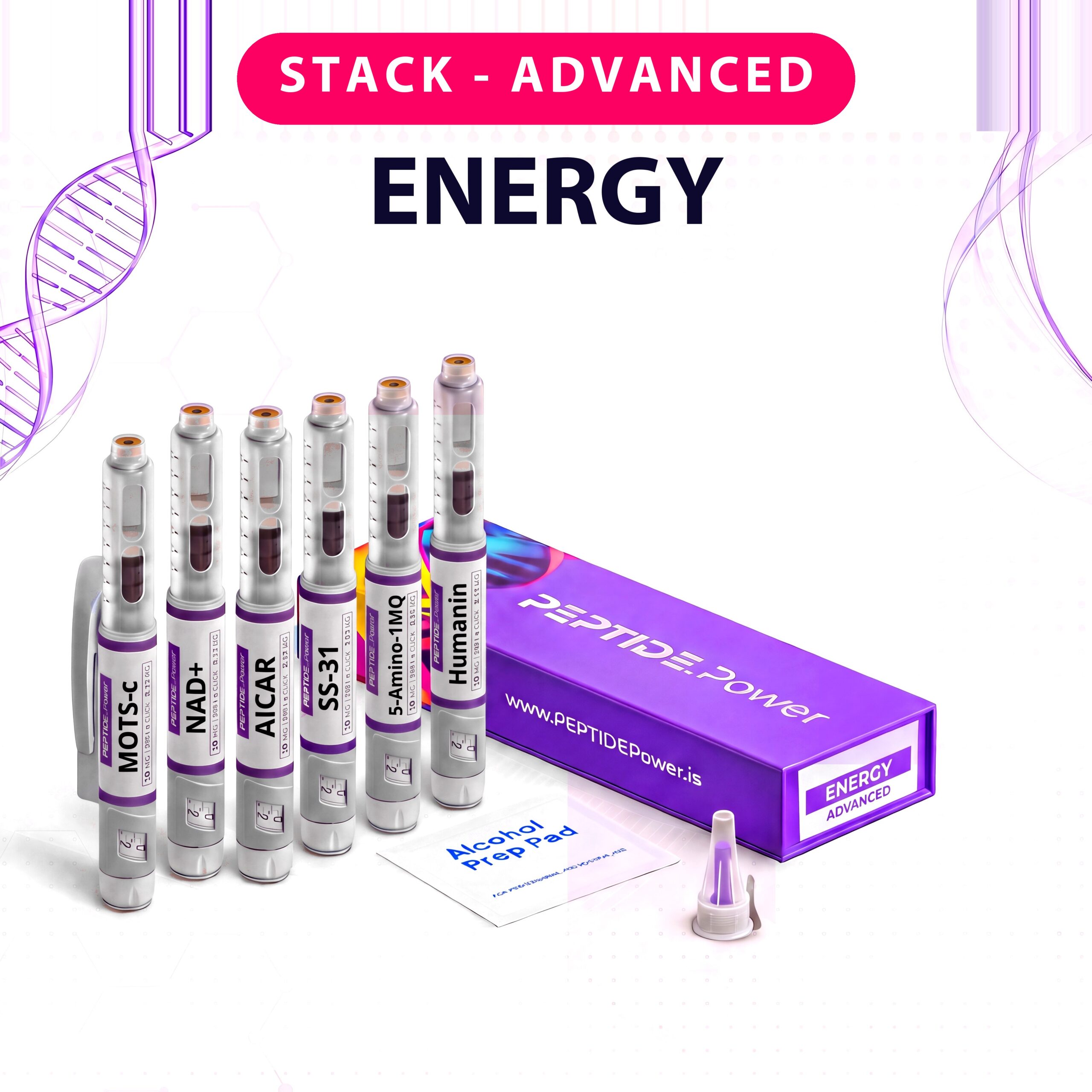
Energy Advanced adds the mitochondrial-targeted peptide SS-31, the NAD-pathway compound 5-Amino-1MQ and the mitochondrial peptide Humanin, forming a six-component panel for in-depth research into cellular energy, metabolic output and mitochondrial resilience.
Supplied at research-grade purity. For research purposes only; not for human consumption.
682,00 € Original price was: 682,00 €.512,00 €Current price is: 512,00 €.
The complete cellular-energy panel — MOTS-c, NAD+, AICAR, SS-31, 5-Amino-1MQ and Humanin.
Temporarily unavailable. Leave your details and we will let you know the moment it is back.
What's included in this stack


Energy - Advanced - Advanced Mitochondrial Energy Research
SS-31 research focus
NAD+ pathway investigation
MOTS-c studies
AICAR research
5-Amino-1MQ influence
Humanin studies
MOTS-c and AICAR
SS-31 and Humanin
Description
Mechanism of Action
This advanced research stack investigates synergistic pathways for cellular energy and metabolic optimization. MOTS-c and AICAR explore exercise-mimetic effects. NAD+ and 5-Amino-1MQ research focuses on critical coenzyme levels. SS-31 and Humanin contribute to studies on mitochondrial integrity and cellular resilience, collectively supporting investigations into enhanced bioenergetics and metabolic health.
Benefits
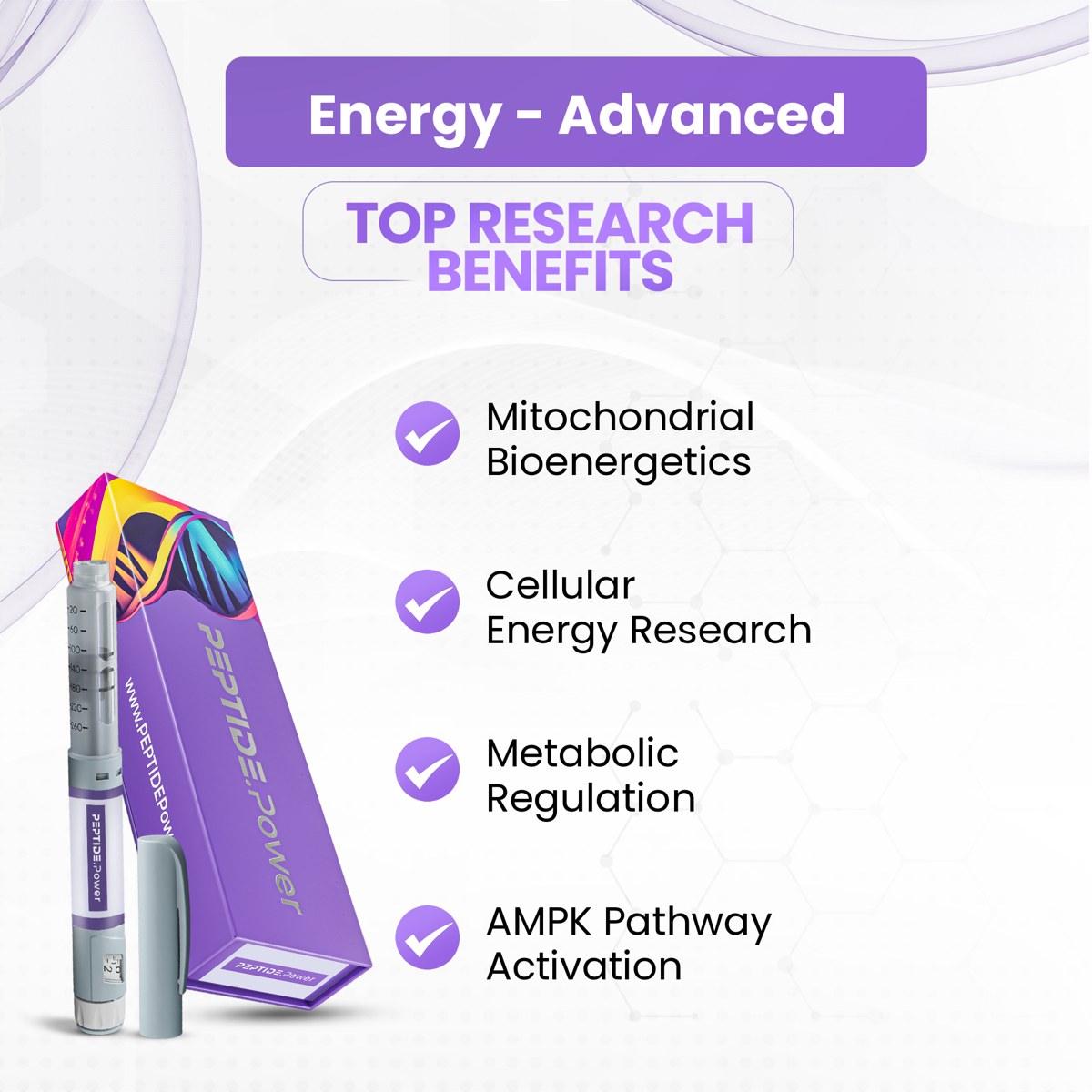
- Mitochondrial Support – Researching SS-31 and Humanin’s roles in organelle integrity.
- Metabolic Regulation – Investigating MOTS-c, AICAR, and 5-Amino-1MQ for metabolic pathway modulation.
- Cellular Energy Pathways – Exploring NAD+ and MOTS-c in ATP production and energy metabolism.
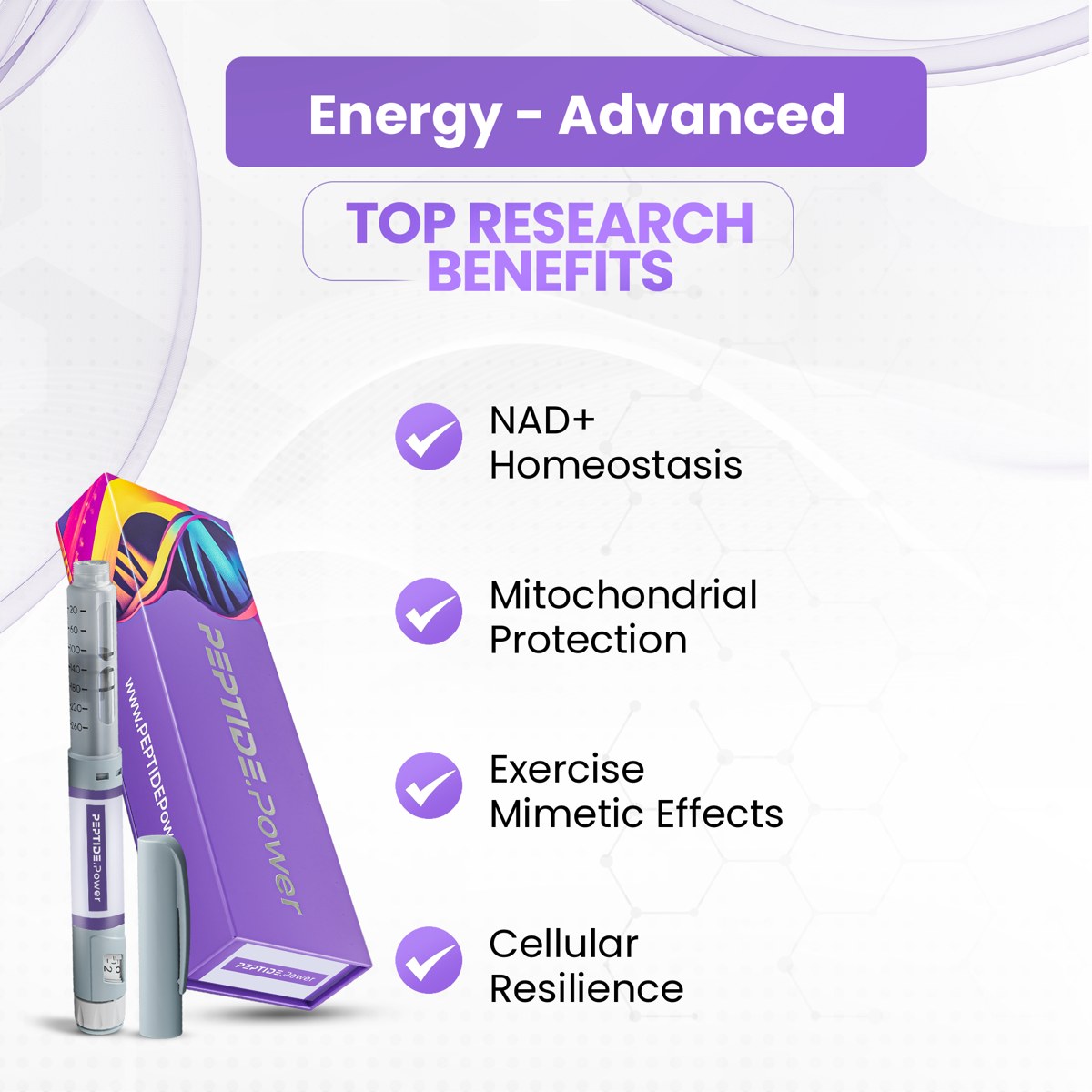
- Exercise Mimetic Effects – Studying AICAR and MOTS-c for their potential to simulate physical activity benefits.
- NAD+ Homeostasis – Examining NAD+ and 5-Amino-1MQ’s influence on crucial coenzyme levels.
- Cellular Resilience – Researching Humanin and SS-31 for protective effects against cellular stressors.
Research Data
MOTS-c
| Study/model | Reported effect |
| Human observational studies (older adults) | ↓ endogenous MOTS-c levels correlate with insulin resistance and aging |
| Animal models (diet-induced obesity) | ↓ fat accumulation, ↑ insulin sensitivity, and restored glucose tolerance |
| Exercise physiology studies | ↑ endurance performance and mitochondrial gene expression in muscle |
| Cellular stress models | ↑ AMPK activation and mitochondrial ROS reduction under oxidative stress |
| High-fat diet mice | ↓ hepatic lipid accumulation and improved metabolic parameters |
| In vitro myocyte cultures | ↑ GLUT4 expression and glucose uptake after peptide exposure |
| Human pilot trial (2022) | Safe SubQ administration; improved fasting glucose and perceived energy |
| Longevity studies (aged mice) | ↑ median lifespan and improved skeletal muscle mitochondrial function |
NAD+
| Study/model | Reported effect |
| Human clinical trials (IV NAD+ administration) | ↑ plasma NAD+ by 4-6×; improved fatigue and alertness scores |
| Animal models (aged mice) | Restored mitochondrial function and ↑ lifespan by 15-20% |
| Cellular aging models | Activation of SIRT1 and PARP1 → enhanced DNA repair and mitochondrial biogenesis |
| Human observational studies | Correlation between low NAD+ and metabolic dysfunction, insulin resistance |
| In vitro neuronal cultures | Protection from oxidative and excitotoxic stress; improved neurite outgrowth |
| Metabolic disorder models | ↓ triglycerides and hepatic steatosis via AMPK activation |
| Exercise recovery studies | ↑ muscle NAD+/NADH ratio and improved endurance performance |
| Brain ischemia models | ↓ infarct size and enhanced neuronal survival post-injury |
AICAR
| Study / Model | Reported effect |
|---|---|
| Sedentary mice (4-week oral administration) | ↑ endurance capacity by ~44% without exercise training |
| Skeletal muscle (rodent models) | ↑ AMPK phosphorylation, ↑ PGC-1α expression, enhanced mitochondrial biogenesis |
| Diet-induced obese mice | ↓ adiposity, improved glucose tolerance, ↑ fatty acid oxidation |
| Insulin-resistant rat models | ↑ GLUT4 translocation, improved insulin sensitivity in skeletal muscle |
| Ischemia-reperfusion cardiac models | Reduced infarct size and improved post-ischemic recovery |
| In vitro myocyte culture | ↑ glucose uptake and mitochondrial oxidative capacity |
| Aged rodent models | Partial restoration of mitochondrial function and metabolic flexibility |
SS-31
| Study / Model | Reported effect |
|---|---|
| Aged mouse skeletal muscle | ↑ ATP production, ↓ oxidative damage, improved mitochondrial coupling efficiency |
| Ischemia-reperfusion cardiac model | ↓ infarct size, preserved mitochondrial cristae structure and membrane potential |
| Primary mitochondrial myopathy (clinical) | Improved 6-minute walk distance and reduced patient-reported fatigue |
| Diabetic nephropathy rodent model | ↓ renal oxidative stress, preserved glomerular function and tubular integrity |
| Heart failure (HFrEF) early trials | Trends toward improved left ventricular function and exercise tolerance |
| In vitro cardiolipin-binding assays | Selective localization to inner mitochondrial membrane, stabilized ETC complexes |
| Age-related macular degeneration trials | Improved low-luminance visual acuity and retinal function markers |
5-Amino-1MQ
| Study / Model | Reported effect |
| Diet-induced obese mice (DIO model) | ↓ body weight by 40%, ↓ fat mass, ↑ lean mass without caloric restriction. |
| NNMT knockout comparison | Mimicked genetic NNMT deletion benefits: ↑ NAD+, ↑ SIRT1, ↑ mitochondrial respiration. |
| In vitro adipocyte culture | ↓ lipid accumulation, ↑ AMPK activation, ↓ inflammatory cytokines. |
| High-fat diet mouse study | ↓ fasting glucose and insulin levels, improved insulin tolerance. |
| Liver steatosis models | ↓ hepatic triglycerides and lipid deposition; ↑ mitochondrial biogenesis. |
| Combination NAD+ + 5-Amino-1MQ | Synergistic NAD+ increase and enhanced metabolic flexibility. |
| Neuroinflammation model | ↓ ROS generation, ↑ mitochondrial membrane potential in neuronal cells. |
Humanin
| Study / Model | Reported effect |
|---|---|
| Alzheimer’s disease cellular models | ↓ neuronal apoptosis induced by amyloid-beta toxicity; preserved cell viability |
| Aged mouse models | ↑ insulin sensitivity; improved glucose homeostasis and metabolic markers |
| Ischemia-reperfusion (cardiac models) | ↓ infarct size; cardioprotection via STAT3 signaling activation |
| In vitro mitochondrial assays | ↑ mitochondrial respiration and ATP production; reduced oxidative stress |
| Human centenarian observational data | Higher circulating humanin levels correlated with longevity and metabolic health |
| Optic nerve injury models | Retinal ganglion cell survival enhanced; neuroprotective signaling preserved |
| Atherosclerosis rodent models | ↓ plaque formation; reduced vascular inflammation markers |
Stack Suggestions
This research bundle is designed for investigators exploring advanced cellular bioenergetics, metabolic health, and mitochondrial function. It suits studies focused on exercise-mimetic pathways, NAD+ metabolism, and cellular resilience mechanisms in various models.
Pen Dosage Chart
MOTS-c
| MOTS-c Pen 10 mg | |
| Volume | 2.0 mL |
| mg/mL | 5 mg/mL |
| Click-to-Dose | 1 click = 0.05 mg |
| Example(s) | 20 clicks = 1 mg |
NAD+
| NAD+ Pen 500 mg | |
| Volume | 3.0 mL |
| mg/mL | 166.67 mg/mL |
| Click-to-Dose | 1 click = 1.67 mg |
| Example(s) | 30 clicks = 50 mg |
| NAD+ Pen 1000 mg | |
| Volume | 3.0 mL |
| mg/mL | 333.33 mg/mL |
| Click-to-Dose | 1 click = 3.33 mg |
| Example(s) | 15 clicks = 50 mg |
AICAR
| AICAR Pen 100 mg | |
| Volume | 3 mL |
| mg/mL | 33.333 mg/mL |
| Click-to-Dose | 1 click = 0.333 mg |
| Example(s) | 10 clicks = 3.333 mg |
SS-31
| SS-31 Pen 10 mg | |
|---|---|
| Volume | 2 mL |
| mg/mL | 5 mg/mL |
| Click-to-Dose | 1 click = 0.05 mg |
| Example(s) | 10 clicks = 0.5 mg |
5-Amino-1MQ
| 5-Amino-1MQ Pen 100 mg | |
| Volume | 3.0 mL |
| mg/mL | 33.33 mg/mL |
| Click-to-Dose | 1 click = 0.333 mg |
| Example(s) | 15 clicks = 5 mg |
Humanin
| Humanin Pen 10 mg | |
| Volume | 2 mL |
| mg/mL | 5 mg/mL |
| Click-to-Dose | 1 click = 0.05 mg |
| Example(s) | 10 clicks = 0.5 mg |
Dosage & Protocols Variations
MOTS-c
Standard Metabolic Protocol
- Dose: 0.5 – 1 mg (= 10-20 clicks)
- Duration: 8 – 12 weeks
- Frequency: 1× daily
- Cycle Interval: 4-week rest
- Goal / Description: Commonly used for metabolic regulation and insulin sensitivity studies
Performance & Endurance Protocol
- Dose: 1 mg (= 20 clicks)
- Duration: 8 – 12 weeks
- Frequency: Every Other Day
- Cycle Interval: 4-week rest
- Goal / Description: Applied in models focused on energy optimization and fatigue resistance
Mitochondrial Recovery Protocol
- Dose: 5 mg (= 100 clicks)
- Duration: 8 – 12 weeks
- Frequency: 1× daily
- Cycle Interval: 8-week rest
- Goal / Description: Studied for mitochondrial repair and oxidative stress response
NAD+
Standard Cellular Support
- Dose: 50 – 100 mg (variant 500 mg pen = 30-60 clicks / variant 1000 mg pen = 15-30 clicks)
- Duration: 8 – 12 weeks
- Frequency: Every Other Day
- Cycle Interval: 4-week rest
- Goal / Description: Common research design for mitochondrial and energy studies
Intensive Regeneration Protocol
- Dose: 100 – 250 mg (variant 500 mg pen = 60-150 clicks / variant 1000 mg pen = 30-75 clicks)
- Duration: 8 – 12 weeks
- Frequency: 1× daily
- Cycle Interval: 8-week rest
- Goal / Description: Applied in models focusing on recovery and DNA repair
Neurocognitive Focus Protocol
- Dose: 50 mg (variant 500 mg pen = 30 clicks / variant 1000 mg pen = 15 clicks)
- Duration: 8 – 12 weeks
- Frequency: 1× daily (morning)
- Cycle Interval: 4-week rest
- Goal / Description: Studied for neuronal resilience and alertness optimization
Longevity & Metabolic Protocol
- Dose: 50 – 150 mg (variant 500 mg pen = 30-90 clicks / variant 1000 mg pen = 15-45 clicks)
- Duration: 8 – 12 weeks
- Frequency: Every Other Day
- Cycle Interval: 8-week rest
- Goal / Description: Designed for long-term metabolic and aging research
AICAR
Standard Research Protocol
- Dose: 0.5 – 1.0 mg/kg
- Duration: 4 – 6 weeks
- Frequency: Daily
- Cycle Interval: 2 – 4 weeks off before repeating
- Goal / Description: Baseline AMPK activation models for metabolic and endurance research.
Therapeutic Research Protocol
- Dose: 1.0 – 2.0 mg/kg
- Duration: 4 – 8 weeks
- Frequency: Daily
- Cycle Interval: 4 weeks off before repeating
- Goal / Description: Higher-dose studies targeting glucose uptake and lipid oxidation.
Biohacker Protocol (experimental)
- Dose: 0.25 – 0.5 mg/kg
- Duration: 6 – 8 weeks
- Frequency: 3 – 5× per week
- Cycle Interval: 2 weeks off
- Goal / Description: Microdose continuous mitochondrial and endurance research.
SS-31
Standard Research Protocol
- Dose: 1 – 5 mg (= 20-100 clicks)
- Duration: 4 – 8 weeks
- Frequency: Daily (subcutaneous)
- Cycle Interval: 2 – 4 weeks off before repeating
- Goal / Description: Baseline mitochondrial support and cardiolipin stabilization in research models.
Therapeutic Research Protocol
- Dose: 5 – 10 mg (= 100-200 clicks)
- Duration: 6 – 12 weeks
- Frequency: Daily
- Cycle Interval: 4 weeks off before repeating
- Goal / Description: Higher-dose protocol for models focused on cardiac, renal, or neurodegenerative mitochondrial dysfunction.
Biohacker Protocol (experimental)
- Dose: 0.5 – 1 mg (= 10-20 clicks)
- Duration: 8 – 12 weeks
- Frequency: Daily microdose
- Cycle Interval: Continuous with periodic 1 – 2 week pauses
- Goal / Description: Low-dose continuous exposure for longevity and oxidative-stress modulation studies.
Stacked Protocol (SS-31 + MOTS-c)
- Dose: 3 – 5 mg SS-31 + 5 mg MOTS-c (= 60-100 clicks)
- Duration: 4 – 6 weeks
- Frequency: Daily
- Cycle Interval: 4 weeks off before repeating
- Goal / Description: Combined mitochondrial biogenesis and membrane stabilization in metabolic research models.
5-Amino-1MQ
Standard Research Protocol
- Dose: 5 – 10 mg daily (= 15-30 clicks)
- Duration: 2 – 4 weeks
- Frequency: Daily
- Cycle Interval: 2-week pause
- Goal / Description: For baseline NAD+ and fat metabolism studies.
Therapeutic Research Protocol
- Dose: 10 – 20 mg (= 30-60 clicks)
- Duration: 4 – 6 weeks
- Frequency: Daily
- Cycle Interval: 4-week interval
- Goal / Description: Modeled on extended NNMT inhibition protocols in DIO models.
Biohacker Microdosing
- Dose: 2 – 5 mg (= 6-15 clicks)
- Duration: 4 weeks
- Frequency: Every other day
- Cycle Interval: Repeat monthly
- Goal / Description: Evaluates mild NAD+ upregulation and metabolic activation.
Mitochondrial Stack Protocol
- Dose: 5 mg 5-Amino-1MQ + 100 mg NAD+ (= 15 clicks)
- Duration: 4 weeks
- Frequency: 3× per week
- Cycle Interval: Repeatable
- Goal / Description: Synergistic design to study combined mitochondrial enhancement.
Humanin
Standard Research Protocol
- Dose: 1 – 5 mg
- Duration: 4 – 8 weeks
- Frequency: Daily or every other day
- Cycle Interval: 4 weeks off before repeating
- Goal / Description: Baseline protocol for mitochondrial and metabolic research models.
Therapeutic Research Protocol
- Dose: 5 – 10 mg
- Duration: 6 – 12 weeks
- Frequency: Daily
- Cycle Interval: 4 – 6 weeks off before repeating
- Goal / Description: Higher-dose protocol for neuroprotection and insulin sensitivity studies.
Biohacker Protocol (experimental)
- Dose: 0.5 – 1 mg
- Duration: Continuous
- Frequency: Daily microdose
- Cycle Interval: 2 weeks off every 8 weeks
- Goal / Description: Low-dose continuous use in longevity and cellular stress models.
Possible Side Effects
MOTS-c
MOTS-c, as a research peptide regulating metabolism, may induce various side effects in experimental models, primarily related to its influence on energy systems. These effects are often dose-dependent and more prominent during initial administration. It’s crucial to monitor subjects closely, as subcutaneous delivery can sometimes cause localized reactions.
Injection Site Reactions: Commonly observed, manifesting as redness or swelling that resolves within hours. Rotating sites minimizes this.
Fatigue: A sense of lethargy reported early on, possibly due to metabolic shifts. It often resolves as homeostasis stabilizes.
Nausea: Mild gastrointestinal upset, linked to AMPK activation. Typically transient.
Headache: Occasional, attributed to vascular adjustments.
Most side effects are transient and manageable through dose adjustments in research settings. However, prolonged exposure warrants vigilance for potential hypersensitivity, though rare in controlled protocols.
NAD+
NAD+, as a research coenzyme boosting metabolism, may induce mild side effects in experimental models, primarily during initial administration. These are dose-dependent and often transient. It’s crucial to monitor for subcutaneous reactions.
Headache: Commonly observed at higher doses, manifesting as mild pressure, linked to vascular changes. It typically resolves within days.
Nausea: Occasional gastrointestinal upset, especially with rapid escalation. Frequency decreases with slower protocols.
Dizziness: Lightheadedness reported early on, possibly from energy shifts. Resolves as models adapt.
Flushing: Warm sensation or skin redness, attributed to niacin-like effects.
Fatigue: Paradoxical tiredness initially, due to metabolic adjustments.
Most side effects are minor and manageable through dose titration. Prolonged exposure warrants vigilance for rare issues like hypersensitivity, though uncommon in controlled settings.
AICAR
AICAR is generally well-tolerated in animal studies and limited human research settings.
Reported side effects are infrequent and typically mild:
- Transient elevation in plasma lactate and uric acid levels.
- Mild hypoglycemia or fluctuations in blood glucose during administration.
- Headache or dizziness observed in early infusion studies.
- Localized irritation at injection site in subcutaneous research models.
- Reduced heart rate and mild hemodynamic changes in cardiovascular research protocols.
No evidence of hepatotoxic, nephrotoxic, or hormonal adverse effects has been observed in available preclinical data.
SS-31
SS-31 (Elamipretide) has been generally well-tolerated in preclinical and early clinical research settings, with no severe adverse effects reported in available data.
Mild and transient effects observed in research include:
- Localized injection-site reactions, including redness, mild swelling, or irritation.
- Transient headache or dizziness during initial dosing periods.
- Mild gastrointestinal discomfort or nausea in sensitive subjects.
- Occasional fatigue or lightheadedness shortly after administration.
No evidence of hepatic, renal, or hormonal adverse effects has been observed in available research data. Long-term safety profiles remain under investigation in ongoing studies focused on mitochondrial-targeted therapeutics.
5-Amino-1MQ
5-Amino-1MQ is generally well tolerated in preclinical studies.
Potential mild effects observed in animal and in vitro models include transient fatigue, mild nausea, or digestive discomfort related to metabolic acceleration.
High doses may cause temporary headaches due to increased NAD+ turnover and mitochondrial activity.
Localized redness or irritation may occur at the subcutaneous injection site.
All effects are dose-dependent and typically resolve after dosage adjustment.
Humanin
Humanin is generally well-tolerated in preclinical and limited human studies, with no major adverse effects reported at research doses.
Observed effects in experimental models are rare and typically mild:
- Transient injection site irritation or redness.
- Mild headache or dizziness during initial dosing.
- Occasional fatigue or drowsiness in early administration phases.
- Minor gastrointestinal discomfort in sensitive subjects.
No evidence of hormonal, hepatic, or cardiovascular adverse effects has been observed in available data. Long-term safety profiles in humans remain under investigation, and Humanin is restricted to experimental and laboratory research.
Product Attributes
Scientific References
MOTS-c
- Mitochondria-derived peptide MOTS-c restores mitochondrial … Animal
- MOTS-c Peptide | Benefits, Safety, & Buying Advice Animal
- Mitochondrial-encoded peptide MOTS-c prevents pancreatic islet … Animal
- Mitochondrial-Encoded Peptide MOTS-c, Diabetes, and Aging … Animal
- MOTS-c Peptide Therapy: The Definitive 2025+ Blueprint for … Review
- MOTS-c: A promising mitochondrial-derived peptide for therapeutic … Animal
- Mitochondria-derived peptide MOTS-c: effects and mechanisms … Animal
- MOTS-c Peptide: Benefits, Mechanism, and Side Effects Explained Review
- What Is MOTS-C? Mitochondrial Peptide for Anti-Aging Explained Review
- MOTS-c Peptide: Mechanism, Benefits, and Research Applications Review
NAD+
- NAD+ therapy in age-related degenerative disorders: A benefit/risk … Review
- The efficacy and safety of β-nicotinamide mononucleotide (NMN … Human RCT
- NAD + Supplementation Normalizes Key Alzheimer’s Features and … Animal
- Effect of Nicotinamide Adenine Dinucleotide on Heart Failure … Review
- Nicotinamide riboside Induced Energy Stress and Metabolic … Animal
- Oral nicotinamide riboside raises NAD+ and lowers biomarkers of … Human RCT
- Nicotinamide riboside, a trace nutrient in foods, is a vitamin B3 with … Review
- safety, insulin-sensitivity, and lipid-mobilizing effects – PubMedHuman RCT
- NAD+ Metabolism in Cardiac Health, Aging, and Disease – PubMed Review
- NAD + -boosting molecules suppress mast cell degranulation and … Animal
AICAR
- AMP-activated protein kinase: ancient energy gauge provides clues to modern understanding of metabolism Animal | In vitro
- AMPK and PPARdelta agonists are exercise mimetics Animal | In vitro
- AMPK: a contextual oncogene or tumor suppressor? Animal | In vitro
- 5-aminoimidazole-4-carboxamide riboside increases glucose transport and cell-surface GLUT4 content in skeletal muscle Animal | In vitro
- AICAR and metformin, but not exercise, increase muscle glucose transport through AMPK-, ERK-, and PDK1-dependent activation of atypical PKC Animal | In vitro
- AICAR inhibits adipocyte differentiation in 3T3L1 and restores metabolic alterations in diet-induced obesity mice Animal | In vitro
- WADA Prohibited List – Hormone and Metabolic Modulators (S4) Regulatory
- AMPK activation by AICAR reduces ischemic injury and improves mitochondrial function Animal | In vitro
SS-31
- Szeto-Schiller Peptides: Mitochondrial-Targeted Peptides for the Treatment of Mitochondrial Disease Animal | In vitro
- Cardiolipin and mitochondrial cristae organization In vitro | Animal
- First-in-class cardiolipin-protective compound as a therapeutic agent to restore mitochondrial bioenergetics Animal | In vitro
- Elamipretide (SS-31) Improves Mitochondrial Dysfunction, Synaptic and Memory Impairment Animal
- Elamipretide Improves Mitochondrial Function in the Skeletal Muscle of Older Individuals Human RCT
- Mitochondrial-targeted peptide SS-31 attenuates oxidative stress and renal injury Animal | In vitro
- SS-31, a Mitochondria-Targeting Peptide, Ameliorates Kidney Disease Animal
- Cardiolipin-targeted peptides rejuvenate mitochondrial function in aged cells In vitro | Animal
5-Amino-1MQ
- Selective and membrane-permeable small molecule inhibitors of nicotinamide N-methyltransferase reverse high fat diet-induced obesity in mice Animal
- Roles of nicotinamide N-methyltransferase in obesity and type 2 diabetes mellitus Review
- What is 5-Amino-1MQ? uses & benefits of this special peptide Web
- 5-Amino-1MQ for beginners: dosage, benefits, and peptide stacks explained In vitro
- Reduced calorie diet combined with NNMT inhibition establishes a distinct microbiome in DIO mice Animal
- 5-Amino-1MQ Animal
- 5-Amino-1MQ vs. sеmаglutіdе: which is better for weight loss? Review
- 5-Amino-1MQ vs sеmаglutіdе: how they differ in weight loss approaches Review
- How 5-Amino-1MQ supports fat burn and metabolic health Web
- New insights on muscle strength: the role of inhibiting an enzyme that hinders NAD synthesis Animal
Humanin
- Humanin: a harbinger of mitochondrial-derived peptides? Observational | Animal | In vitro
- Humanin peptide suppresses apoptosis by interfering with Bax activation In vitro
- Humanin: a novel central regulator of peripheral insulin action Animal | In vitro
- Humanin protects against Alzheimer’s disease-relevant insults in vitro and in vivo Animal | In vitro
- The mitochondrial-derived peptide humanin protects RPE cells from oxidative stress, senescence, and mitochondrial dysfunction In vitro
- Naturally occurring variation in the mitochondrial-derived peptide MOTS-c and the risk of type 2 diabetes Observational
- Humanin reduces cardiac ischemia-reperfusion injury via STAT3 signaling Animal
- Humanin and other mitochondrial-derived peptides: bioactive molecules with significant role in healthspan and lifespan Observational | Animal | In vitro
Included In The Box
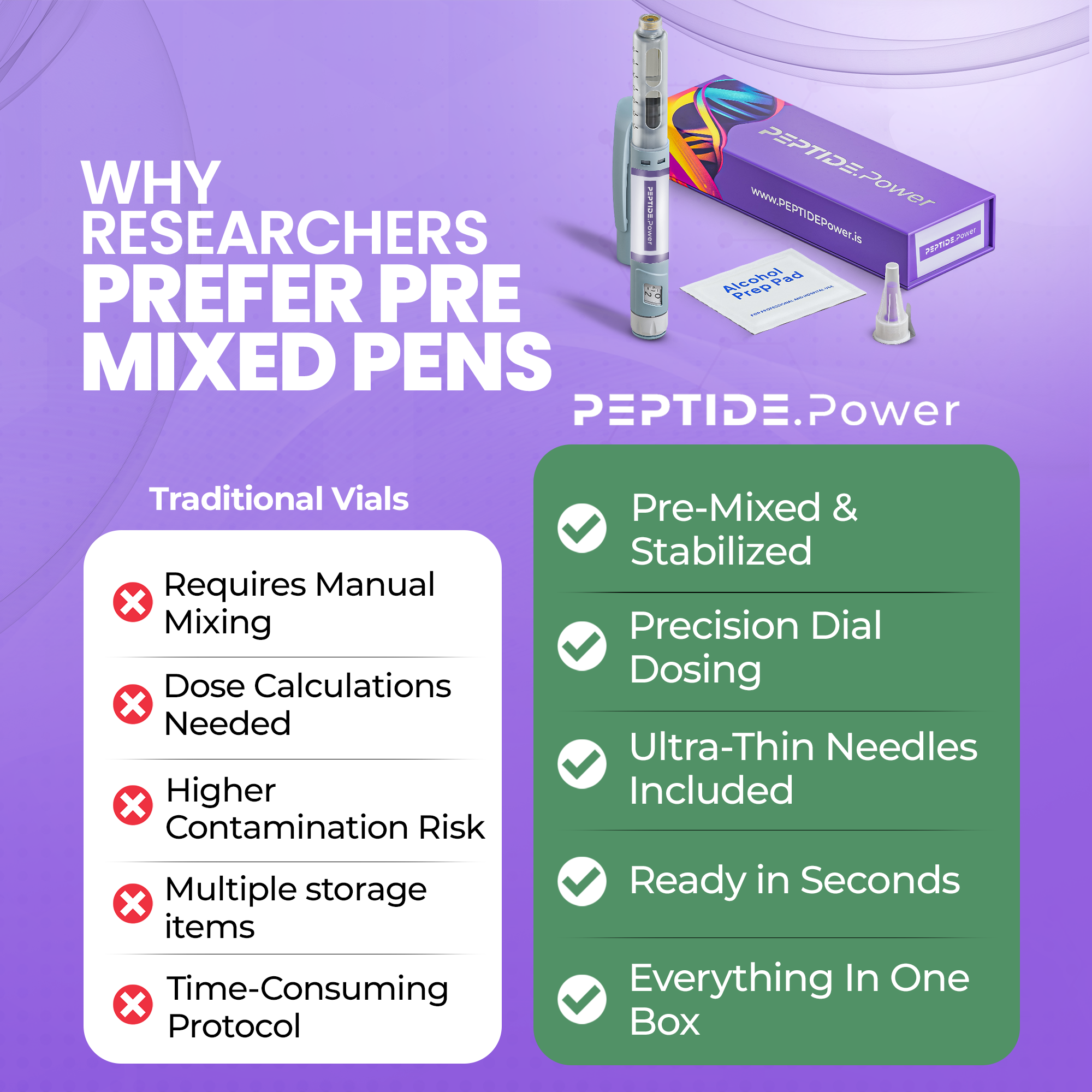
Every product arrives in a premium, custom-designed PEPTIDE.Power box, engineered for convenience, hygiene, and safe storage in your refrigerator. Inside, you will find everything needed for your full research protocol:
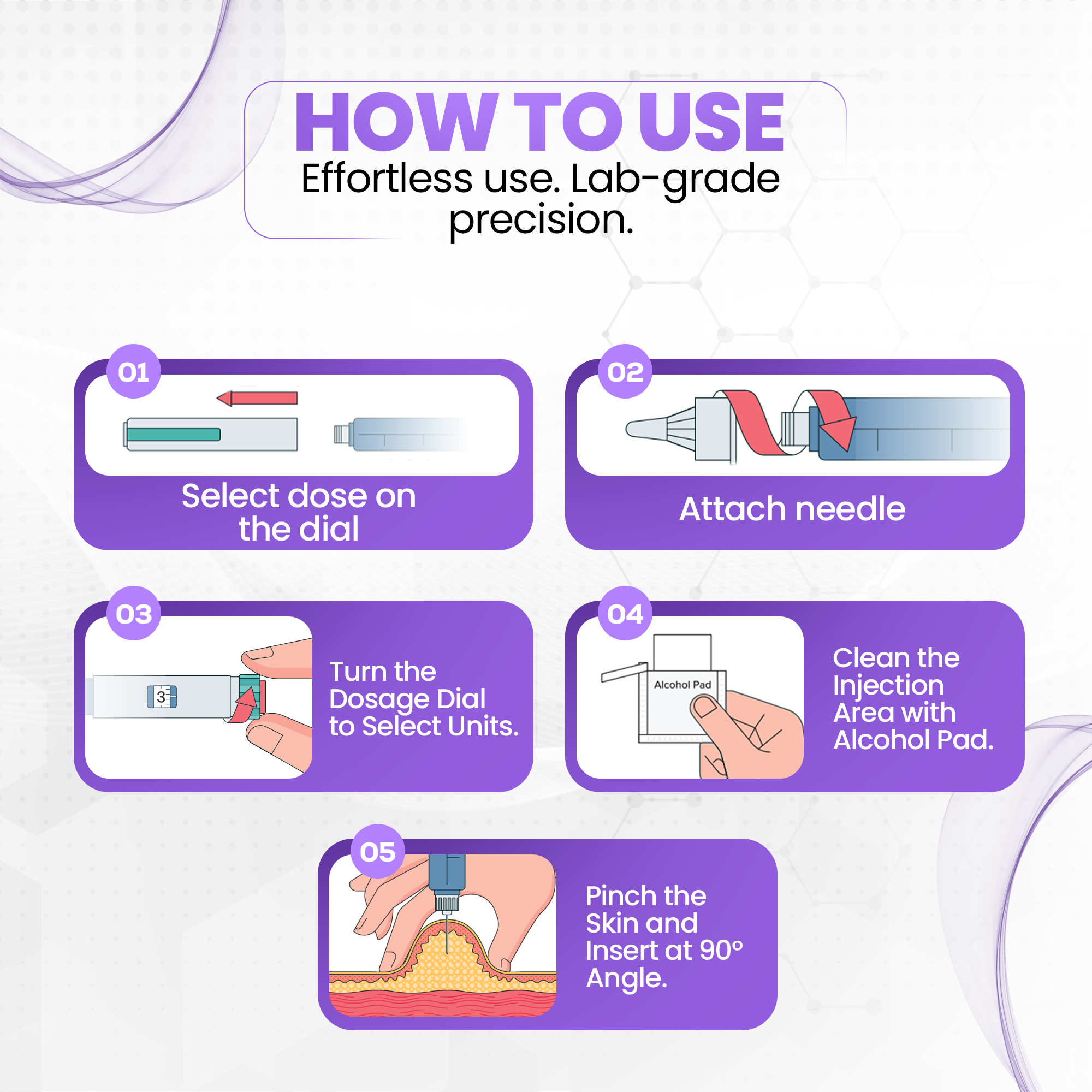
- 1× Disposable Pre-Mixed Injection Pen
- Powered by our proprietary PSM Technology™: precision stabilization & mixing system for consistent potency
- 10× Ultra-thin Needles (33G, 4 mm)
- 10× Alcohol Pads for sterile preparation
- Internal Stabilizing Foam Insert to prevent shaking during transport
- Instruction Panel printed on the inside of the box for quick reference
- Security Seal Sticker ensuring the package has not been opened or tampered with
Storage
Store the product in a refrigerator at 1-8°C immediately upon delivery. To maintain optimal stability, keep the pen away from light, and do not expose it to repeated temperature changes.
Once reconstituted (all our pens come pre-mixed), research compounds remain stable for 6-8 weeks under proper refrigeration.
Do not freeze after reconstitution. Always keep the box closed so the pen, needles, and alcohol pads stay clean and protected.
For best results, use the product consistently within the recommended time window and always follow your research protocol.
Delivery
We ship with Next-Day EU Delivery via DHL Express or UPS Express.
All orders are prepared fresh on the day of dispatch, placed in EPS Cold-Chain Transport Boxes, and shipped with cooling elements to maintain a stable temperature throughout the journey.
Our logistics process is designed so the package arrives overnight, avoiding customs delays inside the European Union.
Products are shipped from our EU facility, ensuring no import duties, no customs clearance, and always fast and secure delivery.
Payment
Due to the nature of research peptides and the high-risk category assigned by payment processors, credit card companies do not generally support merchants in this field.
For this reason, we accept mainly Bank Transfers.
We also work with a crypto payment provider, and from time to time, card payments may be available depending on processor availability.
Within the European Union, SEPA transfers are fast, low-cost, and usually arrive within minutes to a few hours, making the payment process smooth and simple.
Once the transfer is received, your order is prepared immediately and dispatched the same day, depending on the daily cut-off time.
Please note that we do not dispatch shipments on Fridays or on days before official public holidays. This is done to ensure that parcels can be delivered on the next working day and are not held in transit over weekends or holidays.
This method ensures compliance, security, and continuity of service for all customers across the EU.
Didn't find the answer to your question?
View all frequently asked questionsRELATED PRODUCTS

Bioregulator – Start


Cell Renewal – Start


Glow – Advanced


Longevity – Advanced

