





Lean Mass – Advanced
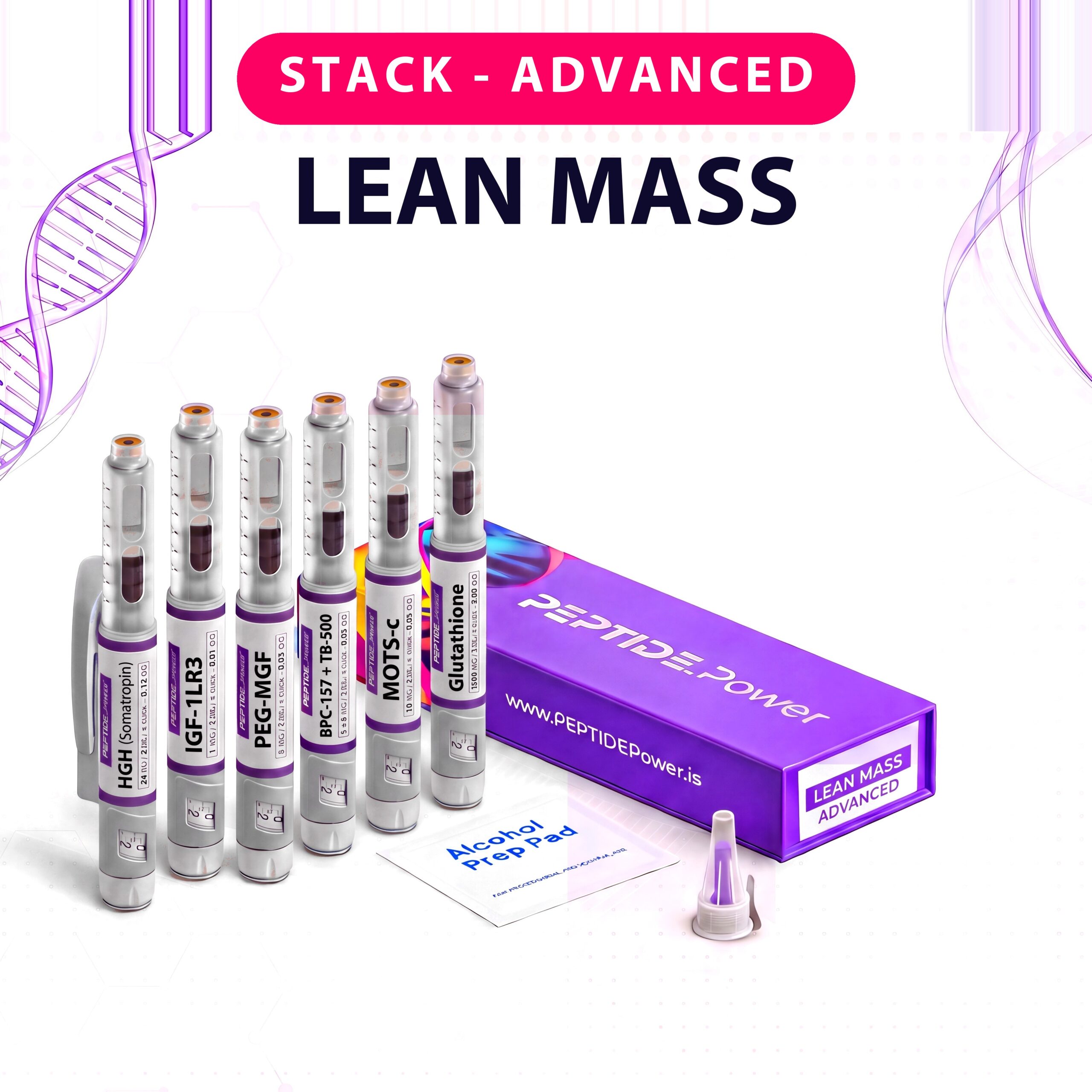
The Lean Mass – Advanced expands the Start protocol to six complementary compounds: HGH (Somatropin), IGF-1 LR3, PEG-MGF, the BPC-157 + TB-500 repair pair, the mitochondrial peptide MOTS-c and master-antioxidant Glutathione.
Built for deeper research into the growth-hormone / IGF-1 axis, muscle repair, mitochondrial output and recovery resilience – a complete bundled set at a single discounted price.
482,00 € Original price was: 482,00 €.362,00 €Current price is: 362,00 €.
The expanded 6-part anabolic protocol: HGH, IGF-1 LR3, PEG-MGF, BPC-157 + TB-500, MOTS-c and Glutathione.
What's included in this stack


Lean Mass - Advanced - Expanded Six-Compound Anabolic Investigation
via IGF-1 LR3 receptor
HGH lipolysis, fat oxidation
BPC-157, TB-500 combination
MOTS-c AMPK pathway
Glutathione neutralizes free radicals
PEG-MGF stimulates satellite cells
HGH boosts collagen, fibroblasts
BPC-157, TB-500, MOTS-c, Glutathione
Description
Mechanism of Action
The Lean Mass – Advanced bundle is designed for comprehensive investigation into anabolic and recovery pathways. HGH (Somatropin) is studied as the upstream driver of the growth-hormone / IGF-1 axis, complemented by IGF-1 LR3 for sustained receptor activation and PEG-MGF for satellite-cell proliferation. The BPC-157 + TB-500 pair is researched for angiogenesis and tissue repair, while MOTS-c contributes to mitochondrial homeostasis and Glutathione supports cellular redox balance, together offering a synergistic platform for advanced anabolic research.
Benefits
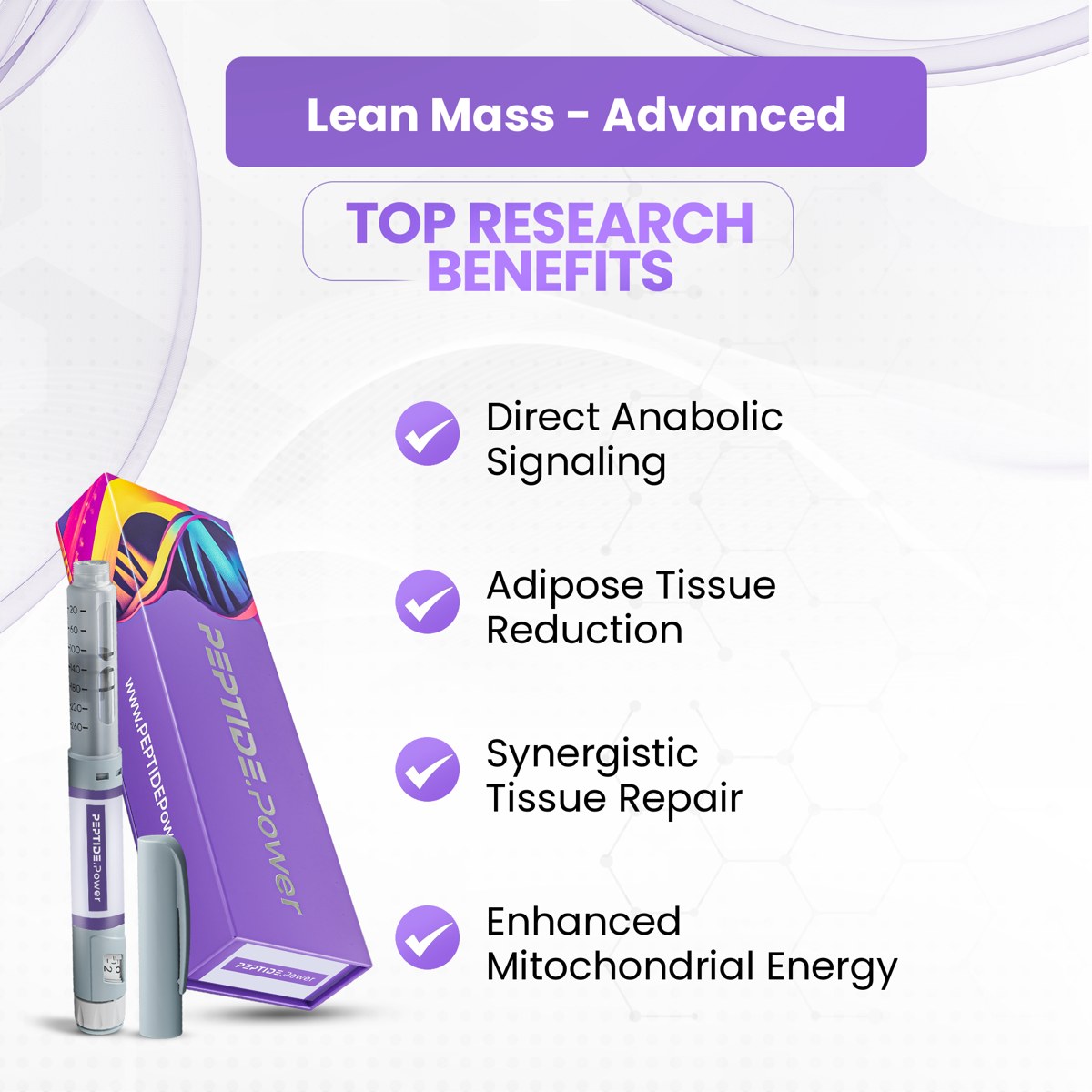
- Direct Anabolic Signaling – IGF-1 LR3 is researched for its direct activation of the IGF-1 receptor, initiating intracellular growth cascades and promoting protein synthesis.
- Adipose Tissue Reduction – HGH (Somatropin) is studied for stimulating lipolysis and promoting fat oxidation, contributing to improved body composition.
- Synergistic Tissue Repair – The BPC-157 and TB-500 combination is investigated for its synergistic ability to accelerate the repair of muscle, tendon, and ligament injuries.
- Enhanced Mitochondrial Energy – MOTS-c is researched for activating the AMPK pathway, enhancing mitochondrial respiration, and improving cellular energy balance and ATP synthesis.
- Master Antioxidant Defense – Glutathione is studied for its critical role in neutralizing free radicals and protecting cellular structures from oxidative damage.
- Muscle Stem Cell Activation – PEG-MGF is investigated for its ability to stimulate satellite cells, supporting early-phase muscle regeneration and structural repair following mechanical overload.
- Accelerated Tissue Healing – HGH (Somatropin) is studied for its accelerated wound and tissue healing properties, attributed to increased collagen production and enhanced fibroblast activity.
- Reduced Inflammatory Stress – BPC-157, TB-500, MOTS-c, and Glutathione are researched for their roles in reducing pro-inflammatory mediators and mitigating oxidative stress.
Research Data
HGH (Somatropin)
| Study/model | Reported effect |
| Human clinical trials (GH-deficient adults) | ↑ lean body mass (~3.5 kg) and ↓ fat mass (~2.0 kg) after 6 months of administration |
| Human clinical trials (elderly population) | ↑ skin thickness and elasticity; improved collagen deposition |
| Animal models (fracture healing) | Accelerated callus formation and ↑ osteoblast activity |
| Preclinical wound healing studies | Enhanced fibroblast proliferation and collagen synthesis |
| Metabolic research (human) | Improved lipid profile (↓ LDL, ↑ HDL) and glucose utilization |
| Exercise recovery studies | Shortened muscle recovery time and increased performance capacity |
| In vitro studies (cell culture) | Upregulated STAT5 signaling and IGF-1 gene expression |
| Long-term administration models | Sustained increase in protein turnover and mitochondrial activity |
IGF-1LR3
| Study / Model | Reported effect |
|---|---|
| Rodent skeletal muscle model | ↑ myofiber hypertrophy and protein synthesis via IGF-1R activation |
| In vitro myoblast culture | ↑ proliferation and differentiation; enhanced Akt/mTOR signaling |
| Pharmacokinetic comparison vs native IGF-1 | Extended half-life and reduced IGFBP binding affinity |
| Cellular repair models | ↑ satellite cell activation and tissue regeneration markers |
| Glucose metabolism studies | ↑ peripheral glucose uptake; modulated insulin sensitivity |
| Anabolic signaling assays | Sustained receptor phosphorylation and downstream PI3K activation |
PEG-MGF
| Study / Model | Reported effect |
|---|---|
| Rodent skeletal muscle injury model | ↑ Satellite cell activation and accelerated myofiber regeneration |
| In vitro myoblast culture | ↑ Proliferation and delayed differentiation, expanding the myogenic pool |
| Mechanical overload model (rat) | ↑ Local IGF-1Ec splice variant signaling and hypertrophic response |
| Cardiac ischemia model | Reduced cardiomyocyte apoptosis and improved tissue recovery markers |
| Pharmacokinetic comparison (PEG-MGF vs native MGF) | Extended plasma half-life from minutes to several hours |
| Aged murine muscle model | Partial restoration of satellite cell responsiveness to mechanical stress |
| In vivo denervation/atrophy model | ↓ Muscle protein degradation markers; preserved fiber cross-sectional area |
BPC-157 + TB-500
| Study/model | Reported effect |
| Rat Achilles tendon transection | Faster collagen fiber alignment and fibroblast proliferation by day 7-10; tensile strength ~30-40% higher vs control. |
| Rodent medial collateral ligament injury | Improved ligament histology and biomechanical strength; reduced scar tissue density vs saline. |
| Skeletal muscle contusion (mouse) | Earlier myofiber regeneration with denser cross-linking and smaller necrotic zones by day 14. |
| Full-thickness skin wound (rodent) | ↑ capillary density and re-epithelialization rate; combined use outperforms single-peptide arms. |
| Angiogenesis assays (preclinical) | TB-500 ↑ VEGF signaling and endothelial migration; BPC-157 stabilizes vasculature → net ↑ perfusion. |
| Inflammation models (cell/rodent) | ↓ TNF-α, IL-6 and oxidative stress markers; pro-repair cytokine profile supports tissue remodeling. |
| Tendon fibroblast and ECM markers (in vitro) | ↑ fibroblast migration and collagen I/III organization; improved FAK-paxillin pathway signaling. |
| Peripheral nerve crush (rodent) | Trends toward faster functional recovery and axonal sprouting alongside improved local perfusion. |
| GI mucosal injury (rodent) | BPC-157 contributes gut barrier protection; pairing with TB-500 maintains microcirculatory flow. |
| Overuse/strain models (rodent) | Reduced time to functional recovery and lower edema scores; supports maintenance protocols. |
MOTS-c
| Study/model | Reported effect |
| Human observational studies (older adults) | ↓ endogenous MOTS-c levels correlate with insulin resistance and aging |
| Animal models (diet-induced obesity) | ↓ fat accumulation, ↑ insulin sensitivity, and restored glucose tolerance |
| Exercise physiology studies | ↑ endurance performance and mitochondrial gene expression in muscle |
| Cellular stress models | ↑ AMPK activation and mitochondrial ROS reduction under oxidative stress |
| High-fat diet mice | ↓ hepatic lipid accumulation and improved metabolic parameters |
| In vitro myocyte cultures | ↑ GLUT4 expression and glucose uptake after peptide exposure |
| Human pilot trial (2022) | Safe SubQ administration; improved fasting glucose and perceived energy |
| Longevity studies (aged mice) | ↑ median lifespan and improved skeletal muscle mitochondrial function |
Glutathione
| Study/model | Reported effect |
| Human trials (oral and IV administration) | ↑ Plasma GSH levels, ↓ oxidative biomarkers (MDA, 8-OHdG) |
| Animal oxidative stress models | ↓ Lipid peroxidation and improved mitochondrial GSH:GSSG ratio |
| Hepatotoxicity models (CCl4, acetaminophen) | ↓ ALT/AST, ↓ hepatic necrosis, improved antioxidant enzyme activity |
| Neurodegenerative disease models | Protection of dopaminergic neurons and ↓ oxidative stress markers |
| In vitro melanocyte cultures | ↓ Tyrosinase activity and melanin synthesis via GSH-mediated inhibition |
| Inflammatory models | ↓ TNF-α, IL-6, and CRP, supporting immunomodulatory roles |
| Pharmacokinetic assessments | ↑ Cellular uptake with liposomal and SubQ formulations |
Stack Suggestions
This bundle is suited for researchers investigating the growth-hormone / IGF-1 axis, muscle hypertrophy and recovery resilience in advanced research models, providing a robust framework spanning anabolic signaling, tissue repair and mitochondrial support.
Pen Dosage Chart
HGH (Somatropin)
| HGH Somatropin Pen 24 IU | |
| Volume | 2.0 mL |
| IU/mL | 12 IU/mL |
| Click-to-Dose | 1 click = 0.12 IU |
| Example(s) | 8 clicks = 0.96 IU |
| HGH Somatropin Pen 36 IU | |
| Volume | 3.0 mL |
| IU/mL | 12 IU/mL |
| Click-to-Dose | 1 click = 0.12 IU |
| Example(s) | 8 clicks = 0.96 IU |
IGF-1LR3
| IGF-1LR3 Pen 1 mg | |
|---|---|
| Volume | 1 mL |
| mg/mL | 1 mg/mL |
| Click-to-Dose | 1 click = 0.01 mg |
| Example(s) | 10 clicks = 0.1 mg |
PEG-MGF
| PEG-MGF Pen 5 mg | |
|---|---|
| Volume | 2 mL |
| mg/mL | 2.5 mg/mL |
| Click-to-Dose | 1 click = 0.025 mg |
| Example(s) | 10 clicks = 0.25 mg |
BPC-157 + TB-500
| BPC-157 + TB-500 Pen 5 + 5 mg | |
| Volume | 2.0 mL |
| mg/mL | 5 mg/mL |
| Click-to-Dose | 1 click = 0.05 mg |
| Example(s) | 10 clicks = 0.5 mg; 50 clicks = 2.5 mg |
| BPC-157 + TB-500 Pen 10 + 10 mg | |
| Volume | 2.0 mL |
| mg/mL | 10 mg/mL |
| Click-to-Dose | 1 click = 0.10 mg |
| Example(s) | 10 clicks = 1 mg; 25 clicks = 2.5 mg |
MOTS-c
| MOTS-c Pen 10 mg | |
| Volume | 2.0 mL |
| mg/mL | 5 mg/mL |
| Click-to-Dose | 1 click = 0.05 mg |
| Example(s) | 20 clicks = 1 mg |
Glutathione
| Glutathione Pen 1500 mg | |
|---|---|
| Volume | 3 mL |
| mg/mL | 500 mg/mL |
| Click-to-Dose | 1 click = 5 mg |
| Example(s) | 10 clicks = 50 mg |
Dosage & Protocols Variations
HGH (Somatropin)
Standard Research Protocol
- Dose: 1 – 2 IU (= 8-17 clicks)
- Duration: 8 – 12 weeks
- Frequency: 1× daily
- Cycle Interval: 4 week rest
- Goal / Description: Commonly used for studying anabolic and metabolic regulation
High-Intensity Regeneration
- Dose: 3 – 5 IU (= 25-42 clicks)
- Duration: 8 – 12 weeks
- Frequency: 1× daily
- Cycle Interval: 8 week rest
- Goal / Description: Used in experimental designs focused on tissue and recovery response
Pulsed Night Protocol
- Dose: 1.5 – 2.5 IU (= 13-21 clicks)
- Duration: 8 – 12 weeks
- Frequency: Every Other Day
- Cycle Interval: 4 week rest
- Goal / Description: Mimics physiological nocturnal GH release cycles
IGF-1LR3
Standard Research Protocol
- Dose: 0.02 – 0.05 mg (= 2-5 clicks)
- Duration: 4 – 6 weeks
- Frequency: Daily
- Cycle Interval: 4 weeks off before repeating
- Goal / Description: Baseline anabolic signaling and muscle growth models.
Therapeutic Research Protocol
- Dose: 0.05 – 0.1 mg (= 5-10 clicks)
- Duration: 4 weeks
- Frequency: Daily, post-training in targeted muscle groups
- Cycle Interval: 4 – 6 weeks off before repeating
- Goal / Description: Higher-dose protocol for hypertrophy and cellular repair studies.
Stacked Protocol (IGF-1 LR3 + CJC-1295/Ipamorelin)
- Dose: 0.02 – 0.04 mg IGF-1 LR3 (= 2-4 clicks)
- Duration: 4 – 6 weeks
- Frequency: Daily
- Cycle Interval: 4 weeks off before repeating
- Goal / Description: Combined GH and IGF-1 axis stimulation for anabolic research.
PEG-MGF
Standard Research Protocol
- Dose: 0.2 – 0.4 mg (= 8-16 clicks)
- Duration: 4 – 6 weeks
- Frequency: 2 – 3× per week
- Cycle Interval: 4 weeks off before repeating
- Goal / Description: Baseline protocol for muscle regeneration and satellite cell activation models.
Therapeutic Research Protocol
- Dose: 0.4 – 0.6 mg (= 16-24 clicks)
- Duration: 6 – 8 weeks
- Frequency: 3× per week post-training
- Cycle Interval: 4 – 6 weeks off before repeating
- Goal / Description: Higher-dose schedule used in hypertrophy and localized repair research.
Biohacker Protocol (experimental)
- Dose: 0.1 – 0.2 mg (= 4-8 clicks)
- Duration: 8 – 12 weeks
- Frequency: 2× per week
- Cycle Interval: 2 – 4 weeks off before repeating
- Goal / Description: Lower-dose continuous design exploring sustained anabolic signaling.
BPC-157 + TB-500
Standard Research Protocol
- Dose: 0.5 – 1 mg (variant 5 + 5 mg pen = 10-20 clicks / variant 10 + 10 mg pen = 5-10 clicks)
- Duration: 4 – 6 weeks
- Frequency: 1× daily
- Cycle Interval: 4 week rest
- Goal / Description: Basic tissue recovery support model
Enhanced Regeneration Protocol
- Dose: 1 – 1.5 mg (variant 5 + 5 mg pen = 20-30 clicks / variant 10 + 10 mg pen = 10-15 clicks)
- Duration: 8 – 12 weeks
- Frequency: Every other day
- Cycle Interval: 4 week rest
- Goal / Description: Designed for extended regenerative studies, emphasizing vascular and muscular adaptation
Post-Load Model
- Dose: 2 mg (variant 5 + 5 mg pen = 40 clicks / variant 10 + 10 mg pen = 20 clicks)
- Duration: 2 – 4 weeks
- Frequency: 1× daily
- Cycle Interval: 2 week rest
- Goal / Description: Applied in post-strain or high-load experimental recovery
Biohacker Protocol
- Dose: 0.5 mg (variant 5 + 5 mg pen = 10 clicks / variant 10 + 10 mg pen = 5 clicks)
- Duration: Continuous
- Frequency: 5× weekly
- Cycle Interval: 2 week rest
- Goal / Description: Experimental long-term maintenance design emphasizing consistent angiogenic response
MOTS-c
Standard Metabolic Protocol
- Dose: 0.5 – 1 mg (= 10-20 clicks)
- Duration: 8 – 12 weeks
- Frequency: 1× daily
- Cycle Interval: 4-week rest
- Goal / Description: Commonly used for metabolic regulation and insulin sensitivity studies
Performance & Endurance Protocol
- Dose: 1 mg (= 20 clicks)
- Duration: 8 – 12 weeks
- Frequency: Every Other Day
- Cycle Interval: 4-week rest
- Goal / Description: Applied in models focused on energy optimization and fatigue resistance
Mitochondrial Recovery Protocol
- Dose: 5 mg (= 100 clicks)
- Duration: 8 – 12 weeks
- Frequency: 1× daily
- Cycle Interval: 8-week rest
- Goal / Description: Studied for mitochondrial repair and oxidative stress response
Glutathione
Standard Antioxidant Protocol
- Dose: 200 – 400 mg (= 40-80 clicks)
- Duration: 4 – 8 weeks
- Frequency: 3× weekly
- Cycle Interval: 4-week rest
- Goal / Description: ↑ Systemic antioxidant capacity, baseline redox support
Intensive Detoxification Protocol
- Dose: 500 – 600 mg (= 100-120 clicks)
- Duration: 4 weeks
- Frequency: 5× weekly
- Cycle Interval: 8-week rest
- Goal / Description: Rapid ↑ GSH levels for detoxification models, tissue saturation
Maintenance Protocol
- Dose: 150 mg (= 30 clicks)
- Duration: 8 – 12 weeks
- Frequency: 3× weekly
- Cycle Interval: 8-week rest
- Goal / Description: Long-term maintenance of improved GSH status
Possible Side Effects
This bundle combines multiple research compounds; the per-compound safety notes below apply. For laboratory research use only – not for human consumption.
HGH (Somatropin)
HGH, as a research hormone promoting growth, may induce various side effects in experimental models, primarily related to fluid and metabolic shifts. These are dose-dependent and prominent at higher levels. Monitoring is crucial for subcutaneous administration.
Peripheral Edema: Commonly observed as swelling in limbs, due to sodium retention via IGF-1. It subsides with adaptation or dose reduction.
Joint Pain and Arthralgias: Mild discomfort in joints, linked to rapid tissue growth and cartilage changes. Frequency decreases in slower protocols.
Carpal Tunnel Syndrome: Nerve compression symptoms like tingling, attributed to soft tissue expansion. Resolves post-treatment.
Headache: Transient, possibly from intracranial pressure or vascular effects.
Insulin Resistance: Altered glucose tolerance, with potential hyperglycemia in models. Managed by monitoring.
Fatigue: Early lethargy from metabolic adjustments.
Most side effects are transient and manageable through adjustments. Prolonged use warrants vigilance for acromegaly-like changes or cardiovascular strain, though rare in controlled settings.
IGF-1LR3
IGF-1 LR3 is generally tolerated in research models, but several effects have been reported in experimental and observational data:
- Hypoglycemia due to insulin-like activity on glucose uptake.
- Localized swelling, redness, or discomfort at injection site.
- Transient headaches or lightheadedness during initial dosing.
- Joint pain or muscle cramps in prolonged research protocols.
- Potential organ enlargement with extended high-dose exposure in animal models.
No evidence of acute toxicity has been observed at standard research doses, though long-term effects on cellular proliferation remain under investigation.
PEG-MGF
PEG-MGF is generally well-tolerated in preclinical research and limited experimental human observations.
Reported side effects are uncommon and typically mild:
- Localized redness, swelling, or irritation at the injection site.
- Transient hypoglycemia-like symptoms due to IGF-1 pathway activation.
- Mild fatigue or lethargy shortly after administration.
- Occasional headache or lightheadedness in sensitive subjects.
- Possible localized muscle tightness near the injection area.
No evidence of severe hormonal, cardiovascular, or hepatic adverse effects has been observed in available research data. Long-term safety profiles remain under investigation, particularly regarding sustained IGF-1 receptor activation and tissue-specific growth signaling.
BPC-157 + TB-500
The BPC-157 & TB-500 blend, as research peptides involved in regeneration, may elicit side effects in experimental models, mainly at injection sites or systemically. Effects are typically mild and dose-related, with subcutaneous administration sometimes causing local responses. Close monitoring is essential.
Injection Site Reactions: Common observations include redness, swelling, or pain at the site, resolving within days. Rotating areas and proper technique minimize this.
Nausea or Gastrointestinal Upset: Mild queasiness may occur, linked to BPC-157’s gastric origins, especially at higher doses. It subsides with adaptation.
Fatigue or Dizziness: Transient lethargy has been noted early on, possibly from metabolic shifts or inflammation reduction. This resolves as models stabilize.
Headache: Occasional mild headaches, attributed to vascular changes from angiogenesis promotion.
Most side effects are transient and manageable via dose adjustment in research. Limited data suggest vigilance for potential long-term effects like overgrowth, though rare in controlled animal studies.
MOTS-c
MOTS-c, as a research peptide regulating metabolism, may induce various side effects in experimental models, primarily related to its influence on energy systems. These effects are often dose-dependent and more prominent during initial administration. It’s crucial to monitor subjects closely, as subcutaneous delivery can sometimes cause localized reactions.
Injection Site Reactions: Commonly observed, manifesting as redness or swelling that resolves within hours. Rotating sites minimizes this.
Fatigue: A sense of lethargy reported early on, possibly due to metabolic shifts. It often resolves as homeostasis stabilizes.
Nausea: Mild gastrointestinal upset, linked to AMPK activation. Typically transient.
Headache: Occasional, attributed to vascular adjustments.
Most side effects are transient and manageable through dose adjustments in research settings. However, prolonged exposure warrants vigilance for potential hypersensitivity, though rare in controlled protocols.
Glutathione
Glutathione supplementation is generally well-tolerated due to its endogenous nature, but some individuals may experience side effects, particularly with higher doses or sensitive constitutions. The most common adverse reactions are related to gastrointestinal adjustments and administration site responses with subcutaneous injection protocols.
Gastrointestinal Effects: Mild nausea, abdominal cramping, bloating, and flatulence may occur, especially during the initial supplementation period. These symptoms typically resolve as the body adapts to increased glutathione levels. Some users report a metallic or sulfur-like taste, which is attributed to the cysteine component of the molecule.
Injection Site Reactions: With subcutaneous administration, mild redness, swelling, or irritation at the injection site may occur. These reactions are typically transient and resolve within 24-48 hours. Proper injection technique and site rotation can minimize these effects.
Allergic Reactions: Although rare, some individuals may experience allergic responses including skin rashes, hives, or in severe cases, difficulty breathing. Those with known sensitivities to sulfur-containing compounds should exercise particular caution.
Respiratory Considerations: Individuals with asthma or respiratory sensitivities should avoid inhaled forms, as glutathione may trigger bronchospasms or respiratory distress in predisposed individuals.
Headaches and Fatigue: Some users report mild headaches or temporary fatigue during initial supplementation, likely related to detoxification processes and cellular adjustments to enhanced antioxidant capacity.
It is important to note that most side effects are mild, transient, and resolve with continued use or dosage adjustment. However, individuals should discontinue use and consult healthcare providers if adverse reactions persist or worsen.
Product Attributes
Scientific References
HGH (Somatropin)
- Growth hormone and cognitive function Review
- Growth hormone and aging: updated review Review
- Growth hormone Review
- Implantation of genetically engineered fibroblasts into mice Animal
- Growth hormone and surgery Animal
- Growth hormone in the brain Review
- Growth hormone releasing peptide-2 (GHRP-2), like ghrelin Human
- Changes in hormone levels and responses to stress after 4 months Animal
- Once-daily administration of CJC-1295, a long-acting growth hormone-releasing hormone analog Animal
- Is growth hormone good for the heart? Review
IGF-1LR3
- Long-R3-IGF-I is potent in stimulating insulin-like growth factor receptor-mediated effects in cultured cells In vitro
- Insulin-like growth factor 1 (IGF-1): a molecular brake on aging and a tumor’s best friend? Animal | In vitro
- Skeletal muscle hypertrophy and atrophy signaling pathways Animal | In vitro
- The role of insulin-like growth factor-1 in the physiology of skeletal muscle Animal | In vitro
- Viral mediated expression of insulin-like growth factor I blocks the aging-related loss of skeletal muscle function Animal
- IGF-1 signaling pathways in skeletal muscle hypertrophy Animal | In vitro
- Production, purification and characterization of recombinant Long-R3-IGF-I In vitro
- Insulin-like growth factor I and bone Animal | Observational
PEG-MGF
- Mechano-growth factor stimulates the proliferation but not the differentiation of myoblasts Animal | In vitro
- The expression of IGF-I splice variants in young and old human skeletal muscle Observational
- Mechano-growth factor induces hypertrophy of adult myocytes via the alpha7 integrin Animal | In vitro
- The role of mechano growth factor in skeletal muscle hypertrophy and regeneration Animal | In vitro
- PEGylation of mechano growth factor extends serum half-life and improves activity Animal | In vitro
- Mechano growth factor E-peptide promotes proliferation and migration of stem cells In vitro
- IGF-I splice variants in skeletal muscle in response to mechanical stimulation Animal
- Cloning and characterization of an IGF-1 isoform expressed in skeletal muscle subjected to stretch In vitro
BPC-157 + TB-500
- Intra-articular injection of BPC 157 for multiple types of knee pain Animal
- Gastric pentadecapeptide BPC 157 accelerates healing of transected rat Achilles tendon Animal
- BPC157 as potential agent rescuing from cancer cachexia In vitro
- Thymosin β4: a multi-functional regenerative peptide Animal
- Pentadecapeptide BPC 157 cream improves burn-wound healing Animal
- Pentadecapeptide BPC 157 enhances the growth hormone receptor expression In vitro
- Emerging use of BPC-157 in orthopaedic sports medicine Observational
- Pharmacokinetics, distribution, metabolism, and excretion of body protective compound-157 Animal
- Novel wellbeing and repair peptide use in the UK Observational
- BPC 157 | 137525-51-0 – ChemicalBook In vitro
MOTS-c
- Mitochondria-derived peptide MOTS-c restores mitochondrial … Animal
- MOTS-c Peptide | Benefits, Safety, & Buying Advice Animal
- Mitochondrial-encoded peptide MOTS-c prevents pancreatic islet … Animal
- Mitochondrial-Encoded Peptide MOTS-c, Diabetes, and Aging … Animal
- MOTS-c Peptide Therapy: The Definitive 2025+ Blueprint for … Review
- MOTS-c: A promising mitochondrial-derived peptide for therapeutic … Animal
- Mitochondria-derived peptide MOTS-c: effects and mechanisms … Animal
- MOTS-c Peptide: Benefits, Mechanism, and Side Effects Explained Review
- What Is MOTS-C? Mitochondrial Peptide for Anti-Aging Explained Review
- MOTS-c Peptide: Mechanism, Benefits, and Research Applications Review
Glutathione
- Randomized controlled trial of oral glutathione supplementation on body stores of glutathione Human RCT
- Oral supplementation with liposomal glutathione elevates body stores of glutathione and markers of immune function Human RCT
- Glutathione synthesis in the mouse liver supports lipid abundance through NRF2 repression Animal
- Glutathione system enhancement for cardiac protection: pharmacological and clinical data from bench-to-bedside Observational
- Randomized clinical trial of how long-term glutathione supplementation improves lipid metabolism in obese patients with nonalcoholic fatty liver disease Human RCT
- ALSUntangled no. 52: glutathione Human RCT
- Efficacy of glutathione for the treatment of nonalcoholic fatty liver disease: an open-label, single-arm, multicenter, clinical trial Human observational
- Systemic glutathione as a skin-whitening agent in adults Human RCT
- Clinical evaluation of glutathione concentrations after consumption of S-acetylglutathione: a pilot study Human observational
- Development of a mouse model expressing a bifunctional glutathione-synthesizing enzyme to study glutathione limitation in vivo Animal
Included In The Box
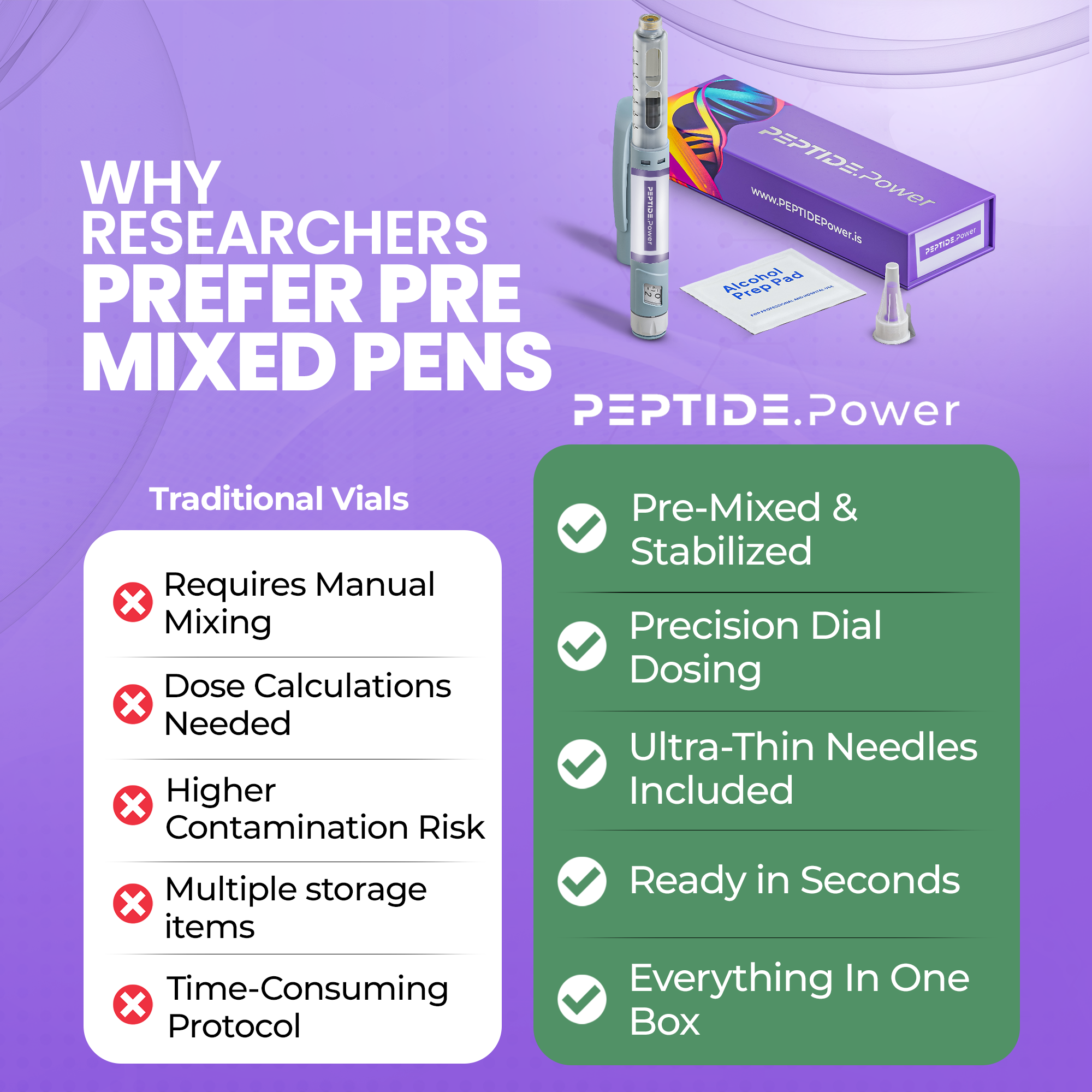
Every product arrives in a premium, custom-designed PEPTIDE.Power box, engineered for convenience, hygiene, and safe storage in your refrigerator. Inside, you will find everything needed for your full research protocol:
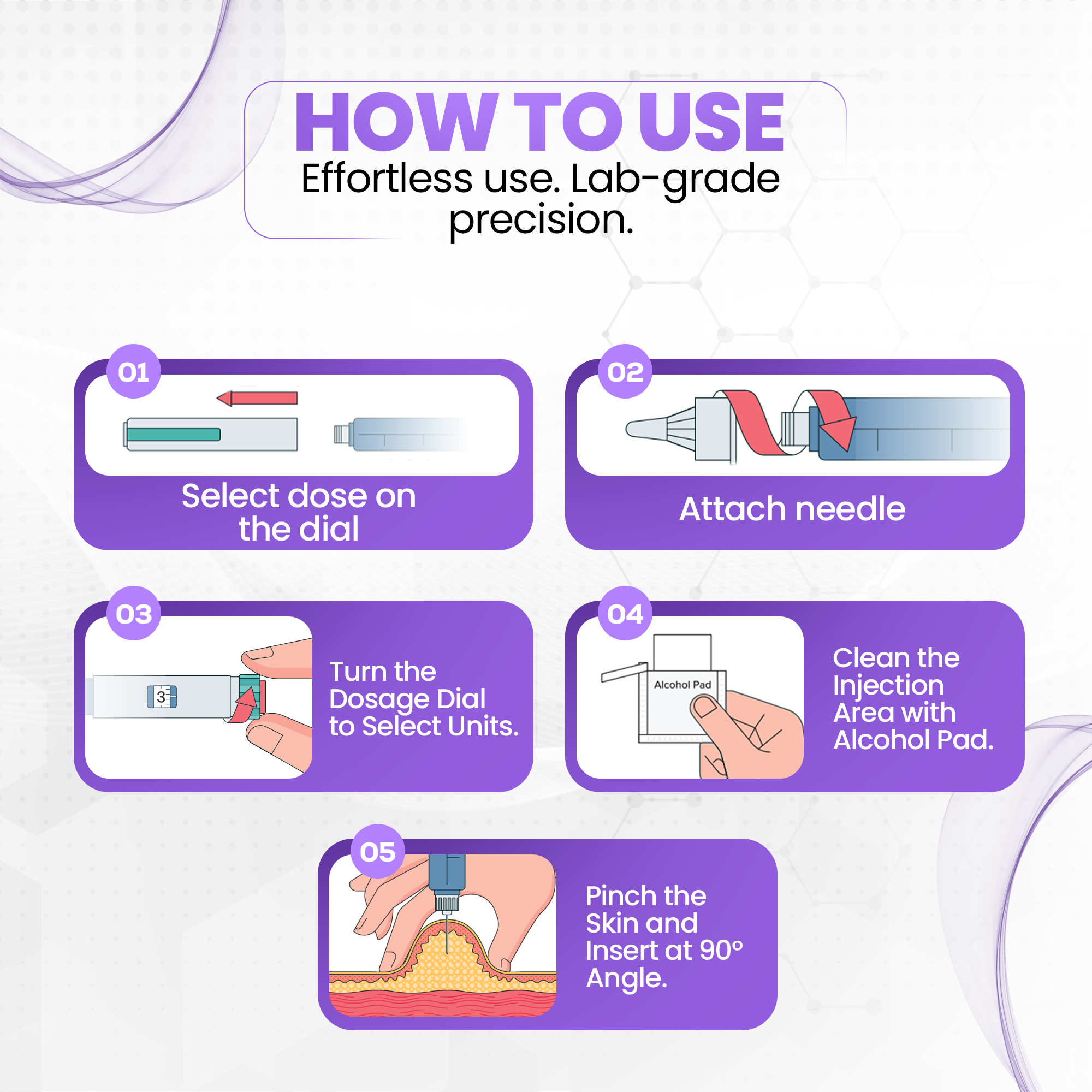
- 1× Disposable Pre-Mixed Injection Pen
- Powered by our proprietary PSM Technology™: precision stabilization & mixing system for consistent potency
- 10× Ultra-thin Needles (33G, 4 mm)
- 10× Alcohol Pads for sterile preparation
- Internal Stabilizing Foam Insert to prevent shaking during transport
- Instruction Panel printed on the inside of the box for quick reference
- Security Seal Sticker ensuring the package has not been opened or tampered with
Storage
Store the product in a refrigerator at 1-8°C immediately upon delivery. To maintain optimal stability, keep the pen away from light, and do not expose it to repeated temperature changes.
Once reconstituted (all our pens come pre-mixed), research compounds remain stable for 6-8 weeks under proper refrigeration.
Do not freeze after reconstitution. Always keep the box closed so the pen, needles, and alcohol pads stay clean and protected.
For best results, use the product consistently within the recommended time window and always follow your research protocol.
Delivery
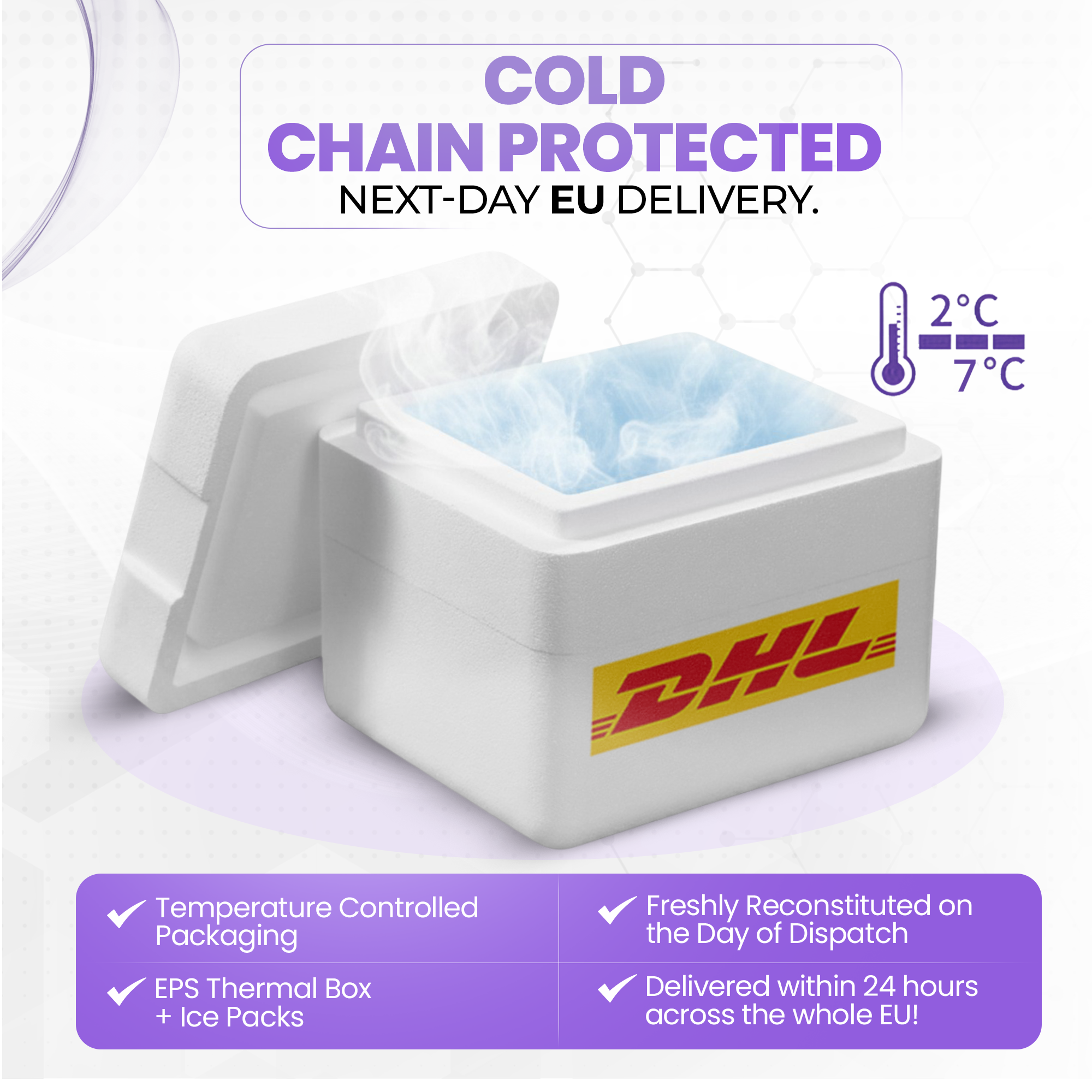
We ship with Next-Day EU Delivery via DHL Express or UPS Express.
All orders are prepared fresh on the day of dispatch, placed in EPS Cold-Chain Transport Boxes, and shipped with cooling elements to maintain a stable temperature throughout the journey.
Our logistics process is designed so the package arrives overnight, avoiding customs delays inside the European Union.
Products are shipped from our EU facility, ensuring no import duties, no customs clearance, and always fast and secure delivery.
Payment
Due to the nature of research peptides and the high-risk category assigned by payment processors, credit card companies do not generally support merchants in this field.
For this reason, we accept mainly Bank Transfers.
We also work with a crypto payment provider, and from time to time, card payments may be available depending on processor availability.
Within the European Union, SEPA transfers are fast, low-cost, and usually arrive within minutes to a few hours, making the payment process smooth and simple.
Once the transfer is received, your order is prepared immediately and dispatched the same day, depending on the daily cut-off time.
Please note that we do not dispatch shipments on Fridays or on days before official public holidays. This is done to ensure that parcels can be delivered on the next working day and are not held in transit over weekends or holidays.
This method ensures compliance, security, and continuity of service for all customers across the EU.
Didn't find the answer to your question?
View all frequently asked questionsRELATED PRODUCTS


DSIP


GHRP-2


Ipamorelin


KPV

