





Retinalamin
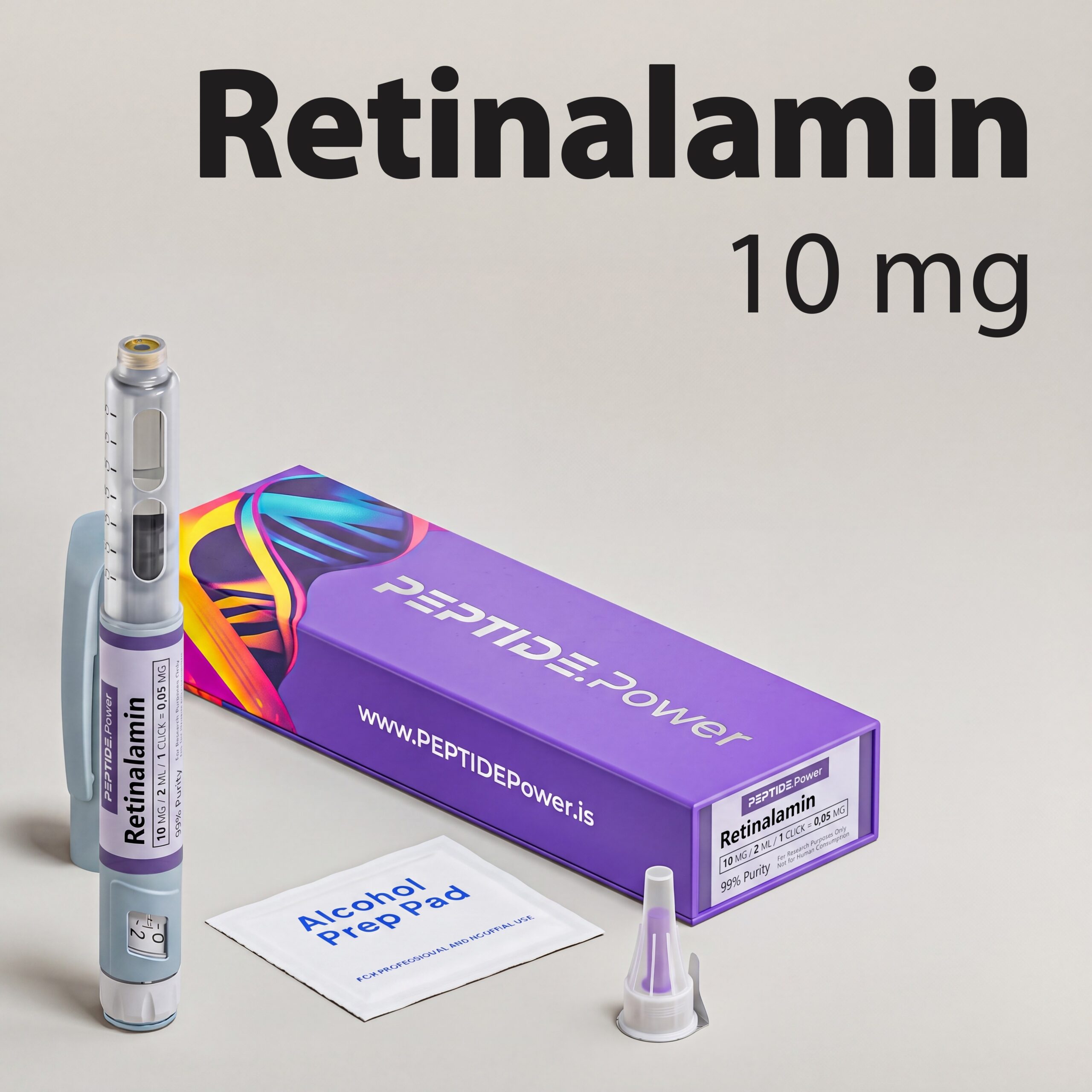
Retinalamin is a peptide bioregulator extracted from the retinal tissue of cattle, investigated for its targeted effects on retinal function and visual signal transduction. It has been studied in experimental models of retinal degeneration, diabetic retinopathy, and macular dystrophy, where it appears to support photoreceptor recovery and modulate neuroretinal repair pathways.
59,00 €
Retinalamin - Retinal Bioregulator Peptide Complex
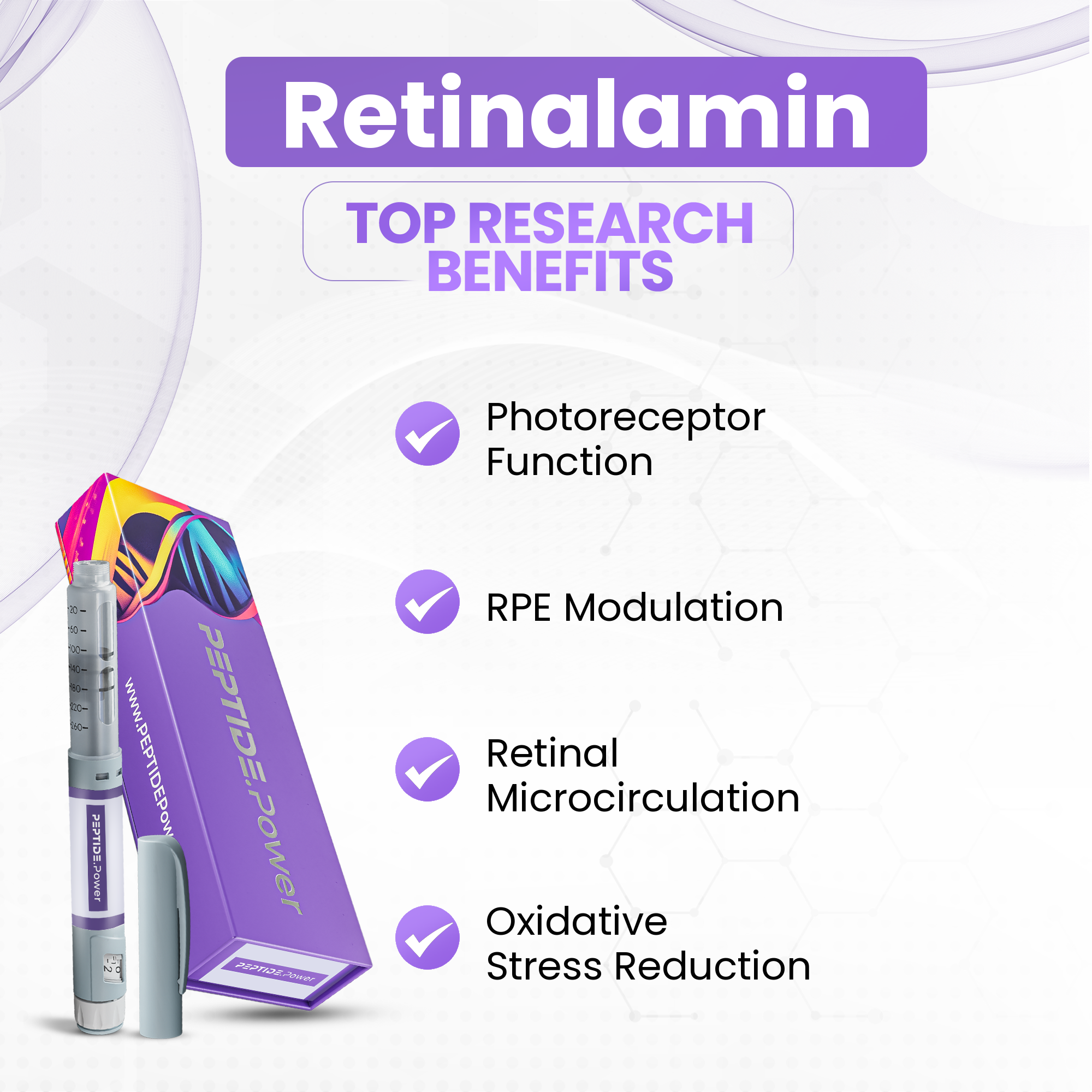
Supports rod and cone activity with enhanced rhodopsin regeneration and phototransduction signaling.
Influences retinal pigment epithelium metabolism and phagocytic clearance of outer segment debris.
Improves capillary perfusion and oxygen delivery to neuronal layers in retinal vascular models.
Upregulates endogenous antioxidant defenses and reduces lipid peroxidation in retinal tissue.
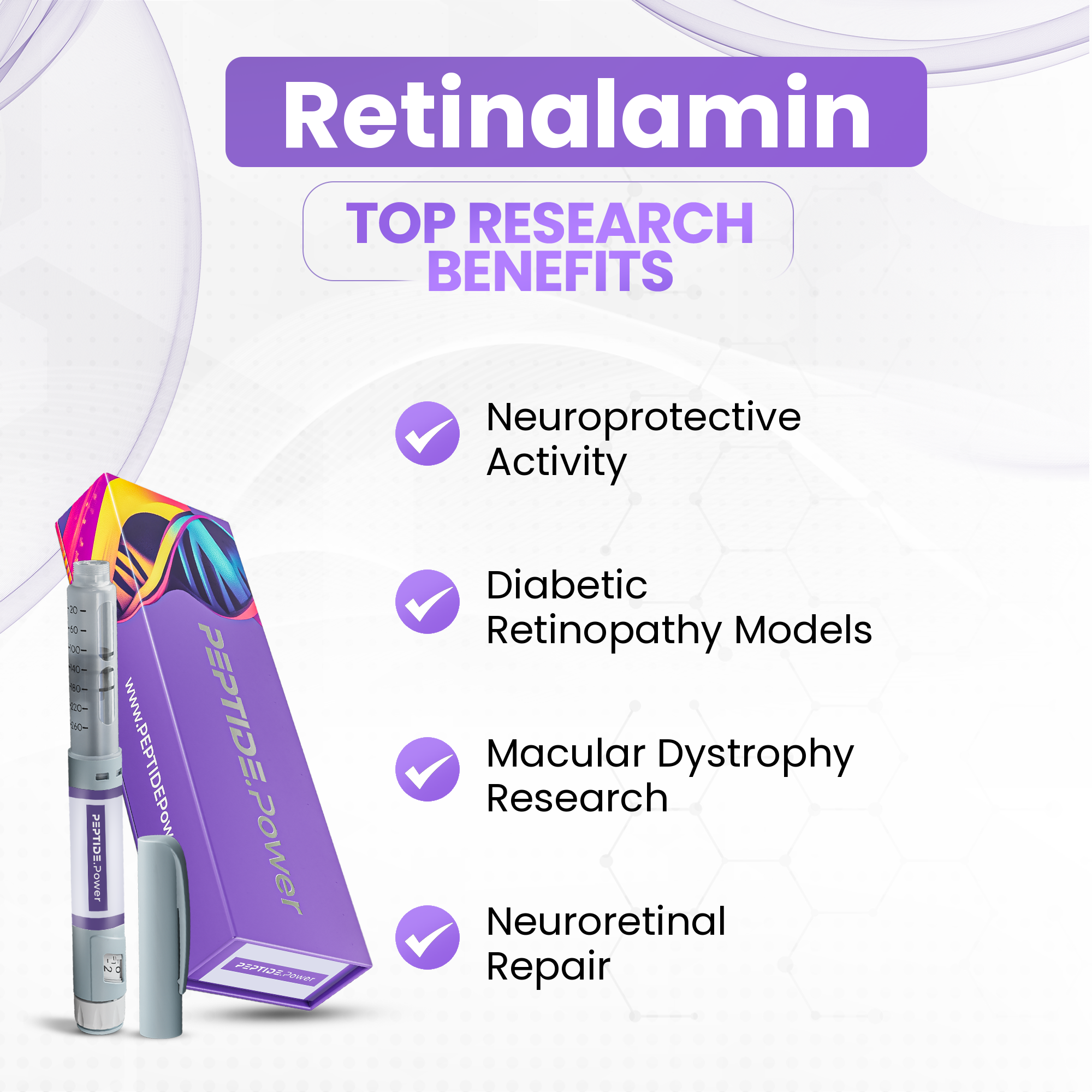
Reduces apoptosis of retinal ganglion cells and preserves bipolar neuron synaptic connectivity.
Investigated for mitigating vascular dysfunction underlying progressive retinal damage in diabetes.
Studied for maintaining structural integrity of the outer retina in macular degeneration models.
Modulates repair pathways supporting photoreceptor recovery in experimental retinal degeneration.
Description
Retinalamin is a polypeptide complex isolated from bovine retinal tissue, composed of low-molecular-weight peptide fractions that exhibit tissue-specific affinity for retinal cells. It is classified as a cytomedine bioregulator, studied for its capacity to modulate photoreceptor function, retinal pigment epithelium activity, and overall visual signal transduction in experimental ophthalmology models.
In preclinical research, Retinalamin has been observed to stimulate metabolic activity in retinal neurons, support photoreceptor regeneration, and enhance functional interaction between the retinal pigment epithelium and the outer photoreceptor segments. Studies report improvements in electroretinographic parameters, reduction of oxidative stress markers, and modulation of pro-inflammatory cytokines within retinal tissue following experimental administration.
Additional research has investigated its neuroprotective and microcirculatory effects, including reduced apoptosis of retinal ganglion cells, normalization of vascular permeability, and improved trophic support in models of diabetic retinopathy, retinitis pigmentosa, and age-related macular degeneration.
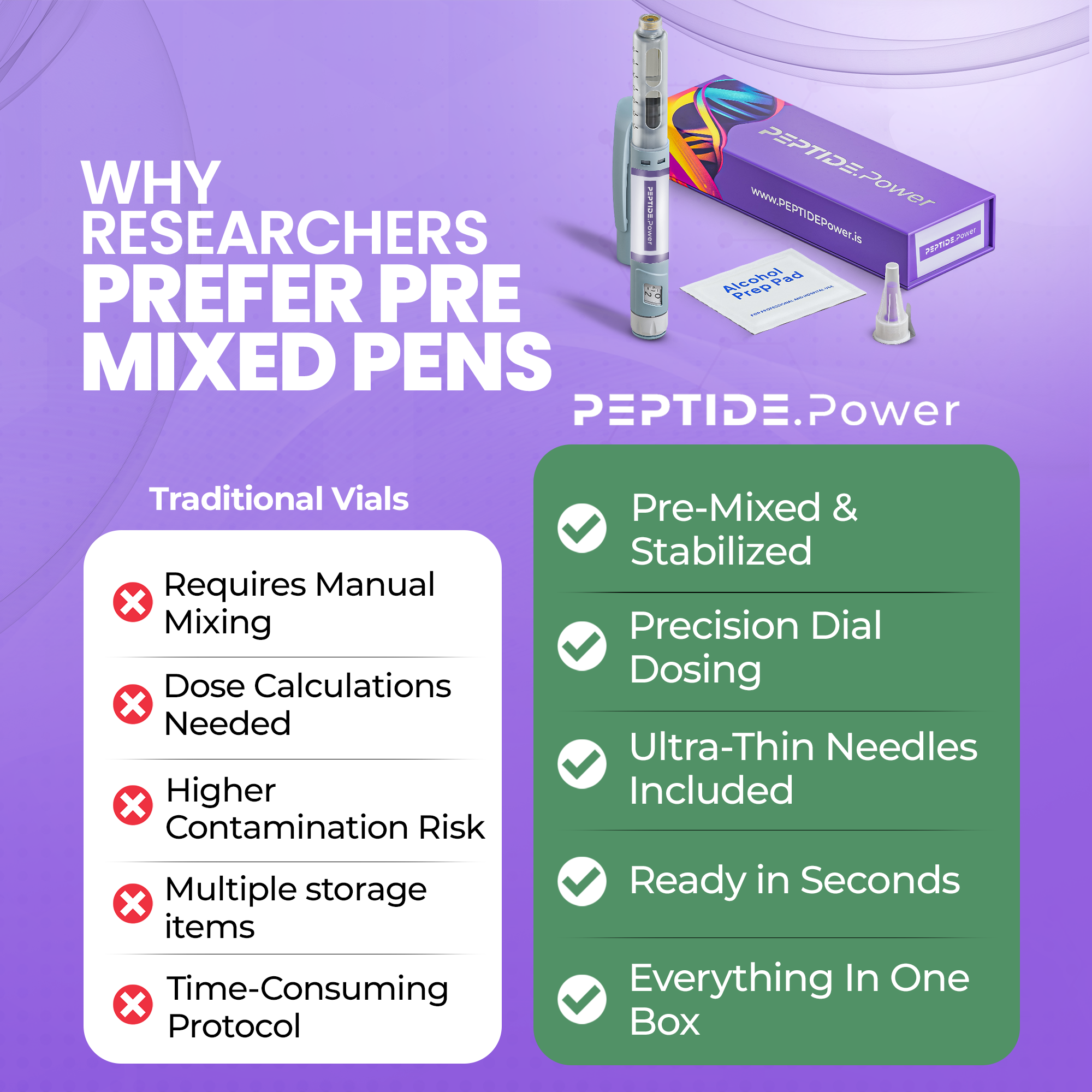
Supplied in a pre-mixed, ready-to-use pen, Retinalamin is formulated for parabulbar or intramuscular administration in laboratory protocols, enabling precise dose control and consistent peptide delivery in experimental conditions.
Clinical Status:
Retinalamin is a research peptide bioregulator evaluated in animal models and limited observational studies focused on retinal degeneration, diabetic retinopathy, and macular dystrophy. It is not approved as a medical therapy outside specific jurisdictions and remains restricted to experimental and laboratory research.
Evidence type:
Human RCT ☐ | Observational ✔ | Animal ✔ | In vitro ✔ | Regulatory ☐
Mechanism of Action
Retinalamin works by delivering tissue-specific peptide fragments that interact with retinal pigment epithelium and photoreceptor cells, modulating gene expression and protein synthesis involved in visual signal transduction. It has been observed to enhance rhodopsin regeneration, support mitochondrial activity in retinal neurons, and reduce oxidative stress through upregulation of antioxidant enzymes. This bioregulatory action stabilizes retinal microcirculation and promotes structural integrity of the outer retinal layers in experimental models.
Benefits
- Photoreceptor Function Support:
Retinalamin has been studied for its capacity to support rod and cone photoreceptor activity in experimental models of retinal stress. Research indicates enhanced rhodopsin regeneration cycles and improved phototransduction signaling, which are critical for light sensitivity and visual acuity. These observations make it a frequent subject of investigation in models of age-related photoreceptor decline and degenerative retinal conditions. - Retinal Pigment Epithelium Modulation:
The peptide complex has been observed to influence retinal pigment epithelium (RPE) function, including phagocytic clearance of photoreceptor outer segment debris. By supporting RPE metabolic activity, Retinalamin is investigated for its role in maintaining the structural and functional integrity of the outer retina, a key focus area in macular dystrophy and age-related macular degeneration research. - Microcirculatory Support in Retinal Tissue:
Experimental studies have reported improved retinal microcirculation and capillary perfusion following Retinalamin exposure. This effect is of particular interest in diabetic retinopathy models, where vascular dysfunction underlies progressive retinal damage. Enhanced blood flow appears to correlate with improved oxygen and nutrient delivery to neuronal layers of the retina. - Antioxidant and Oxidative Stress Reduction:
Retinalamin has been investigated for its ability to mitigate oxidative stress within retinal tissue, where reactive oxygen species accumulation contributes to photoreceptor apoptosis. Research models suggest upregulation of endogenous antioxidant defenses and reduced lipid peroxidation, supporting cellular resilience in conditions of chronic light exposure and metabolic strain. - Neuroprotective Activity:
The bioregulator has been observed to exert neuroprotective effects on retinal ganglion cells and bipolar neurons, which transmit visual information from photoreceptors to the optic nerve. Studies in ischemic and degenerative retinal models report reduced neuronal apoptosis and preserved synaptic connectivity, making Retinalamin a candidate in glaucoma and optic neuropathy research. - Mitochondrial Function Enhancement:
Retinalamin has been studied for its influence on mitochondrial bioenergetics in retinal cells, which have exceptionally high metabolic demands. Research suggests improved ATP production and stabilization of mitochondrial membrane potential, supporting energy-intensive processes such as phototransduction and visual cycle maintenance under stress conditions. - Inflammation Modulation in Retinal Disorders:
Experimental data indicate that Retinalamin modulates local inflammatory responses in the retina, including suppression of pro-inflammatory cytokines associated with diabetic retinopathy and uveitis models. This anti-inflammatory profile is being investigated as a complementary mechanism alongside its direct neuroprotective and regenerative actions. - Visual Function Recovery in Experimental Models:
Across multiple preclinical and observational studies, Retinalamin has been associated with measurable improvements in visual acuity, contrast sensitivity, and dark adaptation. These functional outcomes reflect the convergence of its photoreceptor, RPE, vascular, and neuroprotective effects, positioning it as a multifaceted candidate in ophthalmic research focused on retinal regeneration and functional restoration.
Research Data
| Study / Model | Reported effect |
|---|---|
| Rat model of retinal degeneration | ↑ photoreceptor survival, preserved outer nuclear layer thickness |
| Diabetic retinopathy animal model | ↓ vascular permeability, reduced microvascular damage |
| Macular dystrophy clinical observation | Improved visual acuity and contrast sensitivity in treated groups |
| In vitro retinal pigment epithelium culture | ↑ rhodopsin regeneration, enhanced mitochondrial activity |
| Ischemic retinal injury model | ↓ apoptotic markers, preserved electroretinogram amplitude |
| Open-angle glaucoma observational study | Stabilization of visual fields and improved retinal sensitivity |
| Light-induced retinal damage in rodents | Reduced oxidative stress markers, ↑ antioxidant enzyme activity |
Stack Suggestions
Retinalamin is often combined in research with:
- Retinalamin + Cerebrolysin → Supports combined retinal and central nervous system neuroprotection in degeneration models.
- Retinalamin + Epitalon → Synergistic effects on cellular longevity and retinal pigment epithelium preservation.
- Retinalamin + Mitochondrial peptides (SS-31) → Enhances photoreceptor bioenergetics and oxidative stress resilience.
- Retinalamin + Semax → Combines neurotrophic support with retinal signal transduction modulation.
⚠ Stacks are for experimental design only; not safety or efficacy guidance.
Pen Dosage Chart
| Retinalamin Pen 10 mg | |
| Volume | 2 mL |
| mg/mL | 5 mg/mL |
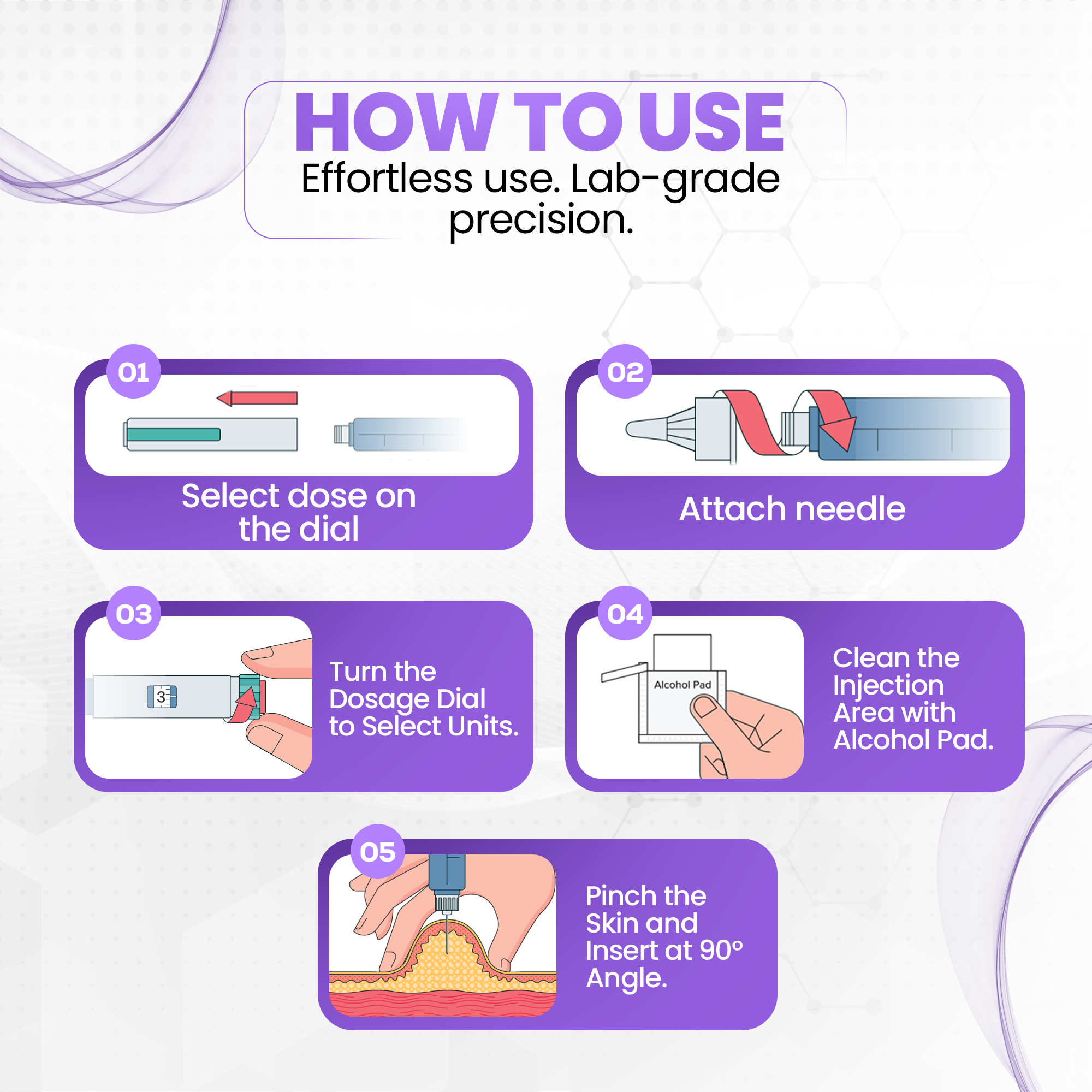
| Click-to-Dose | 1 click = 0.05 mg |
| Example(s) | 10 clicks = 0.5 mg |
Dosage & Protocols Variations
Standard Research Protocol
- Dose: 5 mg
- Duration: 2 weeks
- Frequency: Daily
- Cycle Interval: 3 – 6 months off before repeating
- Goal / Description: Baseline protocol for general retinal support models.
Therapeutic Research Protocol
- Dose: 5 – 10 mg
- Duration: 2 – 3 weeks
- Frequency: Daily
- Cycle Interval: 3 months off before repeating
- Goal / Description: Higher-intensity protocol used in retinal degeneration and diabetic retinopathy models.
Stacked Protocol (Retinalamin + Cortexin)
- Dose: 5 mg Retinalamin + 10 mg Cortexin
- Duration: 2 weeks
- Frequency: Daily
- Cycle Interval: 4 – 6 months off before repeating
- Goal / Description: Combined neuro-retinal research protocol targeting visual pathway and cortical signaling.
Possible Side Effects
Retinalamin is generally well-tolerated in preclinical and limited clinical research studies.
Reported side effects are rare and mild:
- Transient discomfort or mild irritation at the injection site.
- Brief redness or local swelling following intramuscular administration.
- Mild allergic sensitivity in subjects with hypersensitivity to bovine-derived peptides.
- Occasional transient headache during initial dosing.
No evidence of systemic, hepatic, or ocular adverse effects has been observed in available research data.
Product Attributes
- CAS #: N/A (polypeptide complex)
- Molecular Formula: N/A (multi-peptide fraction)
- Sequence (AA): N/A (heterogeneous peptide mixture)
- Molecular Weight: <10 kDa (low-molecular-weight peptide fractions)
- PubChem CID: N/A
- Half-Life: ~2-4 hours
- Synonyms: Retinalamine, Bovine Retinal Polypeptides, Retina Cytomedine, Retinal Bioregulator
- Type: Natural peptide bioregulator (cytomedine, retinal tissue extract)
- Research Focus: Vision & Retinal Health, Neuroprotection
Scientific References
- Use of Retinalamin in the treatment of central chorioretinal dystrophies Observational
- Efficacy of Retinalamin in patients with diabetic retinopathy Observational
- Peptide bioregulators of the retina and their role in ophthalmology Animal | In vitro
- Peptides as biological regulators of retinal cell function Animal | In vitro
- Retinoprotective effect of peptide bioregulators in experimental models Animal
- Cytomedines in the regulation of retinal and pigment epithelium function In vitro
- Geroprotective effects of short peptides on retinal aging Animal | In vitro
Included In The Box
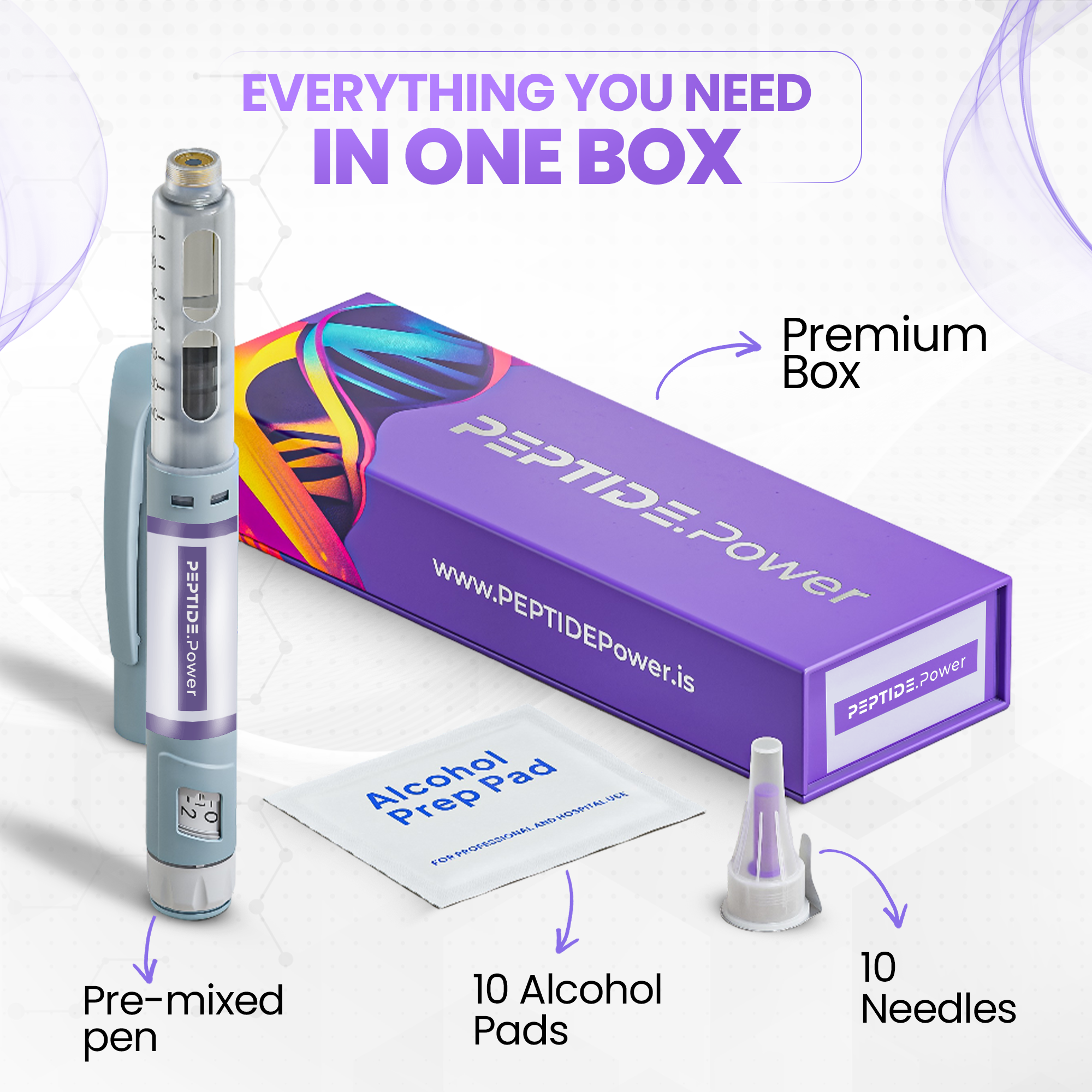
Every product arrives in a premium, custom-designed PEPTIDE.Power box, engineered for convenience, hygiene, and safe storage in your refrigerator. Inside, you will find everything needed for your full research protocol:
- 1× Disposable Pre-Mixed Injection Pen
- Powered by our proprietary PSM Technology™: precision stabilization & mixing system for consistent potency
- 10× Ultra-thin Needles (33G, 4 mm)
- 10× Alcohol Pads for sterile preparation
- Internal Stabilizing Foam Insert to prevent shaking during transport
- Instruction Panel printed on the inside of the box for quick reference
- Security Seal Sticker ensuring the package has not been opened or tampered with
Storage
Store the product in a refrigerator at 1-8°C immediately upon delivery. To maintain optimal stability, keep the pen away from light, and do not expose it to repeated temperature changes.
Once reconstituted (all our pens come pre-mixed), research compounds remain stable for 6-8 weeks under proper refrigeration.
Do not freeze after reconstitution. Always keep the box closed so the pen, needles, and alcohol pads stay clean and protected.
For best results, use the product consistently within the recommended time window and always follow your research protocol.
Delivery
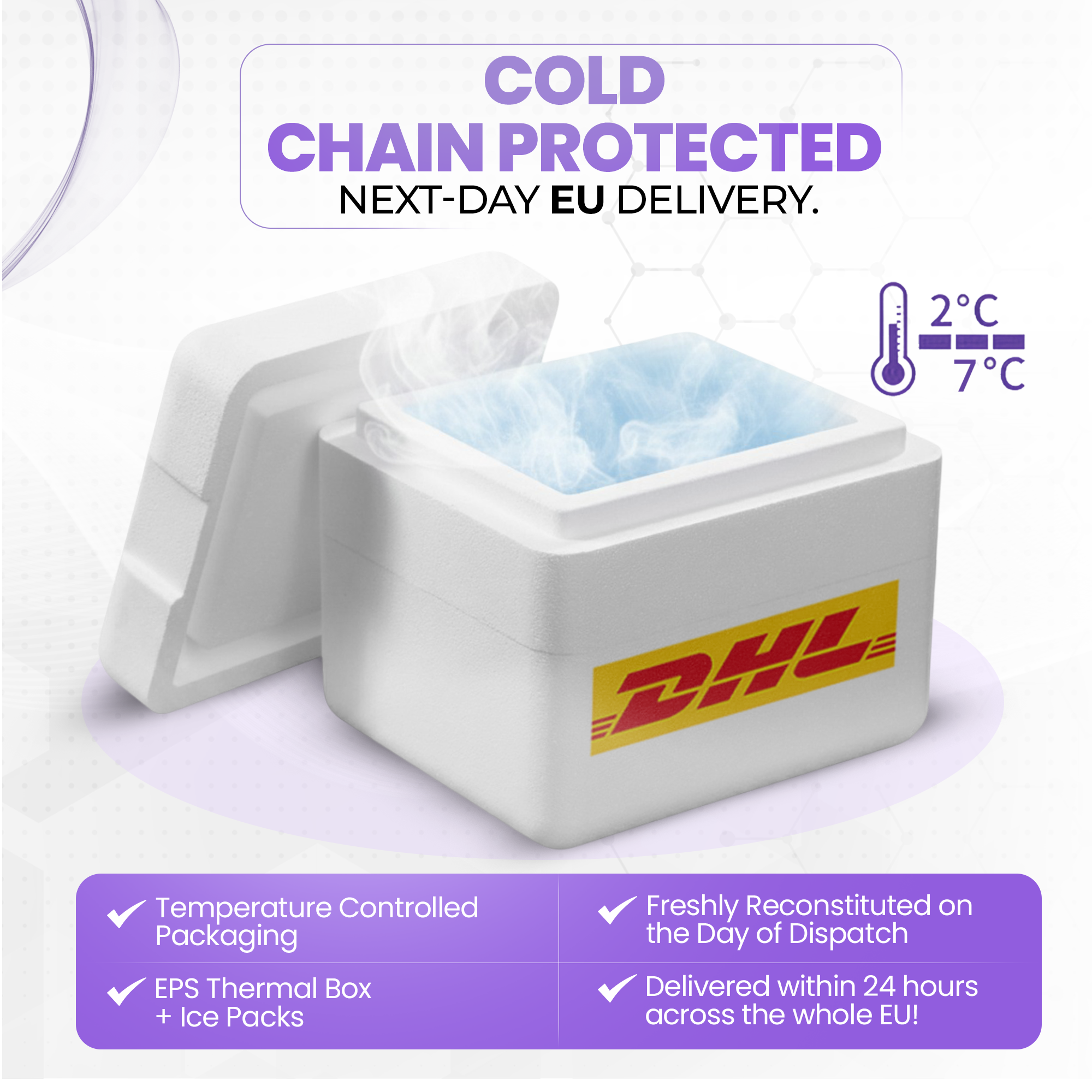
We ship with Next-Day EU Delivery via DHL Express or UPS Express.
All orders are prepared fresh on the day of dispatch, placed in EPS Cold-Chain Transport Boxes, and shipped with cooling elements to maintain a stable temperature throughout the journey.
Our logistics process is designed so the package arrives overnight, avoiding customs delays inside the European Union.
Products are shipped from our EU facility, ensuring no import duties, no customs clearance, and always fast and secure delivery.
Payment
Due to the nature of research peptides and the high-risk category assigned by payment processors, credit card companies do not generally support merchants in this field.
For this reason, we accept mainly Bank Transfers.
We also work with a crypto payment provider, and from time to time, card payments may be available depending on processor availability.
Within the European Union, SEPA transfers are fast, low-cost, and usually arrive within minutes to a few hours, making the payment process smooth and simple.
Once the transfer is received, your order is prepared immediately and dispatched the same day, depending on the daily cut-off time.
Please note that we do not dispatch shipments on Fridays or on days before official public holidays. This is done to ensure that parcels can be delivered on the next working day and are not held in transit over weekends or holidays.
This method ensures compliance, security, and continuity of service for all customers across the EU.
Didn't find the answer to your question?
View all frequently asked questionsRELATED PRODUCTS


Ipamorelin


KPV


Mazdutide


NAD+

