





Cagrilintide
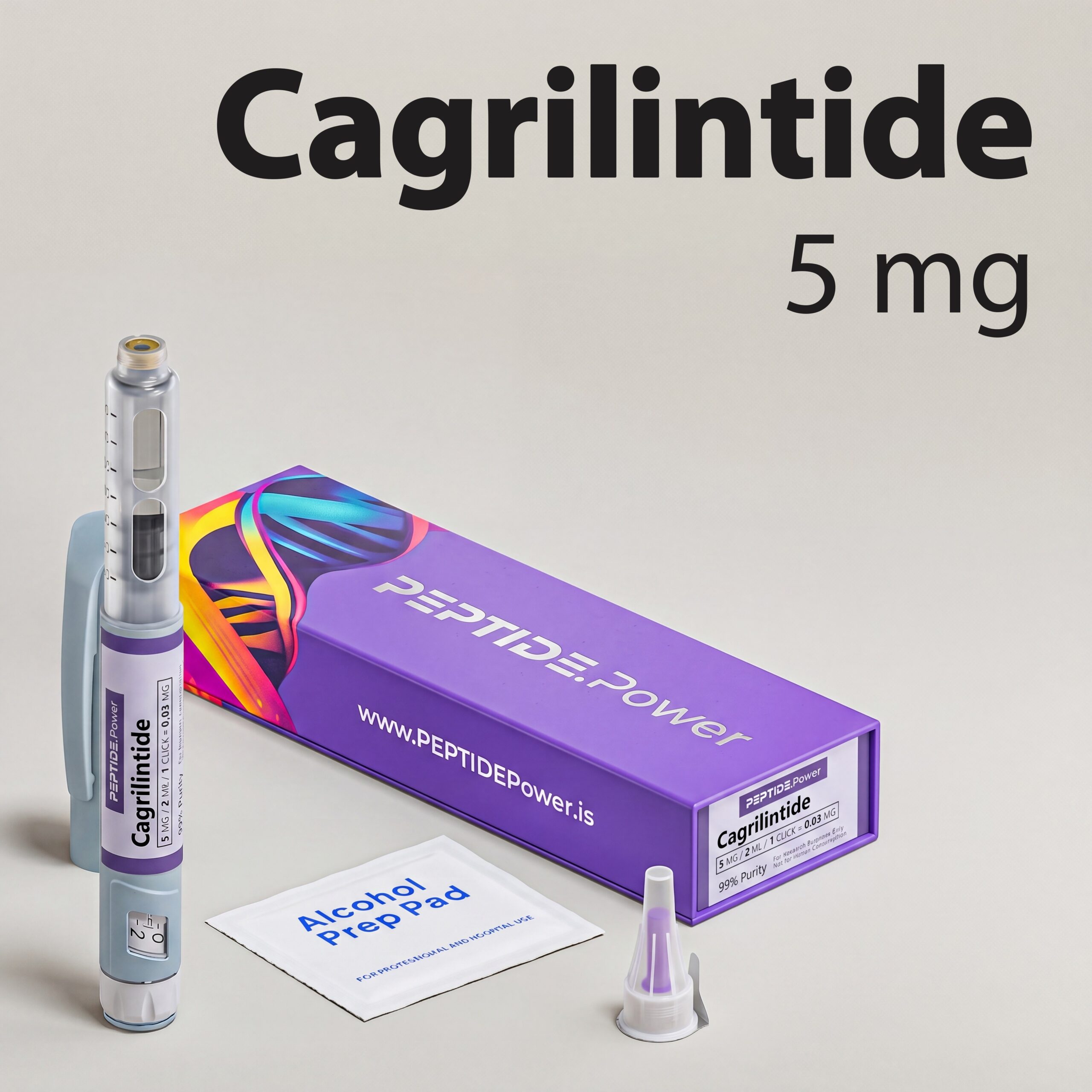
Cagrilintide is a long-acting amylin analog studied for its role in appetite regulation and metabolic signaling. By activating amylin receptors in the brain, it influences satiety pathways and energy intake control. In clinical research settings, Cagrilintide has been evaluated for its impact on body weight regulation and appetite modulation. Intended strictly for laboratory and research use.
97,00 €
Quality Certificates
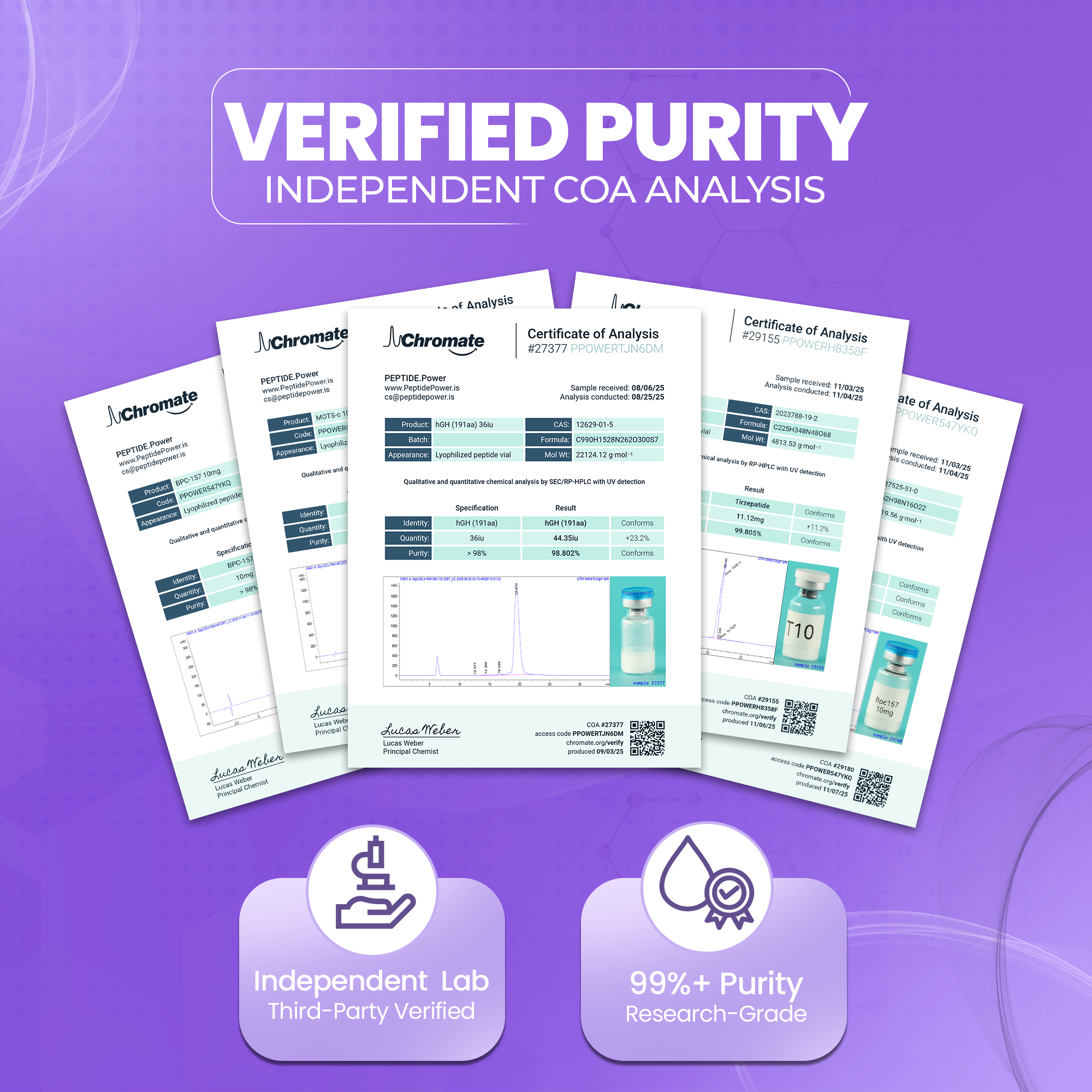
Independent third-party lab analysis (CoA) - from our own in-house brand.
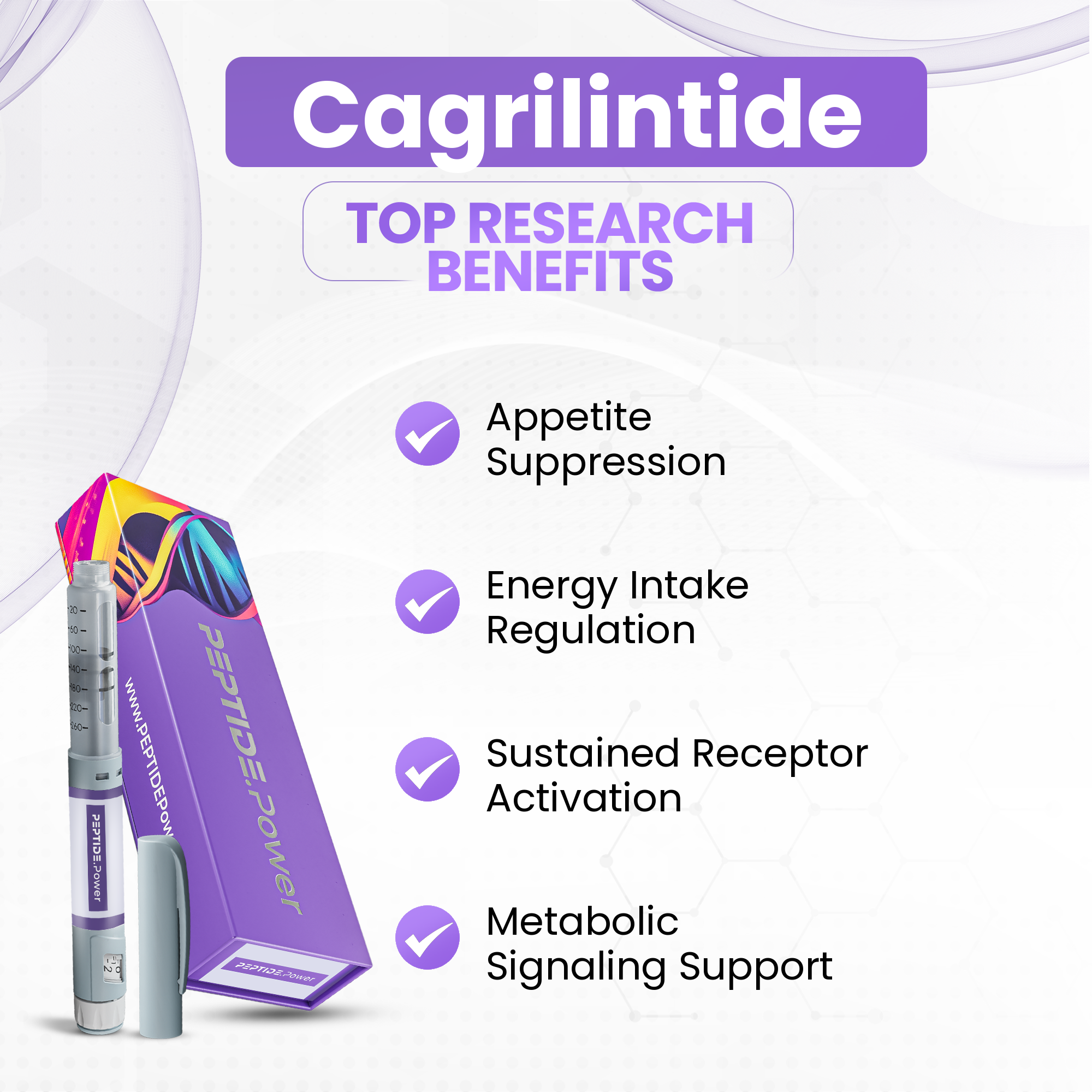
Cagrilintide - Appetite Suppression & Metabolic Control
Activates central satiety pathways
Influences meal size control
Long-acting amylin analog
Engages appetite-regulating circuits
Studied in obesity models
Influences satiety centers
Slows post-meal digestion
Studied in combination therapies
Description
Cagrilintide is a synthetic long-acting analog of amylin, a hormone co-secreted with insulin by pancreatic beta cells. Amylin plays a role in regulating postprandial glucose levels and promoting satiety. Cagrilintide is engineered to provide prolonged receptor activation compared to native amylin.
In human clinical investigations, Cagrilintide has been studied for its effects on appetite reduction, energy intake modulation, and body weight regulation. Activation of central amylin receptors influences hypothalamic and brainstem circuits involved in satiety signaling. Research domains include obesity, metabolic regulation, and combination incretin-based therapies.
Clinical Status
Human RCT ✔ | Observational ✔ | Animal ✔ | In vitro ✔
Evaluated in multiple human clinical trials for obesity and metabolic regulation research.
Mechanism of Action
Cagrilintide activates amylin receptors in the brain, promoting satiety and reducing food intake. Its long-acting design extends receptor engagement compared to native amylin.
Benefits
- Activates central amylin-mediated satiety circuits:
Cagrilintide binds to amylin receptors located in the area postrema and hypothalamic nuclei involved in appetite regulation. These regions integrate peripheral nutrient signals and translate them into satiety perception. Activation of amylin receptors influences neuronal firing patterns associated with meal termination and reduced hunger drive. Unlike appetite suppression driven by stimulant pathways, Cagrilintide works within physiologic satiety networks. This central modulation supports investigation into neuroendocrine control of food intake. - Engages calcitonin receptor, RAMP complexes for receptor specificity:
Amylin receptors are heterodimeric complexes composed of calcitonin receptors coupled with receptor activity-modifying proteins (RAMPs). Cagrilintide binds selectively to these receptor complexes, triggering intracellular signaling cascades that regulate appetite perception. This receptor architecture provides functional specificity within the central nervous system. The structural design of Cagrilintide enhances receptor engagement duration compared to native amylin, contributing to sustained signaling in experimental models. - Prolonged receptor activation through long-acting design:
Native amylin is rapidly cleared from circulation, limiting its biological effect. Cagrilintide incorporates structural modifications that extend its half-life and prolong receptor interaction. Sustained receptor engagement allows continuous activation of satiety pathways without repeated peaks and troughs. This extended activity profile differentiates it from short-acting amylin analogs and supports longer-lasting appetite modulation research frameworks. - Modulates gastric emptying and nutrient flux:
Amylin receptor activation influences gastrointestinal motility by slowing gastric emptying. Delayed nutrient delivery to the small intestine contributes to prolonged satiety and moderated postprandial glucose excursions. This peripheral mechanism complements central appetite suppression. By influencing both brain and gut signaling, Cagrilintide integrates neuroendocrine and digestive control systems. - Integrates with insulin and postprandial metabolic signaling:
Amylin is physiologically co-secreted with insulin from pancreatic beta cells. This co-secretion reflects coordinated regulation of nutrient intake and glucose handling. By mimicking amylin signaling, Cagrilintide participates in this integrated metabolic network. Its action influences appetite perception while aligning with insulin-mediated nutrient processing pathways in research models. - Demonstrates complementary action with GLP-1 pathways:
GLP-1 receptor agonists and amylin analogs operate through distinct but complementary mechanisms. GLP-1 influences insulin secretion and central appetite control, while amylin primarily modulates satiety and gastric emptying. Cagrilintide’s mechanism provides additive or synergistic potential when studied alongside incretin-based therapies. This dual-pathway engagement reflects layered neuroendocrine regulation of energy balance. - Supports structured energy intake reduction research:
By activating satiety circuits and slowing digestion, Cagrilintide reduces caloric intake in controlled experimental settings. Rather than stimulating metabolism directly, it alters upstream behavioral drivers of energy consumption. This positioning differentiates it from thermogenic compounds and places it within appetite-regulation research domains. - Operates within physiologic energy homeostasis systems:
Energy balance is maintained by coordinated signaling among leptin, insulin, GLP-1, ghrelin, and amylin. Cagrilintide integrates into this network by enhancing satiety feedback while preserving endogenous regulatory loops. Its mechanism reflects modulation of the body’s built-in energy control architecture rather than forced metabolic acceleration. - Influences brainstem-hypothalamic communication loops:
The area postrema acts as a key interface between circulating peptides and central appetite regulation. Cagrilintide’s activity within this region influences downstream hypothalamic signaling pathways. This brainstem-hypothalamic integration is central to coordinated hunger suppression and meal size reduction. Understanding this loop is essential in advanced metabolic research contexts.
Research Data
| Study / Model | Reported effect |
|---|---|
| Phase 1b trial in adults with overweight/obesity | ↓ body weight up to 10.8% over 26 weeks at 4.5 mg weekly dosing |
| Combination with sеmаglutіdе (CagriSema) in T2D | ↓ HbA1c and ↓ body weight beyond sеmаglutіdе monotherapy |
| Diet-induced obese rodent models | Reduced food intake, ↓ adiposity, improved leptin sensitivity |
| Human satiety assessment studies | Delayed gastric emptying and prolonged postprandial fullness |
| Preclinical amylin receptor binding assays | Sustained receptor activation with extended half-life vs native amylin |
| Metabolic profiling in obese subjects | Improved glycemic control and lipid markers alongside weight loss |
Stack Suggestions
Cagrilintide is often combined in research with:
- Cagrilintide + Sеmаglutіdе → Dual amylin and GLP-1 receptor activation for enhanced appetite suppression and weight reduction in metabolic studies.
- Cagrilintide + Тіrzераtіdе → Combines amylin signaling with GIP/GLP-1 co-agonism for broader metabolic and satiety effects.
- Cagrilintide + Rеtаtrutіdе → Explored for synergistic regulation of energy balance and adipose metabolism.
- Cagrilintide + AOD-9604 → Investigated for complementary effects on lipolysis and body composition.
⚠ Stacks are for experimental design only; not safety or efficacy guidance.
Pen Dosage Chart
| Cagrilintide Pen 5 mg | |
|---|---|
| Volume | 2 mL |
| mg/mL | 2.5 mg/mL |
| Click-to-Dose | 1 click = 0.025 mg |
| Example(s) | 10 clicks = 0.25 mg |
Dosage & Protocols Variations
Standard Research Protocol
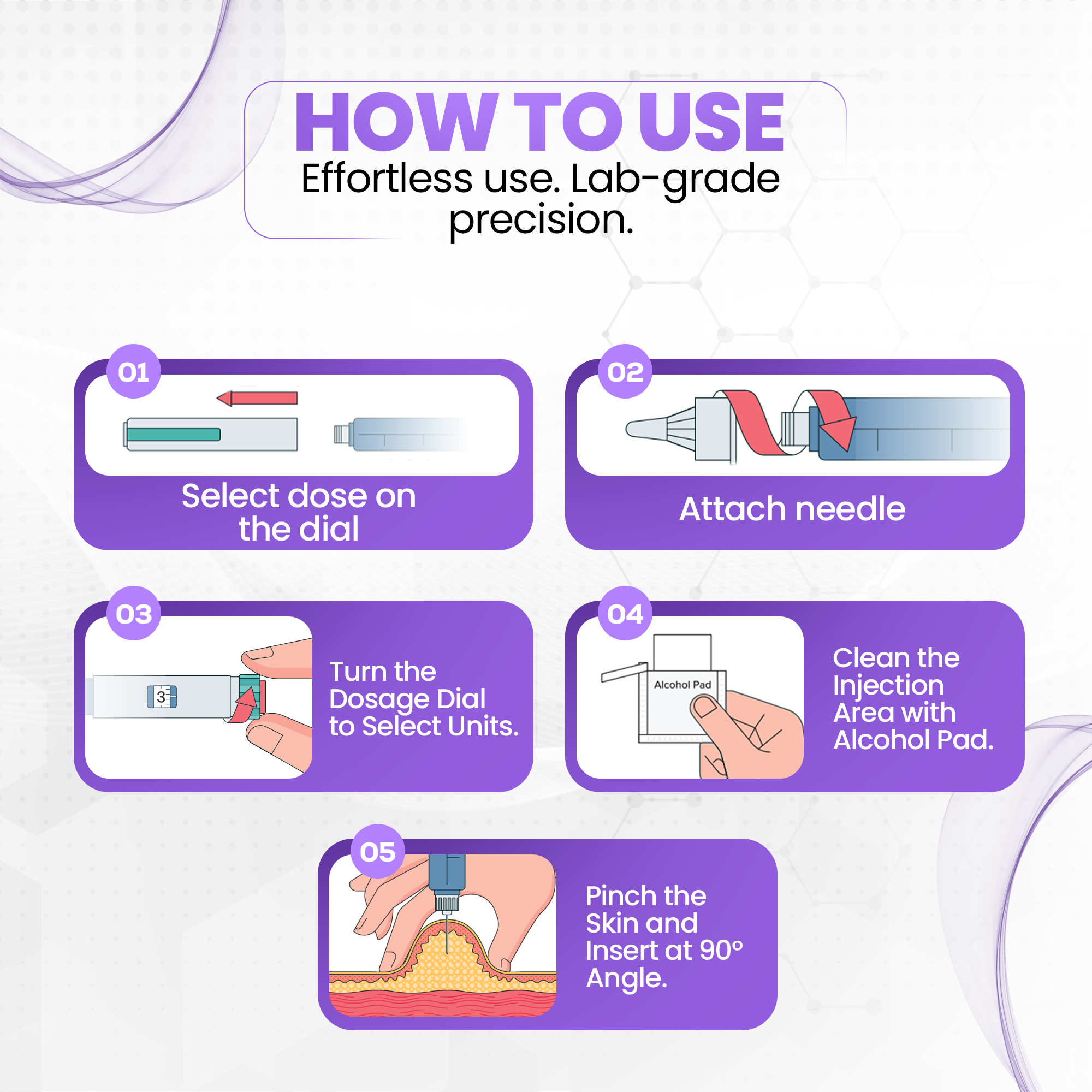
- Dose: 0.3 – 1.2 mg (= 12-48 clicks)
- Duration: 8 – 12 weeks
- Frequency: Once weekly
- Cycle Interval: 4 weeks off before repeating
- Goal / Description: Baseline protocol for appetite regulation and body weight modulation in experimental models.
Therapeutic Research Protocol
- Dose: 1.2 – 2.4 mg (= 48-96 clicks)
- Duration: 12 – 20 weeks
- Frequency: Once weekly
- Cycle Interval: 4 – 6 weeks off before repeating
- Goal / Description: Higher-dose protocol used in obesity research to evaluate sustained satiety and adiposity reduction.
Stacked Protocol (Cagrilintide + Sеmаglutіdе)
- Dose: 0.6 – 2.4 mg Cagrilintide + 0.25 – 2.4 mg Sеmаglutіdе (= 24-96 clicks)
- Duration: 12 – 20 weeks
- Frequency: Once weekly, co-administered
- Cycle Interval: 4 – 6 weeks off before repeating
- Goal / Description: Dual amylin and GLP-1 receptor activation studied for enhanced metabolic and weight outcomes.
Possible Side Effects
Cagrilintide is generally well-tolerated in clinical research studies, with most reported effects being mild and transient.
Commonly reported side effects in research settings include:
- Nausea, particularly during dose-escalation phases.
- Mild vomiting or gastrointestinal discomfort.
- Decreased appetite and reduced food intake.
- Transient constipation or altered bowel habits.
- Injection site reactions such as redness or mild irritation.
- Occasional fatigue or headache during early administration.
Most gastrointestinal effects have been observed to diminish with continued exposure and gradual dose titration. No evidence of severe hepatic, renal, or cardiovascular adverse effects has been reported in available clinical research data.
Product Attributes
- CAS #: 1415456-99-3
- Molecular Formula: C171H266N42O55S2
- Sequence (AA): KCNTATCATQRLANFLVHSSNNFGAILSSTNVGSNTY
- Molecular Weight: ~3789 g/mol
- Half-Life: ~159 hours (~7 days)
- Synonyms: AM833, NN9838, Long-acting amylin analog
- Type: Synthetic research peptide (amylin receptor agonist)
- Research Focus: Weight Management & Metabolic Regulation, Appetite & Satiety
Scientific References
- Effect of cagrilintide alone or in combination with sеmаglutіdе on body weight Human RCT
- Sеmаglutіdе and cagrilintide in adults with overweight or obesity Human RCT
- Pharmacokinetics and tolerability of cagrilintide in subjects with overweight or obesity Human RCT
- Cagrilintide plus sеmаglutіdе for obesity management Human RCT
- Amylin agonists in the treatment of obesity Observational | Animal
- Amylin and amylin analogs: regulation of food intake and body weight Animal | In vitro
- Combination therapy for obesity: incretin and amylin pathways Observational
- Cagrilintide overview: mechanism, evidence, and dosage Observational | Human RCT
Included In The Box
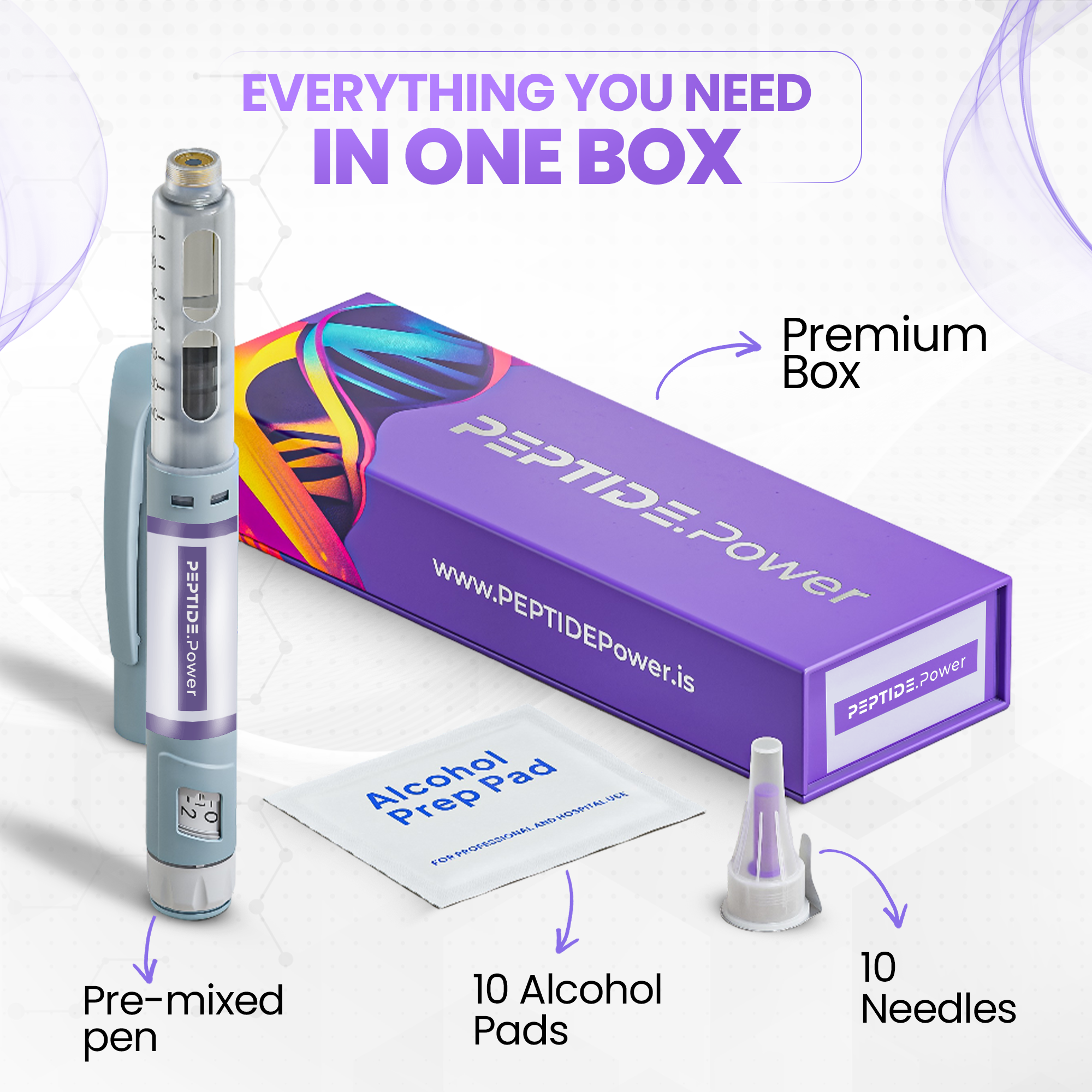
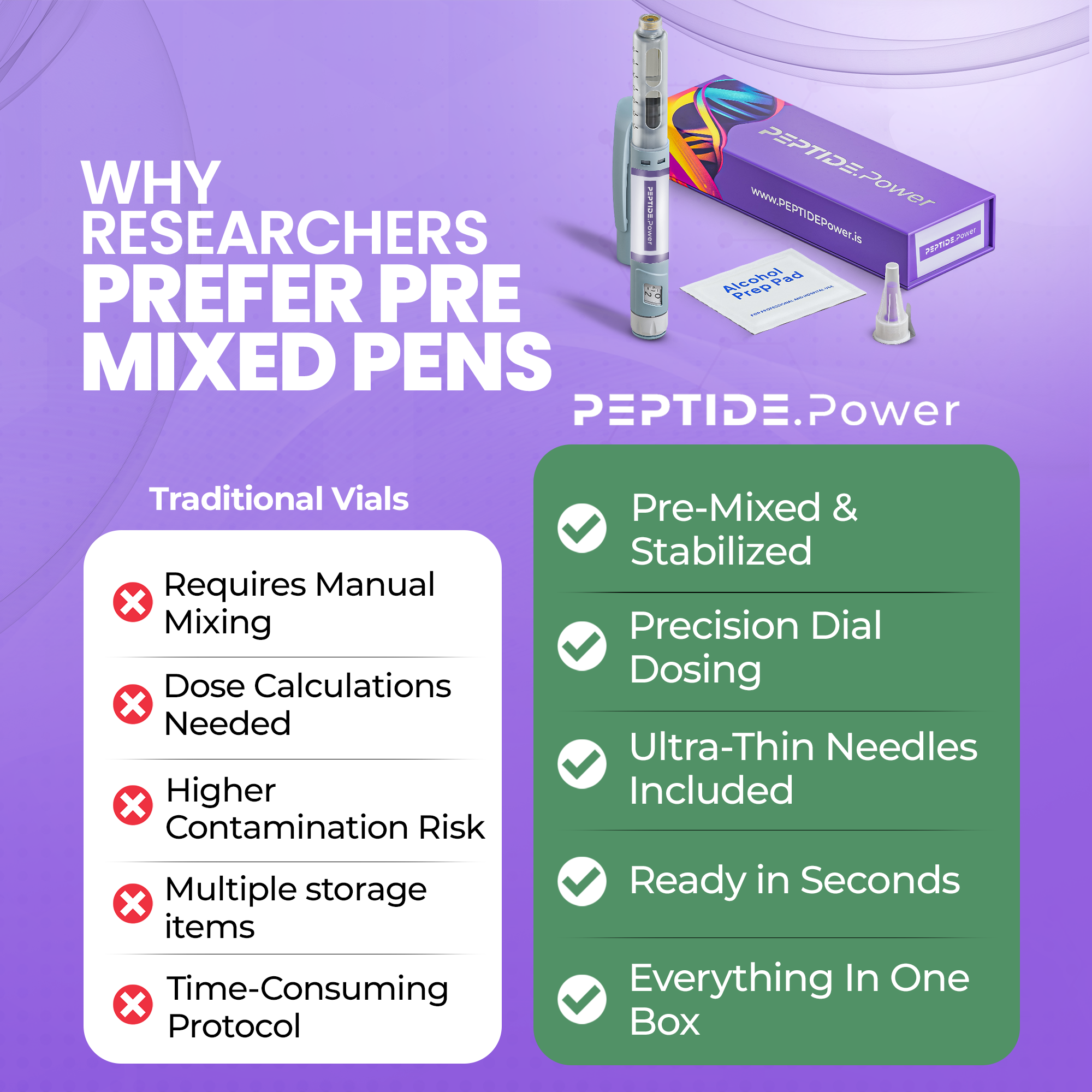
Every product arrives in a premium, custom-designed PEPTIDE.Power box, engineered for convenience, hygiene, and safe storage in your refrigerator. Inside, you will find everything needed for your full research protocol:
- 1× Disposable Pre-Mixed Injection Pen
- Powered by our proprietary PSM Technology™: precision stabilization & mixing system for consistent potency
- 10× Ultra-thin Needles (33G, 4 mm)
- 10× Alcohol Pads for sterile preparation
- Internal Stabilizing Foam Insert to prevent shaking during transport
- Instruction Panel printed on the inside of the box for quick reference
- Security Seal Sticker ensuring the package has not been opened or tampered with
Storage
Store the product in a refrigerator at 1-8°C immediately upon delivery. To maintain optimal stability, keep the pen away from light, and do not expose it to repeated temperature changes.
Once reconstituted (all our pens come pre-mixed), research compounds remain stable for 6-8 weeks under proper refrigeration.
Do not freeze after reconstitution. Always keep the box closed so the pen, needles, and alcohol pads stay clean and protected.
For best results, use the product consistently within the recommended time window and always follow your research protocol.
Delivery
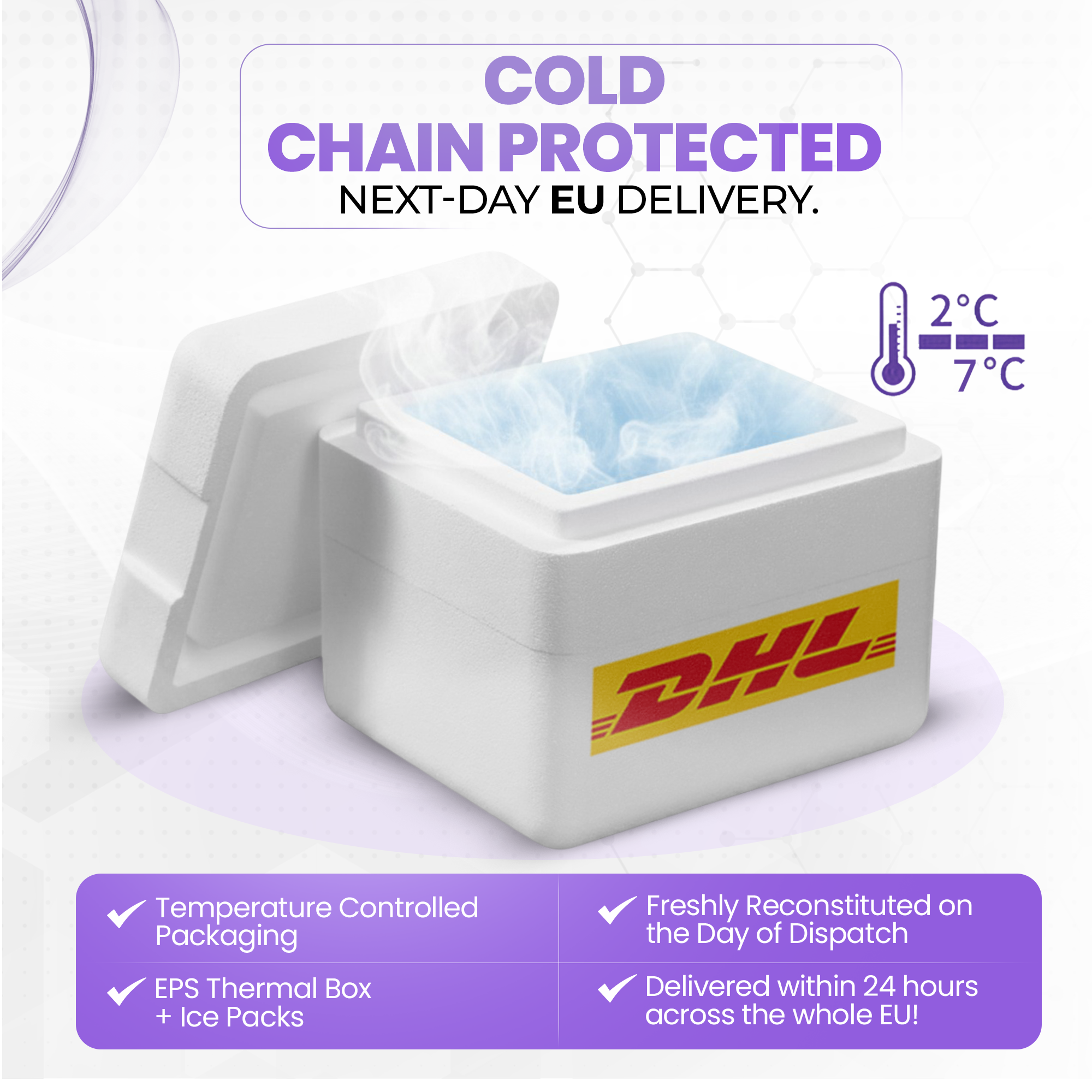
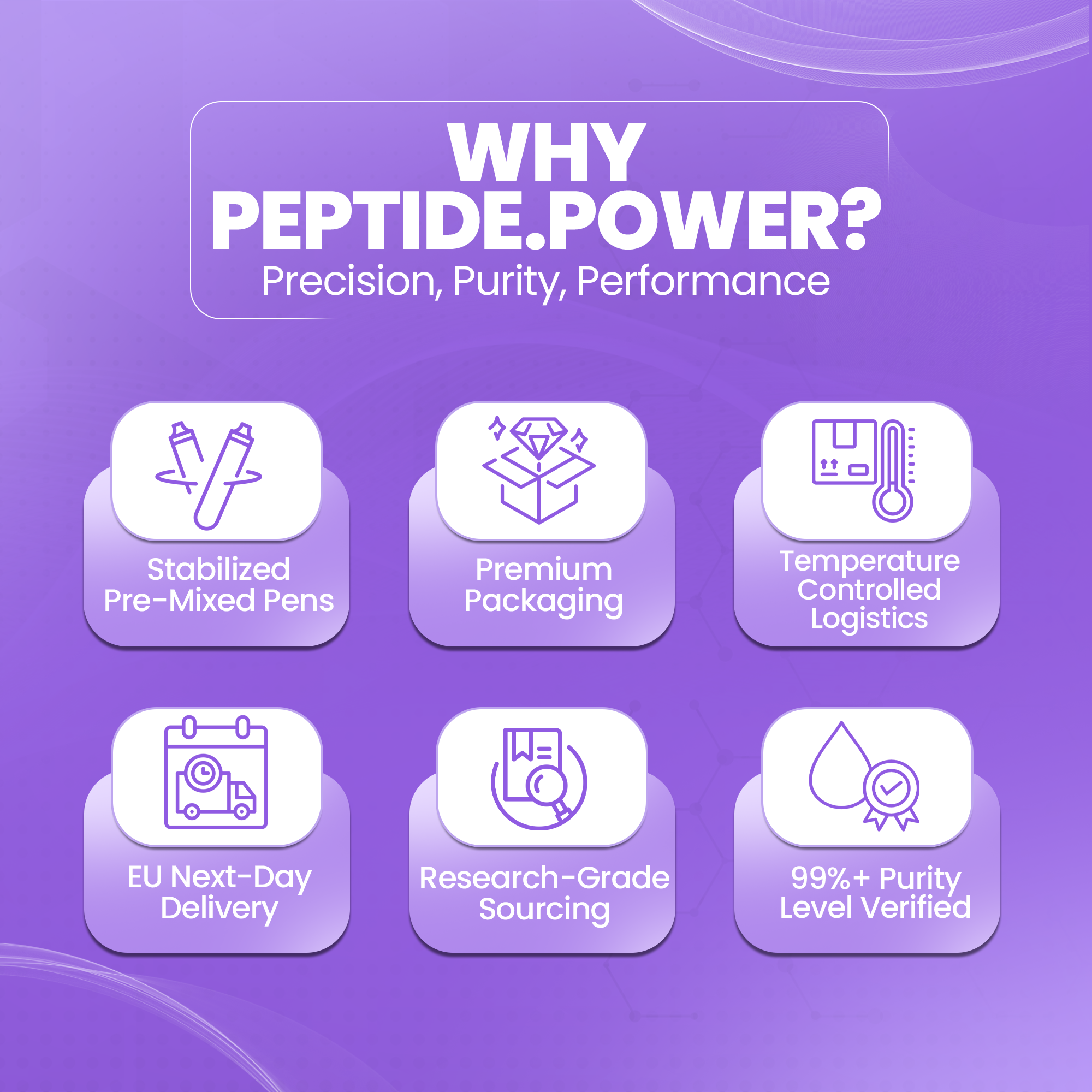
We ship with Next-Day EU Delivery via DHL Express or UPS Express.
All orders are prepared fresh on the day of dispatch, placed in EPS Cold-Chain Transport Boxes, and shipped with cooling elements to maintain a stable temperature throughout the journey.
Our logistics process is designed so the package arrives overnight, avoiding customs delays inside the European Union.
Products are shipped from our EU facility, ensuring no import duties, no customs clearance, and always fast and secure delivery.
Payment
Due to the nature of research peptides and the high-risk category assigned by payment processors, credit card companies do not generally support merchants in this field.
For this reason, we accept mainly Bank Transfers.
We also work with a crypto payment provider, and from time to time, card payments may be available depending on processor availability.
Within the European Union, SEPA transfers are fast, low-cost, and usually arrive within minutes to a few hours, making the payment process smooth and simple.
Once the transfer is received, your order is prepared immediately and dispatched the same day, depending on the daily cut-off time.
Please note that we do not dispatch shipments on Fridays or on days before official public holidays. This is done to ensure that parcels can be delivered on the next working day and are not held in transit over weekends or holidays.
This method ensures compliance, security, and continuity of service for all customers across the EU.
Didn't find the answer to your question?
View all frequently asked questionsRELATED PRODUCTS


CJC 1295 (No DAC)


GHRP-2


IGF-1LR3


Ipamorelin

