

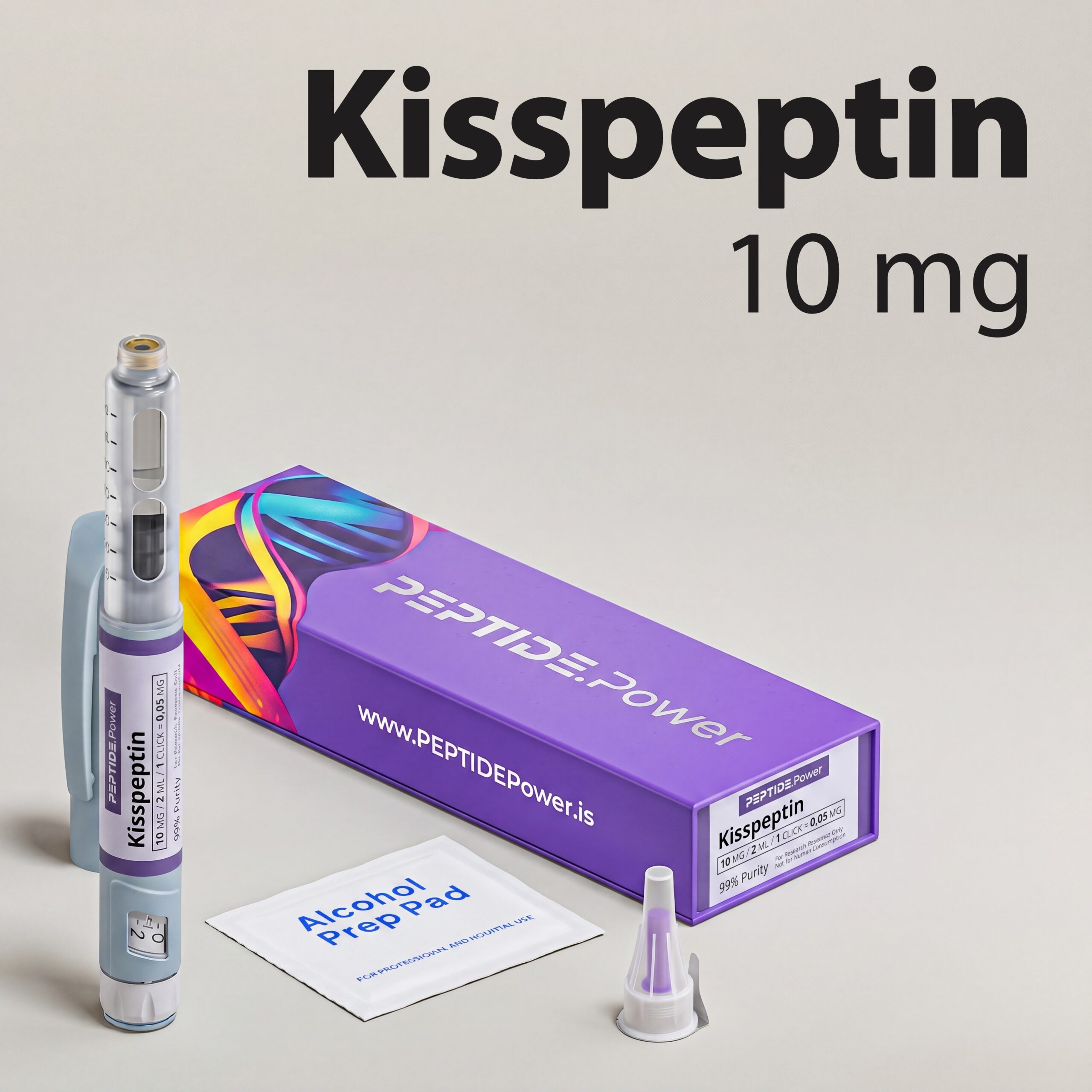


Kisspeptin
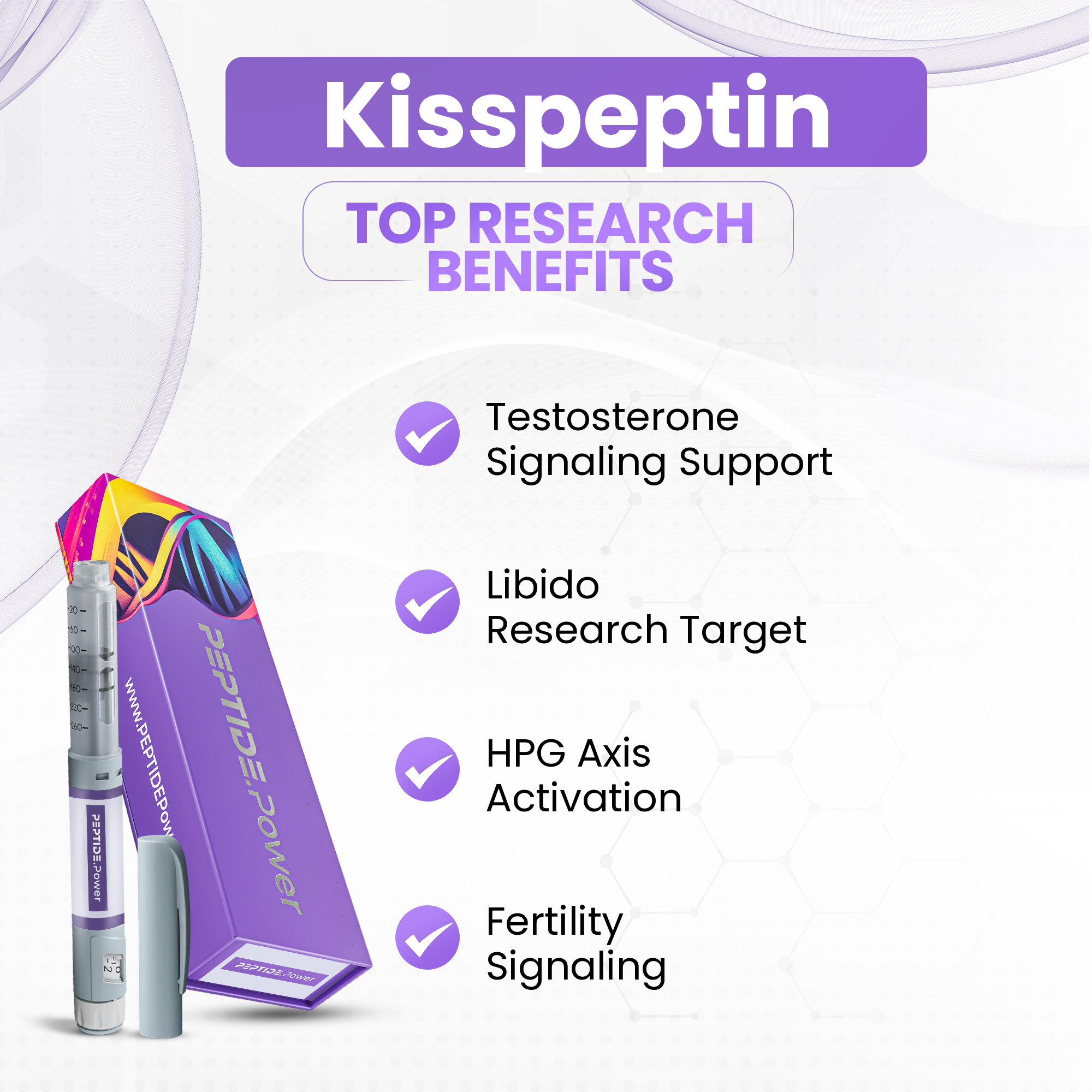
Kisspeptin is a neuropeptide studied for its central role in reproductive hormone regulation and hypothalamic signaling. It acts upstream of gonadotropin-releasing hormone (GnRH), influencing the hypothalamic-pituitary-gonadal (HPG) axis. In clinical and preclinical research, kisspeptin has been observed to support testosterone regulation, fertility signaling, and libido-related pathways. Formulated in a stabilized pre-mixed injection pen for research use only.
73,00 €
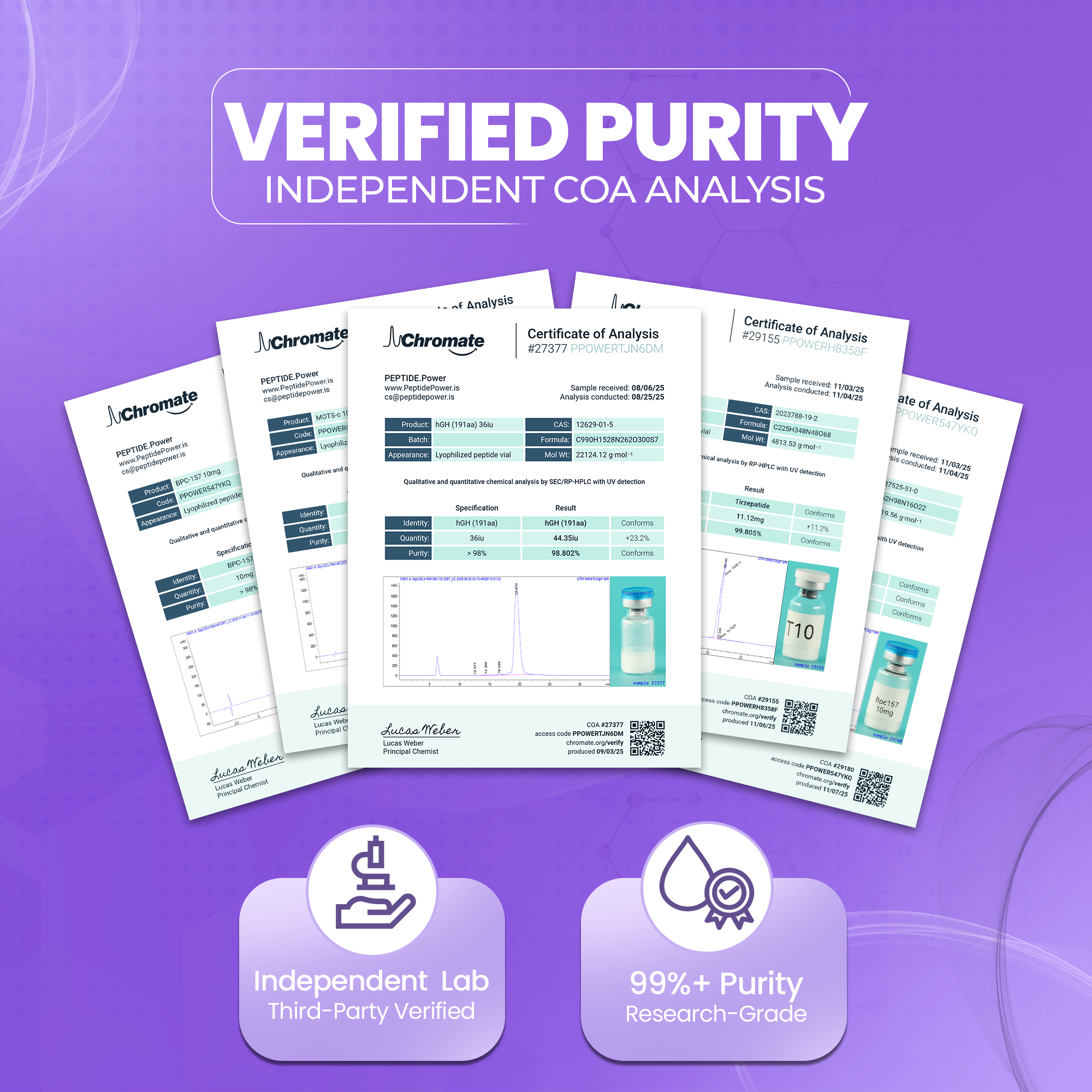
Quality Certificates
Independent third-party lab analysis (CoA) - from our own in-house brand.
Kisspeptin - Hypothalamic Control of Fertility & Hormone Balance
Stimulates natural LH release pathways
Influences central desire circuits
Supports reproductive hormone cascade
Studied in ovulatory regulation models
Acts at the top of the hormone chain
Encourages coordinated hormone release
Activates upstream signaling mechanisms
Triggers downstream LH and FSH secretion via GnRH stimulation
Description
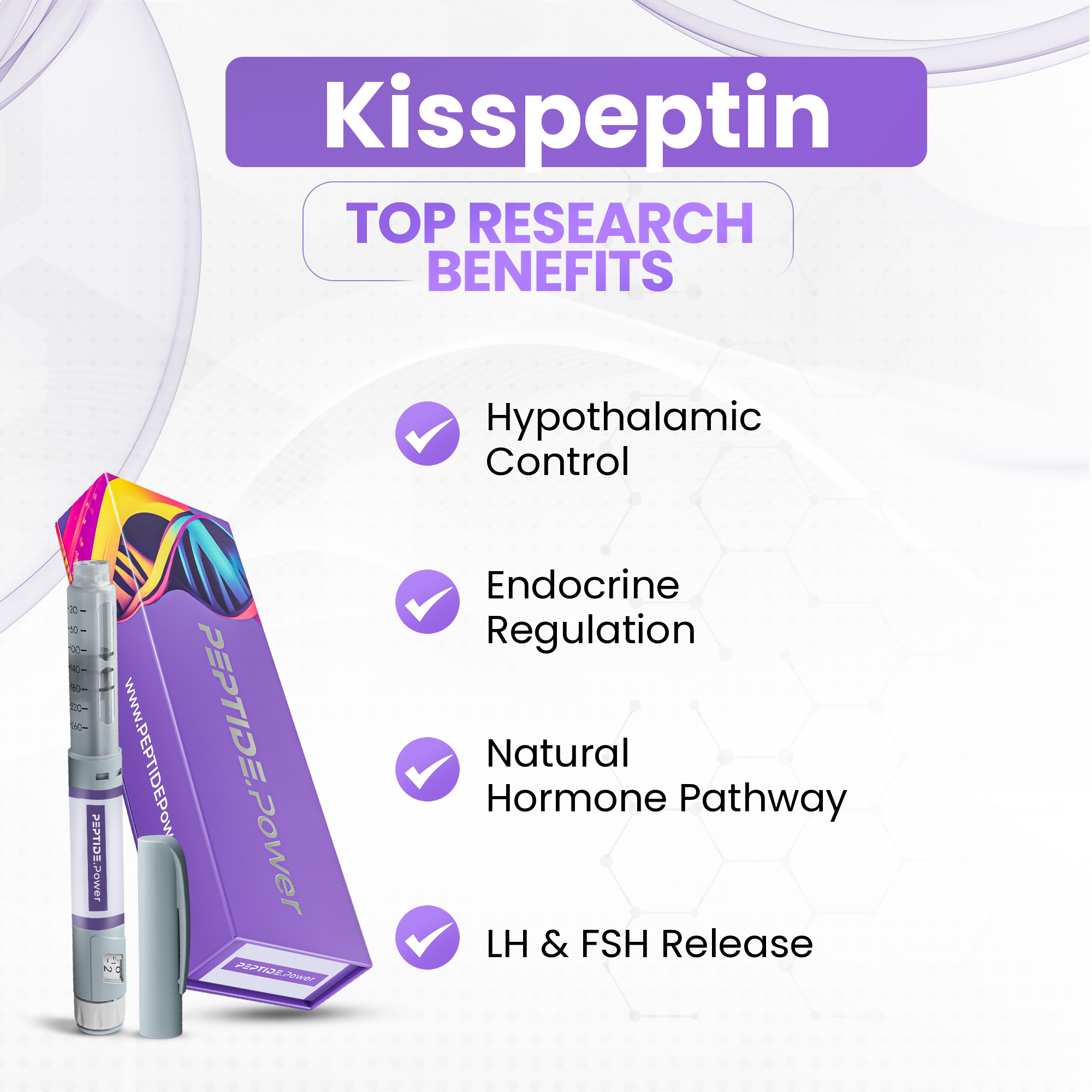
Kisspeptin is a hypothalamic neuropeptide that functions as a key regulator of the reproductive hormone cascade. It stimulates the release of gonadotropin-releasing hormone (GnRH), which subsequently triggers luteinizing hormone (LH) and follicle-stimulating hormone (FSH) secretion from the pituitary gland. Through this upstream control, kisspeptin plays a central role in activating the hypothalamic-pituitary-gonadal axis.
Our formulation is provided in a stabilized pre-mixed injection pen for SubQ administration. Subcutaneous delivery supports controlled systemic exposure and predictable endocrine signaling engagement in research protocols. Each unit is freshly prepared to preserve peptide integrity and standardized dosing. The product is intended strictly for laboratory and research use only.
In human and animal research, kisspeptin has been studied for its influence on testosterone secretion, ovulatory signaling, fertility pathways, and central libido circuits. Research domains include reproductive endocrinology, hypogonadism investigations, and neuroendocrine regulation studies.
Clinical Status
Human RCT ✔ | Observational ✔ | Animal ✔ | In vitro ✔
Extensively studied in human reproductive endocrinology research, including controlled clinical investigations of HPG axis activation.
Mechanism of Action
Kisspeptin activates GnRH neurons in the hypothalamus, initiating the hormonal cascade that regulates reproductive function. This stimulation leads to increased release of LH and FSH, which influence testosterone and estrogen production. Through this upstream mechanism, kisspeptin acts as a master regulator of the HPG axis.
Benefits
- Activates the master reproductive hormone pathway:
Kisspeptin operates at the highest level of the reproductive hormone hierarchy. By stimulating GnRH neurons in the hypothalamus, it initiates the entire downstream hormonal cascade. This upstream positioning differentiates it from compounds that act directly on testosterone production. Instead of bypassing regulatory systems, kisspeptin works within the body’s natural endocrine architecture. This makes it central to research exploring restoration of physiological hormone signaling. - Supports natural testosterone release through LH stimulation:
In male research populations, kisspeptin has been shown to increase luteinizing hormone levels. LH directly signals Leydig cells in the testes to produce testosterone. This pathway preserves endogenous feedback loops rather than introducing external hormones. The resulting hormonal modulation follows natural pulsatile dynamics observed in controlled studies. - Central influence on libido and sexual motivation:
Beyond hormone production, kisspeptin interacts with brain regions involved in sexual behavior and attraction. Functional imaging studies suggest changes in limbic activation patterns following administration. These neural effects extend beyond simple hormone elevation and involve central motivational circuitry. This dual endocrine and neural influence supports its relevance in libido-related research. - Key regulator of ovulatory signaling in females:
Kisspeptin plays a pivotal role in triggering the LH surge necessary for ovulation. In reproductive endocrinology studies, it has been investigated as a means of controlled ovulatory induction. Its precise regulatory function within the menstrual cycle underscores its importance in fertility research. - Maintains physiological feedback integrity:
Unlike direct testosterone therapies, kisspeptin stimulates upstream regulatory neurons. This preserves the hypothalamic-pituitary feedback loop that maintains endocrine balance. By working through endogenous pathways, it supports coordinated hormone regulation rather than isolated hormone elevation. - Studied in hypogonadism and endocrine dysfunction models:
Clinical investigations have explored kisspeptin in populations with impaired GnRH signaling. Observed increases in LH and testosterone demonstrate its ability to reactivate dormant endocrine pathways in controlled research settings. These findings position it within targeted neuroendocrine investigation domains. - Precision neuroendocrine signaling control:
Kisspeptin’s role as a gatekeeper of reproductive hormone release makes it uniquely positioned within endocrine research. Small changes in kisspeptin activity can significantly influence downstream hormone levels. This precision control underscores its importance in both male and female reproductive biology studies. - Designed for structured endocrine research use:
Provided in a stabilized pre-mixed injection pen for SubQ administration, kisspeptin supports predictable systemic exposure in experimental protocols. Subcutaneous delivery allows structured dosing and reproducible hormonal response assessment. Each unit is freshly prepared and intended strictly for laboratory use only.
Research Data
| Study / Model | Reported effect |
|---|---|
| Healthy male volunteers (IV infusion) | ↑ LH and FSH secretion; ↑ testosterone within hours of administration |
| Hypogonadotropic hypogonadism patients | Restored pulsatile GnRH activity; ↑ gonadotropin response |
| Women with hypothalamic amenorrhea | ↑ LH pulse frequency; partial restoration of reproductive hormone cycling |
| Rodent hypothalamic models | Activation of GnRH neurons via KISS1R; ↑ downstream HPG axis signaling |
| IVF protocol trials (women) | Effective trigger of oocyte maturation with reduced ovarian hyperstimulation risk |
| Functional MRI studies (humans) | Enhanced limbic activity in regions linked to sexual and emotional processing |
| Preclinical pubertal onset models | Earlier activation of reproductive maturation pathways |
Stack Suggestions
Kisspeptin is often combined in research with:
- Kisspeptin + Gonadorelin → Complementary upstream stimulation of the HPG axis for enhanced GnRH and LH/FSH release.
- Kisspeptin + PT-141 → Investigated for combined effects on reproductive signaling and libido-related pathways.
- Kisspeptin + Tesamorelin → Pairs reproductive axis modulation with growth hormone pathway support in endocrine research.
- Kisspeptin + BPC-157 → Combines hormonal signaling with tissue protection in recovery-focused models.
⚠ Stacks are for experimental design only; not safety or efficacy guidance.
Pen Dosage Chart
| Kisspeptin Pen 10 mg | |
|---|---|
| Volume | 2 mL |
| mg/mL | 5 mg/mL |
| Click-to-Dose | 1 click = 0.05 mg |
| Example(s) | 10 clicks = 0.5 mg |
Dosage & Protocols Variations
Standard Research Protocol
- Dose: 0.1 – 0.3 mg (= 2-6 clicks)
- Duration: 2 – 4 weeks
- Frequency: Daily subcutaneous administration
- Cycle Interval: 2 weeks off before repeating
- Goal / Description: Baseline protocol for studying HPG axis activation and gonadotropin response.
Therapeutic Research Protocol
- Dose: 0.3 – 0.5 mg (= 6-10 clicks)
- Duration: 4 – 6 weeks
- Frequency: Daily or twice daily
- Cycle Interval: 3 – 4 weeks off before repeating
- Goal / Description: Higher-dose model for evaluating LH/FSH secretion and reproductive hormone modulation.
Pulsatile Research Protocol
- Dose: 0.05 – 0.1 mg per pulse (= 1-2 clicks)
- Duration: 1 – 2 weeks
- Frequency: Every 90 minutes during active phase
- Cycle Interval: 2 weeks off before repeating
- Goal / Description: Mimics endogenous GnRH pulsatility for studies on hypothalamic signaling dynamics.
Possible Side Effects
Kisspeptin is generally well-tolerated in clinical and preclinical research studies, with most observations indicating a favorable safety profile at investigational doses.
Reported side effects in research settings include:
- Transient mild headache or lightheadedness following administration.
- Localized irritation or discomfort at the injection site.
- Temporary fluctuations in luteinizing hormone (LH) and follicle-stimulating hormone (FSH) levels.
- Mild nausea or facial flushing in sensitive subjects.
- Short-term mood or libido variability linked to hormonal shifts.
No evidence of serious cardiovascular, hepatic, or long-term endocrine adverse effects has been observed in available research data.
Product Attributes
- CAS #: 374675-21-5
- Molecular Formula: C63H83N17O14
- Sequence (AA): YNWNSFGLRF-NH2
- Molecular Weight: 1302.45 g/mol
- PubChem CID: 25240297
- Half-Life: ~28 minutes
- Synonyms: Kisspeptin-10, KP-10, Metastin (45-54), KiSS-1 (112-121)
- Type: Synthetic research neuropeptide (GPR54/KISS1R agonist)
- Research Focus: Reproductive Health, Hormonal Regulation, HPG Axis Modulation
Scientific References
- Kisspeptin and the hypothalamic control of reproduction Human RCT | Animal | In vitro
- Kisspeptin-54 stimulates gonadotropin release in women Human RCT | Observational
- Kisspeptin as a test of hypothalamic function in men Human RCT
- The GPR54 gene as a regulator of puberty Human RCT | Animal
- Kisspeptin modulates sexual and emotional brain processing in humans Human RCT
- Kisspeptin: a novel regulator of reproductive function Animal | In vitro
- Physiological roles of the kisspeptin/GPR54 system in the neuroendocrine control of reproduction Observational | Animal | In vitro
- Kisspeptin restores pulsatile LH secretion in patients with neurokinin B signaling deficiencies Human RCT | Observational
Included In The Box
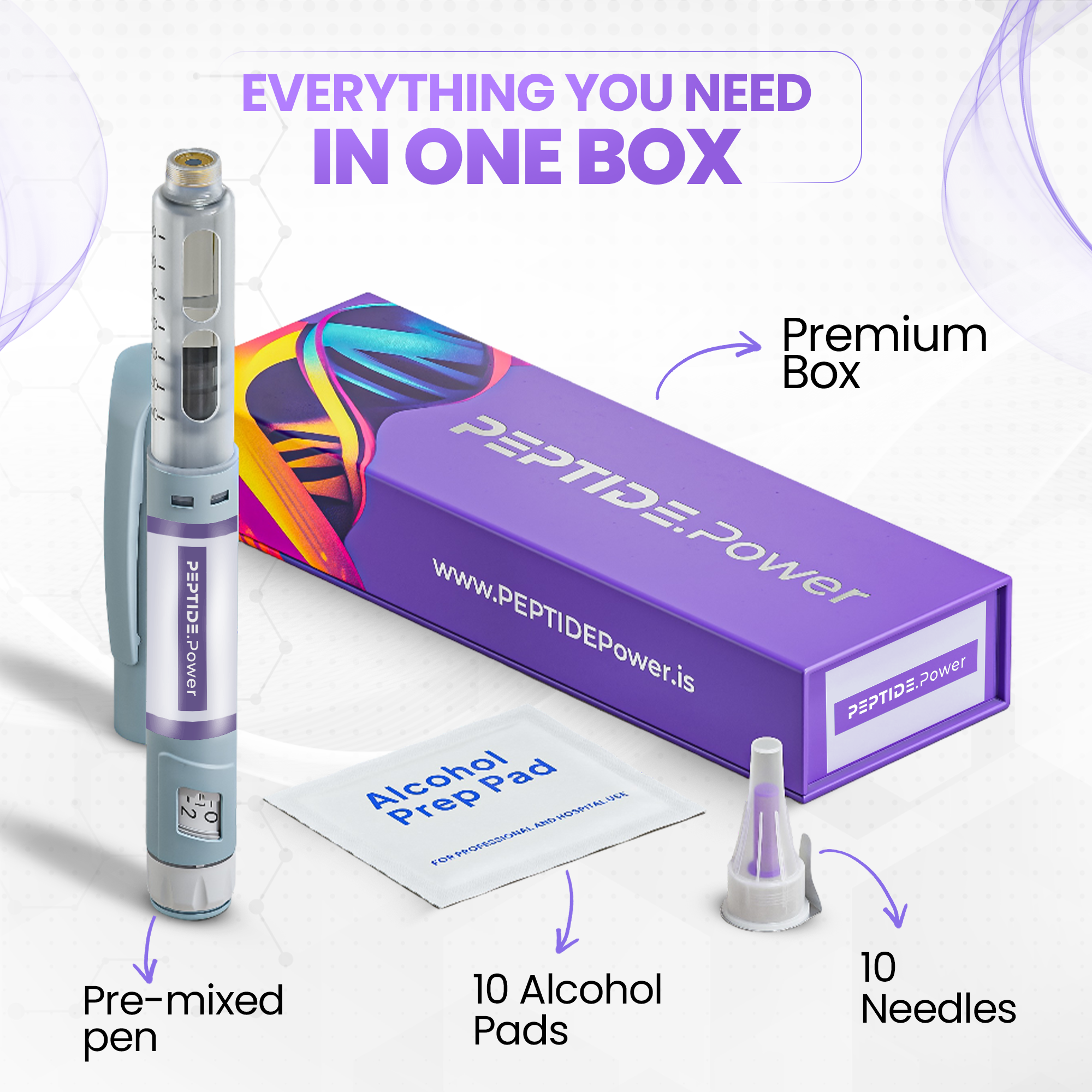
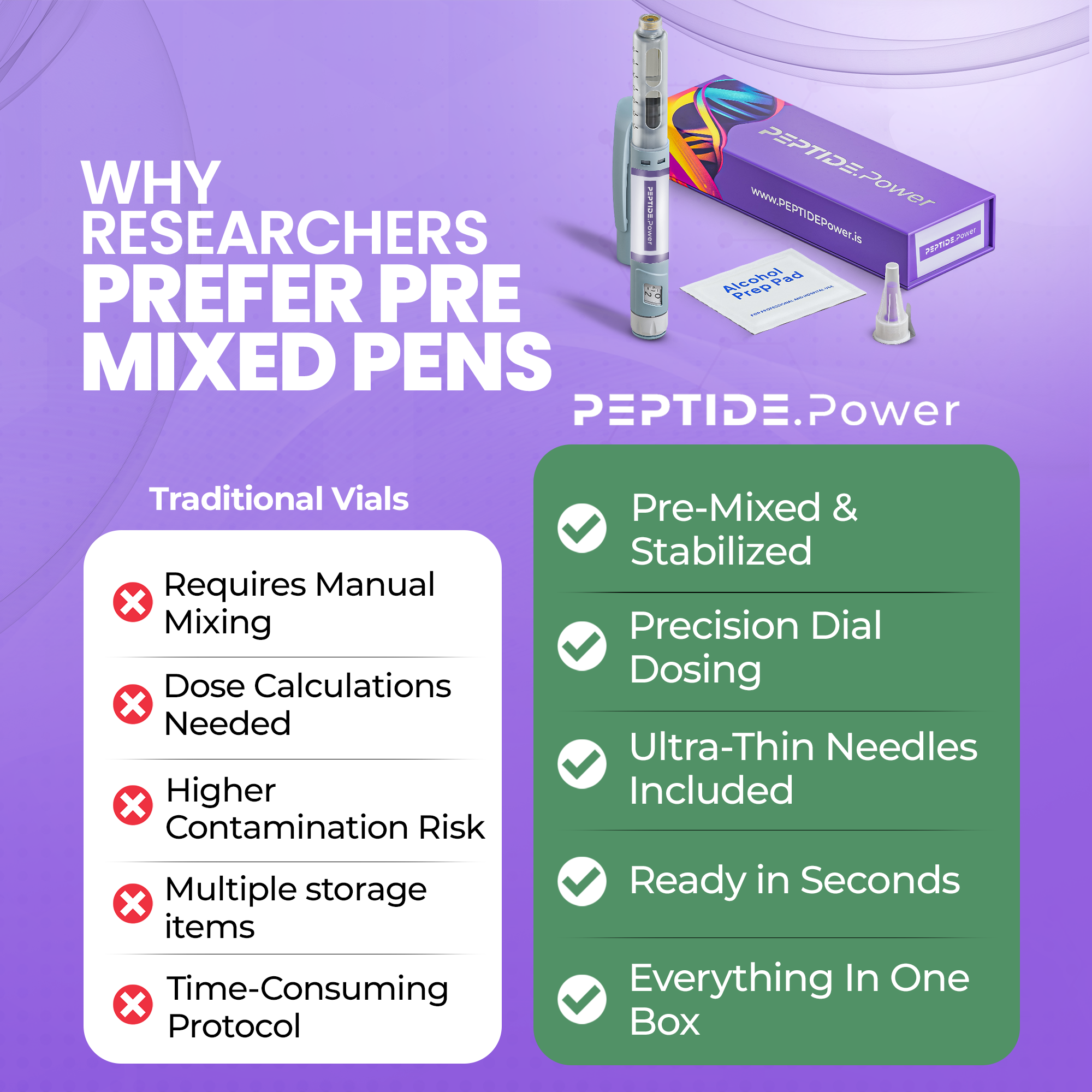
Every product arrives in a premium, custom-designed PEPTIDE.Power box, engineered for convenience, hygiene, and safe storage in your refrigerator. Inside, you will find everything needed for your full research protocol:
- 1× Disposable Pre-Mixed Injection Pen
- Powered by our proprietary PSM Technology™: precision stabilization & mixing system for consistent potency
- 10× Ultra-thin Needles (33G, 4 mm)
- 10× Alcohol Pads for sterile preparation
- Internal Stabilizing Foam Insert to prevent shaking during transport
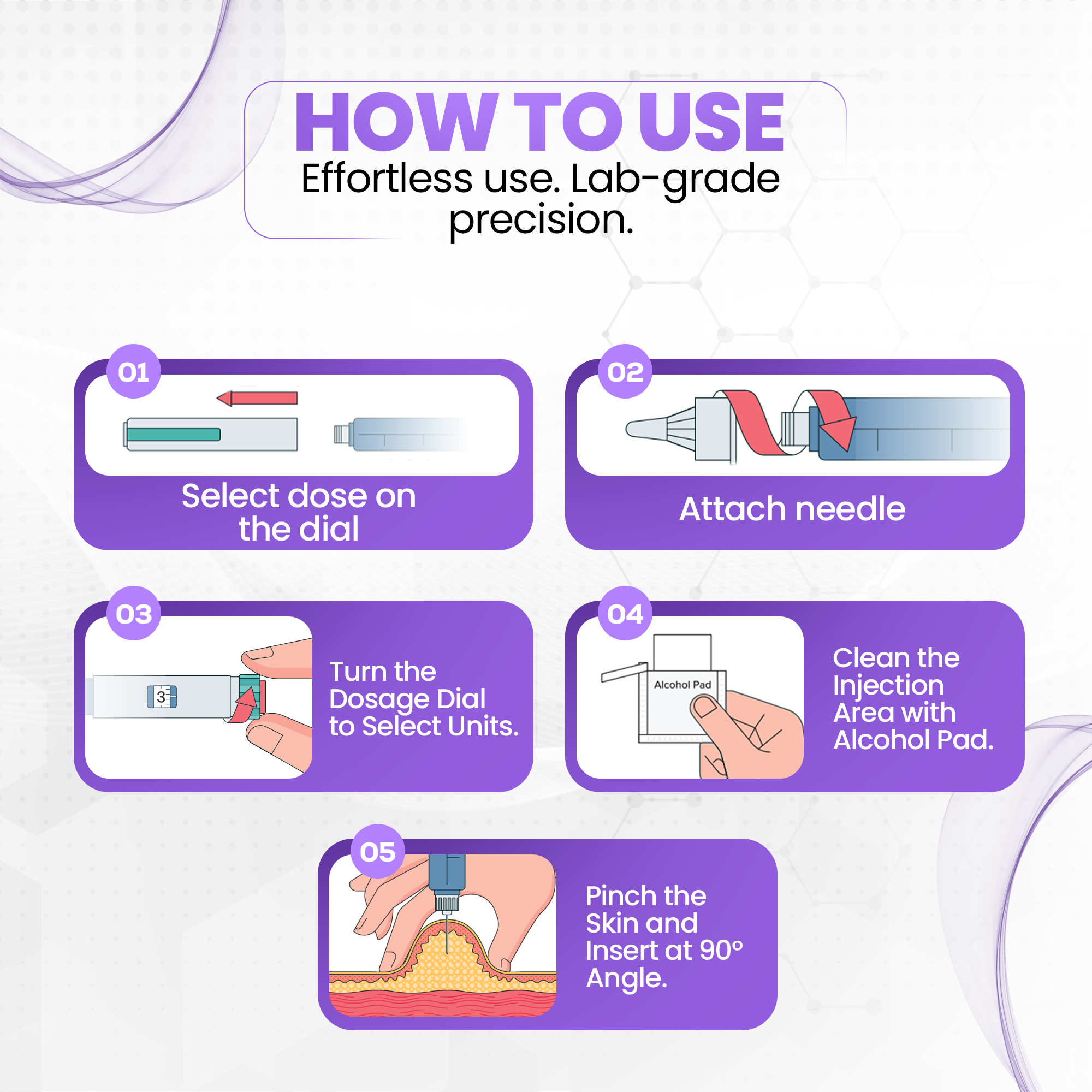
- Instruction Panel printed on the inside of the box for quick reference
- Security Seal Sticker ensuring the package has not been opened or tampered with
Storage
Store the product in a refrigerator at 1-8°C immediately upon delivery. To maintain optimal stability, keep the pen away from light, and do not expose it to repeated temperature changes.
Once reconstituted (all our pens come pre-mixed), research compounds remain stable for 6-8 weeks under proper refrigeration.
Do not freeze after reconstitution. Always keep the box closed so the pen, needles, and alcohol pads stay clean and protected.
For best results, use the product consistently within the recommended time window and always follow your research protocol.
Delivery
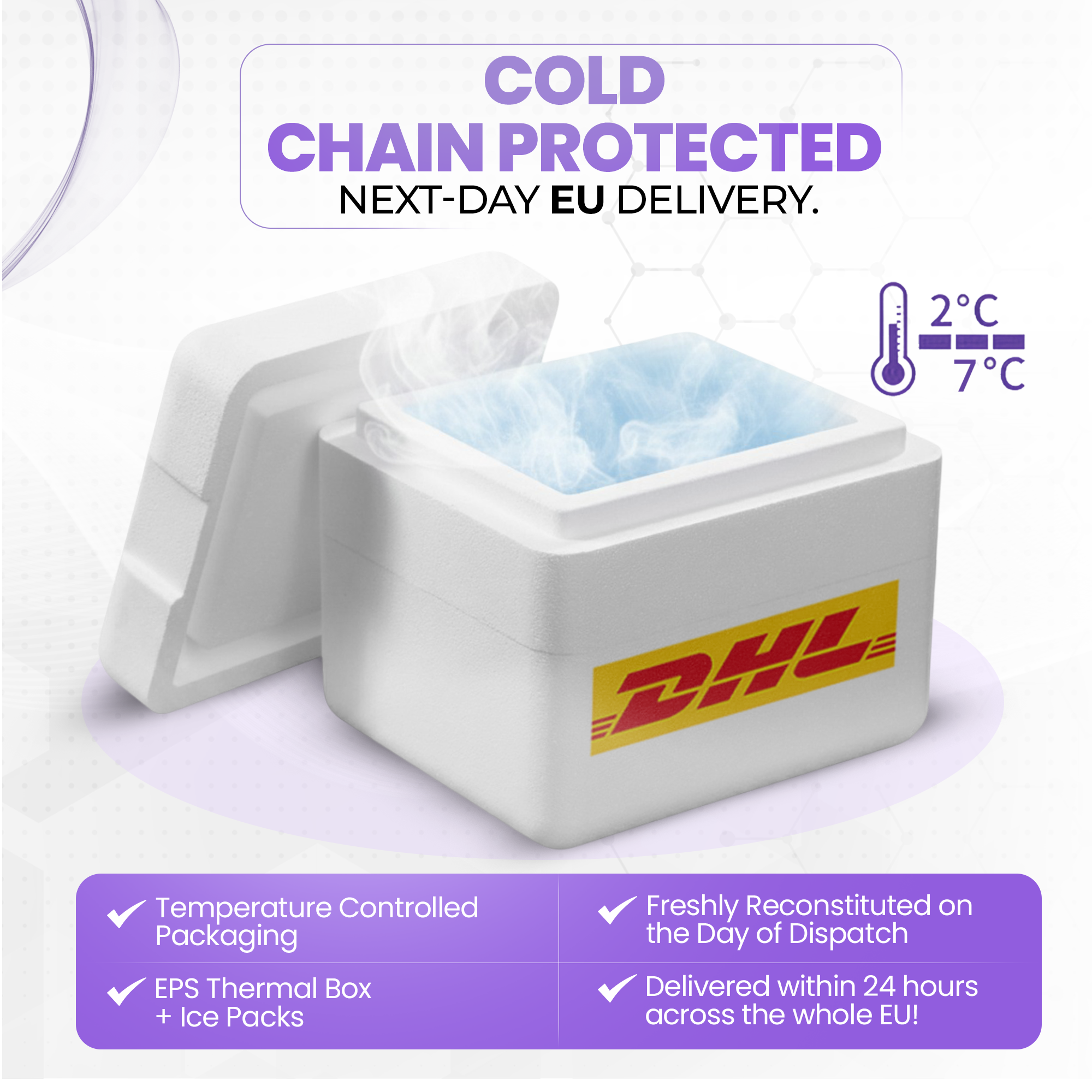
We ship with Next-Day EU Delivery via DHL Express or UPS Express.
All orders are prepared fresh on the day of dispatch, placed in EPS Cold-Chain Transport Boxes, and shipped with cooling elements to maintain a stable temperature throughout the journey.
Our logistics process is designed so the package arrives overnight, avoiding customs delays inside the European Union.
Products are shipped from our EU facility, ensuring no import duties, no customs clearance, and always fast and secure delivery.
Payment
Due to the nature of research peptides and the high-risk category assigned by payment processors, credit card companies do not generally support merchants in this field.
For this reason, we accept mainly Bank Transfers.
We also work with a crypto payment provider, and from time to time, card payments may be available depending on processor availability.
Within the European Union, SEPA transfers are fast, low-cost, and usually arrive within minutes to a few hours, making the payment process smooth and simple.
Once the transfer is received, your order is prepared immediately and dispatched the same day, depending on the daily cut-off time.
Please note that we do not dispatch shipments on Fridays or on days before official public holidays. This is done to ensure that parcels can be delivered on the next working day and are not held in transit over weekends or holidays.
This method ensures compliance, security, and continuity of service for all customers across the EU.
Didn't find the answer to your question?
View all frequently asked questionsRELATED PRODUCTS


Epithalon


GHK-Cu


Mazdutide


Slu-pp-332

