

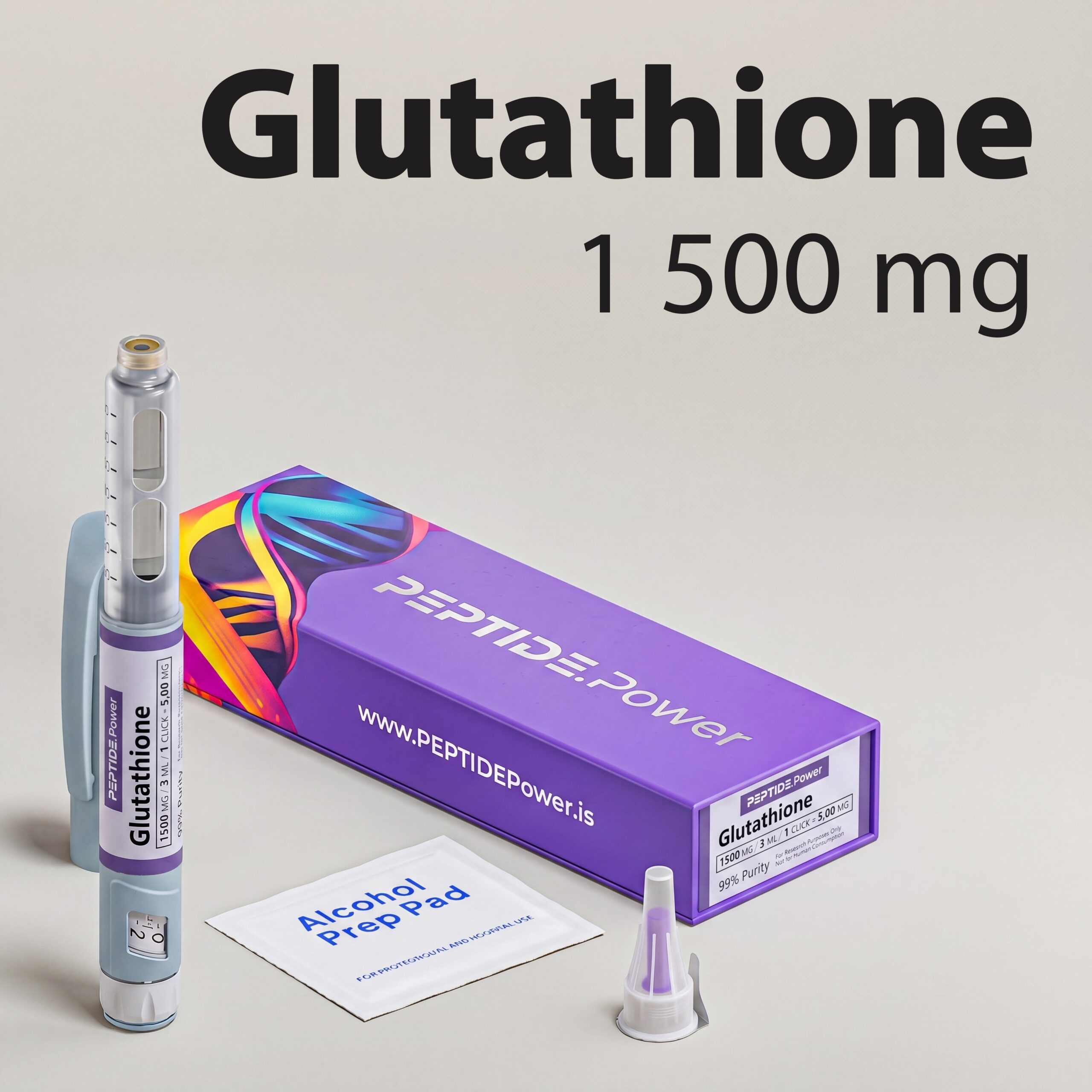


Glutathione
Glutathione is the body’s master antioxidant – a potent tripeptide composed of glutamate, cysteine, and glycine. Research demonstrates its fundamental role in cellular detoxification, oxidative stress protection, and immune system support.
62,00 €
📦Available in 7 stacks · save up to 170,00 €
Lean Mass - Advancedsave 120,00 €View the stack →Repair Matrix - Advancedsave 91,00 €View the stack →Cell Renewal - Startsave 54,00 €View the stack →Longevity - Advancedsave 131,00 €View the stack →Sleep - Advancedsave 98,00 €View the stack →Glow - Startsave 46,00 €View the stack →Glow - Advancedsave 170,00 €View the stack →Glutathione - Master Antioxidant & Detoxification
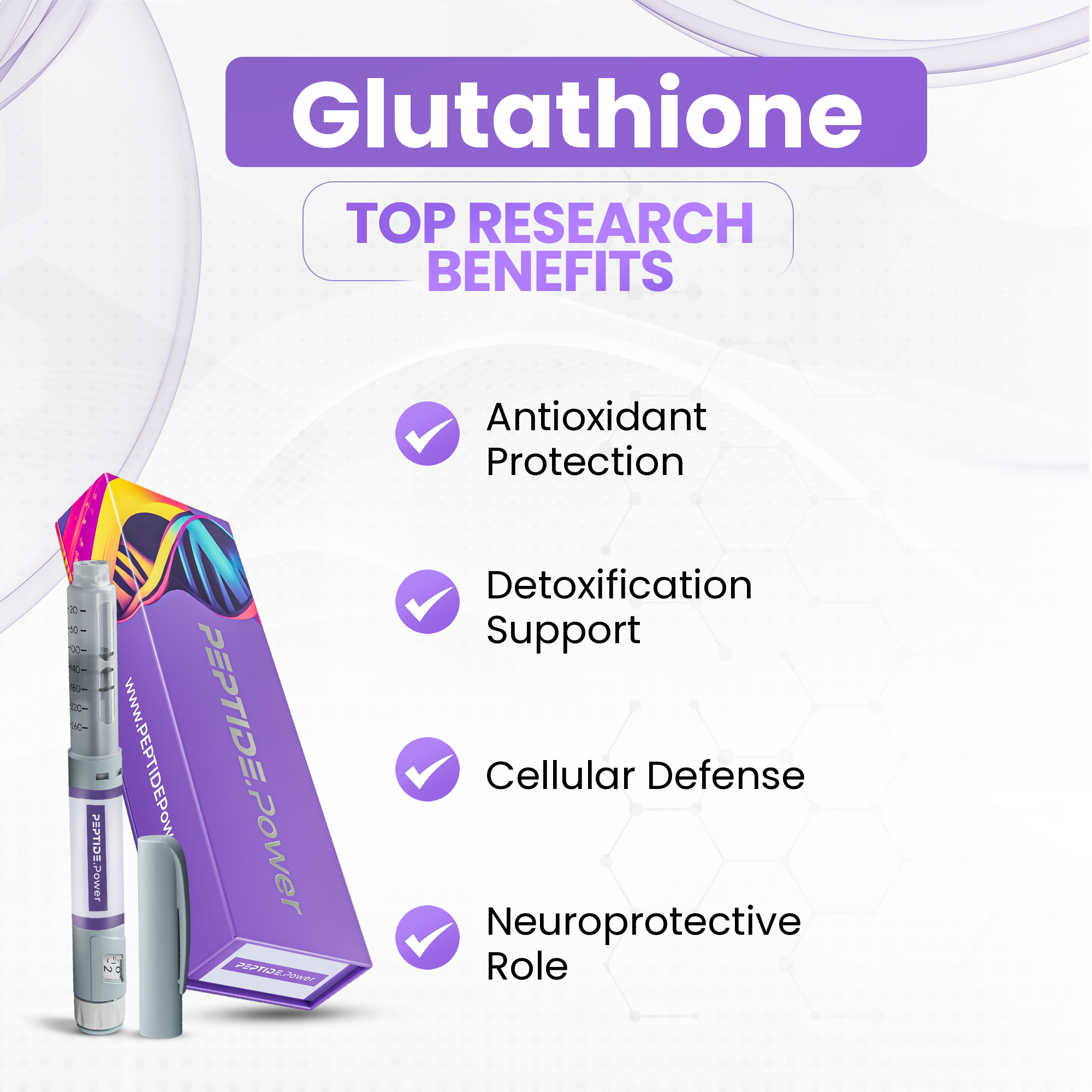
Neutralizes free radicals and oxidative stress
Aids removal of toxins and heavy metals from cells
Maintains redox balance and DNA stability
Studied for preserving neurons from oxidative injury
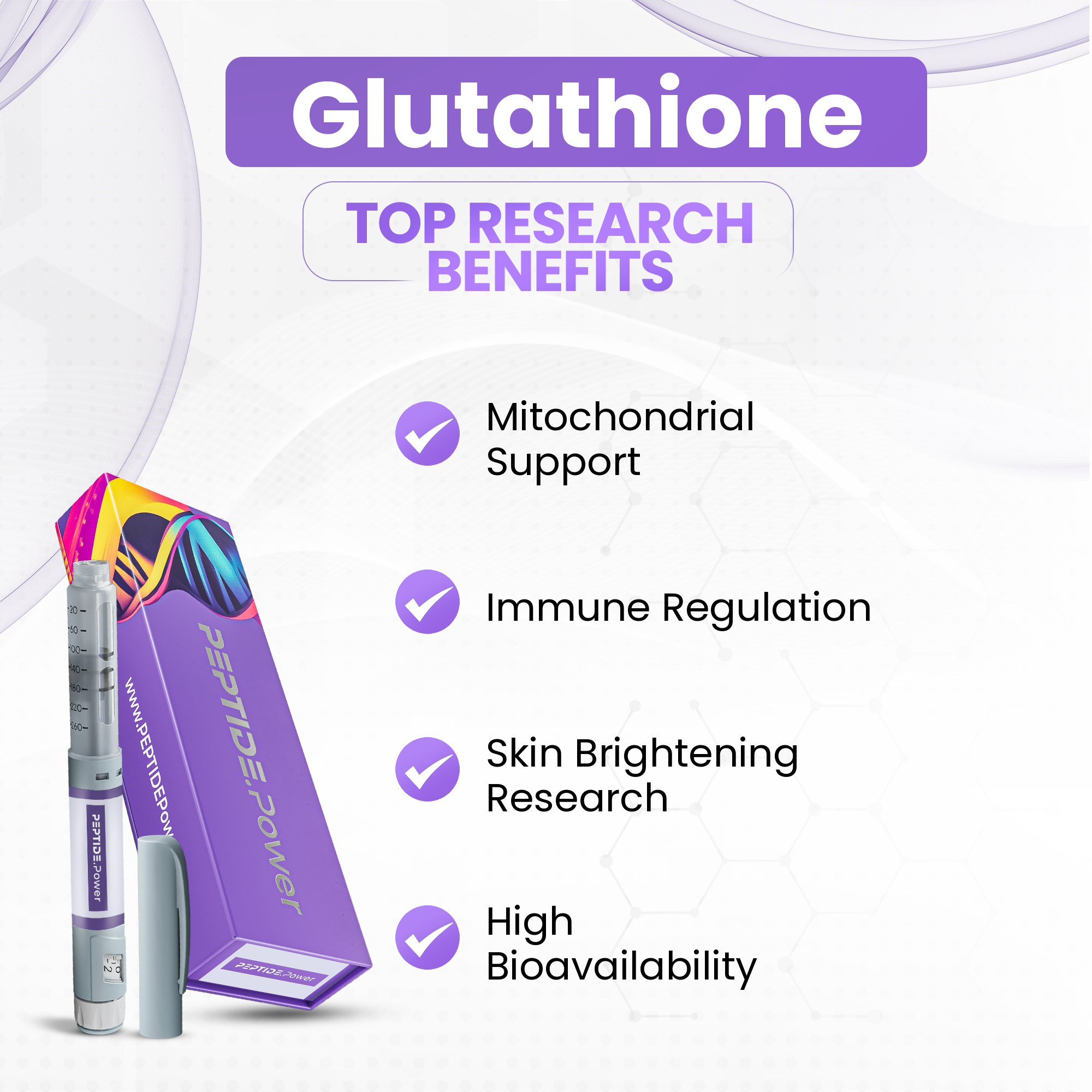
Enhances energy production and reduces oxidative burden
Modulates inflammatory and immune response pathways
Investigated for promoting lighter skin tone via melanin inhibition
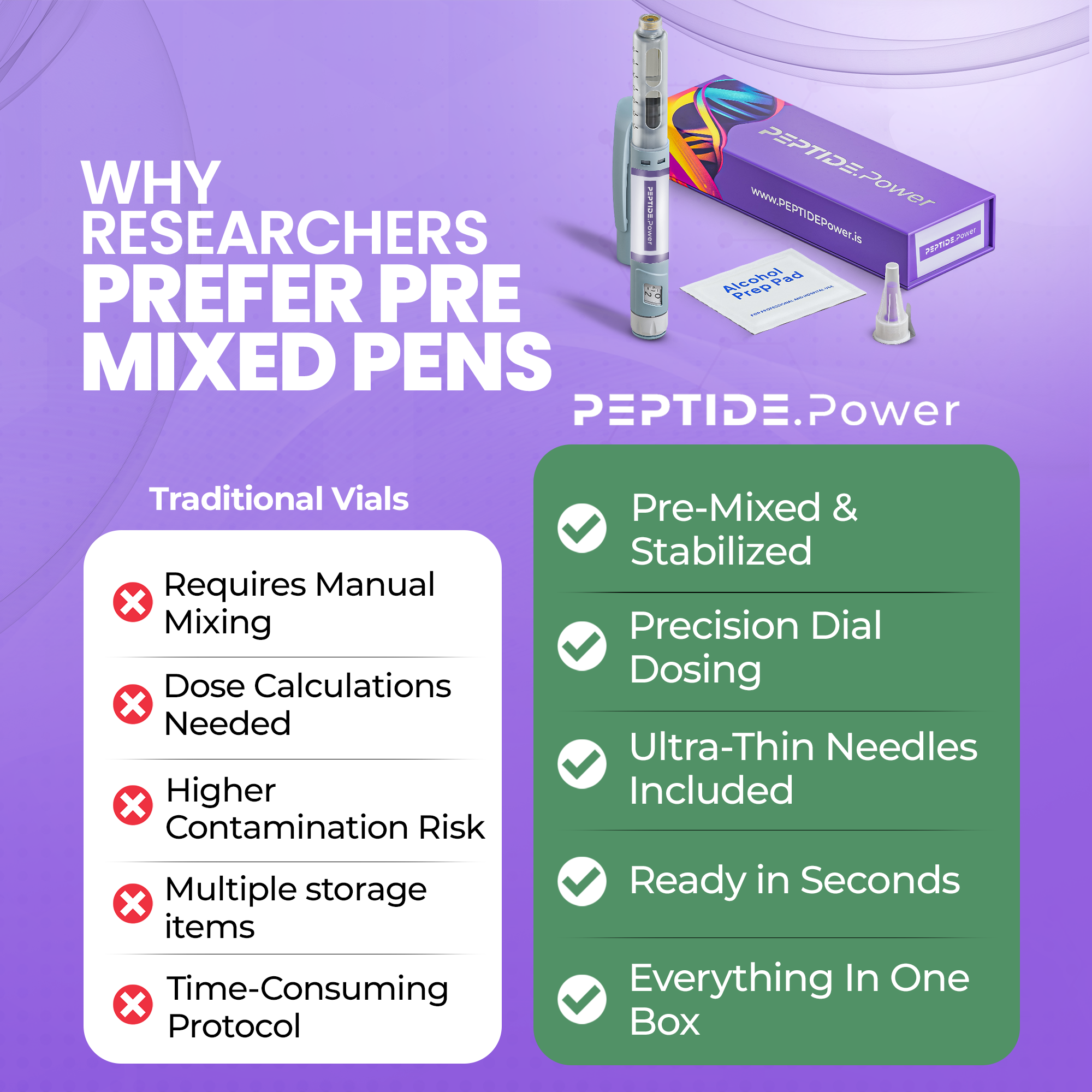
Pre-mixed SubQ pen ensures precise, stable research dosing
Description
Glutathione is a tripeptide antioxidant composed of glutamine, cysteine, and glycine, essential for detoxification, redox regulation, and immune defense. It is studied for its central role in maintaining oxidative balance, supporting liver detoxification, and protecting cellular components from free radical damage.
Research has shown that Glutathione neutralizes reactive oxygen species, regenerates vitamins C and E, and maintains mitochondrial integrity. Its antioxidant and detoxifying functions make it a core compound in studies focused on cellular longevity, immune resilience, and metabolic recovery.
Glutathione has also been observed to support skin brightening and improve complexion through modulation of melanin synthesis by tyrosinase inhibition. These effects are complemented by its ability to promote collagen stability and DNA repair, making it a key peptide in dermatological and anti-aging research.
Formulated in a stabilized pre-mixed injection pen for SubQ administration, Glutathione ensures high bioavailability and consistent plasma levels under laboratory conditions. It is widely used in oxidative stress, detoxification, and regenerative medicine studies.
Clinical Status:
Glutathione is an endogenous antioxidant tripeptide evaluated extensively in human and animal studies for detoxification, liver support, and anti-aging research. It is not approved for therapeutic use and remains for investigational and laboratory applications.
Evidence type:
Human RCT ✔ | Observational ✔ | Animal ✔ | In vitro ✔ | Regulatory ☐
Mechanism of Action
Glutathione (γ-L-glutamyl-L-cysteinyl-glycine) acts as a redox buffer, maintaining intracellular thiol equilibrium. Its reduced form (GSH) donates electrons to neutralize peroxides through glutathione peroxidase (GPx) and is regenerated by glutathione reductase (GR) using NADPH. It also functions as a cofactor in detoxification pathways, conjugating xenobiotics and heavy metals through glutathione S-transferases (GSTs). In mitochondria, GSH regulates apoptosis via modulation of oxidative phosphorylation and cytochrome c activity. These mechanisms make Glutathione an essential molecule in redox biology and oxidative stress research.
Benefits
- Master Antioxidant and Cellular Protector:
Glutathione is often referred to as the body’s master antioxidant, studied for its critical role in neutralizing free radicals and maintaining cellular redox balance. It protects DNA, proteins, and lipids from oxidative damage, helping sustain optimal cell function and long-term tissue health in both physiological and experimental research settings. - Support for Liver Detoxification and Metabolic Cleansing:
Glutathione plays a central role in phase II liver detoxification pathways, where it binds and eliminates reactive metabolites and environmental toxins. Research demonstrates that elevated Glutathione levels support the detoxification of heavy metals, alcohol, and pollutants, making it a cornerstone compound in studies of hepatic protection and detoxification efficiency. - Regeneration of Other Antioxidants:
Glutathione contributes to the regeneration of vitamin C and vitamin E from their oxidized forms, amplifying the overall antioxidant network within the cell. This synergistic interaction enhances resilience against oxidative stress and supports continuous redox cycling in experimental models of aging and cellular defense. - Enhancement of Mitochondrial Health and Energy Production:
As a key component of mitochondrial protection, Glutathione helps prevent mitochondrial oxidative injury and maintains ATP synthesis efficiency. Research links its activity to improved mitochondrial respiration, energy output, and reduced apoptotic signaling under metabolic stress, making it essential in studies of cellular energy preservation. - Strengthening of Immune Function:
Glutathione supports optimal immune system activity by maintaining lymphocyte proliferation, enhancing macrophage response, and regulating cytokine signaling. It ensures balanced immune activation and recovery during infections or inflammation, positioning it as a vital component in research on immune resilience and regulation. - Protection Against Cellular Aging and DNA Damage:
By mitigating oxidative DNA damage, Glutathione helps preserve genomic stability and cellular longevity. It influences gene expression related to detoxification, stress response, and apoptosis, supporting models investigating aging, longevity, and age-related disease prevention. - Reduction of Inflammation and Oxidative Stress:
Research demonstrates that Glutathione reduces pro-inflammatory mediators such as TNF-α and IL-6 while maintaining optimal nitric oxide levels. This anti-inflammatory action decreases oxidative stress across multiple organ systems, supporting its use in experimental protocols for chronic inflammation and metabolic disorders. - Skin Brightening and Cellular Renewal:
In dermatological research, Glutathione has been observed to inhibit melanin synthesis by reducing the activity of tyrosinase. This results in a brightening effect and improved skin tone uniformity. Combined with its antioxidant capacity, it supports collagen stability and overall dermal health, making it popular in aesthetic and skin renewal studies. - Protection Against Neurodegeneration:
Glutathione acts as a neuroprotective agent by maintaining redox balance in the brain and detoxifying reactive oxygen species. Research highlights its importance in supporting mitochondrial function in neurons and preventing oxidative damage associated with cognitive decline and neurodegenerative processes. - Improvement of Cellular Detox and Recovery:
In studies of physical or oxidative stress, Glutathione has been shown to restore cellular integrity and accelerate recovery. It supports protein folding, enzyme activity, and membrane stability, making it crucial in research examining recovery from toxin exposure, oxidative damage, or metabolic exhaustion. - Synergistic Potential with NAD+ and Mitochondrial Peptides:
When combined with compounds such as NAD+, SS-31, or MOTS-c, Glutathione enhances mitochondrial antioxidant protection and redox cycling. This synergy amplifies energy production and cellular repair processes, forming a key foundation in advanced longevity and bioenergetic research protocols.
Research Data
| Study/model | Reported effect |
| Human trials (oral and IV administration) | ↑ Plasma GSH levels, ↓ oxidative biomarkers (MDA, 8-OHdG) |
| Animal oxidative stress models | ↓ Lipid peroxidation and improved mitochondrial GSH:GSSG ratio |
| Hepatotoxicity models (CCl4, acetaminophen) | ↓ ALT/AST, ↓ hepatic necrosis, improved antioxidant enzyme activity |
| Neurodegenerative disease models | Protection of dopaminergic neurons and ↓ oxidative stress markers |
| In vitro melanocyte cultures | ↓ Tyrosinase activity and melanin synthesis via GSH-mediated inhibition |
| Inflammatory models | ↓ TNF-α, IL-6, and CRP, supporting immunomodulatory roles |
| Pharmacokinetic assessments | ↑ Cellular uptake with liposomal and SubQ formulations |
Stack Suggestions
Glutathione is often combined with NAD+ to enhance mitochondrial redox cycling and cellular energy restoration.
It can also be paired with BPC-157 for tissue recovery and GHK-Cu in skin rejuvenation and detoxification research.
Stacks discussed are for experimental design purposes only, not safety or efficacy guidance.
Pen Dosage Chart
| Glutathione Pen 1500 mg | |
|---|---|
| Volume | 3 mL |
| mg/mL | 500 mg/mL |
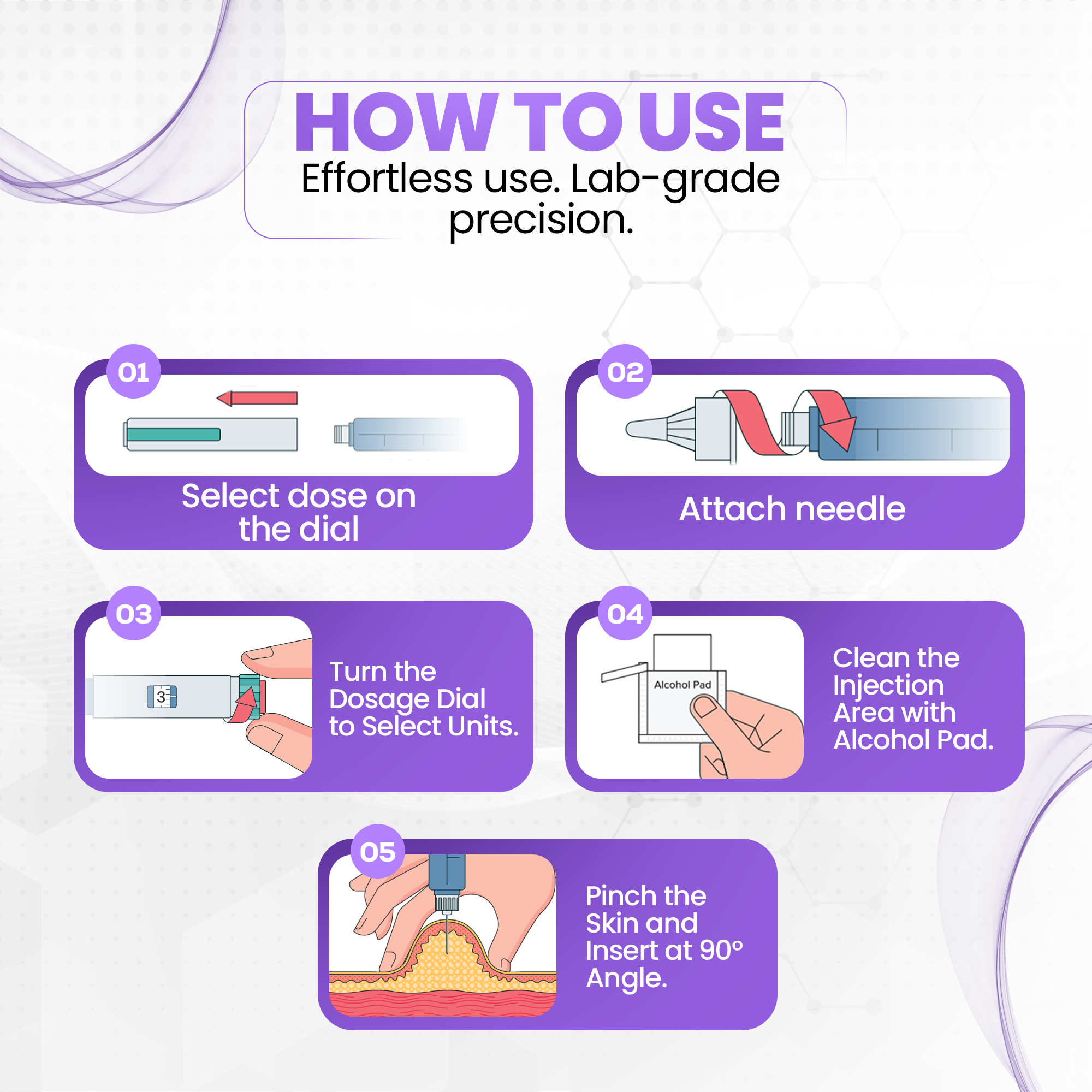
| Click-to-Dose | 1 click = 5 mg |
| Example(s) | 10 clicks = 50 mg |
Dosage & Protocols Variations
Standard Antioxidant Protocol
- Dose: 200 – 400 mg (= 40-80 clicks)
- Duration: 4 – 8 weeks
- Frequency: 3× weekly
- Cycle Interval: 4-week rest
- Goal / Description: ↑ Systemic antioxidant capacity, baseline redox support
Intensive Detoxification Protocol
- Dose: 500 – 600 mg (= 100-120 clicks)
- Duration: 4 weeks
- Frequency: 5× weekly
- Cycle Interval: 8-week rest
- Goal / Description: Rapid ↑ GSH levels for detoxification models, tissue saturation
Maintenance Protocol
- Dose: 150 mg (= 30 clicks)
- Duration: 8 – 12 weeks
- Frequency: 3× weekly
- Cycle Interval: 8-week rest
- Goal / Description: Long-term maintenance of improved GSH status
Possible Side Effects
Glutathione supplementation is generally well-tolerated due to its endogenous nature, but some individuals may experience side effects, particularly with higher doses or sensitive constitutions. The most common adverse reactions are related to gastrointestinal adjustments and administration site responses with subcutaneous injection protocols.
Gastrointestinal Effects: Mild nausea, abdominal cramping, bloating, and flatulence may occur, especially during the initial supplementation period. These symptoms typically resolve as the body adapts to increased glutathione levels. Some users report a metallic or sulfur-like taste, which is attributed to the cysteine component of the molecule.
Injection Site Reactions: With subcutaneous administration, mild redness, swelling, or irritation at the injection site may occur. These reactions are typically transient and resolve within 24-48 hours. Proper injection technique and site rotation can minimize these effects.
Allergic Reactions: Although rare, some individuals may experience allergic responses including skin rashes, hives, or in severe cases, difficulty breathing. Those with known sensitivities to sulfur-containing compounds should exercise particular caution.
Respiratory Considerations: Individuals with asthma or respiratory sensitivities should avoid inhaled forms, as glutathione may trigger bronchospasms or respiratory distress in predisposed individuals.
Headaches and Fatigue: Some users report mild headaches or temporary fatigue during initial supplementation, likely related to detoxification processes and cellular adjustments to enhanced antioxidant capacity.
It is important to note that most side effects are mild, transient, and resolve with continued use or dosage adjustment. However, individuals should discontinue use and consult healthcare providers if adverse reactions persist or worsen.
Product Attributes
- CAS #: 70-18-8
- Molecular Formula: C10H17N3O6S
- Sequence (AA): H-γ-Glu-Cys-Gly-OH
- Molecular Weight: 307.32 g/mol
- PubChem CID: 124886
- Half-Life: 2-3 hours (plasma), 8-12 hours (cellular)
- Synonyms: GSH, L-Glutathione reduced, γ-L-Glutamyl-L-cysteinyl-glycine, Glutatiol, Atomolan
- Type: Natural tripeptide antioxidant
- Research Focus: Mitochondria, Anti-Age, Detoxification
Scientific References
- Randomized controlled trial of oral glutathione supplementation on body stores of glutathione Human RCT
- Oral supplementation with liposomal glutathione elevates body stores of glutathione and markers of immune function Human RCT
- Glutathione synthesis in the mouse liver supports lipid abundance through NRF2 repression Animal
- Glutathione system enhancement for cardiac protection: pharmacological and clinical data from bench-to-bedside Observational
- Randomized clinical trial of how long-term glutathione supplementation improves lipid metabolism in obese patients with nonalcoholic fatty liver disease Human RCT
- ALSUntangled no. 52: glutathione Human RCT
- Efficacy of glutathione for the treatment of nonalcoholic fatty liver disease: an open-label, single-arm, multicenter, clinical trial Human observational
- Systemic glutathione as a skin-whitening agent in adults Human RCT
- Clinical evaluation of glutathione concentrations after consumption of S-acetylglutathione: a pilot study Human observational
- Development of a mouse model expressing a bifunctional glutathione-synthesizing enzyme to study glutathione limitation in vivo Animal
Included In The Box
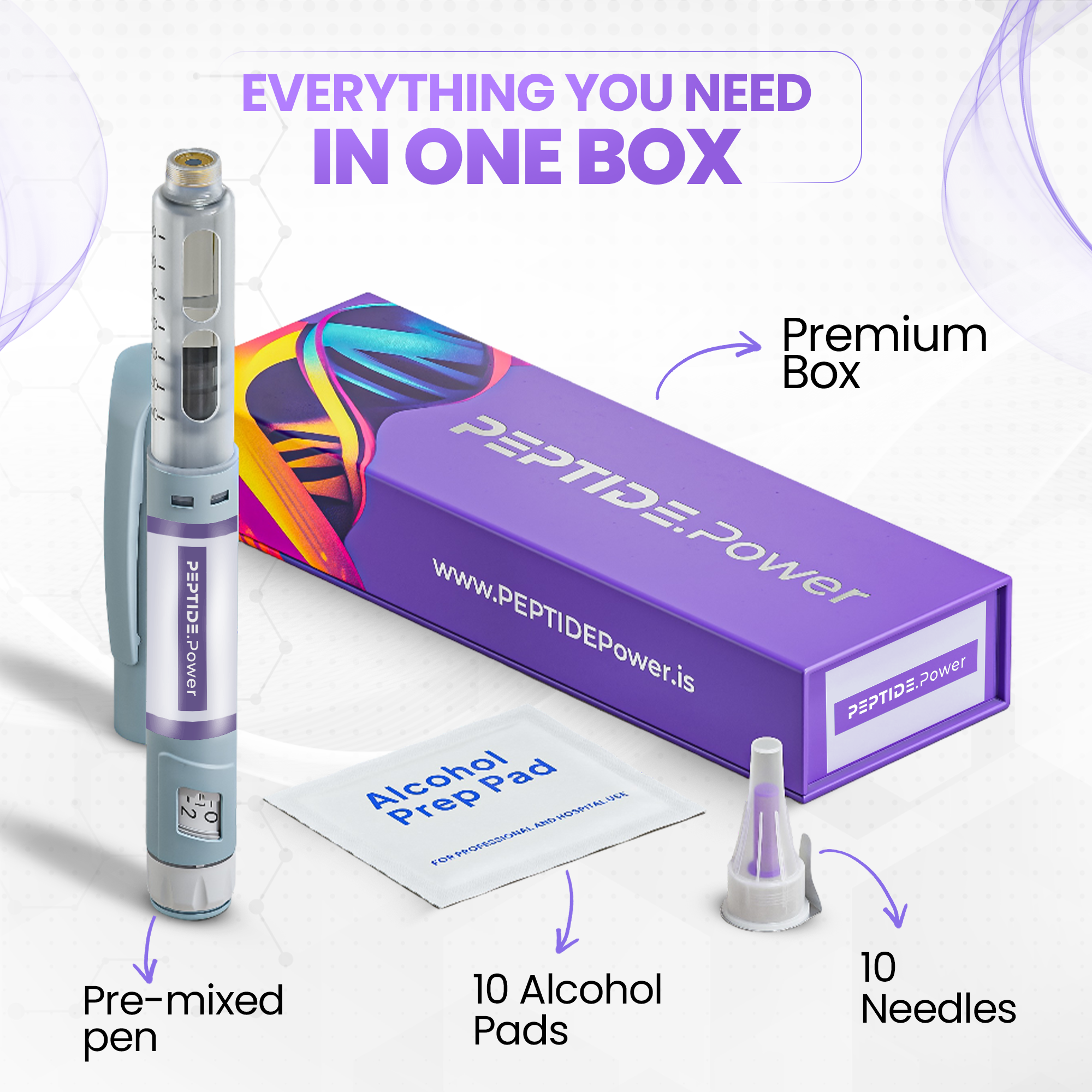
Every product arrives in a premium, custom-designed PEPTIDE.Power box, engineered for convenience, hygiene, and safe storage in your refrigerator. Inside, you will find everything needed for your full research protocol:
- 1× Disposable Pre-Mixed Injection Pen
- Powered by our proprietary PSM Technology™: precision stabilization & mixing system for consistent potency
- 10× Ultra-thin Needles (33G, 4 mm)
- 10× Alcohol Pads for sterile preparation
- Internal Stabilizing Foam Insert to prevent shaking during transport
- Instruction Panel printed on the inside of the box for quick reference
- Security Seal Sticker ensuring the package has not been opened or tampered with
Storage
Store the product in a refrigerator at 1-8°C immediately upon delivery. To maintain optimal stability, keep the pen away from light, and do not expose it to repeated temperature changes.
Once reconstituted (all our pens come pre-mixed), research compounds remain stable for 6-8 weeks under proper refrigeration.
Do not freeze after reconstitution. Always keep the box closed so the pen, needles, and alcohol pads stay clean and protected.
For best results, use the product consistently within the recommended time window and always follow your research protocol.
Delivery
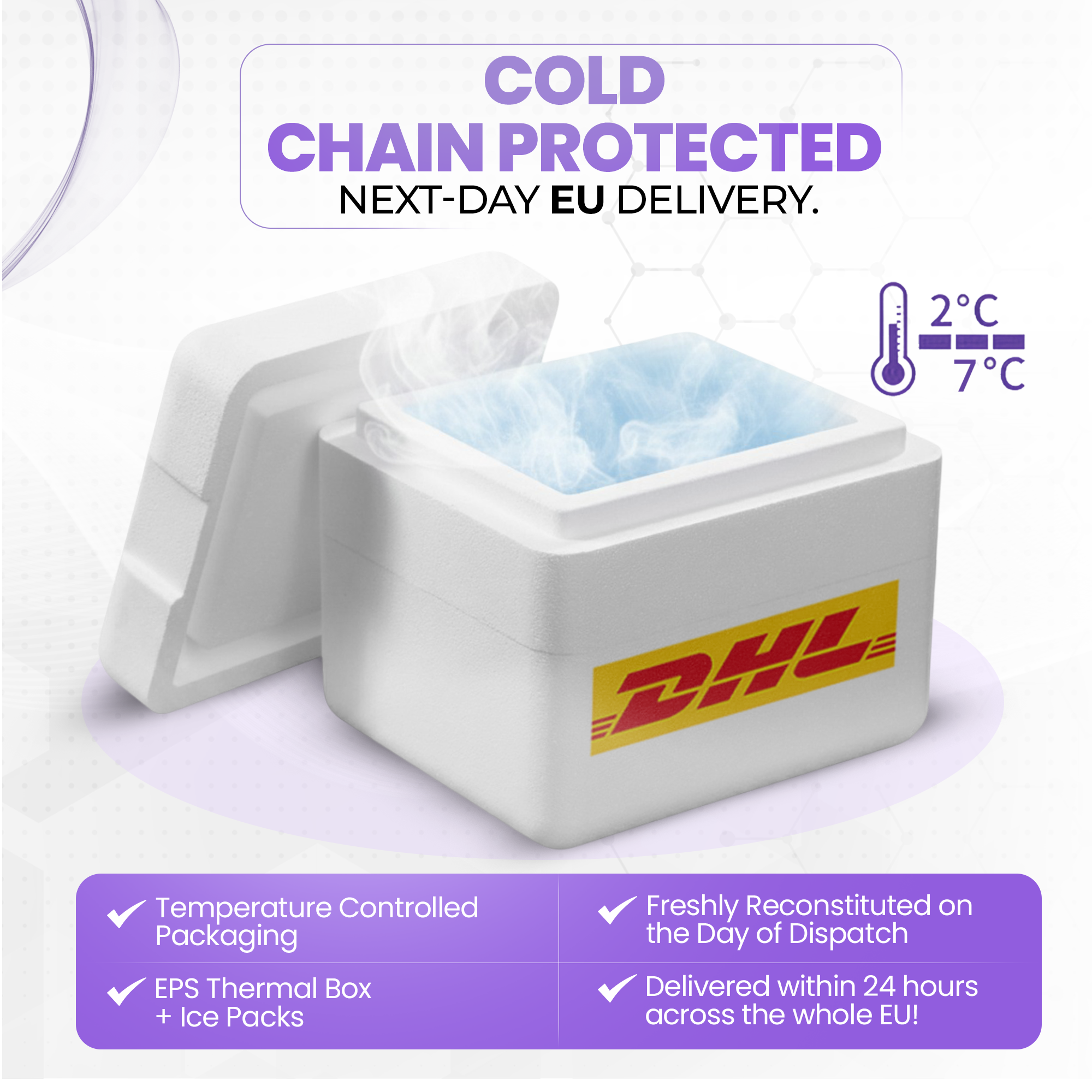
We ship with Next-Day EU Delivery via DHL Express or UPS Express.
All orders are prepared fresh on the day of dispatch, placed in EPS Cold-Chain Transport Boxes, and shipped with cooling elements to maintain a stable temperature throughout the journey.
Our logistics process is designed so the package arrives overnight, avoiding customs delays inside the European Union.
Products are shipped from our EU facility, ensuring no import duties, no customs clearance, and always fast and secure delivery.
Payment
Due to the nature of research peptides and the high-risk category assigned by payment processors, credit card companies do not generally support merchants in this field.
For this reason, we accept mainly Bank Transfers.
We also work with a crypto payment provider, and from time to time, card payments may be available depending on processor availability.
Within the European Union, SEPA transfers are fast, low-cost, and usually arrive within minutes to a few hours, making the payment process smooth and simple.
Once the transfer is received, your order is prepared immediately and dispatched the same day, depending on the daily cut-off time.
Please note that we do not dispatch shipments on Fridays or on days before official public holidays. This is done to ensure that parcels can be delivered on the next working day and are not held in transit over weekends or holidays.
This method ensures compliance, security, and continuity of service for all customers across the EU.
Didn't find the answer to your question?
View all frequently asked questionsRELATED PRODUCTS


CJC 1295 (No DAC)


CJC-1295 (No-DAC) + Ipamorelin


Kisspeptin


LL-37

