

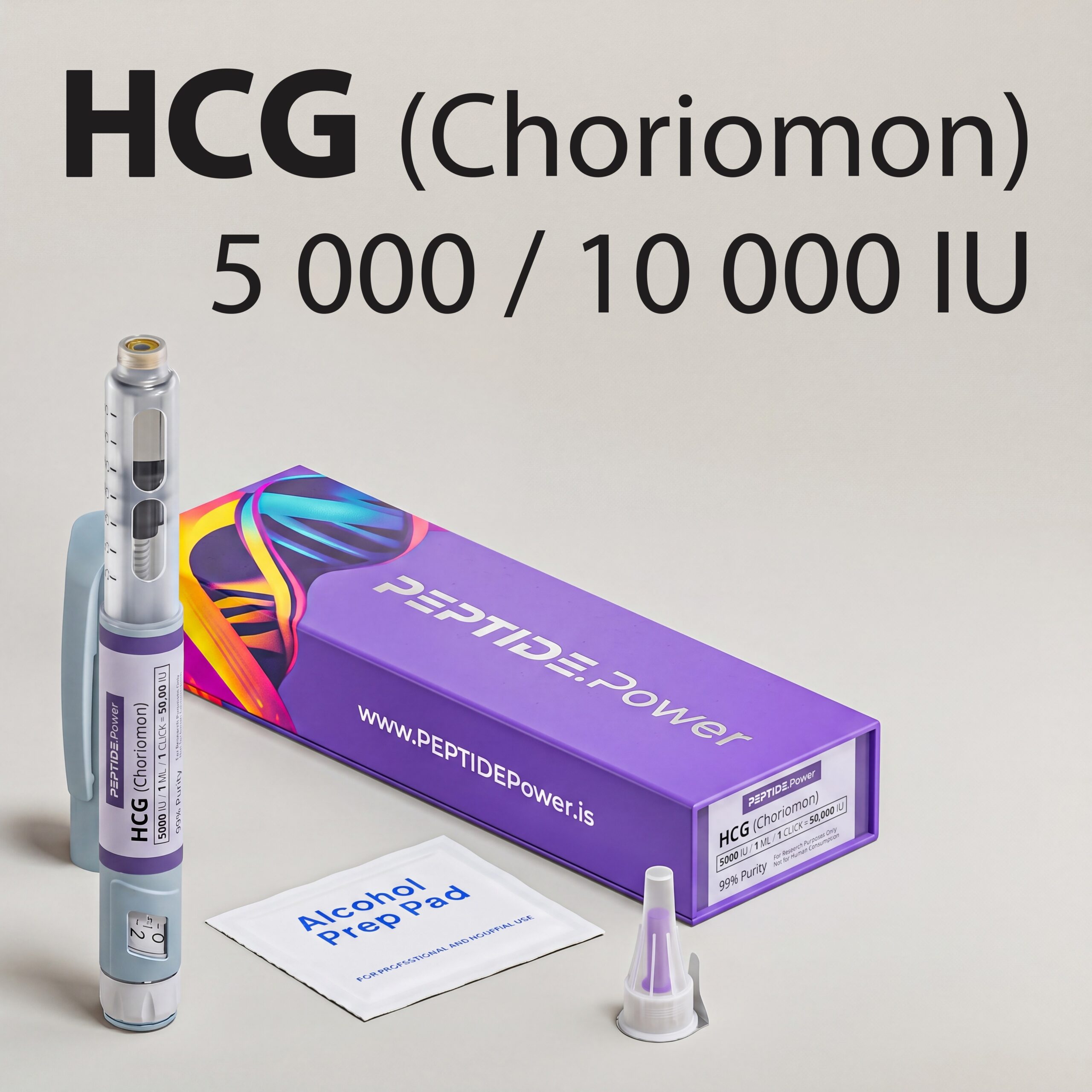


HCG (Choriomon)
HCG (Human Chorionic Gonadotropin) is a clinically significant hormonal modulator widely studied in both reproductive health and hormone optimization. Research models have observed increased testosterone, improved fertility, and support for gonadal function.
33,00 € – 62,00 €Price range: 33,00 € through 62,00 €
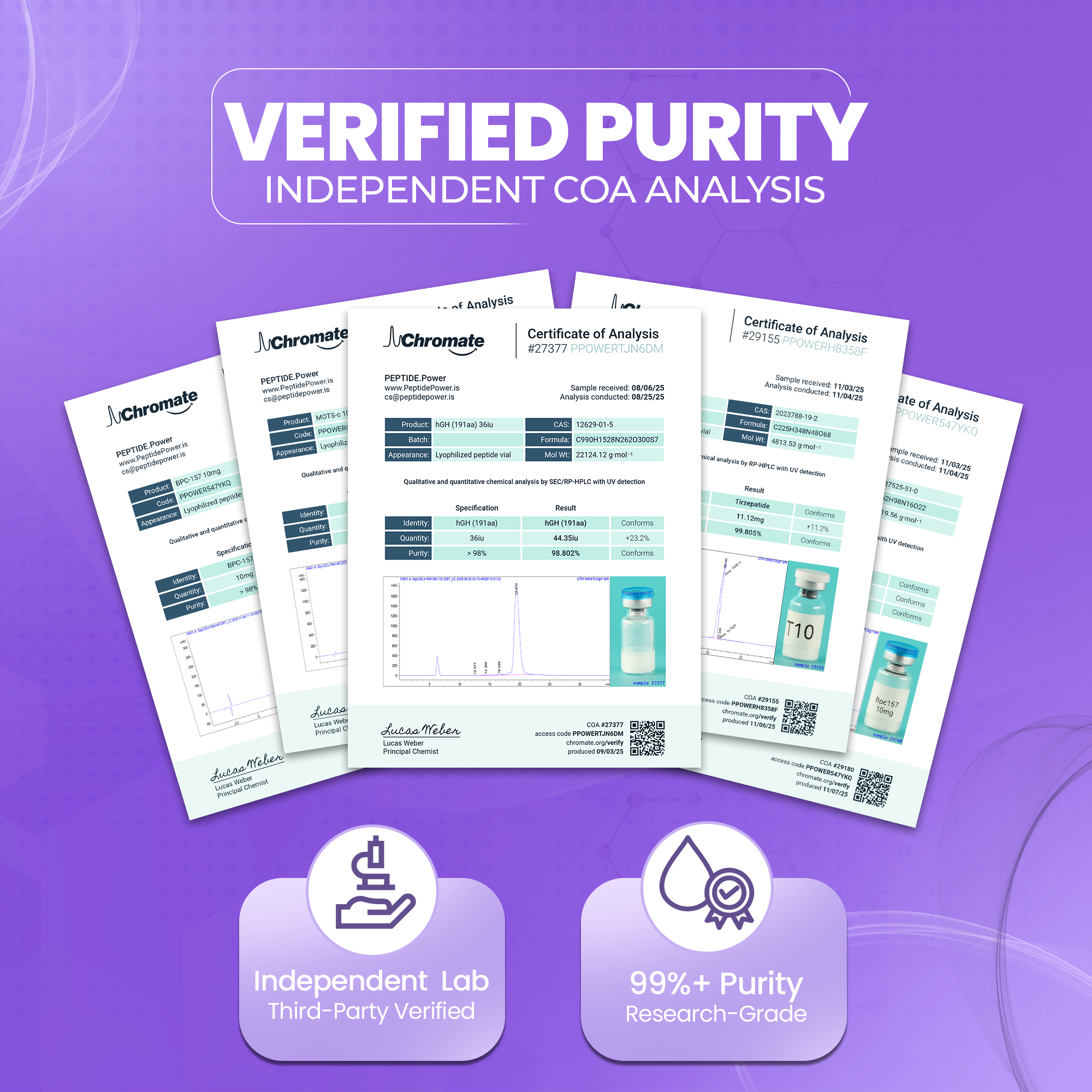
Quality Certificates
Independent third-party lab analysis (CoA) - from our own in-house brand.
HCG (Choriomon) - Hormonal Modulator & Reproductive Support
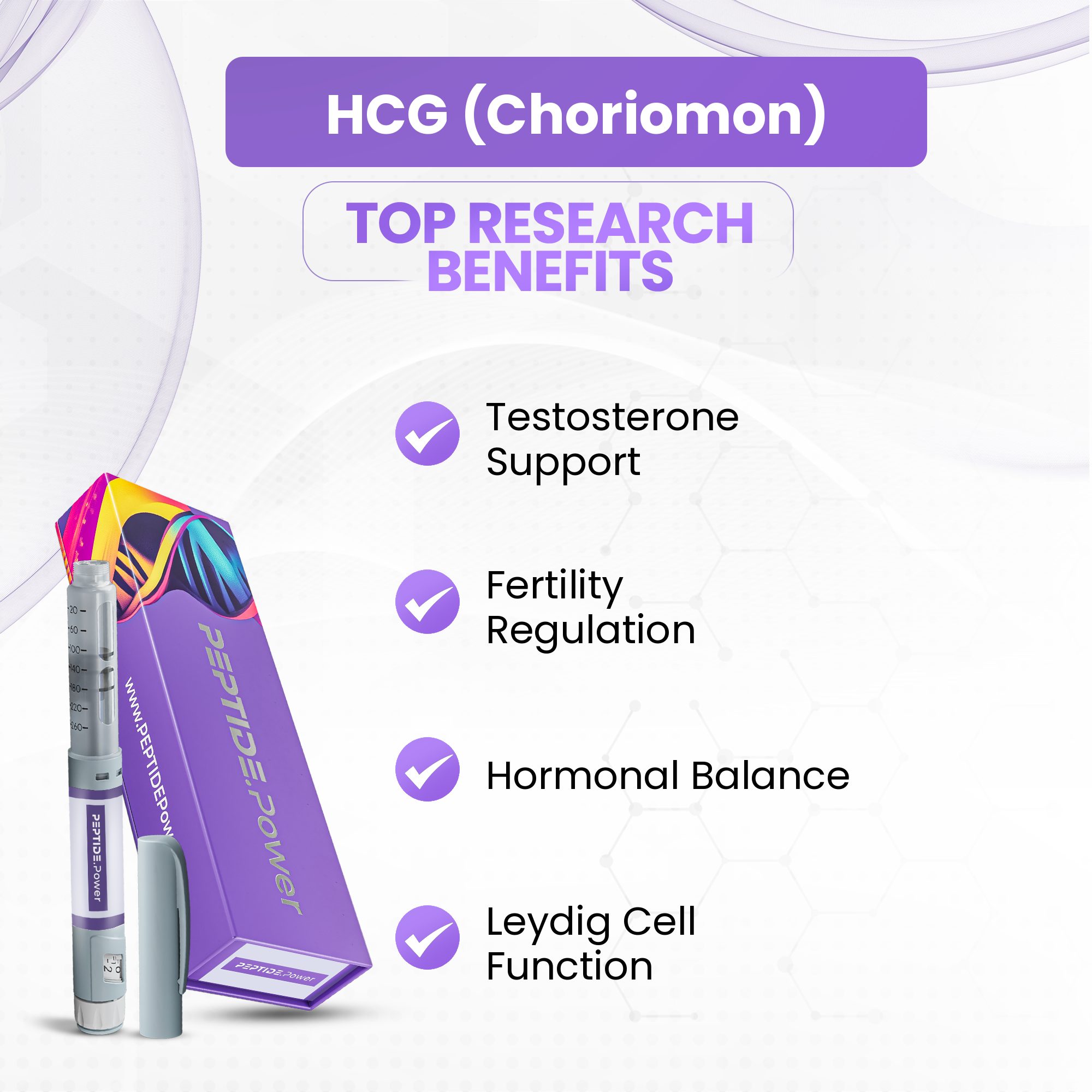
Stimulates natural testosterone synthesis via LH receptor activation
Supports spermatogenesis and ovulation research models
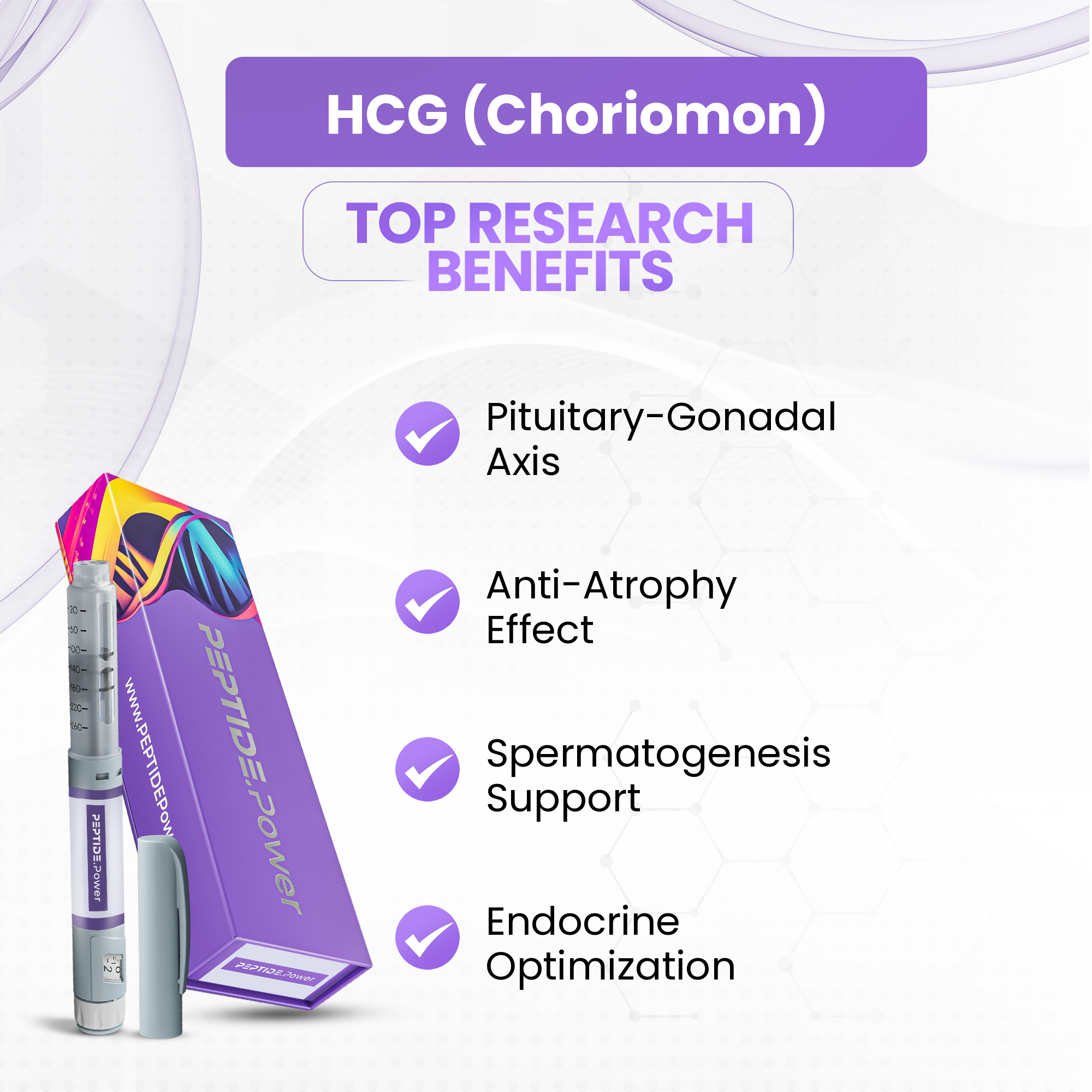
Helps maintain endocrine stability under hormone suppression
Promotes steroidogenic activity in testicular tissue
Mimics LH to activate gonadal signaling pathways
Prevents testicular shrinkage in hormone exposure studies
Stimulates Leydig cells to support sperm production and fertility
Improves hormonal response models under suppression
Description
HCG, or Human Chorionic Gonadotropin, is a naturally occurring glycoprotein hormone consisting of alpha and beta subunits, structurally similar to LH and FSH. In experimental models, it has been observed to activate LH receptors on Leydig cells in the testes, promoting the endogenous production of testosterone and supporting spermatogenic function.
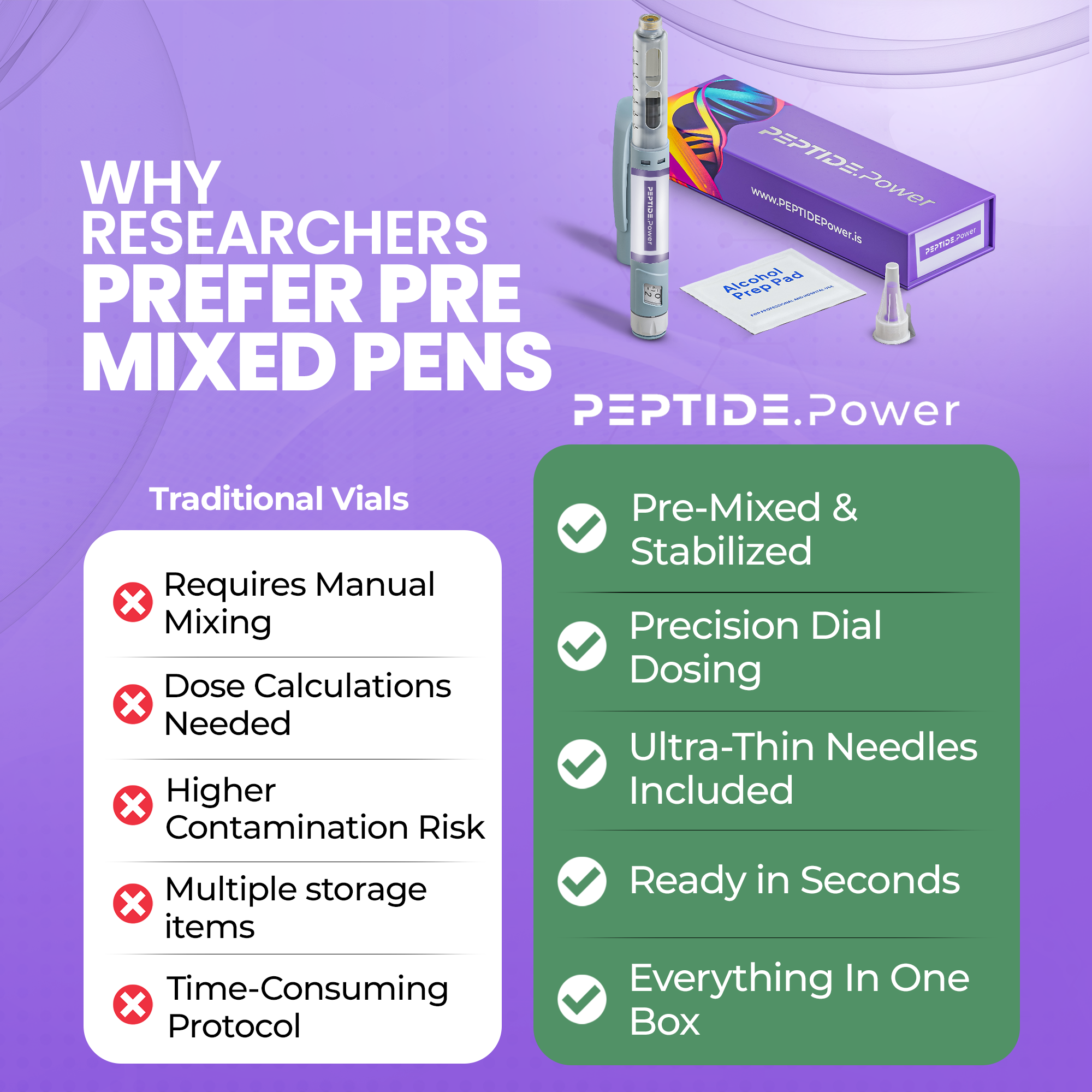
This compound is often used in research protocols examining hypogonadism, fertility restoration, and hormonal regulation, where its activity serves as a key model for studying pituitary-gonadal signaling pathways. Our formulation provides stabilized, pre-mixed injection pens designed for subcutaneous use, ensuring high bioavailability and consistent delivery during experimental procedures.
HCG is classified as a hormonal analog rather than a synthetic peptide, but it shares similar research contexts due to its regulated stimulation of endocrine pathways. It is intended solely for laboratory and research use, not for human consumption.
Clinical Status:
HCG is FDA-approved for medical indications such as male hypogonadism and female fertility treatments, but all other uses remain research-only.
Evidence type:
Human RCT ✔ | Observational ✔ | Animal ✔ | In vitro ✔ | Regulatory ✔
Mechanism of Action
In research models, HCG binds to luteinizing hormone (LH) receptors, leading to activation of adenylate cyclase and increased intracellular cyclic AMP (cAMP). This cascade promotes the conversion of cholesterol to testosterone in Leydig cells and stimulates ovulation in female reproductive models.
Additionally, HCG’s signaling contributes to maintenance of testicular function and prevention of gonadal atrophy during exogenous hormone exposure. This mechanism is frequently studied in combination with selective estrogen receptor modulators (SERMs) and GnRH analogs to explore synergistic hormonal effects.
Benefits
- Stimulation of Endogenous Testosterone Production:
HCG is widely studied for its ability to stimulate Leydig cells in the testes to produce endogenous testosterone. Acting as a mimic of luteinizing hormone (LH), it restores or maintains physiological testosterone levels during or after periods of hormonal suppression. This makes it a central peptide in research models exploring endocrine restoration and fertility optimization. - Preservation of Testicular Volume and Function:
In experimental contexts where exogenous testosterone or anabolic agents suppress natural gonadal activity, HCG has been shown to preserve testicular size and spermatogenic function. Its LH-like activity supports both testosterone and intratesticular androgen synthesis, protecting fertility markers and overall gonadal health during hormonal intervention studies. - Enhanced Spermatogenesis and Fertility Support:
HCG promotes spermatogenic recovery by stimulating testicular testosterone production essential for sperm development. In research models, it has been associated with improved sperm count, motility, and quality, particularly when combined with FSH analogs, making it a primary focus in experimental fertility restoration protocols. - Support for Post-Cycle Hormonal Recovery:
HCG is often investigated for its potential to reactivate natural hormone production after suppression by exogenous compounds. It helps re-establish the hypothalamic-pituitary-gonadal (HPG) axis by maintaining luteinizing activity and reducing the risk of prolonged hypogonadism in research examining hormonal rebalancing strategies. - Improved Libido and Sexual Function:
Experimental studies indicate that HCG administration may enhance sexual behavior and libido through its testosterone-mediated effects on central nervous system pathways. These findings are consistent with its role in maintaining androgen balance and restoring sexual function in models of hormonal suppression. - Stimulation of Estrogen Balance in Males:
By increasing endogenous testosterone, HCG indirectly supports physiological estrogen synthesis through aromatization, maintaining hormonal balance important for mood, cardiovascular health, and bone density. This dual androgen-estrogen modulation is often observed in experimental endocrine studies evaluating long-term hormonal stability. - Promotion of Lipid and Metabolic Health:
In metabolic research, HCG has been associated with improved lipid profiles and insulin sensitivity. It supports the mobilization of fat stores through increased androgenic activity, contributing to studies exploring body recomposition, weight control, and energy metabolism. - Preservation of Muscle Mass During Weight Reduction:
HCG has been observed to preserve lean muscle tissue during calorie-restricted experimental conditions by maintaining anabolic hormonal levels. This effect supports ongoing energy metabolism while promoting preferential utilization of stored fat for energy, aligning with its role in controlled body composition research models. - Potential Neuroprotective and Mood-Regulating Effects:
Emerging evidence suggests that HCG influences neurosteroid synthesis, particularly pregnenolone and progesterone, contributing to improved mood, cognitive balance, and neuroprotection. These properties are under exploration in studies examining hormonal modulation and brain function interconnectivity. - Synergy with Other Peptides in Endocrine Recovery:
HCG is frequently combined in research with peptides such as Kisspeptin or FSH analogs to enhance reproductive hormone signaling and testicular responsiveness. This synergistic design aims to simulate physiological hormonal cascades for complete restoration of reproductive and endocrine balance in advanced research protocols.
Research Data
| Study/model | Reported effect |
| Human clinical trials (male hypogonadism) | ↑ Testosterone levels via LH receptor activation |
| Infertility treatment models | Stimulated spermatogenesis and sperm motility |
| Animal reproductive studies | ↑ Leydig cell size and function, enhanced steroidogenesis |
| Combined HCG + SERM protocols | Improved gonadal responsiveness and hormonal recovery |
| Pituitary suppression models | Maintained intratesticular testosterone and testicular volume |
| Ovulation induction models (female) | Triggered follicular maturation and corpus luteum formation |
| Endocrine regulation studies | Modulated hypothalamic-pituitary-gonadal feedback |
| In vitro cell models | Activated cAMP pathway leading to increased steroid production |
Stack Suggestions
HCG is often combined with:
- Clomiphene / Enclomiphene → synergistic stimulation of gonadotropins
- Kisspeptin-10 → enhanced hypothalamic GnRH signaling
- GHK-Cu or NAD+ → to study recovery and cellular regeneration
- Tesamorelin → when modeling comprehensive hormonal optimization
Stacks discussed are for experimental design; not safety or efficacy guidance.
Pen Dosage Chart
| HCG (Choriomon) 5000 IU | |
| Volume | 1.0 mL |
| IU/mL | 5000 IU/mL |
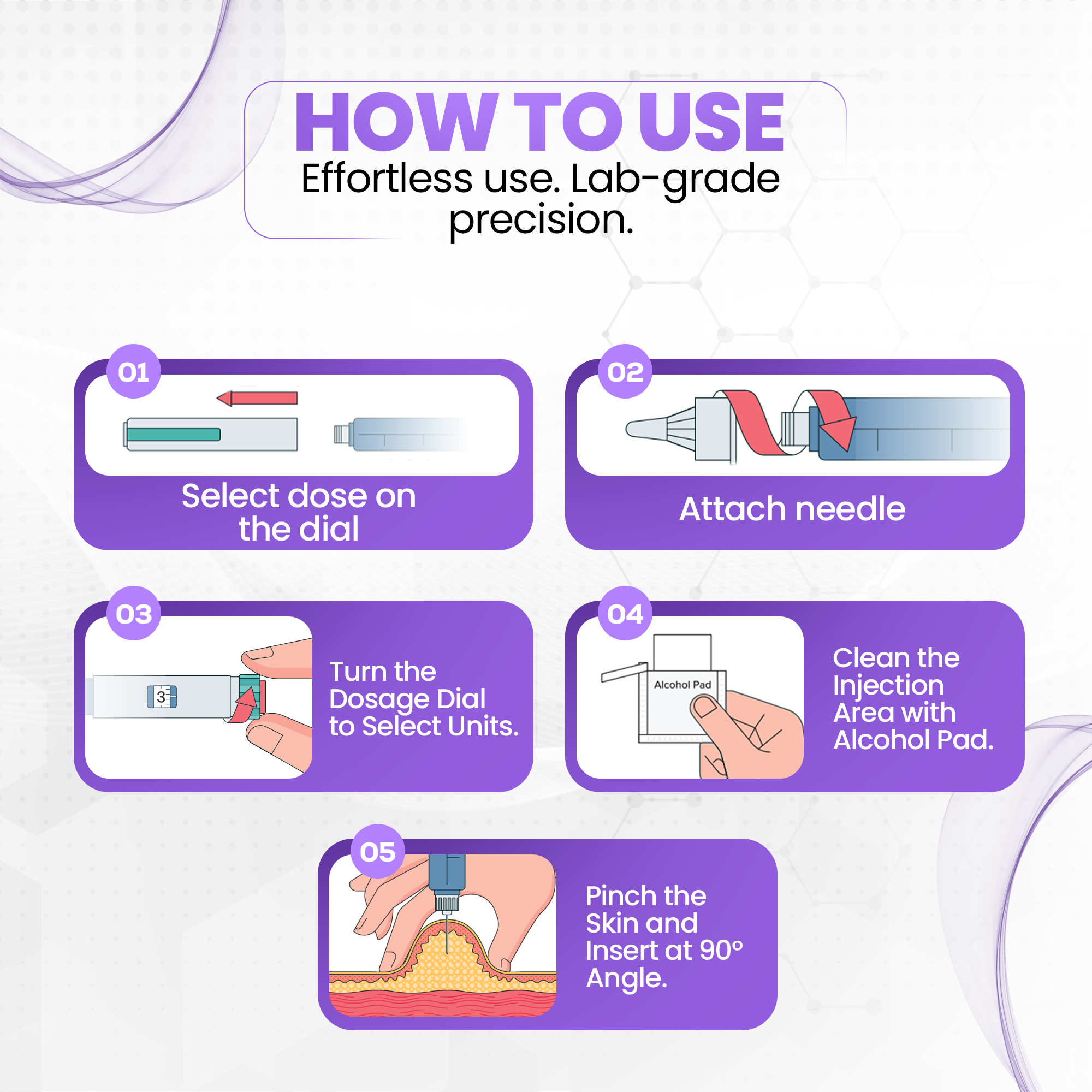
| Click-to-Dose | 1 click = 50 IU |
| Example(s) | 10 clicks = 500 IU; 50 clicks = 2500 IU |
| HCG (Choriomon) 10000 IU | |
| Volume | 2.0 mL |
| IU/mL | 5000 IU/mL |
| Click-to-Dose | 1 click = 50 IU |
| Example(s) | 10 clicks = 500 IU; 50 clicks = 2500 IU |
Dosage & Protocols Variations
Standard Research Protocol
- Dose: 250 – 500 IU (= 5-10 clicks)
- Duration: 8 – 12 weeks
- Frequency: 2× weekly
- Cycle Interval: 4-week rest
- Goal / Description: Typical dose range for hormonal regulation models
Recovery Support
- Dose: 500 – 1000 IU (= 10-20 clicks)
- Duration: 6 – 10 weeks
- Frequency: 3× weekly
- Cycle Interval: 8-week rest
- Goal / Description: Used in studies of endocrine restoration after suppression
Biohacker Protocol
- Dose: 250 IU (= 5 clicks)
- Duration: Continuous
- Frequency: Every Other Day
- Cycle Interval: 4-week rest
- Goal / Description: Observed in optimization models to maintain endogenous production
Fertility Research Protocol
- Dose: 1000 – 2000 IU (= 20-40 clicks)
- Duration: 8 – 12 weeks
- Frequency: 2× weekly
- Cycle Interval: 8-week rest
- Goal / Description: Used in reproductive studies for ovulation and spermatogenesis stimulation.
Possible Side Effects
HCG, as a research hormone mimicking LH, may induce side effects in experimental models, primarily endocrine and injection-related. These are dose-dependent and more evident at higher levels or rapid administration. Monitoring is key, especially for gonadal responses.
Injection Site Reactions: Pain, redness, or swelling at the site, typically resolving quickly. Rotating sites helps.
Headache: Mild to moderate, linked to vascular changes or hormone fluctuations.
Fatigue or Irritability: Transient mood shifts or lethargy, possibly from testosterone spikes.
Gynecomastia-like Effects: In male models, estrogen conversion may cause tissue swelling.
Nausea: Occasional gastrointestinal upset, especially at high doses.
Agitation: Restlessness or anxiety in some setups.
Most side effects are mild and resolve with dose adjustment. Vigilance for ovarian hyperstimulation in female models or water retention in prolonged studies.
Product Attributes
- CAS #: 9002-61-3
- Molecular Formula: C1105H1770N318O336S26
- Sequence (AA): Glycoprotein hormone (α and β subunits)
- Molecular Weight: ~36,700 g/mol
- Half-Life: 24 – 36 hours
- Synonyms: Human Chorionic Gonadotropin, Choriomon, Pregnyl, Ovitrelle, Choriogonin, Choriomin
- Type: Natural glycoprotein hormone
- Research Focus: Libido & Reproduction
Scientific References
- Physiology, chorionic gonadotropin Human RCT
- Human chorionic gonadotropin Observational
- Human chorionic gonadotropin and related peptides Animal
- Biological functions of hCG and hCG-related molecules In vitro
- Chorionic gonadotropin (human) Human RCT
- Research progress on the impact of human chorionic gonadotropin Animal
- Effects of hCG on DA neuronal death of Parkinson’s disease Animal
- In vitro effect of hCG on cryptorchid patients’ gubernacular cells In vitro
- Efficacy of low-dose human chorionic gonadotropin (hCG) Human RCT
- Low-dose human chorionic gonadotropin maintains intratesticular testosterone Human RCT
Included In The Box
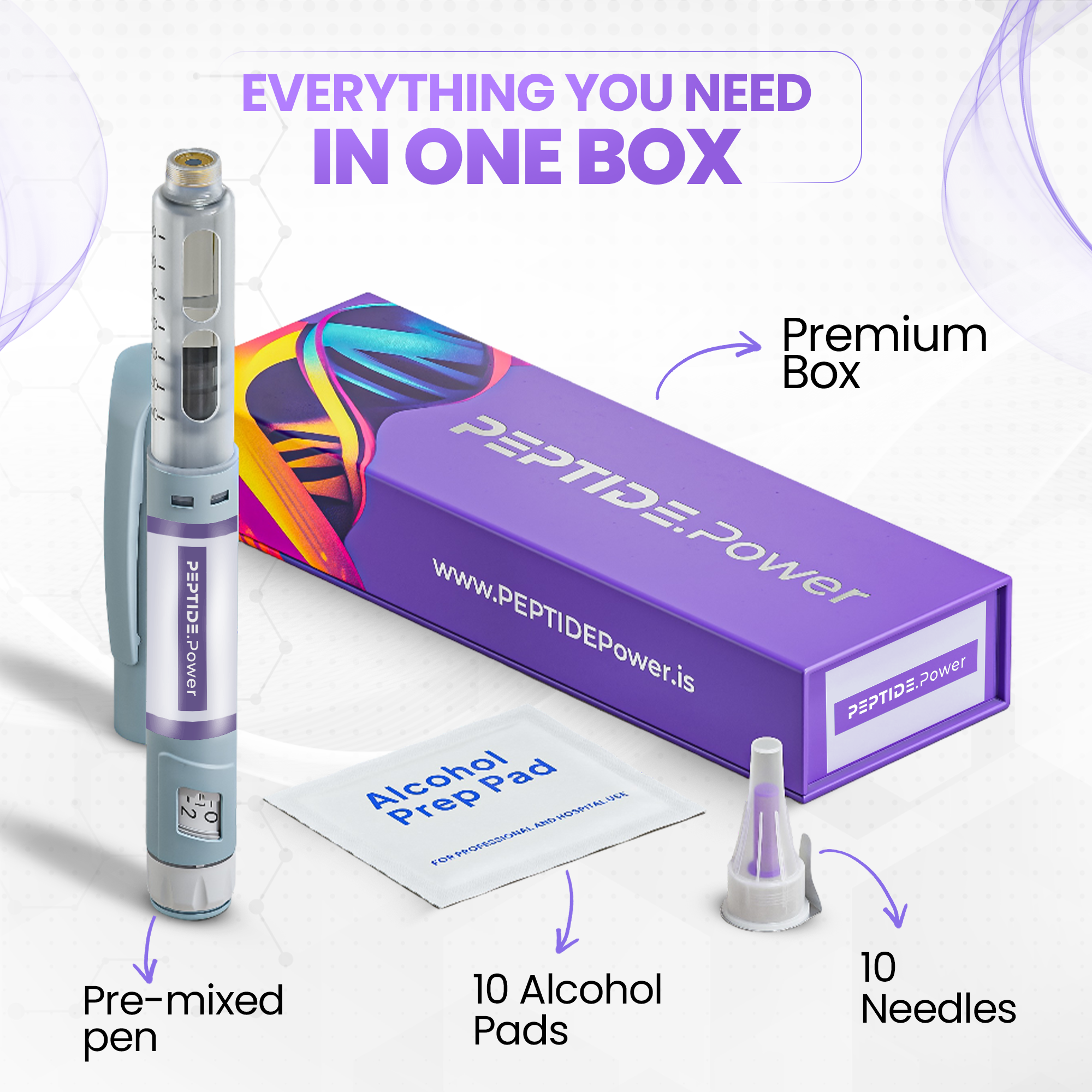
Every product arrives in a premium, custom-designed PEPTIDE.Power box, engineered for convenience, hygiene, and safe storage in your refrigerator. Inside, you will find everything needed for your full research protocol:
- 1× Disposable Pre-Mixed Injection Pen
- Powered by our proprietary PSM Technology™: precision stabilization & mixing system for consistent potency
- 10× Ultra-thin Needles (33G, 4 mm)
- 10× Alcohol Pads for sterile preparation
- Internal Stabilizing Foam Insert to prevent shaking during transport
- Instruction Panel printed on the inside of the box for quick reference
- Security Seal Sticker ensuring the package has not been opened or tampered with
Storage
Store the product in a refrigerator at 1-8°C immediately upon delivery. To maintain optimal stability, keep the pen away from light, and do not expose it to repeated temperature changes.
Once reconstituted (all our pens come pre-mixed), research compounds remain stable for 6-8 weeks under proper refrigeration.
Do not freeze after reconstitution. Always keep the box closed so the pen, needles, and alcohol pads stay clean and protected.
For best results, use the product consistently within the recommended time window and always follow your research protocol.
Delivery
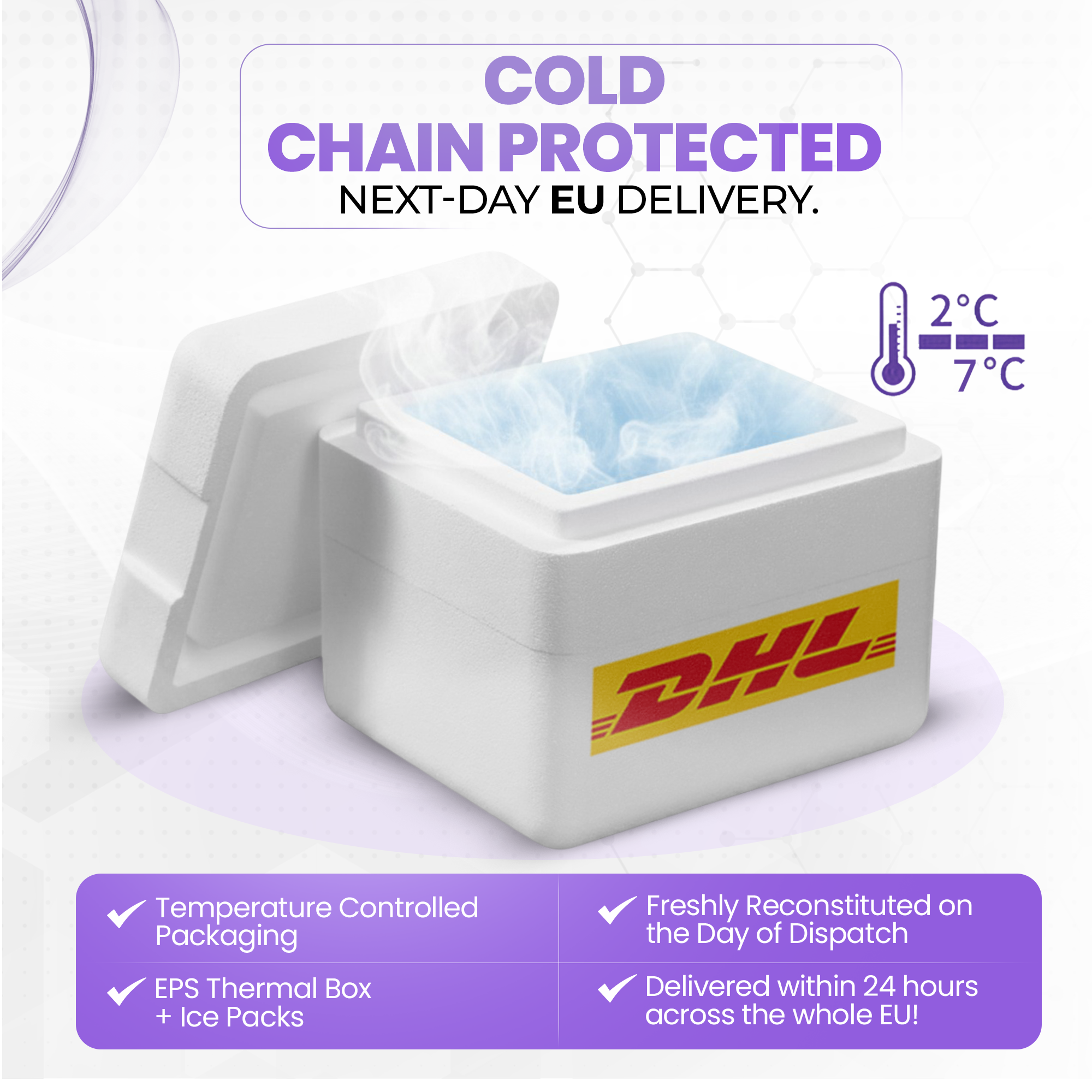
We ship with Next-Day EU Delivery via DHL Express or UPS Express.
All orders are prepared fresh on the day of dispatch, placed in EPS Cold-Chain Transport Boxes, and shipped with cooling elements to maintain a stable temperature throughout the journey.
Our logistics process is designed so the package arrives overnight, avoiding customs delays inside the European Union.
Products are shipped from our EU facility, ensuring no import duties, no customs clearance, and always fast and secure delivery.
Payment
Due to the nature of research peptides and the high-risk category assigned by payment processors, credit card companies do not generally support merchants in this field.
For this reason, we accept mainly Bank Transfers.
We also work with a crypto payment provider, and from time to time, card payments may be available depending on processor availability.
Within the European Union, SEPA transfers are fast, low-cost, and usually arrive within minutes to a few hours, making the payment process smooth and simple.
Once the transfer is received, your order is prepared immediately and dispatched the same day, depending on the daily cut-off time.
Please note that we do not dispatch shipments on Fridays or on days before official public holidays. This is done to ensure that parcels can be delivered on the next working day and are not held in transit over weekends or holidays.
This method ensures compliance, security, and continuity of service for all customers across the EU.
Didn't find the answer to your question?
View all frequently asked questionsRELATED PRODUCTS


DSIP


GHRP-2


Ipamorelin


MOTS-c

