



Sermorelin
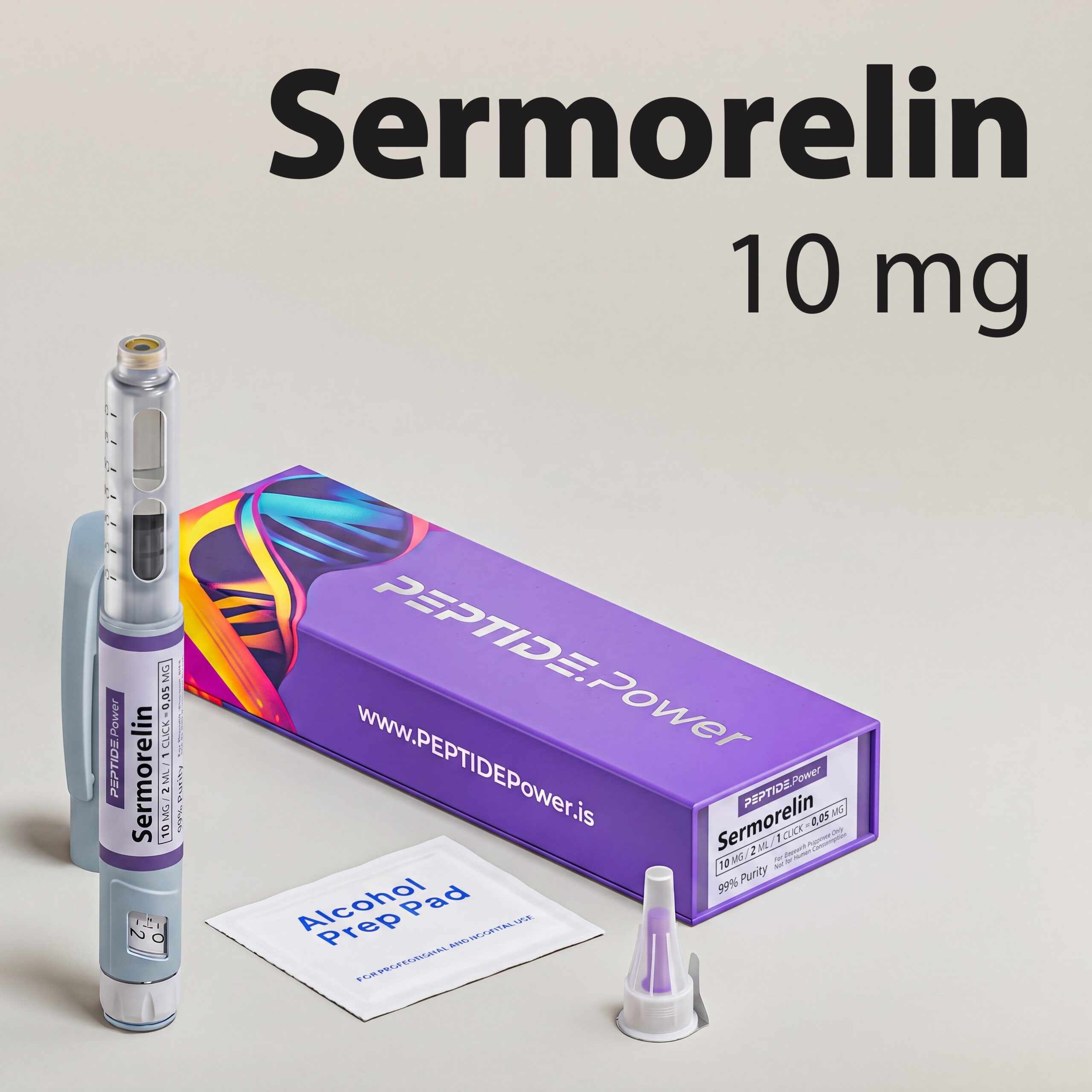
Sermorelin is a synthetic analog of Growth Hormone Releasing Hormone (GHRH) studied for its role in stimulating endogenous growth hormone signaling. In clinical research, it has been observed to increase pulsatile GH release and influence IGF-1 levels. Administered subcutaneously, it supports physiological growth hormone pathway activation in experimental models. Formulated in a stabilized pre-mixed injection pen for research use only.
177,00 €
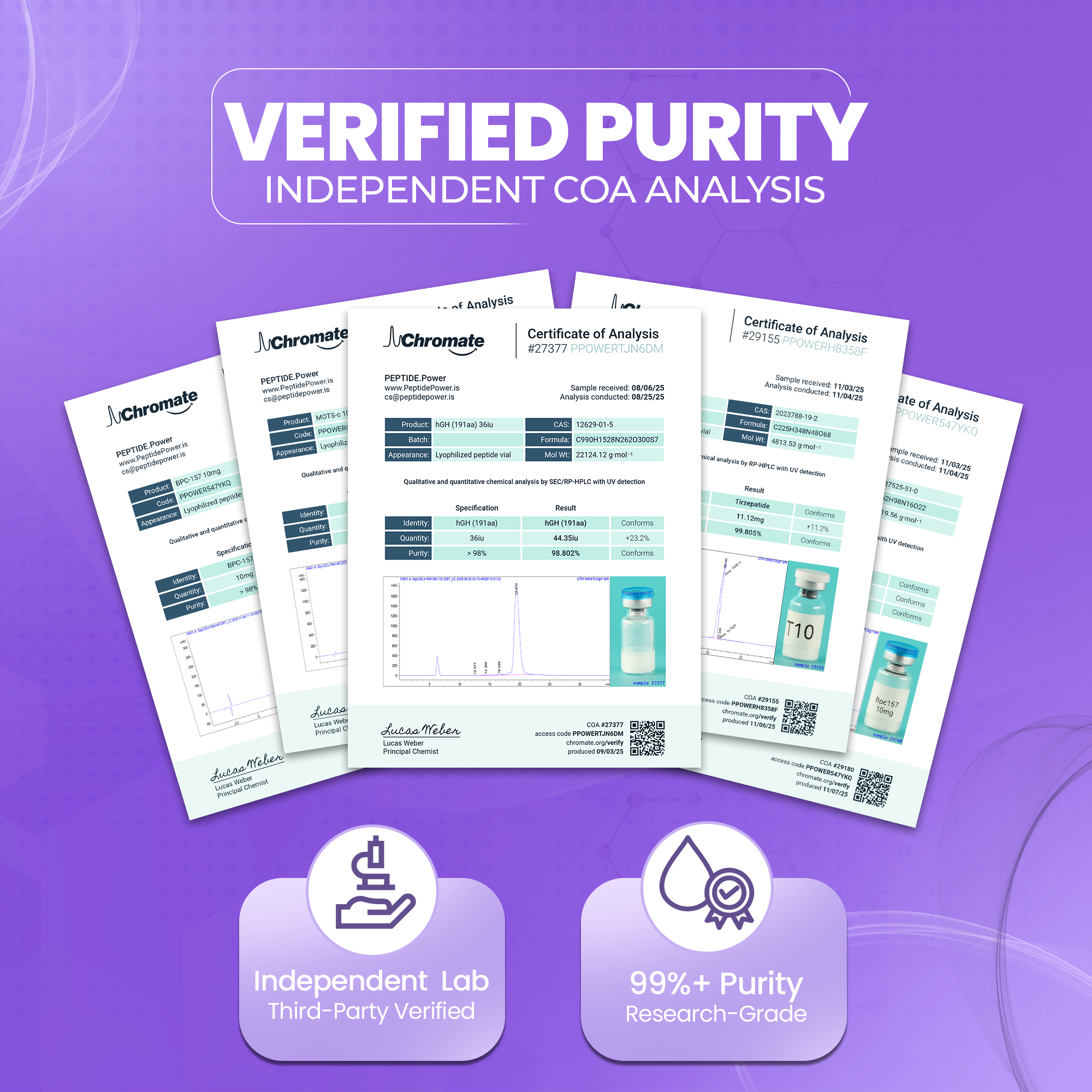
Quality Certificates
Independent third-party lab analysis (CoA) - from our own in-house brand.
Sermorelin - Growth Hormone Signaling Support
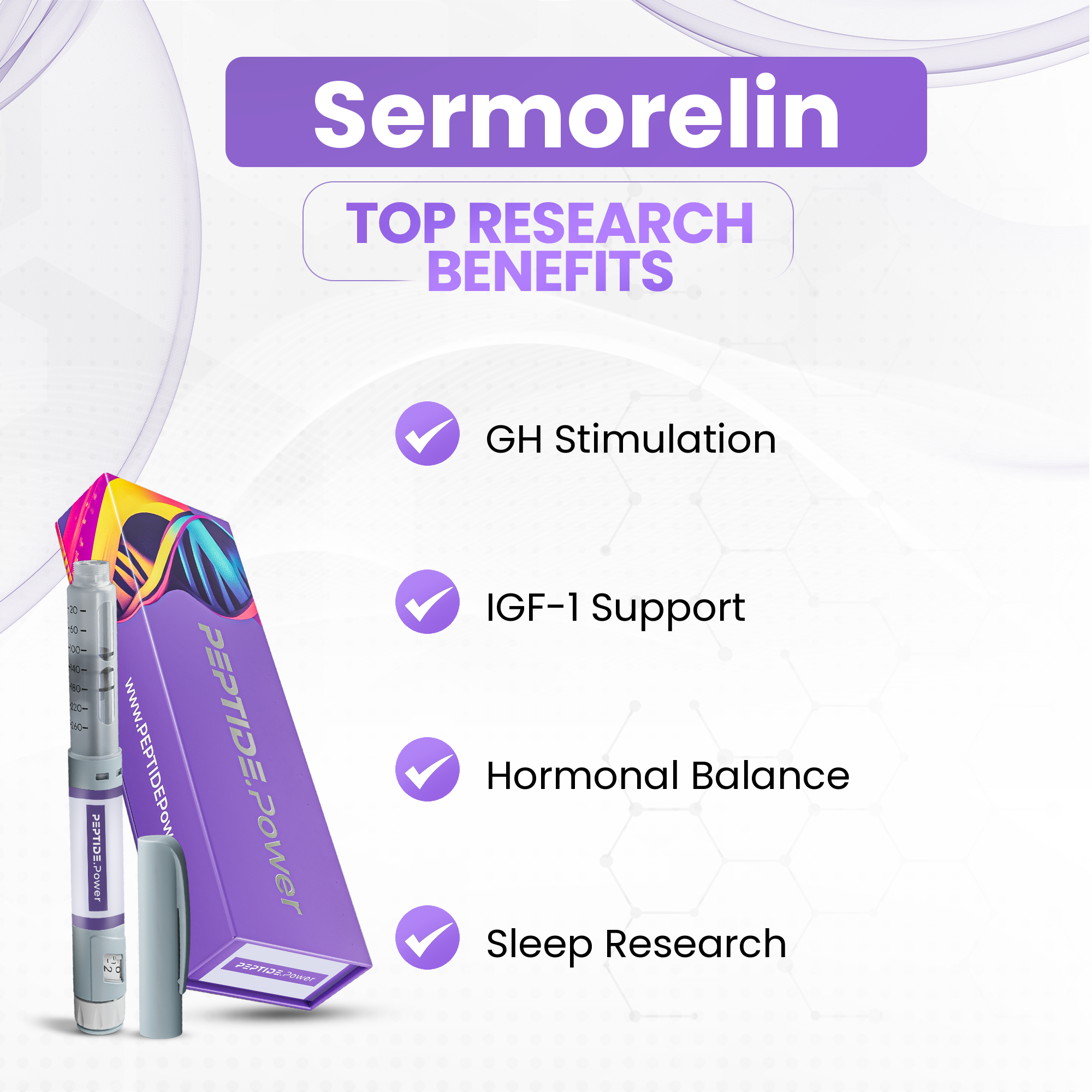
Promotes natural growth hormone release
Supports downstream IGF-1 signaling
Preserves physiological feedback loops
Studied in nocturnal GH pulse models
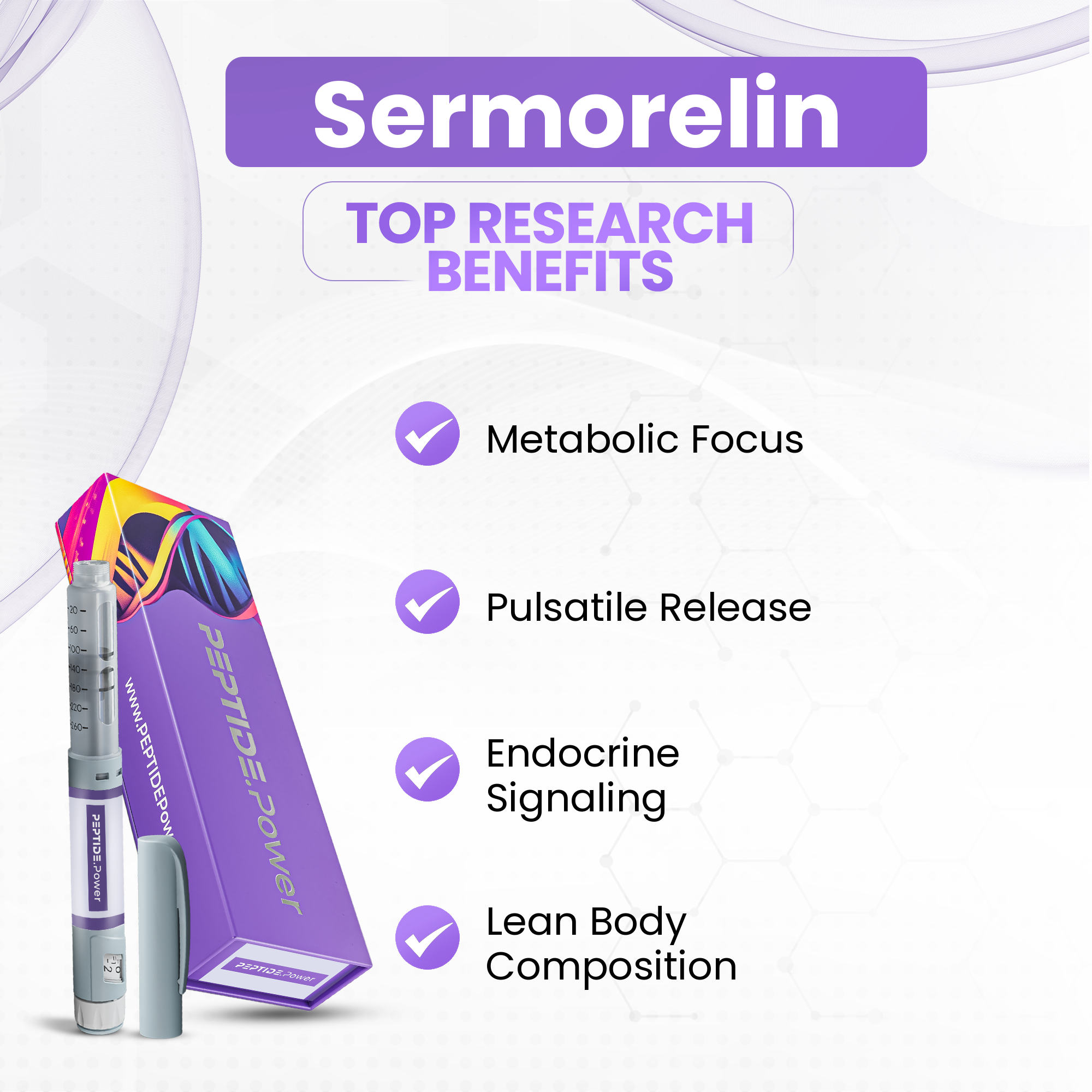
Evaluated in body composition research
Mimics natural GH secretion pattern
Targets hypothalamic-pituitary axis
May support lean mass and reduced adiposity via GH pathways
Description
Sermorelin is a synthetic GHRH (1-29) analog developed to stimulate the natural release of growth hormone from the anterior pituitary gland. It belongs to the class of hypothalamic peptide analogs and is primarily studied in endocrinology, metabolic research, and aging-related hormone signaling models. Unlike exogenous growth hormone, Sermorelin acts upstream by promoting physiological pulsatile GH secretion. In research settings, it has been observed to increase circulating IGF-1 levels in a dose-dependent manner.
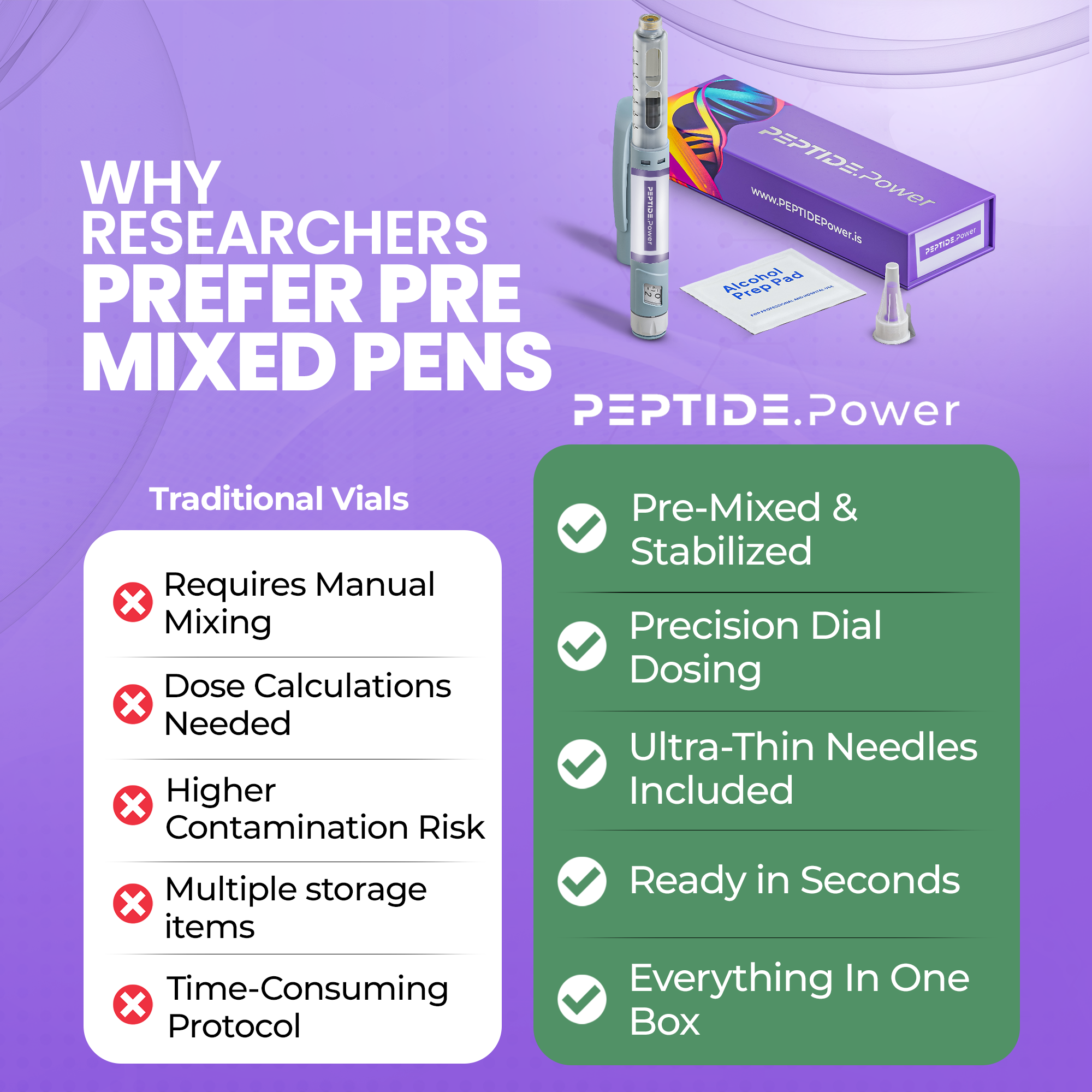
Our formulation is provided in a stabilized pre-mixed injection pen for SubQ administration. Subcutaneous delivery supports consistent systemic exposure and reliable absorption in experimental protocols. Each unit is freshly prepared to ensure peptide integrity and standardized dosing. This format removes the need for multi-step vial reconstitution and simplifies laboratory handling. The product is formulated strictly for research use only.
In clinical and preclinical research, Sermorelin has been shown to bind GHRH receptors in the pituitary → ↑ endogenous GH secretion. This results in secondary ↑ IGF-1 production via hepatic signaling pathways. Studies indicate preservation of physiological feedback mechanisms, differentiating it from direct GH administration. Research domains include body composition models, metabolic regulation studies, and sleep-associated GH pulse investigations.
Clinical Status
Human RCT ✔ | Observational ✔ | Animal ✔ | In vitro ✔
Previously approved and clinically used for growth hormone diagnostic and therapeutic research purposes.
Mechanism of Action
Sermorelin stimulates the body’s natural growth hormone release by activating GHRH receptors in the pituitary gland. This leads to pulsatile ↑ growth hormone secretion rather than constant external hormone exposure. Research shows secondary ↑ IGF-1 production through hepatic pathways. The preservation of feedback loops helps maintain physiological regulation. These mechanisms support its role in endocrine signaling research models.
Benefits
- Physiological Growth Hormone Stimulation:
Sermorelin has been studied for its ability to stimulate endogenous growth hormone secretion through activation of GHRH receptors in the anterior pituitary. Clinical trials demonstrate ↑ pulsatile GH release following administration. Unlike direct growth hormone administration, Sermorelin works upstream in the endocrine cascade. This preserves the body’s intrinsic regulatory rhythm. Research indicates that GH secretion remains subject to normal negative feedback via somatostatin. The preservation of physiological cycling is considered a key differentiator in endocrine research contexts. Evidence type: Human RCT ✔ | Observational ✔. - Secondary Increase In IGF-1 Levels:
Clinical research shows dose-dependent ↑ circulating IGF-1 levels following Sermorelin administration. This effect occurs via hepatic stimulation secondary to endogenous GH release. IGF-1 serves as the principal mediator of many growth hormone biological effects. Studies report measurable increases within physiological reference ranges rather than supraphysiological spikes. This regulated response supports its use in controlled endocrine signaling research models. Evidence includes randomized controlled trials and observational human data. - Preservation Of Hypothalamic-Pituitary Feedback Mechanisms:
Sermorelin maintains normal endocrine feedback loops by stimulating natural GH release instead of replacing it. Research indicates that somatostatin-mediated inhibition remains intact. This allows continued physiological regulation of growth hormone pulses. In comparative models, this mechanism differs significantly from exogenous GH therapy. Studies suggest reduced risk of axis suppression in controlled research settings. The preservation of endocrine balance is central to its mechanistic profile. - Support For Lean Mass And Body Composition Research:
Sermorelin has been evaluated in body composition studies where endogenous GH stimulation was associated with improved lean mass markers. Clinical research demonstrates modest reductions in adipose tissue parameters in certain populations. These changes are secondary to growth hormone and IGF-1 modulation. Research domains include metabolic regulation and aging-related endocrine decline models. Data remain within controlled clinical and research contexts. - Metabolic Signaling And Lipid Regulation Models:
Growth hormone influences lipid metabolism and substrate utilization. Sermorelin-induced GH release has been associated with changes in lipid metabolism markers in human studies. Research indicates potential ↑ lipolytic signaling under controlled conditions. Improved metabolic flexibility has been explored in endocrine aging models. These findings remain within clinical research frameworks. - Nocturnal GH Pulse Enhancement:
Growth hormone secretion occurs primarily during deep sleep cycles. Sermorelin has been studied in sleep-associated GH pulse models where enhanced amplitude of nighttime secretion was observed. Clinical research suggests alignment with natural circadian endocrine rhythms. This effect has been measured through serial GH sampling protocols. Preservation of physiological sleep-linked GH dynamics supports its use in research on age-related hormonal decline. - Upstream Endocrine Axis Activation:
By acting on GHRH receptors, Sermorelin engages the hypothalamic-pituitary axis directly. This upstream stimulation supports coordinated endocrine signaling rather than downstream hormone replacement. Research suggests improved hormonal synchronization within experimental models. This mechanism provides a more physiological approach to GH pathway activation in research settings. - Reduced Risk Of Hormonal Desensitization In Research Models:
Because Sermorelin stimulates pulsatile GH release rather than maintaining sustained elevation, receptor desensitization may be less pronounced in experimental settings. Studies comparing continuous hormone exposure with pulsatile stimulation highlight differences in receptor responsiveness. Maintenance of physiological pulse patterns is central to this distinction. Evidence remains within human endocrine research and comparative mechanistic analysis. - Potential Influence On Recovery And Tissue Remodeling Pathways:
Endogenous GH and IGF-1 signaling are involved in tissue remodeling pathways. Sermorelin-induced stimulation of these pathways has been evaluated in controlled research contexts. Studies suggest indirect support for protein synthesis signaling cascades. These effects remain secondary to natural GH release and are regulated within physiological limits. - High Bioavailability Through Subcutaneous Administration:
Provided in a stabilized pre-mixed injection pen for SubQ administration, supporting consistent systemic exposure in research protocols. Subcutaneous delivery ensures reliable absorption without multi-step reconstitution procedures. Each unit is freshly prepared to maintain peptide stability. The product is formulated strictly for research use only and intended for controlled laboratory environments.
Research Data
| Study / Model | Reported effect |
|---|---|
| GH-deficient pediatric cohort | ↑ pulsatile GH release; ↑ IGF-1 levels; improved linear growth velocity |
| Aging adult observational studies | Restored GH pulse amplitude; ↑ lean mass and ↓ visceral adiposity |
| Rat pituitary cell cultures | Dose-dependent GH secretion via GHRH receptor activation |
| Healthy adult crossover trials | ↑ slow-wave sleep duration; improved sleep architecture markers |
| Hypothalamic-pituitary axis models | Preserved negative feedback regulation; no receptor desensitization |
| Metabolic research in older adults | ↑ IGF-1, improved body composition, modest lipid profile changes |
| Post-surgical recovery models | Enhanced nitrogen retention and tissue repair markers |
Stack Suggestions
Sermorelin is often combined in research with:
- Sermorelin + Ipamorelin → Dual pathway GH stimulation through GHRH and ghrelin receptor activation.
- Sermorelin + CJC-1295 → Extended GHRH signaling for sustained pulsatile GH release in research models.
- Sermorelin + BPC-157 → Combines endocrine modulation with tissue repair and recovery pathways.
- Sermorelin + Tesamorelin → Investigated for complementary GHRH analog effects on metabolic and body composition markers.
⚠ Stacks are for experimental design only; not safety or efficacy guidance.
Pen Dosage Chart
| Sermorelin Pen 10 mg | |
|---|---|
| Volume | 2 mL |
| mg/mL | 5 mg/mL |
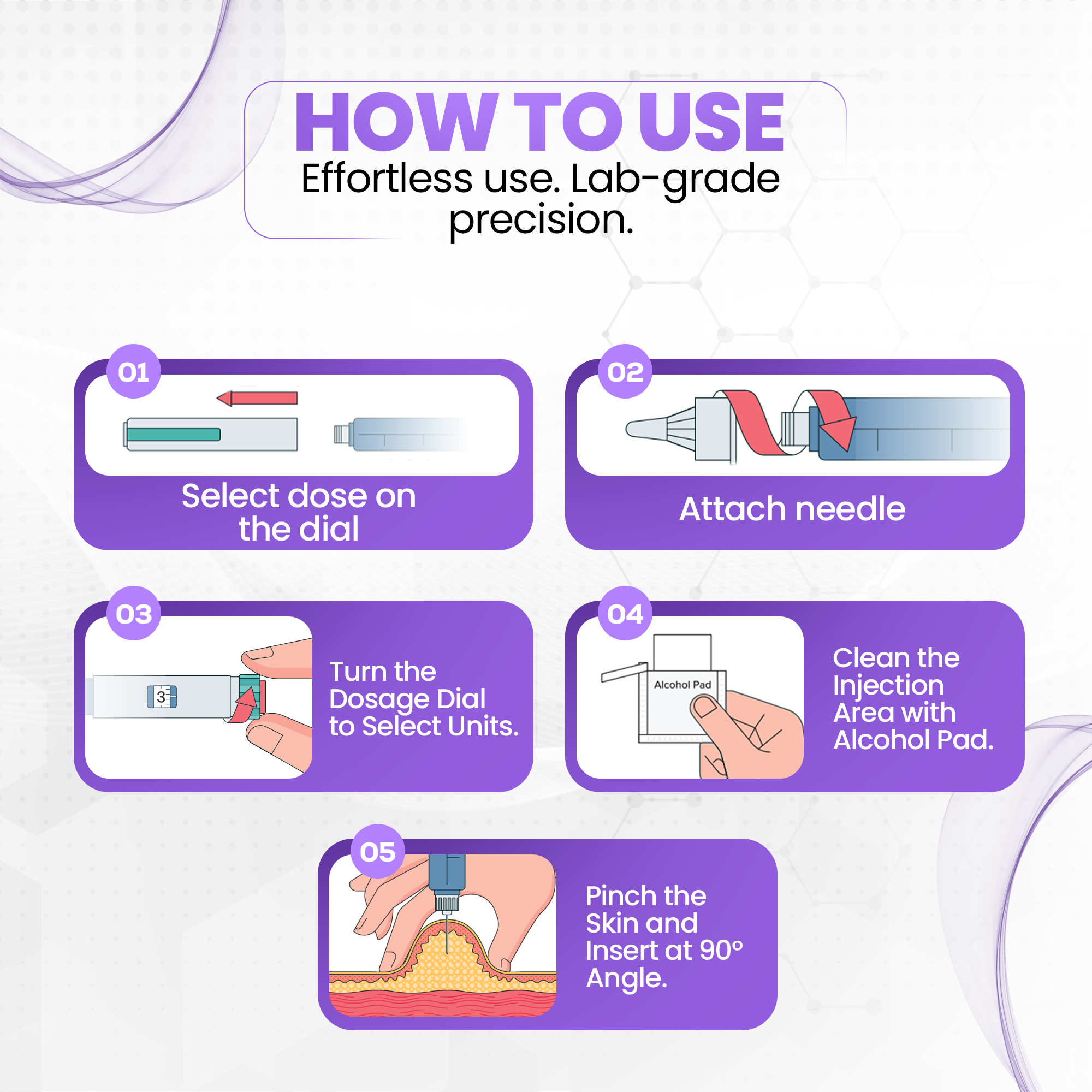
| Click-to-Dose | 1 click = 0.05 mg |
| Example(s) | 10 clicks = 0.5 mg |
Dosage & Protocols Variations
Standard Research Protocol
- Dose: 0.1 – 0.2 mg (= 2-4 clicks)
- Duration: 8 – 12 weeks
- Frequency: Daily, before sleep
- Cycle Interval: 4 weeks off before repeating
- Goal / Description: Baseline GHRH stimulation studied for pulsatile GH release and IGF-1 modulation.
Therapeutic Research Protocol
- Dose: 0.2 – 0.3 mg (= 4-6 clicks)
- Duration: 12 – 16 weeks
- Frequency: Daily, subcutaneous
- Cycle Interval: 4 – 6 weeks off before repeating
- Goal / Description: Higher-dose protocol evaluated in aging and metabolic research models targeting somatotropic axis recovery.
Biohacker Protocol (experimental)
- Dose: 0.05 – 0.1 mg (= 1-2 clicks)
- Duration: Continuous
- Frequency: 5 days on, 2 days off
- Cycle Interval: No washout; pulsed weekly
- Goal / Description: Low-dose continuous schedule explored for sustained GH pulsatility and circadian alignment.
Stacked Protocol (Sermorelin + Ipamorelin)
- Dose: 0.2 mg Sermorelin + 0.2 mg Ipamorelin (= 4 clicks)
- Duration: 8 – 12 weeks
- Frequency: Daily, before sleep
- Cycle Interval: 4 weeks off before repeating
- Goal / Description: Combined GHRH and GHRP pathways investigated for amplified GH release and IGF-1 response.
Possible Side Effects
Sermorelin is generally well-tolerated in clinical and preclinical research settings, with most reported effects being mild and transient.
Commonly observed side effects in research data include:
- Localized injection-site reactions such as redness, swelling, or mild pain.
- Transient flushing or warmth shortly after administration.
- Mild headache or dizziness in some subjects.
- Occasional nausea or altered taste perception.
- Temporary fluid retention or mild joint discomfort during extended protocols.
Because Sermorelin works through pulsatile stimulation of endogenous GH release rather than direct hormone replacement, it has been reported to carry a more favorable tolerability profile than exogenous growth hormone in research models. No evidence of significant hepatic, cardiovascular, or endocrine suppression has been observed in available data.
Product Attributes
- CAS #: 86168-78-7
- Molecular Formula: C149H246N44O42S
- Sequence (AA): YADAIFTNSYRKVLGQLSARKLLQDIMSR
- Molecular Weight: 3357.9 g/mol
- PubChem CID: 16129620
- Half-Life: ~10-20 minutes
- Synonyms: GHRH (1-29), Geref, GRF 1-29, Somatorelin
- Type: Synthetic GHRH analog (hypothalamic peptide fragment)
- Research Focus: Growth Hormone Signaling, Anti-Aging & Longevity, Metabolic Research
Scientific References
- Sermorelin: a better approach to management of adult-onset growth hormone insufficiency? Observational | Human RCT
- Growth hormone-releasing hormone (GHRH) and GHRH analogs in the treatment of aging Observational | Animal
- Stimulation of growth hormone secretion by sermorelin in healthy elderly men Human RCT
- Effects of sermorelin on growth hormone and IGF-1 in adults with GH deficiency Human RCT | Observational
- GHRH analogs and the regulation of pulsatile growth hormone release Animal | In vitro
- Growth hormone-releasing hormone in the treatment of growth disorders and aging Observational | Animal
- Sermorelin: research overview, mechanism, and reported effects Observational | Animal
- Sermorelin acetate stimulates endogenous growth hormone secretion in adults Human RCT
Included In The Box
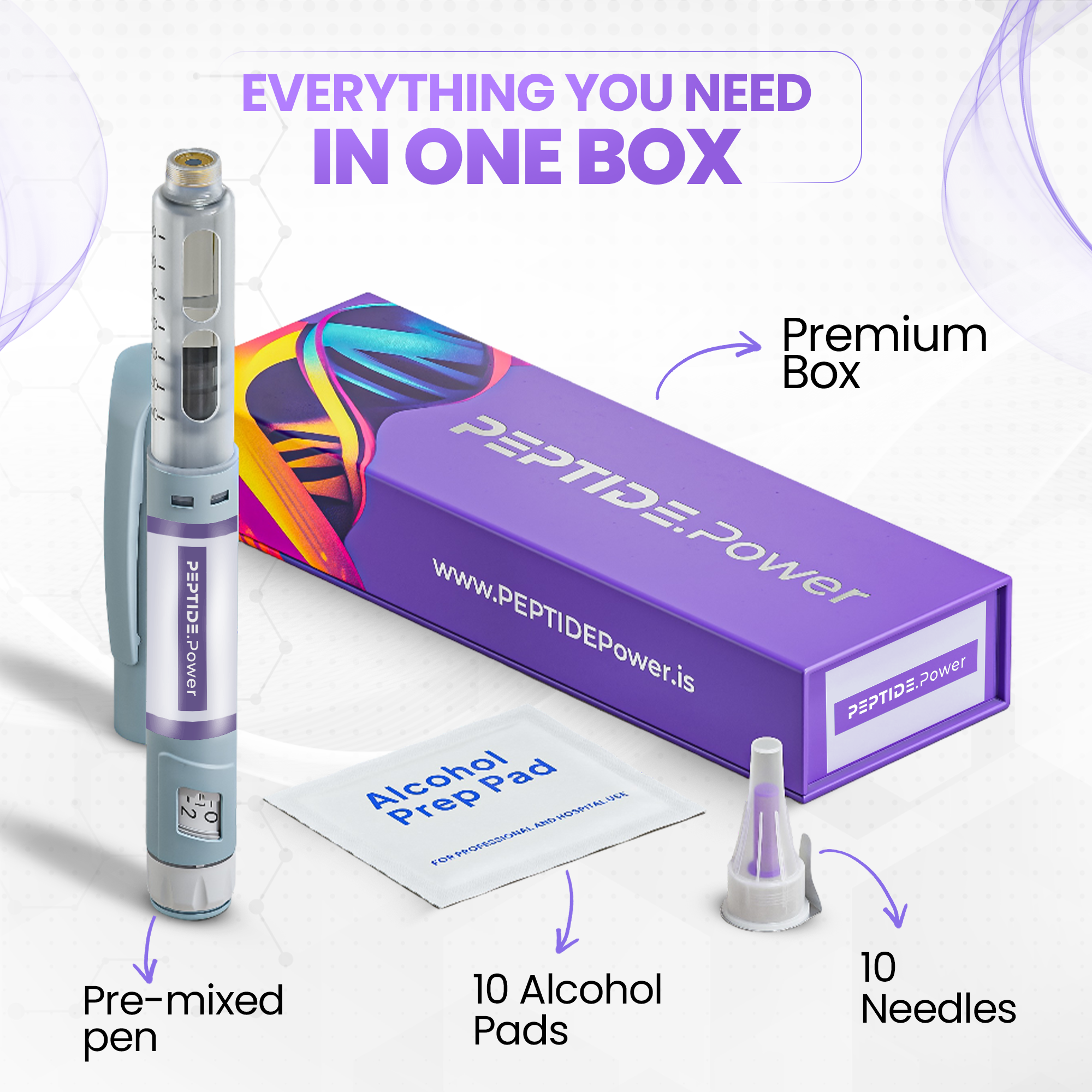
Every product arrives in a premium, custom-designed PEPTIDE.Power box, engineered for convenience, hygiene, and safe storage in your refrigerator. Inside, you will find everything needed for your full research protocol:
- 1× Disposable Pre-Mixed Injection Pen
- Powered by our proprietary PSM Technology™: precision stabilization & mixing system for consistent potency
- 10× Ultra-thin Needles (33G, 4 mm)
- 10× Alcohol Pads for sterile preparation
- Internal Stabilizing Foam Insert to prevent shaking during transport
- Instruction Panel printed on the inside of the box for quick reference
- Security Seal Sticker ensuring the package has not been opened or tampered with
Storage
Store the product in a refrigerator at 1-8°C immediately upon delivery. To maintain optimal stability, keep the pen away from light, and do not expose it to repeated temperature changes.
Once reconstituted (all our pens come pre-mixed), research compounds remain stable for 6-8 weeks under proper refrigeration.
Do not freeze after reconstitution. Always keep the box closed so the pen, needles, and alcohol pads stay clean and protected.
For best results, use the product consistently within the recommended time window and always follow your research protocol.
Delivery
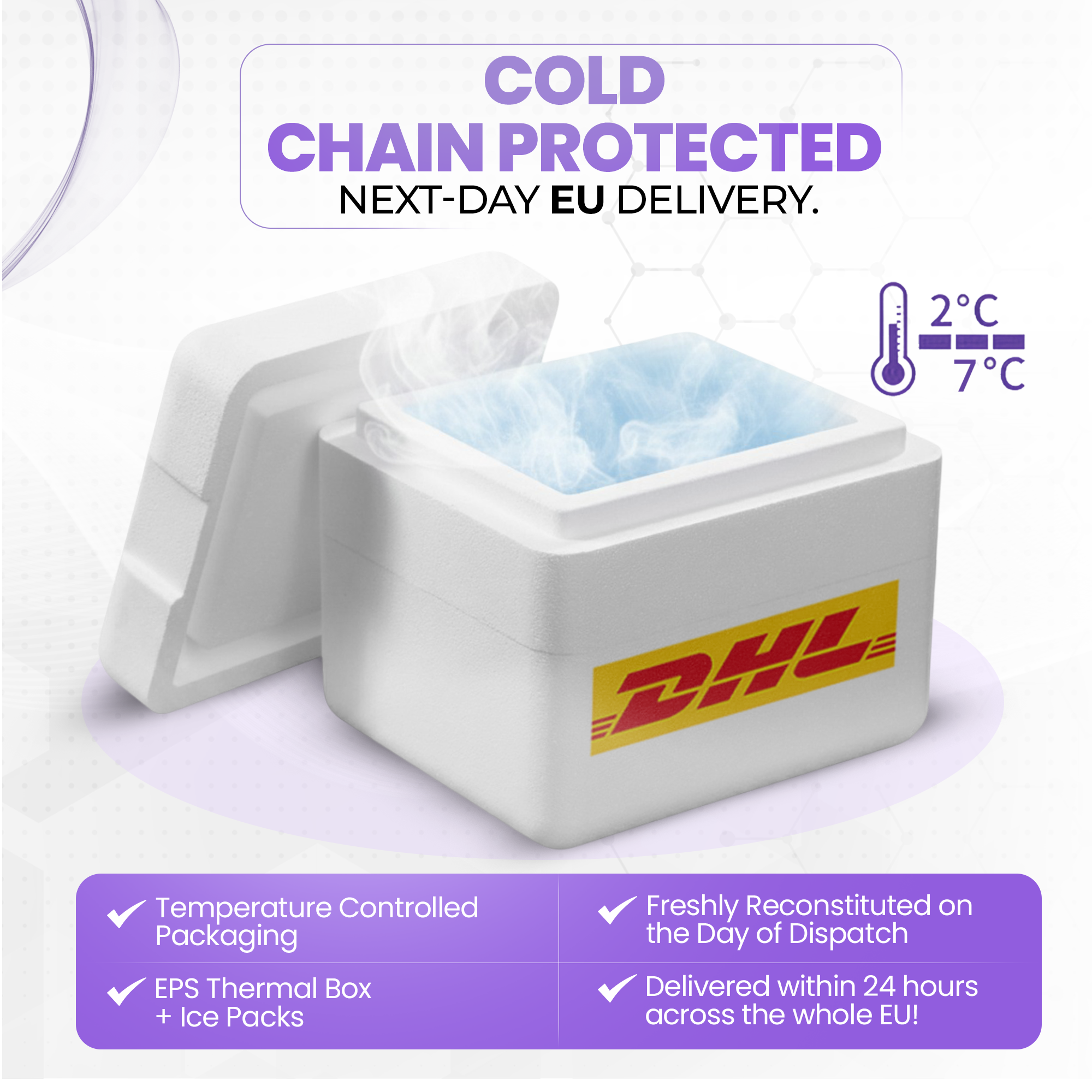
We ship with Next-Day EU Delivery via DHL Express or UPS Express.
All orders are prepared fresh on the day of dispatch, placed in EPS Cold-Chain Transport Boxes, and shipped with cooling elements to maintain a stable temperature throughout the journey.
Our logistics process is designed so the package arrives overnight, avoiding customs delays inside the European Union.
Products are shipped from our EU facility, ensuring no import duties, no customs clearance, and always fast and secure delivery.
Payment
Due to the nature of research peptides and the high-risk category assigned by payment processors, credit card companies do not generally support merchants in this field.
For this reason, we accept mainly Bank Transfers.
We also work with a crypto payment provider, and from time to time, card payments may be available depending on processor availability.
Within the European Union, SEPA transfers are fast, low-cost, and usually arrive within minutes to a few hours, making the payment process smooth and simple.
Once the transfer is received, your order is prepared immediately and dispatched the same day, depending on the daily cut-off time.
Please note that we do not dispatch shipments on Fridays or on days before official public holidays. This is done to ensure that parcels can be delivered on the next working day and are not held in transit over weekends or holidays.
This method ensures compliance, security, and continuity of service for all customers across the EU.
Didn't find the answer to your question?
View all frequently asked questionsRELATED PRODUCTS


CJC 1295 (No DAC)


HCG (Choriomon)


Ipamorelin


LL-37

