






ARA-290 (Cibinetide)
ARA-290 (Cibinetide) is a synthetic peptide derived from erythropoietin (EPO) research, designed to activate tissue-protective EPOR signaling pathways without stimulating red blood cell production. It selectively engages the innate repair receptor complex involved in cellular protection and anti-inflammatory modulation. In clinical and preclinical research, ARA-290 has been investigated for its role in neuroprotective signaling, inflammation modulation, and tissue resilience pathways. Intended strictly for laboratory and research use.
48,00 €
📦Also available in a stack · save up to 91,00 €
Repair Matrix - Advancedsave 91,00 €View the stack →ARA-290 - Neuroprotection & Nerve Regeneration Peptide
Supports preservation of peripheral nerve structure and function
Helps maintain neuronal signaling under stress conditions
Modulates inflammatory signaling pathways
Promotes regeneration of damaged nerve fibers
Reduces cellular damage following oxygen deprivation
Delivers EPO-like protection without red blood cell stimulation
Activates pathways linked to cell survival and repair
Studied for reducing chronic neuropathic pain and small-fiber damage
Description
ARA-290 is a non-erythropoietic peptide derived from the helix-B domain of erythropoietin. Unlike full-length EPO, ARA-290 does not stimulate hematopoiesis. Instead, it selectively activates the innate repair receptor (IRR), a heteromeric receptor complex composed of the erythropoietin receptor (EPOR) and the beta common receptor (CD131).
Activation of this receptor complex initiates cytoprotective and anti-inflammatory signaling cascades without increasing red blood cell production. ARA-290 has been evaluated in human clinical studies examining small fiber neuropathy and tissue injury models. Research domains include neuroprotection, inflammatory modulation, and regenerative signaling biology.
Clinical Status
Human RCT ✔ | Observational ✔ | Animal ✔ | In vitro ✔
Evaluated in human clinical trials for neuropathy and tissue-protective research applications.
Mechanism of Action
ARA-290 activates tissue-protective EPO receptor pathways without stimulating red blood cell production. It selectively engages the innate repair receptor complex involved in anti-inflammatory and cytoprotective signaling.
Benefits
- Selective activation of the innate repair receptor without hematopoietic stimulation:
ARA-290 is derived from the helix-B surface of erythropoietin but lacks the structural configuration required to activate the homodimeric EPOR complex responsible for erythropoiesis. Instead, it binds to the heteromeric EPOR-CD131 receptor complex known as the innate repair receptor (IRR). This receptor configuration is expressed in non-hematopoietic tissues and becomes upregulated during cellular stress. By selectively engaging this receptor, ARA-290 activates protective signaling without increasing red blood cell production. This separation of cytoprotection from erythropoiesis is central to its mechanistic identity. - Engages JAK2/STAT3-mediated cytoprotective signaling:
Upon binding to the IRR complex, ARA-290 activates Janus kinase 2 (JAK2), which subsequently phosphorylates STAT transcription factors. STAT3 activation promotes expression of genes involved in cellular survival and inflammatory resolution. This signaling cascade contributes to regulation of stress-response genes rather than proliferative hematopoietic pathways. The selective activation of JAK2/STAT3 within non-erythroid tissues underpins its cytoprotective profile. - Activates PI3K/Akt pathways supporting cellular survival:
ARA-290 stimulation of the innate repair receptor also initiates PI3K/Akt signaling. Akt phosphorylation promotes cell survival by inhibiting pro-apoptotic pathways and supporting mitochondrial stability. This pathway is particularly relevant in tissues exposed to metabolic or inflammatory stress. By enhancing Akt-mediated survival signals, ARA-290 contributes to preservation of cellular integrity in experimental injury models. - Modulates pro-inflammatory cytokine signaling networks:
Inflammatory stress often involves upregulation of cytokines such as TNF-alpha, IL-1beta, and IL-6. Activation of the innate repair receptor has been associated with modulation of these pro-inflammatory mediators. Rather than suppressing immune function broadly, ARA-290 appears to support resolution-phase signaling, helping shift cellular responses from inflammatory amplification toward repair-oriented pathways. This immune modulation profile differentiates it from systemic immunosuppressants. - Supports neuronal resilience and nerve repair research:
Neural tissues are particularly vulnerable to inflammatory and oxidative stress. The EPOR-CD131 complex is expressed in neuronal and glial cells during injury conditions. Activation of cytoprotective pathways in these cells supports investigation into nerve fiber preservation and functional recovery. ARA-290 has therefore been examined in models of small fiber neuropathy and neural injury to explore restoration of nerve integrity markers. - Facilitates resolution of tissue stress responses:
During tissue injury, cells activate protective pathways designed to limit damage and restore homeostasis. The innate repair receptor is part of this endogenous defense system. By selectively activating this receptor complex, ARA-290 amplifies natural protective signaling cascades. This positions it within regenerative biology research frameworks focused on enhancing intrinsic repair responses rather than forcing proliferative growth. - Distinct from anabolic or endocrine growth peptides:
Unlike growth hormone secretagogues or IGF-based peptides, ARA-290 does not stimulate systemic anabolic hormone cascades. Its activity is confined to stress-induced receptor complexes expressed in injured tissues. This localized signaling focus makes it mechanistically distinct from peptides designed to enhance muscle growth or metabolic rate. Its biological role centers on protection and stabilization rather than growth acceleration. - Integrates vascular and endothelial protective signaling:
The EPOR-CD131 receptor complex is also expressed in endothelial cells during inflammatory or ischemic stress. Activation of PI3K/Akt and STAT pathways in these cells may influence vascular stability and barrier function in experimental models. This expands the relevance of ARA-290 beyond neural tissue into broader cytoprotective biology research domains. - Operates within endogenous innate repair systems:
The innate repair receptor system is activated naturally in response to tissue injury. ARA-290 mimics a specific domain of erythropoietin that engages this protective pathway without activating erythropoiesis. By leveraging an existing endogenous mechanism, it enables study of how intrinsic repair biology can be amplified in controlled experimental contexts. - Supports investigation into inflammation-resolution balance:
Effective tissue recovery depends on timely transition from inflammatory signaling to resolution and repair. ARA-290 is studied for its role in facilitating this transition. By modulating cytokine expression and promoting survival pathways, it contributes to research examining how cells shift from damage response to structural stabilization.
Research Data
| Study/model | Effect of ARA-290 |
| Diabetic neuropathy (human observational studies) | Improved sensory nerve function and reduced neuropathic pain markers |
| Peripheral nerve crush injury (animal model) | ↑ regenerating axonal fibers by ~60% |
| Spinal nerve ligation (animal model) | ↓ neuroinflammation and preserved myelin structure |
| Ischemic injury models | ↓ tissue necrosis and inflammatory cytokines (IL-6, TNF-α) |
| Erythropoietin knockout comparisons | Preserved cytoprotective effects without hematologic activation |
Stack Suggestions
ARA-290 is commonly combined with other neuroprotective and regenerative peptides to create comprehensive recovery protocols:
ARA-290 + BPC-157 – This combination addresses nerve regeneration (ARA-290) and broader tissue repair (BPC-157). BPC-157’s angiogenic effects may enhance nutrient delivery to regenerating nerves, while ARA-290’s selective neuroprotection targets nerve-specific pathways. Research models suggest synergistic effects on recovery timelines following peripheral nerve or spinal cord injuries.
ARA-290 + TB-500 – TB-500 (Thymosin Beta-4) contributes cell migration and extracellular matrix remodeling, complementing ARA-290’s direct neuronal protection. In models of traumatic nerve injury, this stack has been observed to accelerate both structural (axonal regrowth) and functional (sensory/motor) recovery. The mechanistic rationale involves TB-500 facilitating Schwann cell migration while ARA-290 activates their myelination programs.
ARA-290 + NAD+ – Neuronal energy metabolism is critical for regeneration. NAD+ supplementation supports mitochondrial function and ATP production, while ARA-290 provides anti-inflammatory and survival signaling. This combination may be particularly relevant in metabolic neuropathy models (diabetic, chemotherapy-induced) where energy deficits compound nerve damage. Both agents have been studied independently for neuroprotection with different but complementary mechanisms.
ARA-290 + Cerebrolysin – Cerebrolysin (a neurotrophic peptide mixture) and ARA-290 operate through distinct pathways – neurotrophic factor mimicry versus innate repair receptor activation. Preclinical stroke and traumatic brain injury models suggest additive neuroprotective effects when combined. This stack may be of interest for research into central and peripheral nervous system injuries.
ARA-290 + Alpha-Lipoic Acid – While not a peptide, alpha-lipoic acid is a well-studied antioxidant used in diabetic neuropathy research. Combined with ARA-290, it may provide both symptomatic (antioxidant) and regenerative (neuroprotective signaling) benefits. Clinical trials of ALA in diabetic neuropathy show modest benefits; adding ARA-290 might enhance outcomes through complementary mechanisms.
Caution: Stacks discussed are for experimental protocol design in research settings. They do not constitute safety or efficacy guidance for human therapeutic use. Always consider potential interactions and monitor appropriate biomarkers when combining research compounds.
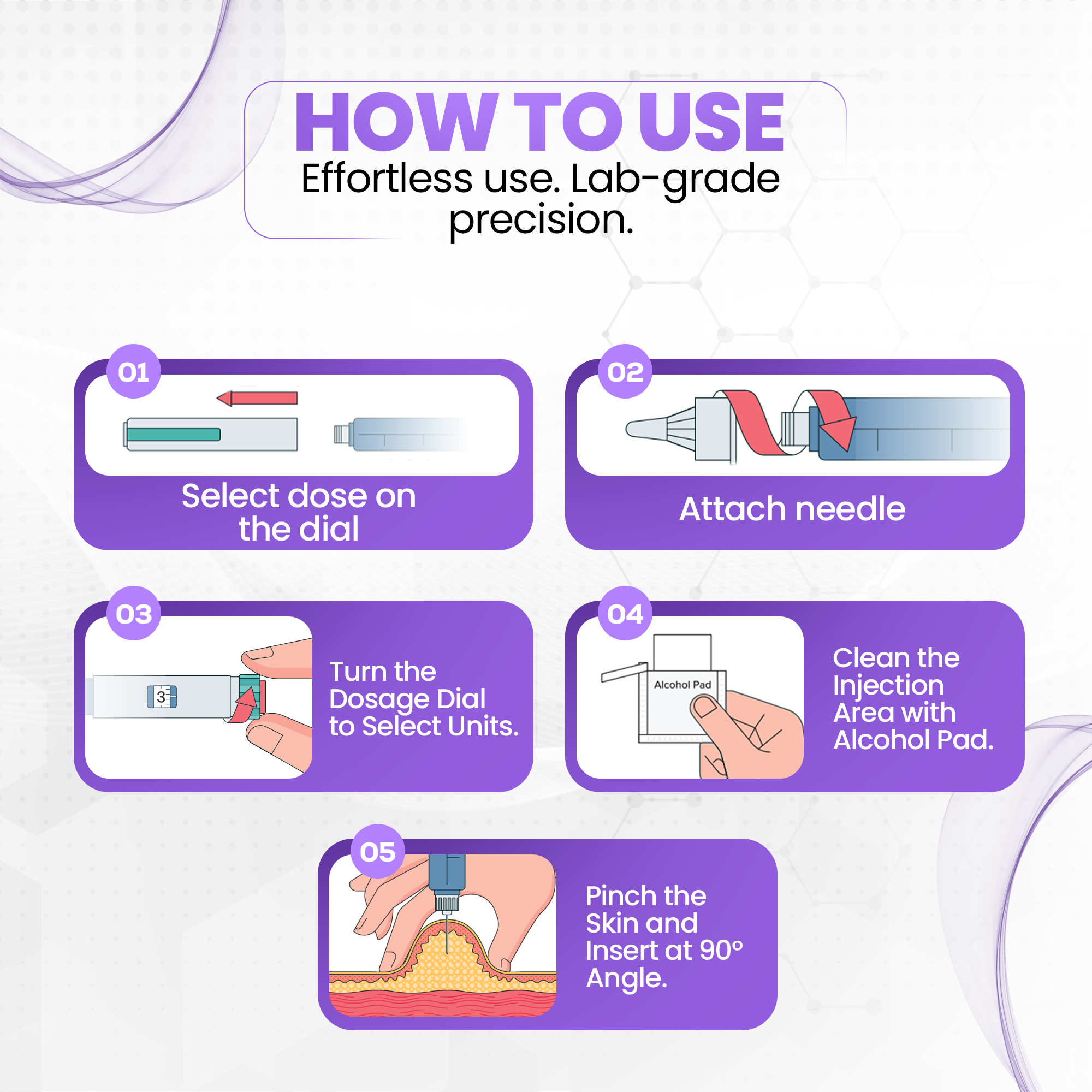
Pen Dosage Chart
| ARA-290 (Cibinetide) Pen 10 mg | |
|---|---|
| Volume | 2 mL |
| mg/mL | 5 mg/mL |
| Click-to-Dose | 1 click = 0.05 mg |
| Example(s) | 10 clicks = 0.5 mg |
Dosage & Protocols Variations
Standard Research Protocol
- Dose: 2 – 4 mg (= 40-80 clicks)
- Duration: 4 – 12 weeks
- Frequency: Daily subcutaneous injection
- Cycle Interval: 2 – 4 weeks off before repeating
- Goal / Description: Baseline protocol for neuropathic and inflammatory research models.
Therapeutic Research Protocol
- Dose: 4 – 8 mg (= 80-160 clicks)
- Duration: 8 – 12 weeks
- Frequency: Daily
- Cycle Interval: 4 weeks off before repeating
- Goal / Description: Higher-dose investigation of small fiber neuropathy and sarcoidosis-related neuropathic models.
Biohacker Protocol (experimental)
- Dose: 1 – 2 mg (= 20-40 clicks)
- Duration: 6 – 8 weeks
- Frequency: 3 – 5× per week
- Cycle Interval: 2 weeks off before repeating
- Goal / Description: Low-dose continuous exposure for cytoprotective and anti-inflammatory pathway research.
Possible Side Effects
ARA-290 is generally well-tolerated in clinical and preclinical research, with no evidence of erythropoietic activity or thrombotic risk associated with full-length EPO.
Reported side effects in research settings are infrequent and mild:
- Transient injection-site reactions, including mild redness or irritation.
- Occasional headache or lightheadedness during initial dosing.
- Mild fatigue or drowsiness reported in some subjects.
- Rare gastrointestinal sensitivity, including nausea.
No significant changes in hematocrit, hemoglobin, or blood pressure have been observed, distinguishing ARA-290 from erythropoietin. No evidence of hepatic, renal, or cardiovascular adverse effects has been reported in available research data.
Product Attributes
- CAS #: 1208243-50-8
- Molecular Formula: C49H72N14O18
- Sequence (AA): PHBSPGDKQTNS (Pyr-Glu-Gln-Leu-Glu-Arg-Ala-Leu-Asn-Ser-Ser)
- Molecular Weight: ~1257 g/mol
- Half-Life: ~2 minutes (plasma); tissue-protective effects persist longer
- Synonyms: Cibinetide, pHBSP, ARA290, Helix-B Surface Peptide
- Type: Synthetic non-erythropoietic peptide (EPO helix-B analog)
- Research Focus: Neuropathic Pain, Anti-inflammatory & Tissue Protection
Scientific References
- ARA 290, a specific agonist of erythropoietin/CD131 heteroreceptor, improves circulating endothelial progenitors’ angiogenic potential and homing ability Human RCT | In vitro
- ARA 290 improves symptoms in patients with sarcoidosis-associated small nerve fiber loss and increases corneal nerve fiber density Human RCT
- Effect of the innate immune modulator ARA 290 on inflammation-related biomarkers in patients with sarcoidosis: A phase 2a study Human RCT
- A nonhematopoietic erythropoietin analogue, ARA 290, inhibits macrophage activation and prevents damage to transplanted islets Animal | In vitro
- ARA290, a non-erythropoietic EPO derivative, attenuates renal ischemia/reperfusion injury Animal
- Cibinetide improves quality of life in patients with sarcoidosis-associated small fiber neuropathy Observational | Human RCT
- The non-hematopoietic erythropoietin analog ARA 290 attenuates neuropathic pain and acute inflammation Animal | In vitro
- Cibinetide reduces hyperalgesia and improves metabolic control in type 2 diabetes patients with neuropathy Human RCT
Included In The Box
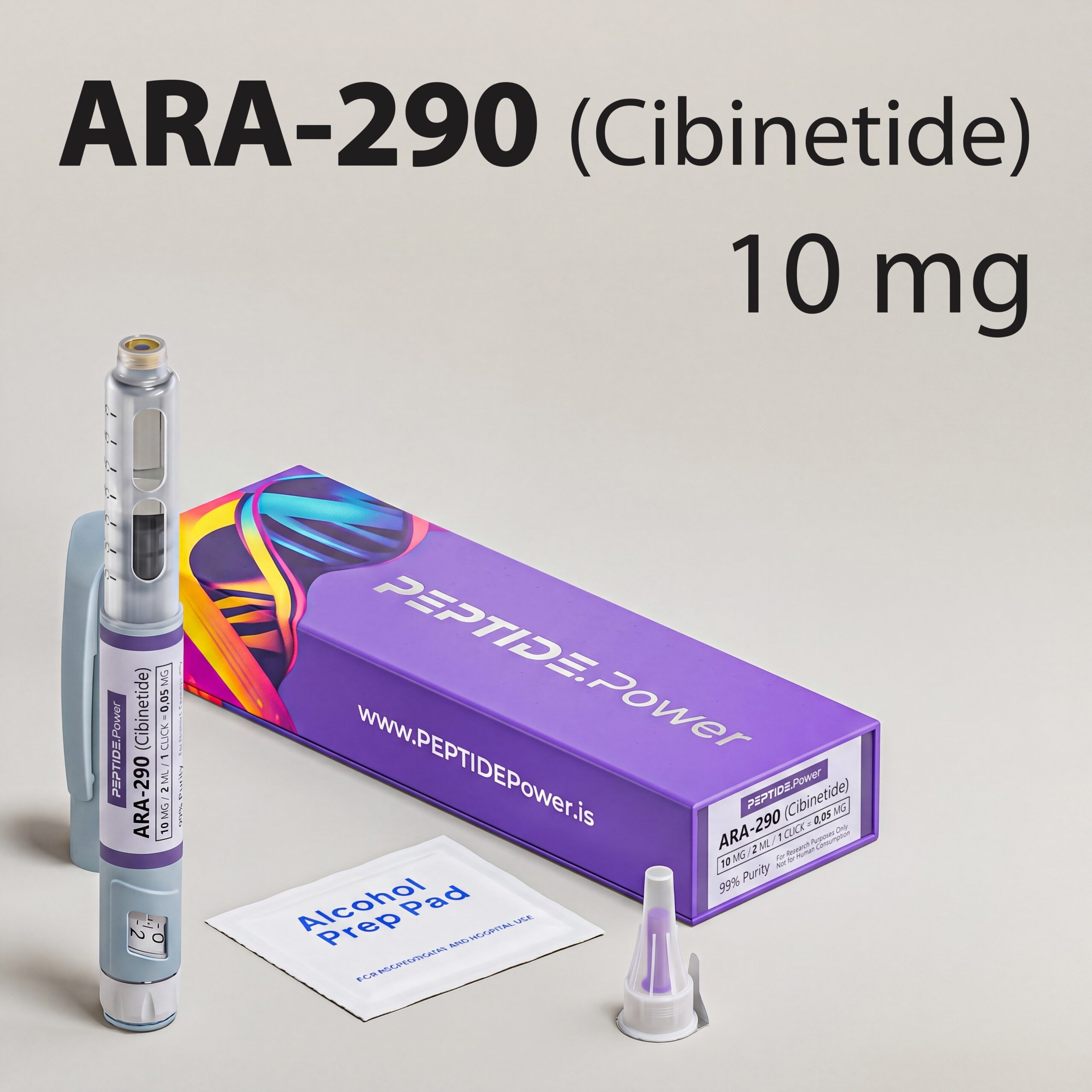
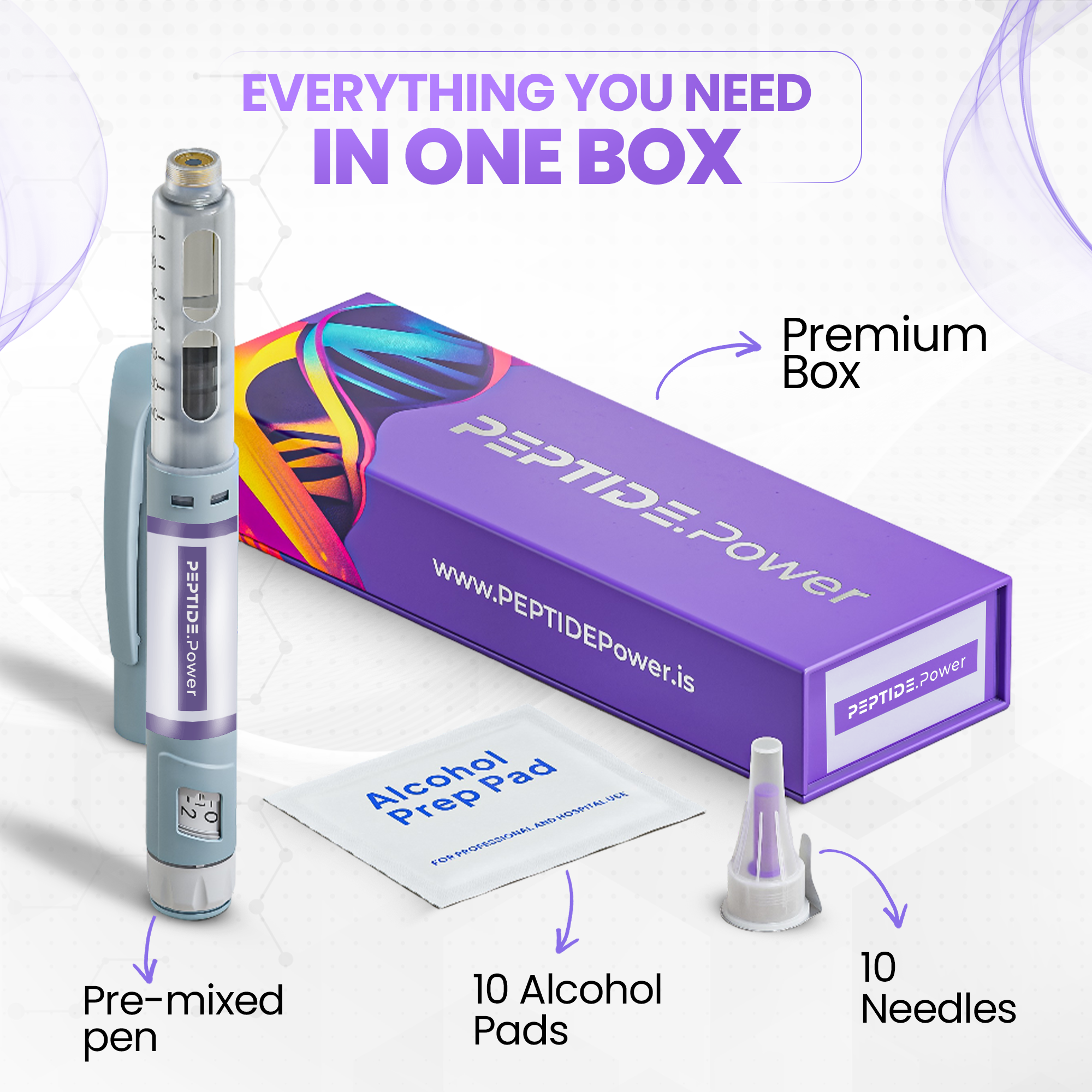
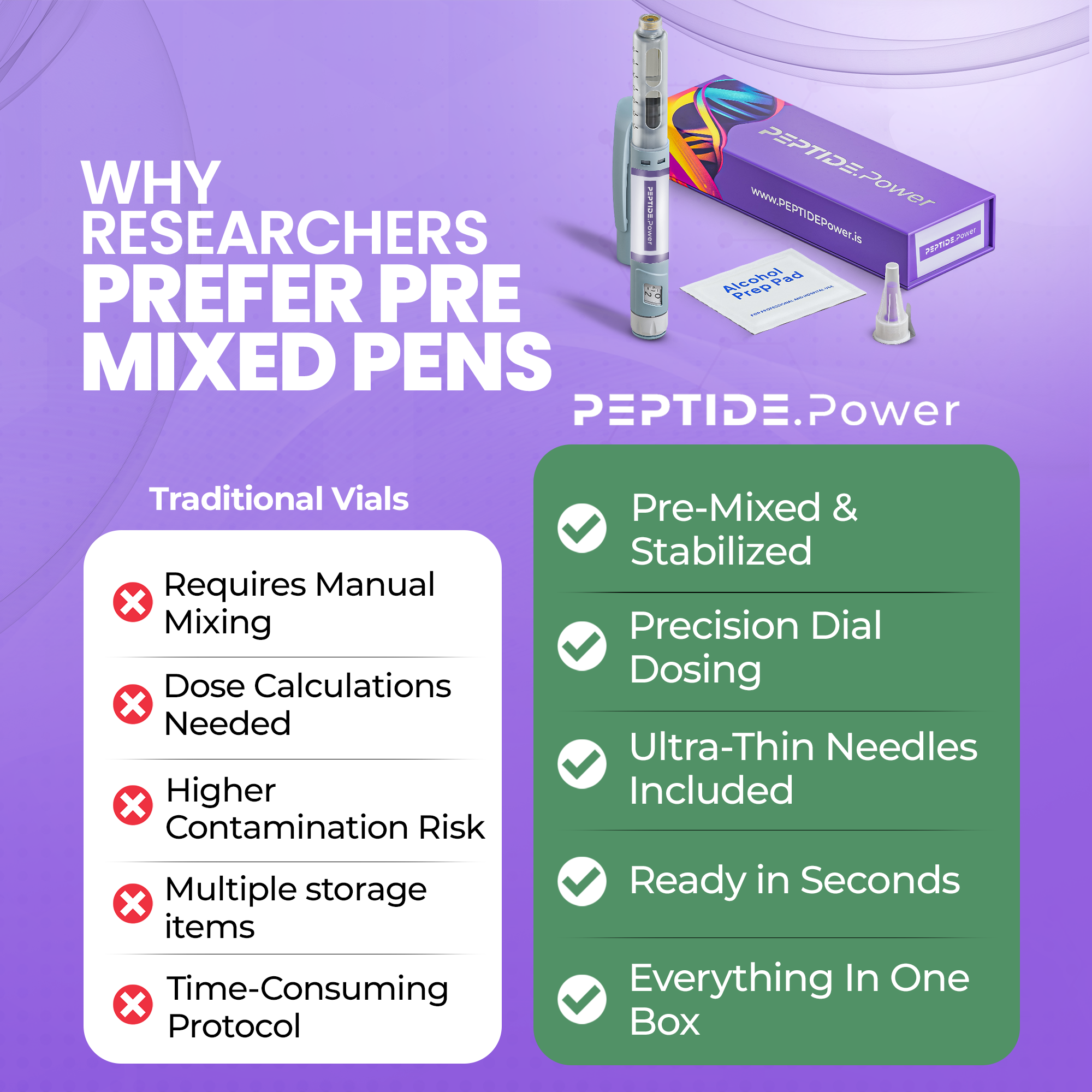
Every product arrives in a premium, custom-designed PEPTIDE.Power box, engineered for convenience, hygiene, and safe storage in your refrigerator. Inside, you will find everything needed for your full research protocol:
- 1× Disposable Pre-Mixed Injection Pen
- Powered by our proprietary PSM Technology™: precision stabilization & mixing system for consistent potency
- 10× Ultra-thin Needles (33G, 4 mm)
- 10× Alcohol Pads for sterile preparation
- Internal Stabilizing Foam Insert to prevent shaking during transport
- Instruction Panel printed on the inside of the box for quick reference
- Security Seal Sticker ensuring the package has not been opened or tampered with
Storage
Store the product in a refrigerator at 1-8°C immediately upon delivery. To maintain optimal stability, keep the pen away from light, and do not expose it to repeated temperature changes.
Once reconstituted (all our pens come pre-mixed), research compounds remain stable for 6-8 weeks under proper refrigeration.
Do not freeze after reconstitution. Always keep the box closed so the pen, needles, and alcohol pads stay clean and protected.
For best results, use the product consistently within the recommended time window and always follow your research protocol.
Delivery
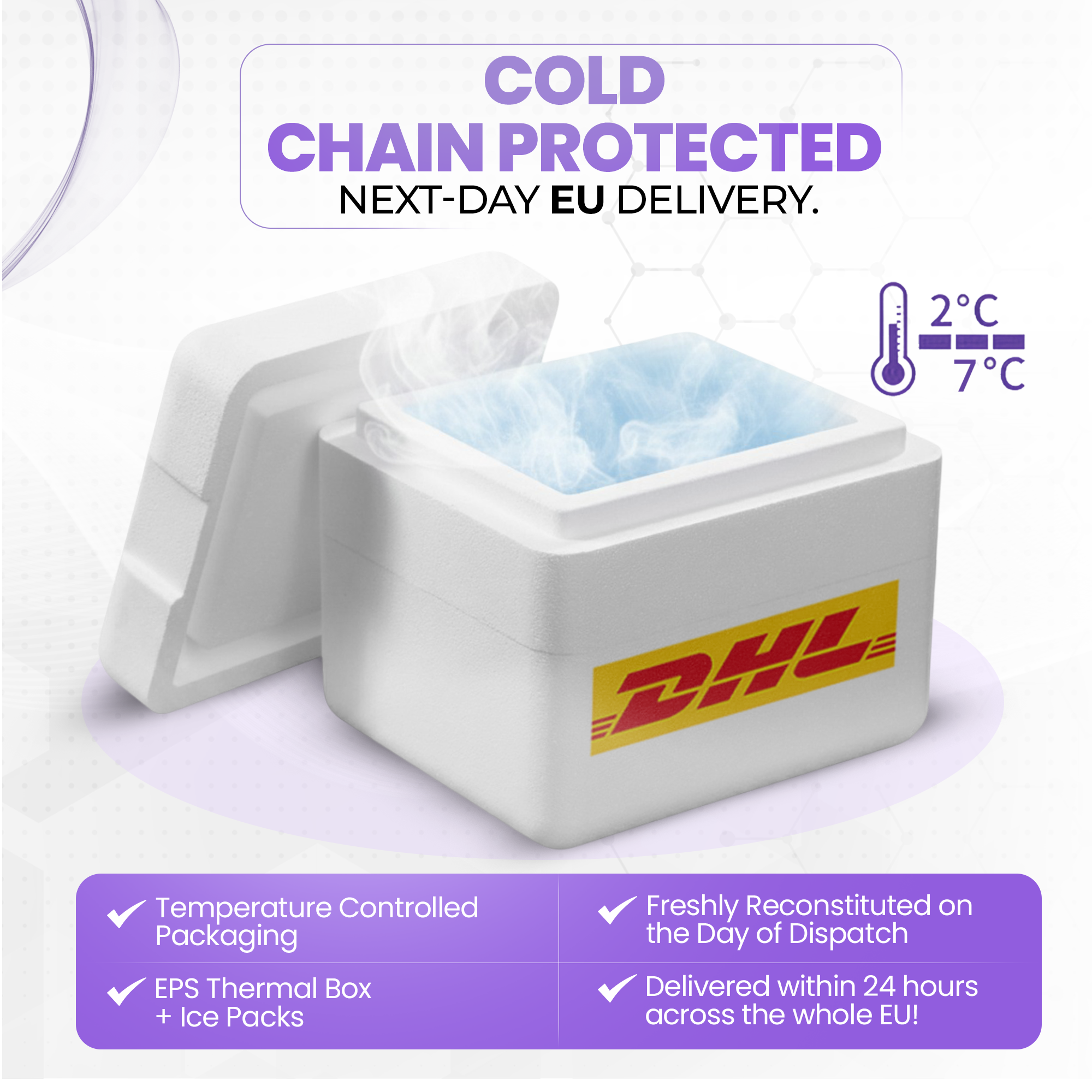
We ship with Next-Day EU Delivery via DHL Express or UPS Express.
All orders are prepared fresh on the day of dispatch, placed in EPS Cold-Chain Transport Boxes, and shipped with cooling elements to maintain a stable temperature throughout the journey.
Our logistics process is designed so the package arrives overnight, avoiding customs delays inside the European Union.
Products are shipped from our EU facility, ensuring no import duties, no customs clearance, and always fast and secure delivery.
Payment
Due to the nature of research peptides and the high-risk category assigned by payment processors, credit card companies do not generally support merchants in this field.
For this reason, we accept mainly Bank Transfers.
We also work with a crypto payment provider, and from time to time, card payments may be available depending on processor availability.
Within the European Union, SEPA transfers are fast, low-cost, and usually arrive within minutes to a few hours, making the payment process smooth and simple.
Once the transfer is received, your order is prepared immediately and dispatched the same day, depending on the daily cut-off time.
Please note that we do not dispatch shipments on Fridays or on days before official public holidays. This is done to ensure that parcels can be delivered on the next working day and are not held in transit over weekends or holidays.
This method ensures compliance, security, and continuity of service for all customers across the EU.
Didn't find the answer to your question?
View all frequently asked questionsRELATED PRODUCTS


Kisspeptin


KPV


LL-37


TB-500 (Thymosin beta 4)

