

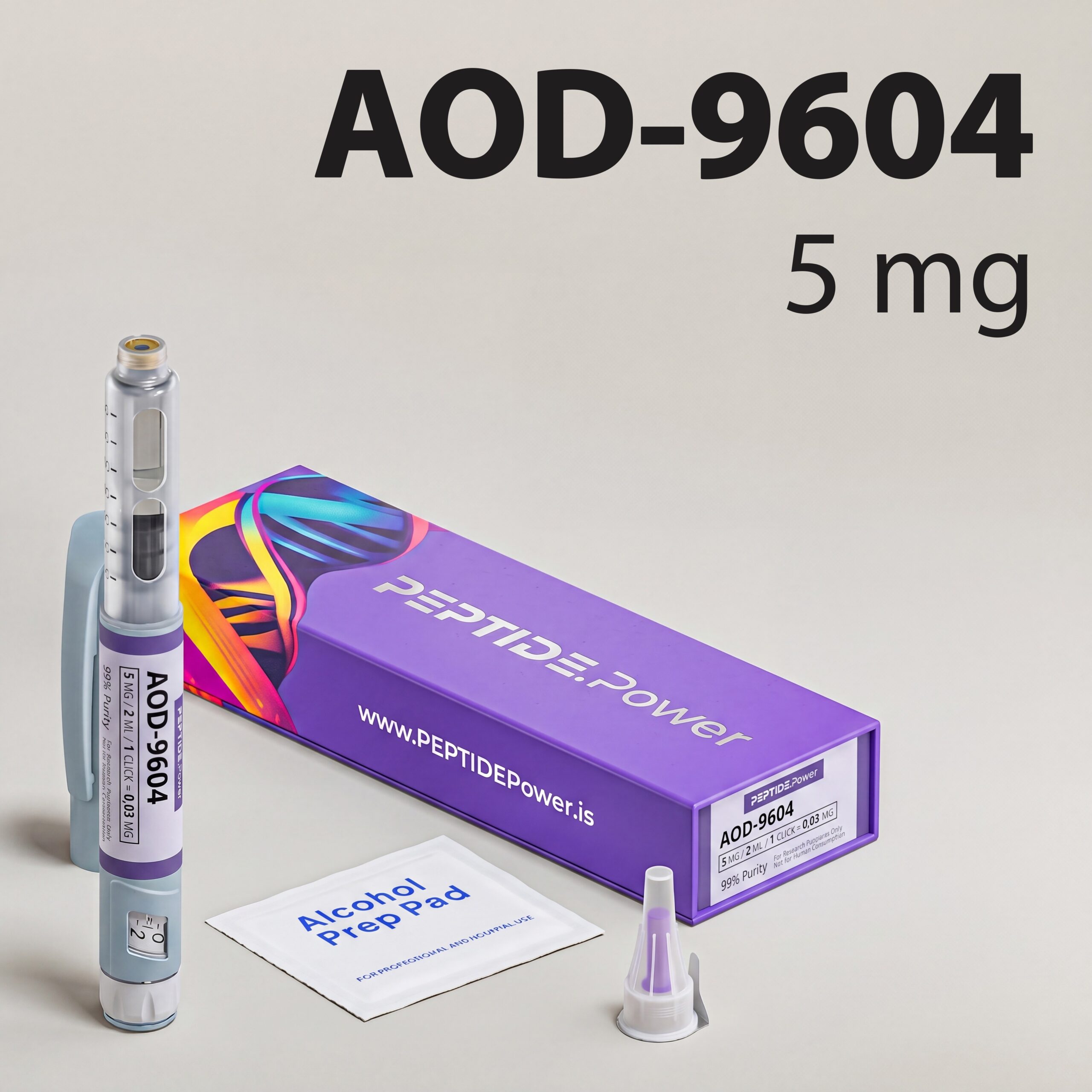

AOD-9604
Modified fragment of human growth hormone (hGH 176-191) that has been studied for its ability to stimulate fat metabolism and promote weight reduction without increasing IGF-1 activity. It has shown promising results in obesity research, enhancing fat oxidation and improving lipid profiles while preserving lean muscle mass.
AOD-9604 - Fat Metabolism & Weight Regulation Peptide
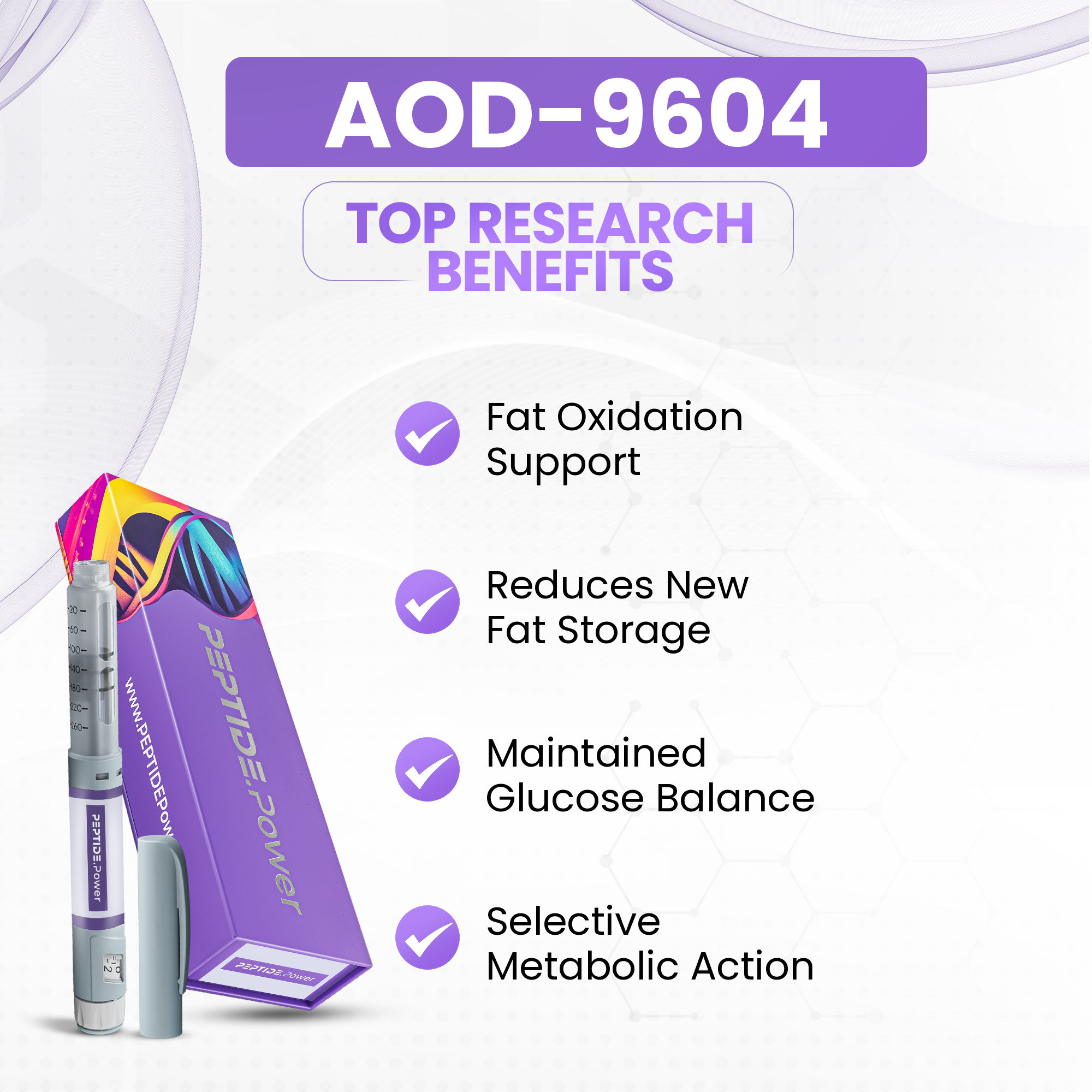
Aids in the metabolic process of accelerating stored fatty acid breakdown into usable energy
Supports the suppression of new fat cell formation in adipose tissue
Observed to avoid negative impact on glucose tolerance or insulin sensitivity
Delivers metabolic support without increasing IGF-1 levels or causing systemic growth effects
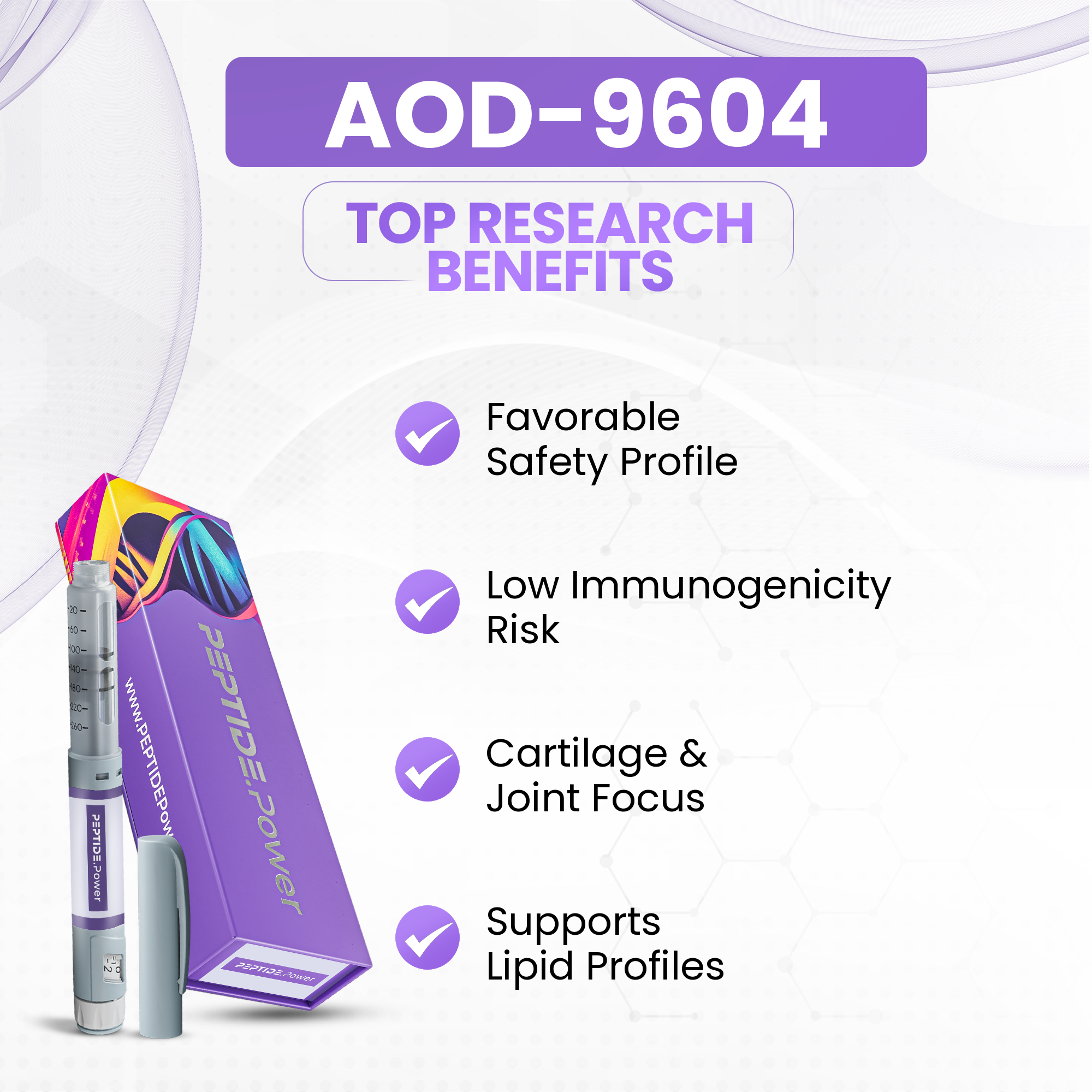
Showed high tolerability in human trials, comparable to placebo
Clinical studies indicated no anti-AOD-9604 antibodies were detected
Preclinical research suggests potential for promoting repair and regeneration in joint models
Research indicates potential for lowering cholesterol and triglycerides in metabolic studies
Description
AOD-9604 is a synthetic fragment of human growth hormone (HGH 177-191) designed to selectively enhance fat metabolism without influencing growth-promoting or insulin-modulating pathways. It represents the bioactive region of HGH responsible for lipolysis and inhibition of lipogenesis, making it highly specific for research on metabolic regulation.
In experimental studies, AOD-9604 has been observed to stimulate fat oxidation, increase energy expenditure, and reduce adipose tissue accumulation through activation of beta-adrenergic lipolytic pathways. These effects occur without elevating IGF-1 or affecting carbohydrate metabolism, differentiating it from full-length HGH in terms of safety and selectivity.
Beyond its metabolic effects, AOD-9604 has shown potential in connective tissue regeneration and cartilage repair research. Its influence on fibroblast activity and collagen synthesis supports studies investigating joint recovery, injury repair, and musculoskeletal regeneration under non-anabolic conditions.
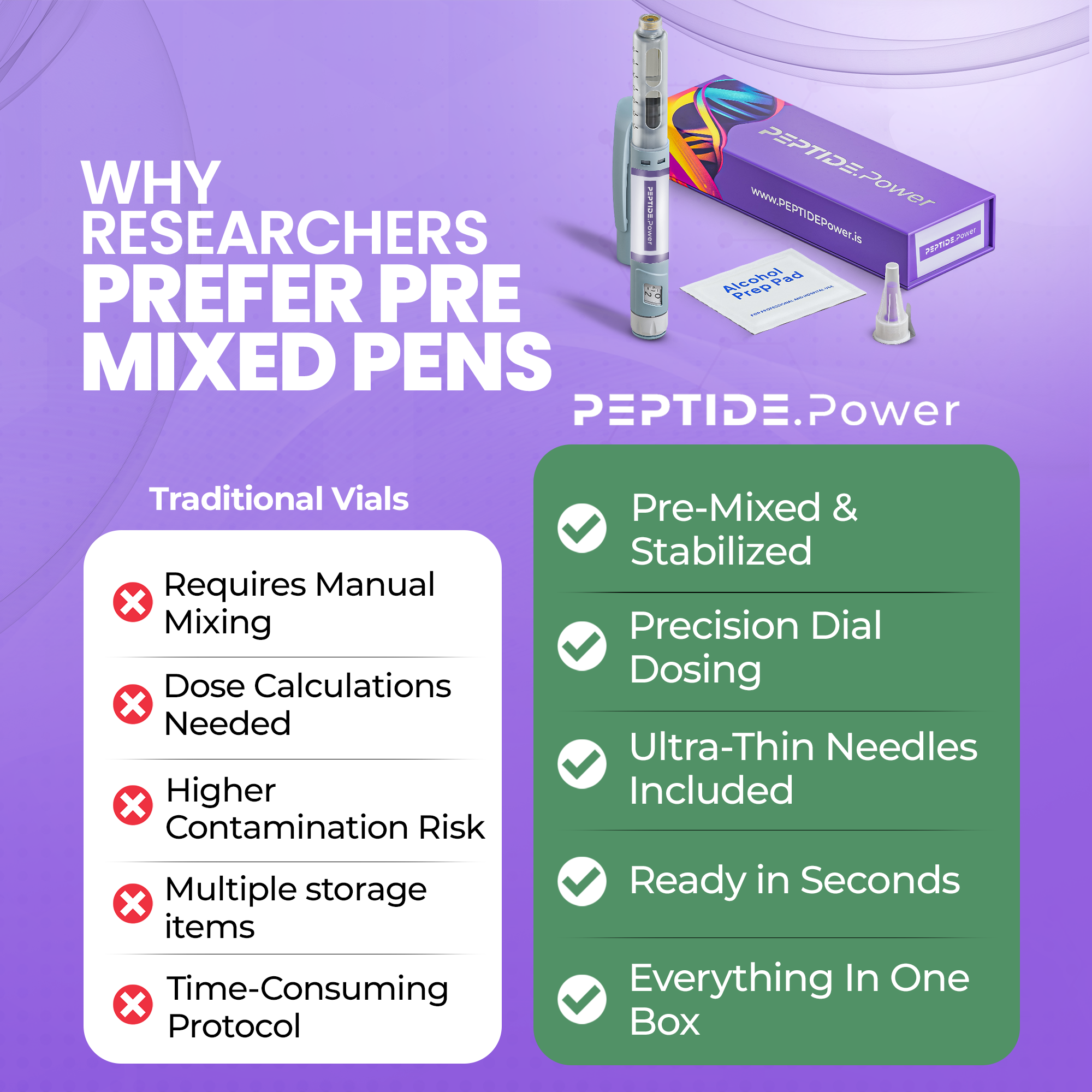
Formulated in a stabilized pre-mixed injection pen for SubQ administration, AOD-9604 ensures high systemic bioavailability and consistent plasma levels in controlled environments. This delivery model avoids reconstitution errors and provides precision dosing for advanced metabolic and recovery studies.
Clinical Status:
AOD-9604 is a synthetic peptide analog evaluated in multiple human and animal studies for obesity and cartilage repair research. It has demonstrated a strong safety profile and is currently used for non-therapeutic experimental applications only.
Evidence type:
Human RCT ✔ | Observational ✔ | Animal ✔ | In vitro ✔ | Regulatory ☐
Mechanism of Action
AOD-9604 mimics the fat-metabolizing region of growth hormone. It stimulates lipolysis (breakdown of stored fats) and inhibits lipogenesis (formation of new fat), primarily via activation of β-adrenergic and AMP-activated protein kinase (AMPK) pathways.
Benefits
- Targeted Fat Metabolism Research:
AOD-9604 is studied for its ability to selectively stimulate the breakdown of stored fat by acting on the beta-adrenergic lipolytic pathway without influencing appetite or growth hormone levels. This targeted mechanism allows enhanced fat oxidation and reduced lipogenesis, particularly in visceral and abdominal fat depots, making it a key subject in obesity and metabolic optimization research. - Enhanced Lipolysis and Fat Oxidation:
Preclinical studies have shown that AOD-9604 increases the rate of lipolysis-the natural process of triglyceride breakdown, while simultaneously inhibiting new fat formation in adipose tissue. This dual effect results in reduced adiposity and improved fat utilization for energy, which has led researchers to explore its role as a metabolic regulator rather than a simple weight loss agent. - Reduction of Abdominal and Visceral Fat:
Animal and early human models have demonstrated a preferential reduction of abdominal fat following subcutaneous administration of AOD-9604. This region-specific action is associated with its local stimulation of hormone-sensitive lipase and enhanced fatty acid oxidation, suggesting potential for site-selective metabolic modulation without systemic hormonal changes. - Preservation of Lean Body Mass:
Unlike traditional calorie-restriction models that can cause muscle loss, AOD-9604 research indicates a preservation of lean muscle tissue while reducing total body fat. This makes it of particular interest in studies targeting body recomposition and long-term metabolic efficiency, where muscle retention is critical for sustaining basal metabolic rate. - Improved Lipid and Glucose Regulation:
In experimental settings, AOD-9604 has been observed to improve lipid metabolism and glucose tolerance, supporting better insulin sensitivity and reduced circulating cholesterol levels. These effects are believed to result from enhanced fatty acid oxidation and improved cellular energy balance, contributing to overall metabolic health optimization. - Acceleration of Recovery and Tissue Regeneration:
Beyond its metabolic effects, AOD-9604 has demonstrated the ability to promote cartilage repair and tissue recovery in cellular and animal studies. By stimulating collagen synthesis and modulating fibroblast activity, it supports regenerative research protocols related to joint health, musculoskeletal recovery, and connective tissue maintenance. - Modulation of Growth Hormone Fragment Pathways:
AOD-9604 represents the modified fragment 177-191 of human growth hormone, designed to retain the fat-burning properties of HGH without its systemic growth or insulin-like effects. This selective receptor interaction allows localized metabolic benefits with minimal endocrine disruption, differentiating it from traditional GH analogues in research use. - Support for Mitochondrial Energy Production:
Through its influence on lipid metabolism, AOD-9604 indirectly enhances mitochondrial ATP generation by increasing the availability of fatty acids as substrates for oxidation. This effect supports research exploring cellular energy dynamics, endurance enhancement, and overall mitochondrial efficiency within metabolic health models. - Potential Synergy with Peptides for Body Recomposition:
Research designs often combine AOD-9604 with other agents such as CJC-1295, Ipamorelin, or Tesamorelin to study synergistic effects on fat metabolism, muscle retention, and growth hormone signaling. These combinations aim to explore comprehensive body recomposition outcomes under controlled laboratory settings. - Favorable Safety and Tolerability Profile:
Across available studies, AOD-9604 has shown a favorable safety profile with no significant adverse hormonal or metabolic effects observed at experimental doses. Its stability, low systemic activity, and peptide-based nature make it well-suited for ongoing research into long-term metabolic modulation and regenerative health applications.
Research Data
| Study / Model | Reported effect |
| Obese mice models | Reduced body fat by ~50% over 3 weeks; increased lipolysis and fat oxidation in adipocytes. |
| Human clinical trials (Phase 2) | Improved weight management outcomes without changes in IGF-1 or glucose levels. |
| In vitro adipocyte cultures | Inhibited lipogenesis and stimulated breakdown of triglycerides. |
| Rat models on high-fat diet | Increased thermogenesis, mitochondrial activity, and AMPK activation in brown fat. |
| Comparative studies (AOD vs hGH) | Showed similar fat-loss potential with no anabolic or glucose-altering side effects. |
| Human tolerability data | Mild, transient reactions only; no effect on blood sugar, growth markers, or cortisol levels. |
Stack Suggestions
- AOD-9604 + MOTS-c → Synergistic activation of AMPK and mitochondrial oxidation for enhanced energy expenditure
- AOD-9604 + L-Carnitine → Amplifies fat transport into mitochondria for improved fatty acid utilization
- AOD-9604 + Tesamorelin → Dual-pathway lipolysis stimulation (GH-releasing + GH fragment synergy)
- AOD-9604 + Rеtаtrutіdе / Тіrzераtіdе → Complementary metabolic pathways for obesity and insulin control research.
⚠ Stacks are discussed for experimental design only; not for safety or efficacy guidance.
Pen Dosage Chart
| AOD-9604 Pen 5 mg | |
|---|---|
| Volume | 2 mL |
| mg/mL | 2.5 mg/mL |
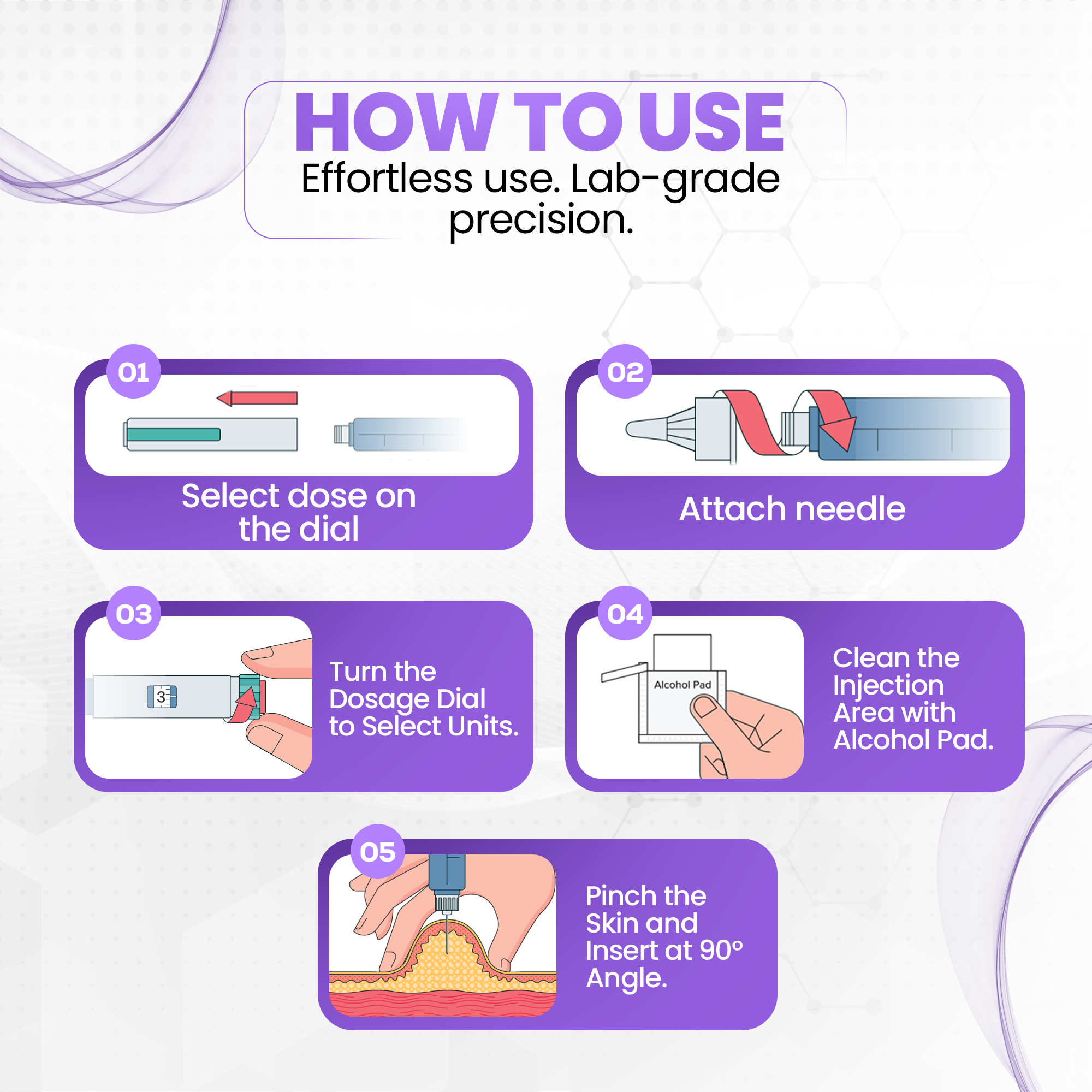
| Click-to-Dose | 1 click = 0.025 mg |
| Example(s) | 10 clicks = 0.25 mg |
Dosage & Protocols Variations
Standard Research Protocol
- Dose: 0.30 – 0.50 mg (= 12-20 clicks)
- Duration: 30 days
- Frequency: Daily
- Cycle Interval: 10 days off before next cycle
- Goal / Description: Commonly used dose in weight management models.
Therapeutic-Model Protocol
- Dose: 0.50 – 1.00 mg (= 20-40 clicks)
- Duration: 6 – 8 weeks
- Frequency: Daily
- Cycle Interval: 2 – 3 weeks off between cycles
- Goal / Description: Higher dose to assess enhanced lipolysis and energy utilization.
Biohacker Protocol (experimental)
- Dose: 0.25 mg (= 10 clicks)
- Duration: Continuous
- Frequency: Twice daily
- Cycle Interval: No fixed interval / take 1 week off every 8 weeks
- Goal / Description: Micro-dosing approach focusing on steady fat metabolism.
Stacked Protocol (AOD + MOTS-c)
- Dose: 0.5 mg AOD + 10 mg MOTS-c (= 20 clicks)
- Duration: 4 weeks
- Frequency: Daily
- Cycle Interval: Optional 2-week pause
- Goal / Description: 2 weeks off, then repeat or switch to MOTS-c only maintenance
Possible Side Effects
AOD-9604 is generally well-tolerated in research settings. Reported effects are mild and transient: Localized irritation or redness at injection site, Mild fatigue or transient headache during initial days, Rare gastrointestinal upset (nausea, stomach discomfort).
No evidence of fluid retention, insulin resistance, or joint swelling typically associated with full hGH.
Most reactions resolve spontaneously upon continued use or dose adjustment.
Product Attributes
- CAS #: 221231-10-3
- Molecular Formula: C78H123N23O23S2
- Sequence (AA): YLRIVQCRSVEGSCGF (with disulfide bond between Cys-7 and Cys-14)
- Molecular Weight: 1815.1 g/mol
- PubChem CID: 71300630
- Half-Life: ~4-6 hours
- Synonyms: Anti-Obesity Drug 9604, hGH Fragment 176-191, Lipolytic hGH Fragment, Tyr-hGH (177-191), Tyr-somatostatin
- Type: Synthetic research peptide (growth hormone fragment)
- Research Focus: Weight Loss & Metabolic Regulation
Scientific References
- Metabolic studies of a synthetic lipolytic domain (AOD9604) of human growth hormone Animal
- The effects of human GH and its lipolytic fragment (AOD9604) on lipid metabolism following chronic treatment in obese mice and beta(3)-AR knock-out mice Animal
- Safety and tolerability of the hexadecapeptide AOD9604 in humans Human RCT
- Safety and metabolism of AOD9604, a novel nutraceutical ingredient for improved metabolic health Human RCT | Observational | Animal | In vitro
- Obesity pharmacotherapy: current perspectives and future directions Human RCT
- Effects of human GH and its lipolytic fragment (AOD9604) on lipid metabolism Animal | In vitro
- Obesity drugs in clinical development Human RCT
- Recent advances in the pathophysiology and pharmacological treatment of obesity Human RCT | Observational
- Potential role of new therapies in modifying cardiovascular risk in overweight patients with metabolic risk factors Observational
- Peptides: AOD-9604 & BPC-157 Human RCT | Animal | In vitro
Included In The Box
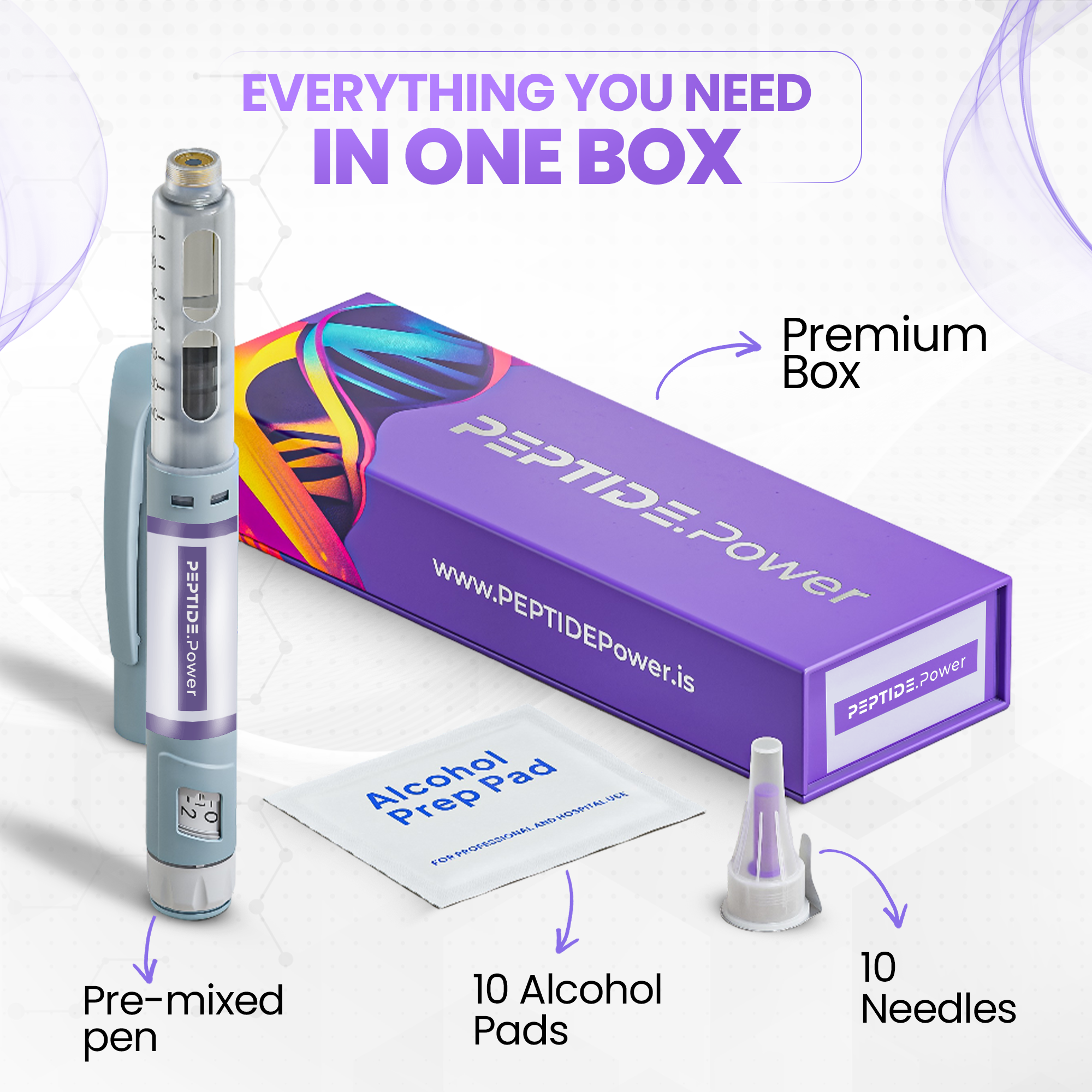
Every product arrives in a premium, custom-designed PEPTIDE.Power box, engineered for convenience, hygiene, and safe storage in your refrigerator. Inside, you will find everything needed for your full research protocol:
- 1× Disposable Pre-Mixed Injection Pen
- Powered by our proprietary PSM Technology™: precision stabilization & mixing system for consistent potency
- 10× Ultra-thin Needles (33G, 4 mm)
- 10× Alcohol Pads for sterile preparation
- Internal Stabilizing Foam Insert to prevent shaking during transport
- Instruction Panel printed on the inside of the box for quick reference
- Security Seal Sticker ensuring the package has not been opened or tampered with
Storage
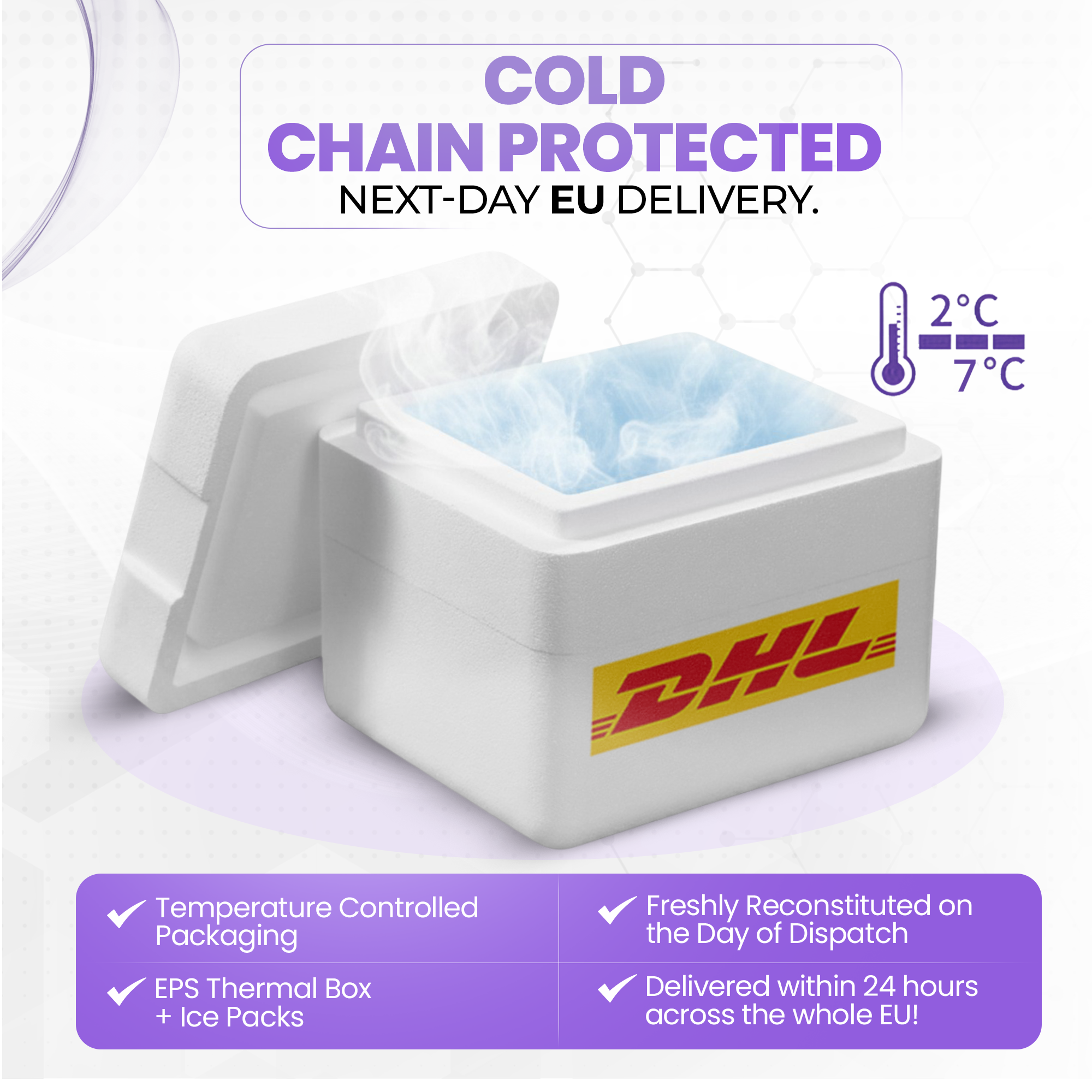
Store the product in a refrigerator at 1-8°C immediately upon delivery. To maintain optimal stability, keep the pen away from light, and do not expose it to repeated temperature changes.
Once reconstituted (all our pens come pre-mixed), research compounds remain stable for 6-8 weeks under proper refrigeration.
Do not freeze after reconstitution. Always keep the box closed so the pen, needles, and alcohol pads stay clean and protected.
For best results, use the product consistently within the recommended time window and always follow your research protocol.
Delivery
We ship with Next-Day EU Delivery via DHL Express or UPS Express.
All orders are prepared fresh on the day of dispatch, placed in EPS Cold-Chain Transport Boxes, and shipped with cooling elements to maintain a stable temperature throughout the journey.
Our logistics process is designed so the package arrives overnight, avoiding customs delays inside the European Union.
Products are shipped from our EU facility, ensuring no import duties, no customs clearance, and always fast and secure delivery.
Payment
Due to the nature of research peptides and the high-risk category assigned by payment processors, credit card companies do not generally support merchants in this field.
For this reason, we accept mainly Bank Transfers.
We also work with a crypto payment provider, and from time to time, card payments may be available depending on processor availability.
Within the European Union, SEPA transfers are fast, low-cost, and usually arrive within minutes to a few hours, making the payment process smooth and simple.
Once the transfer is received, your order is prepared immediately and dispatched the same day, depending on the daily cut-off time.
Please note that we do not dispatch shipments on Fridays or on days before official public holidays. This is done to ensure that parcels can be delivered on the next working day and are not held in transit over weekends or holidays.
This method ensures compliance, security, and continuity of service for all customers across the EU.
Didn't find the answer to your question?
View all frequently asked questionsRELATED PRODUCTS


